Why does the same batch of paint appear darker when sprayed by A but lighter when sprayed by B? Color differences are often caused by inconsistent application parameters. As a professional manufacturer, we reveal how air pressure, distance, and film thickness can fine-tune the coating color, and provide an industrial-grade process consistency control solution.
In large-scale engineering projects or assembly-line operations, color difference is one of the quality issues with the highest complaint rates. Although the same manufacturer's paint from the same batch is used, the colors are found to "not match" when the finished products are assembled.

As an industrial paint manufacturer, we want to tell you: color is not only produced, but also "sprayed" out. Slight differences in application parameters are enough to change the final visual effect.
1. Three Major Construction Variables Affecting Color
- Spray air pressure (atomization level): The higher the pressure, the finer the paint atomization. For coatings containing metallic flakes (such as silver paint), high pressure makes the metallic flakes arrange more evenly, making the color appear brighter and lighter; conversely, it looks duller.
- Spraying distance: If the spray gun is too far away, the solvent evaporates significantly during flight, and the paint film reaching the surface is relatively "dry", making the color prone to being lighter and losing gloss.
- Film thickness (hiding power): For many industrial paints, the substrate color will show through before the designed thickness is reached, causing the finished product to be off-color. If the thickness is uneven, the color will certainly be uneven.

2. How to achieve construction consistency? To ensure that the colors sprayed by different people at different times are consistent, the factory must establish a Standard Operating Procedure (SOP):
- Fixed viscosity: All personnel must use the same dilution ratio and calibrate with a viscosity cup.
- Fixed air pressure: Uniformly specify the construction air pressure (e.g., 0.4 MPa) to reduce visual color difference caused by atomization variations.
- Counter-sample system: Before construction, a test spray must be performed on the standard sample first, and large-scale construction may only proceed after the quality inspector verifies it under standard lighting.
3. Professional Tools for Color Management
- Colorimeter monitoring: Abandon "visual inspection" and use a professional colorimeter to conduct random inspections on finished products.
- Wet film gauge thickness control: After each coat is sprayed, the construction worker should immediately use a wet film gauge to measure the thickness, ensuring that every area reaches the standard thickness.
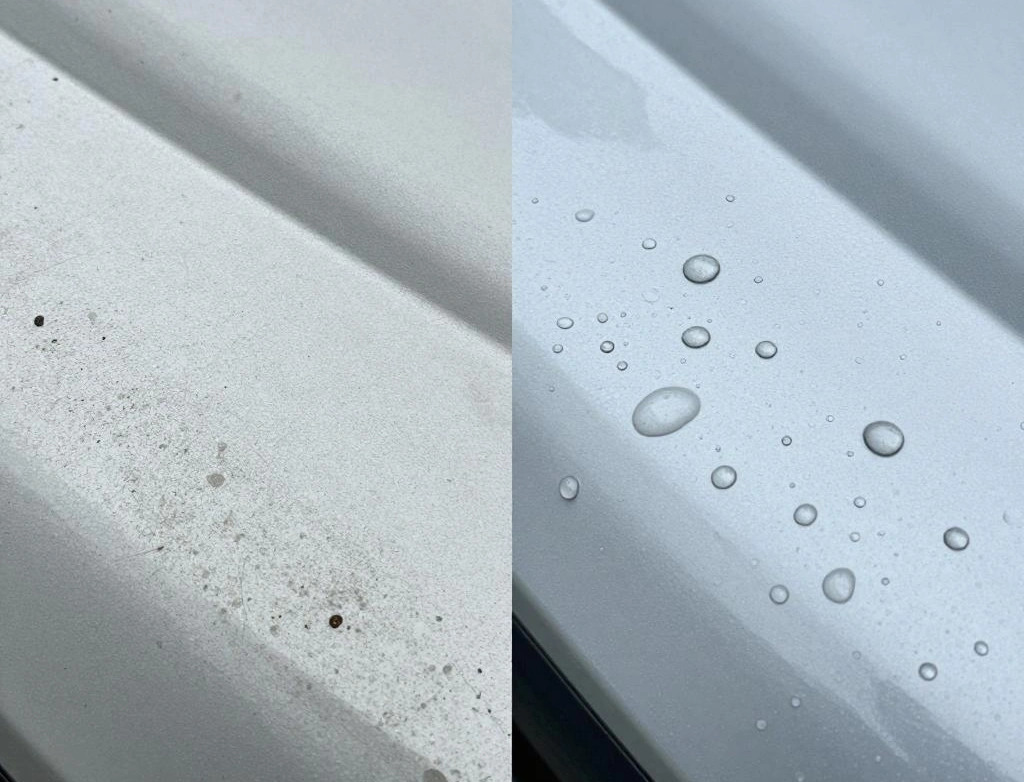
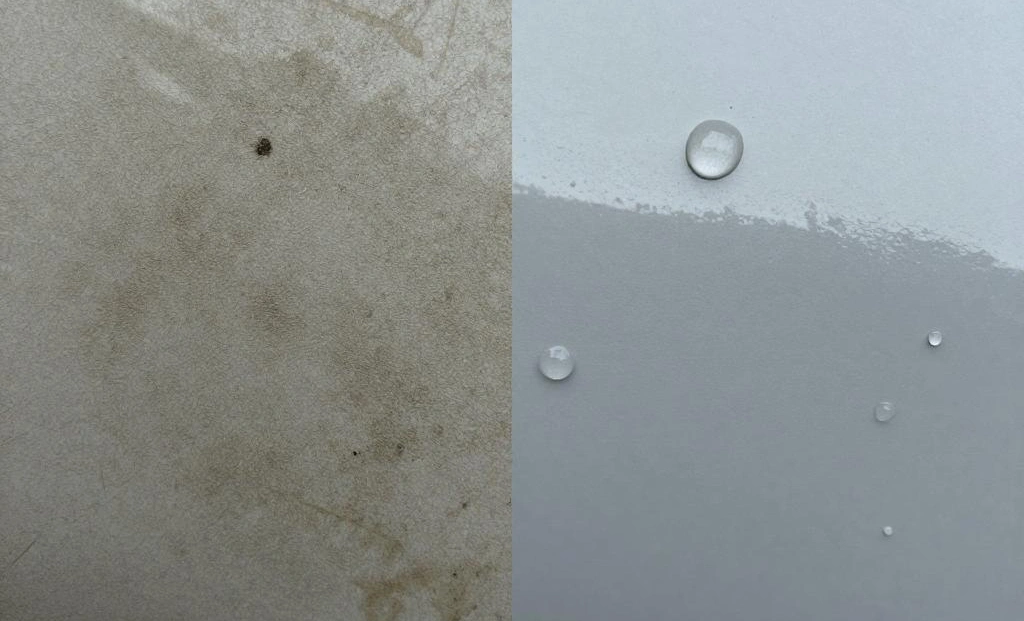

Conclusion: Color difference is not an unsolvable problem, but a lapse in management. Through strict control of construction details, we can ensure that every product and every batch of projects possess professionally "perfectly replicated" colors.