Say Goodbye to Dusting and Cracking: A Complete Guide to Choosing the Most Suitable Floor Paint for You!
Is your garage, warehouse, or factory floor suffering from dusting, cracking, bulging, and being hard to clean? Don't worry, floor paint is the "magic coating" to solve these problems. It can instantly renew old floors, improving durability and aesthetics. However, facing the wide array of epoxy floor paints and various brands on the market, how do you make the right choice?

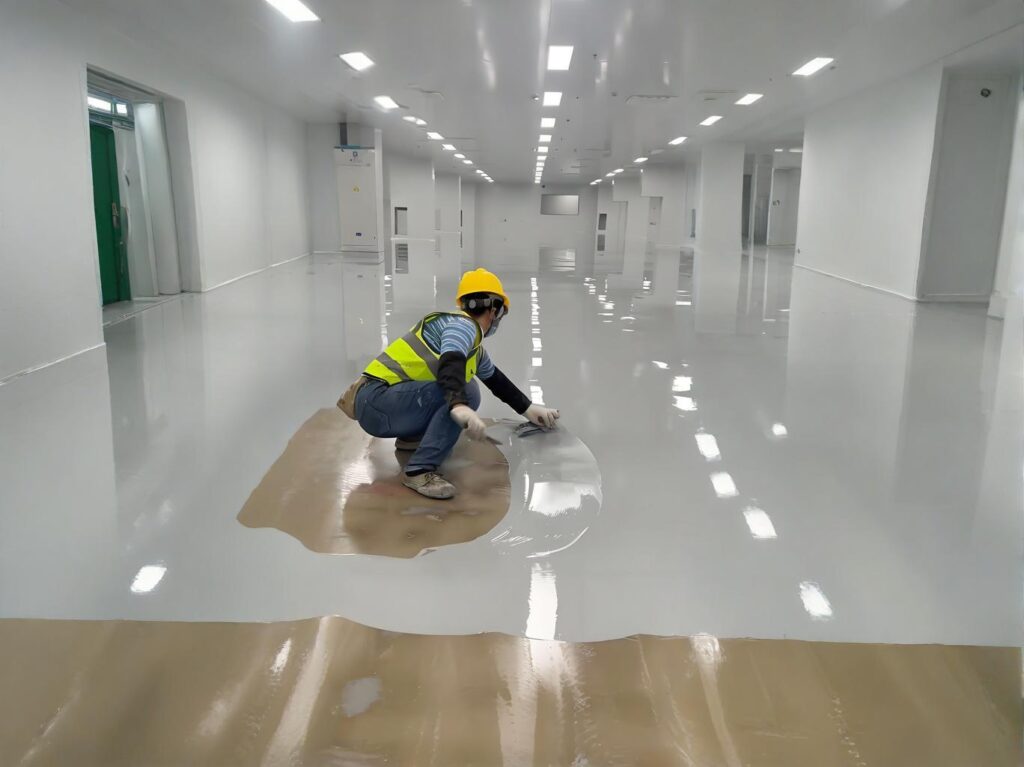


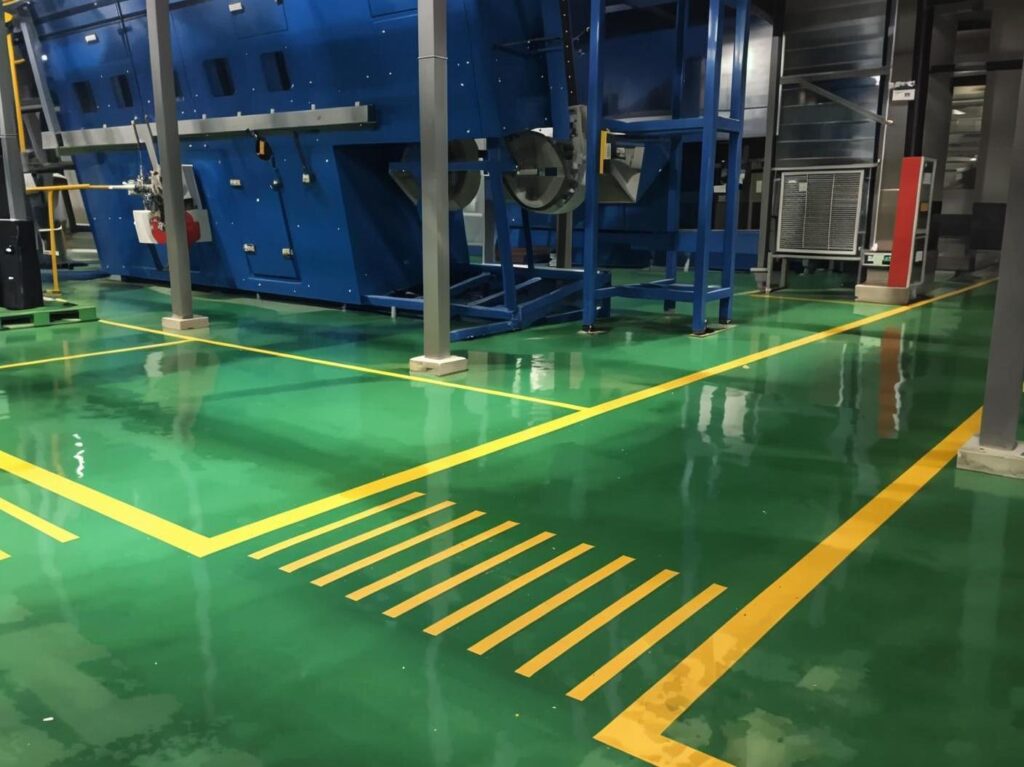
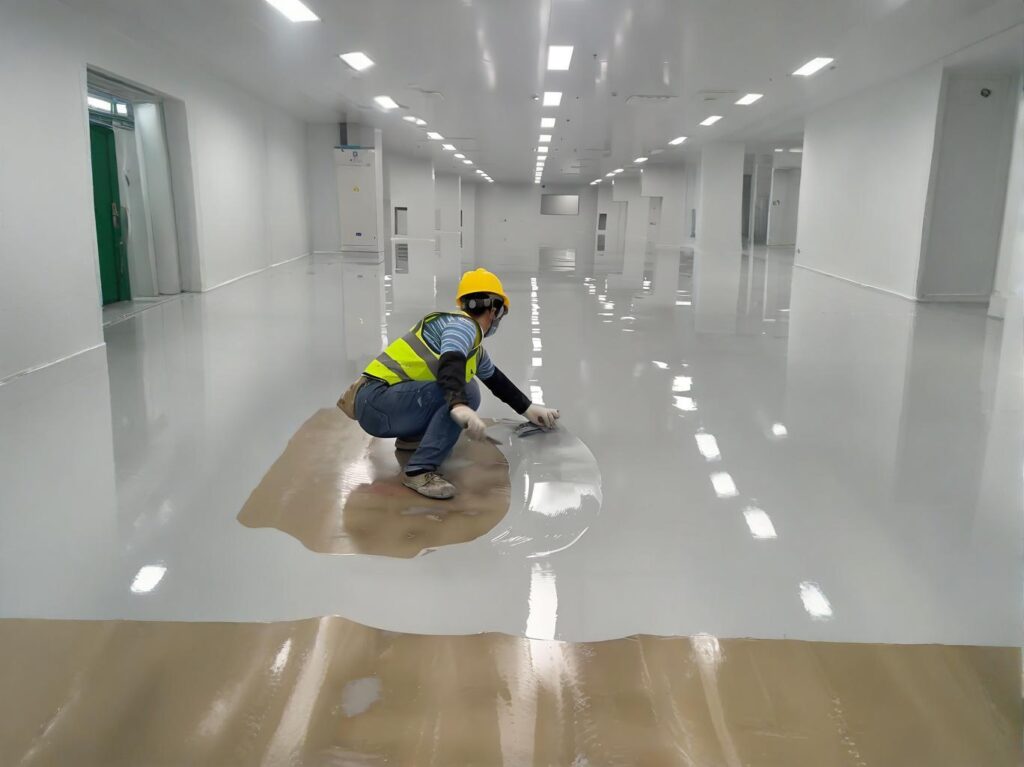

Remember these three core steps—"assess the site, assess the needs, assess the construction"—and they will help you precisely identify the most suitable floor paint product, with absolutely no missteps.
I. Site inspection: Determine the basic paint type based on the usage environment
Different usage locations have fundamentally different basic requirements for floor paint.
1. Residential and light commercial areas (e.g., home garages, balconies, storage rooms)
- Pain points: Seeking eco-friendly and odorless, daily anti-slip, and aesthetically pleasing.
- Preferred option: Eco-friendly water-based epoxy paint.
- SEO optimization points: Water-based epoxy paint uses water as a diluent, and during construction and use it has almost no irritating odor (extremely low VOC content), making it friendly to the home environment. Its wear resistance and slip resistance are sufficient to handle the entry and exit of household vehicles and the stacking of daily items. If you pursue a higher-quality garage flooring effect, you can choose a middle-coat mortar system.
2. Industrial and heavy-duty commercial areas (e.g., factory floors, heavy storage warehouses, large parking lots)
- Pain point: Extremely high-frequency traffic (forklifts, heavy-duty trucks), with stringent requirements for impact resistance and heavy load bearing.
- Preferred option: Solvent-based epoxy floor paint (heavy-duty coating) or polyurethane flooring.
- SEO Optimization Points:Factory Flooring faces far more severe tests than residential flooring.
- Solvent-based Epoxy (Thick Coating): Offers excellent mechanical strength and hardness, capable of resisting the rolling and impact of forklifts and heavy objects. However, it has a strong odor during application and requires good ventilation.
- Polyurethane flooring: While offering high strength, it is more flexible (elastic) than epoxy paint. It is not only wear-resistant and impact-resistant, but also provides better sound absorption and shock absorption effects, making it very suitable for places that require precision instrument protection or a quiet environment.
3. Special environment areas (e.g., basements, ground floors, food factories, chemical plants)
- Pain points: Dampness, heavy water vapor, chemical corrosion, large temperature fluctuations.
- Preferred solution:
- Damp environment: A dedicated moisture-resistant primer must be used for substrate treatment, or a water-based epoxy paint with better breathability should be selected directly, to prevent the floor paint from blistering, peeling, and other issues caused by rising ground moisture.
- Chemical corrosion: Choose vinyl ester flooring, polyurethane flooring, or special corrosion-resistant epoxy floor paint.
- Low temperature / large temperature difference: Choose polyurethane flooring with better flexibility, which has better weather resistance and is less prone to cracking during temperature changes.
II. Consider requirements: Determine the coating system thickness based on performance requirements.
The selection of floor coatings is not merely a matter of color difference, but more importantly, the choice of performance system, which determines the service life and protective capability of the flooring.
| Performance Requirement | Recommended Flooring System | Main Features and Advantages | Example Application Scenarios |
| Basic aesthetics, dustproof | Standard epoxy thin coating (0.3-0.5mm) | Lowest cost, easy to apply, achieves basic dustproof and easy-to-clean effect. | Pedestrian areas, light-duty warehouses. |
| Heavy impact resistance, high wear resistance | Epoxy mortar flooring (1-3mm) | Quartz mortar added to the coating, greatly improving the floor's compressive strength, impact resistance and wear resistance. | Auto repair shops, heavy machinery processing workshops. |
| High elasticity, shock absorption and noise reduction | Polyurethane flooring (2-5mm) | Possesses rubber-like elasticity, absorbs impact, effectively dampens shock and reduces noise. | Gymnasiums, hospitals, precision instrument production workshops. |
| High cleanliness, antibacterial | Epoxy self-leveling flooring (1-3mm) | Surface is flat and smooth like a mirror, seamless, easy to clean, meets food-grade and pharmaceutical-grade hygiene requirements. | Pharmaceutical factories, food processing plants, electronics factories. |
| Anti-static | Anti-static epoxy floor paint | Has conductive properties, can direct static charges into the ground, preventing static accumulation. | Electronics workshops, server rooms, flammable and explosive material warehouses. |
III. Watch the Construction: Substrate Preparation is the "Soul" of the Flooring
Even the best floor paint materials will be far less effective without professional application. The service life of floor paint depends 80% on the quality of substrate preparation.
1. The floor condition is good (cement floor is level, dry, and free of oil/grease).
- Recommendation: DIY kit or regular construction team.
- Key points: Keep the floor clean, dry, and free of loose objects. Purchasing a water-based epoxy paint kit yourself and applying it with a roller according to the instructions is an economical choice for garage flooring or small-area balconies.
2. Complex floor conditions (with oil stains, large cracks, severe sanding, and hollowing)
- Recommendation: Be sure to find a professional flooring construction team.
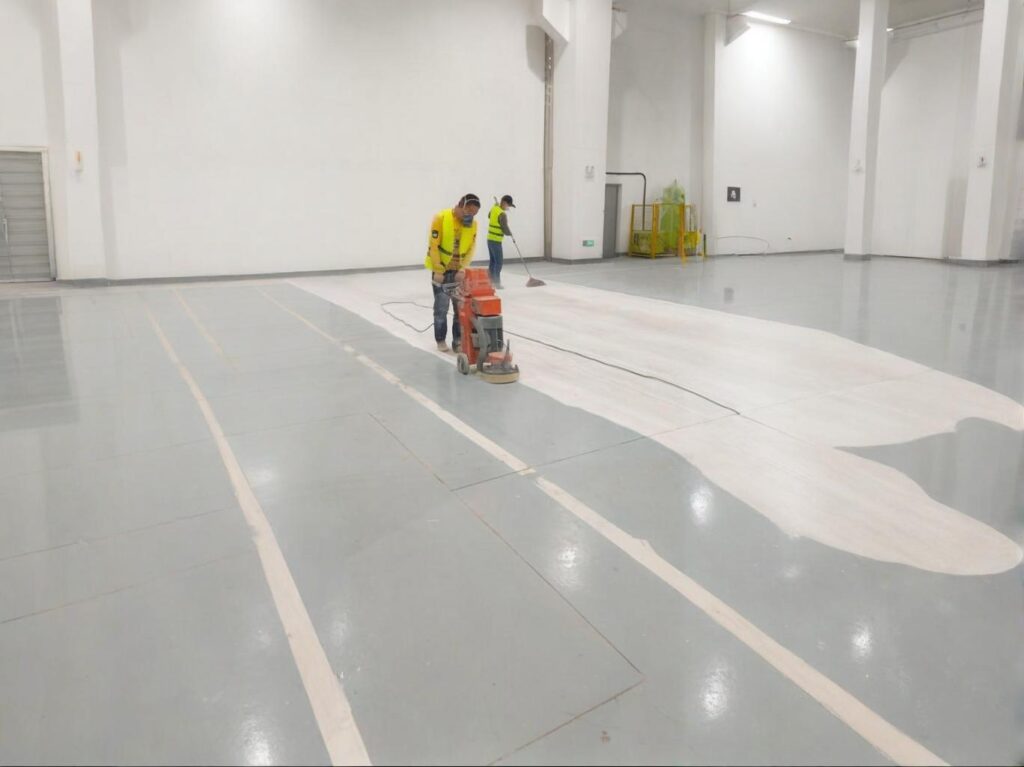
- Key points: A professional team will perform grinding (removing surface slurry), repair (fixing cracks and potholes), and the most critical first step of floor paint application — primer penetration and moisture-proof treatment. Especially for severe oil stains, professional degreasing treatment is required; otherwise, any coating may peel off in a short period.

Conclusion: Leave professional work to professionals.
Choosing floor paint is the process of matching the "usage scenario" with the "performance requirements".
For eco-conscious households, garage flooring with water-based epoxy paint is the cost-effective choice; for heavy-duty factory flooring, impact-resistant solvent-based epoxy mortar or polyurethane flooring is the way to go.
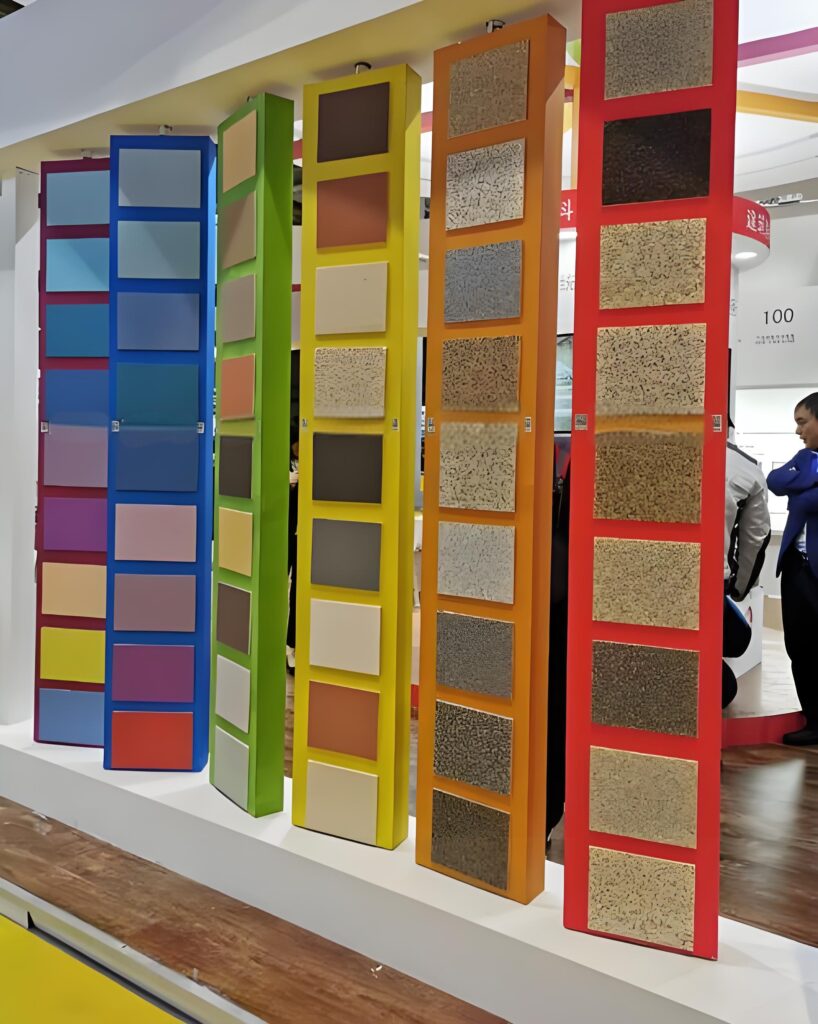
If you are unsure about your own floor conditions, or if your needs involve specialized areas such as chemical corrosion resistance or anti-static, please remember: floor paint selection and floor paint construction are a professional discipline. Leave professional work to professional teams, ensure that the substrate preparation is properly done, so that the floor paint can deliver its maximum protective and aesthetic value and achieve long-lasting durability!