In the fields of modern soft furnishing design, commercial display, and textile derivative products, fabric paint color is gradually becoming a widely noticed surface treatment method. Compared with traditional dyeing processes, the new coloring method centered on fabric coatings not only provides higher color coverage capability, but also excels in environmental performance, abrasion resistance, and compatibility with multiple materials. With technological progress, the comprehensive improvement from fabric coating systems to fabric spraying equipment has enabled fabric paint to rapidly spread across multiple industries.
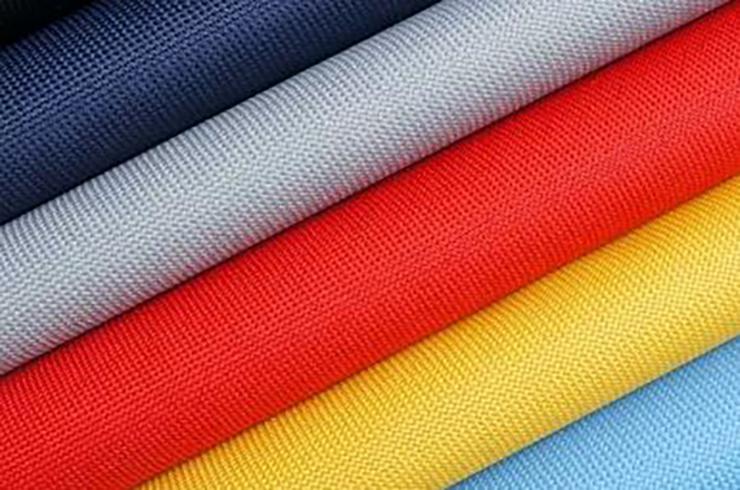
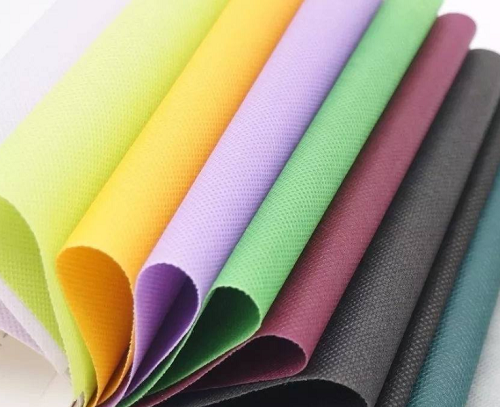
I. Structural Characteristics of Fabric Paint Colors
The application logic of fabric coatings differs from that of traditional paints for "hard substrates." Due to the softness, breathability, and fibrous structure of fabrics, fabric surface treatment must take the following factors into consideration:
- Flexible coating film
High-elongation resin ensures the coating does not crack when the fabric is bent, suitable for high-flexibility products such as curtain fabric and sofa fabric. - High-adhesion formula
Through a textile-specific primer and crosslinking system, the paint coloring forms a stable bond on the fiber surface. - Controlled breathability
The appropriately retained breathability design prevents the fabric from becoming stiff after coating, keeping the finished product comfortably wearable. - Environmentally Friendly and Odorless Properties
Fabric paint colors usually adopt a water-based system, which is especially important in commercial spaces and children's product fields.
II. Advantages of Fabric Paint Colors
The widespread adoption of fabric surface treatment technology stems from its distinct advantages:
- Strong coverage: Suitable for spraying dark fabric to change it to light-colored fabric.
- Flexible customization: Fabric recoloring can be quickly customized according to brand themes, showroom decorations, etc.
- Excellent weather resistance: The dedicated textile coating system is resistant to yellowing and abrasion.
- Unlimited fabric types: Suitable for various fabrics such as linen, cotton, synthetic fabric, leather substitute materials, etc.
- Compatible with special effects: Can achieve matte, glossy, metallic, pearlescent, frosted and other effects.
III. Applications of Fabric and Paint Colors in Different Fields
1. Home Soft Furnishing Industry
Fabric coatings are widely used on curtain fabrics, sofa fabrics, and textile surfaces of background walls. Designers can control the overall spatial atmosphere through fabric paint colors; for example, warm gray enhances spatial texture, while bright yellow boosts a sense of vitality.
2. Clothing and Fashion Accessories
In trend design, fabric coating is used in eco-friendly leather alternatives, hats, bags, and other fields due to its rich colors, high stability, and ease of personalized processing.
3. Commercial Visual Merchandising and Exhibition Set Design
Exhibition set designs require uniform color and fast application; fabric spraying can cover large textile surfaces in a short time while maintaining visual consistency.
4. Stage, Film and Television, and Prop Production
Fabric paint colors meet the needs of rapid color changes for stage curtains and prop sets, with high color saturation that maintains excellent visual impact under lighting.
IV. Construction Methods for Fabric and Paint Colors
1. Spraying method
Spraying on fabric is suitable for large-area treatment, with uniform coating and high speed.
2. Brush or sponge roller application
Suitable for local treatment or textured effect processes.
3. Dip Coating Process
Used in industrial production to ensure uniform color on the fabric surface.
5. Key Indicators to Consider When Choosing Fabric Coatings
- Color saturation: Whether the fabric color change is vivid and full.
- Washability and abrasion resistance: Textile coatings are often used in cleanable areas.
- Does VOC comply with environmental protection standards.
- Whether it is compatible with different fiber types (cotton, linen, polyester, etc.).
- Degree of tactile retention: Whether the fabric surface can maintain its softness after treatment.
Conclusion
As rigid coating technology extends toward flexibility, fabric paint colors have gradually become an innovative solution for industries such as home furnishing, commercial, and apparel. Whether it is the continuous upgrading of fabric coating systems or the breakthroughs in the effect performance of textile fabric coatings, both reflect the broad development potential of this field in the future. For industries hoping to achieve fabric recoloring or diversified visual presentation, fabric paint treatment has become a highly valuable choice.