The central role of architectural coatings in modern construction
With the continuous acceleration of urbanization, architectural paint is no longer merely a surface decoration material, but an important building material that integrates decorativeness, protectiveness, environmental friendliness, and functionality. A professional architectural paint production factory not only determines the appearance effect of the coating, but also directly affects the service life, safety performance, and environmental friendliness of the building.
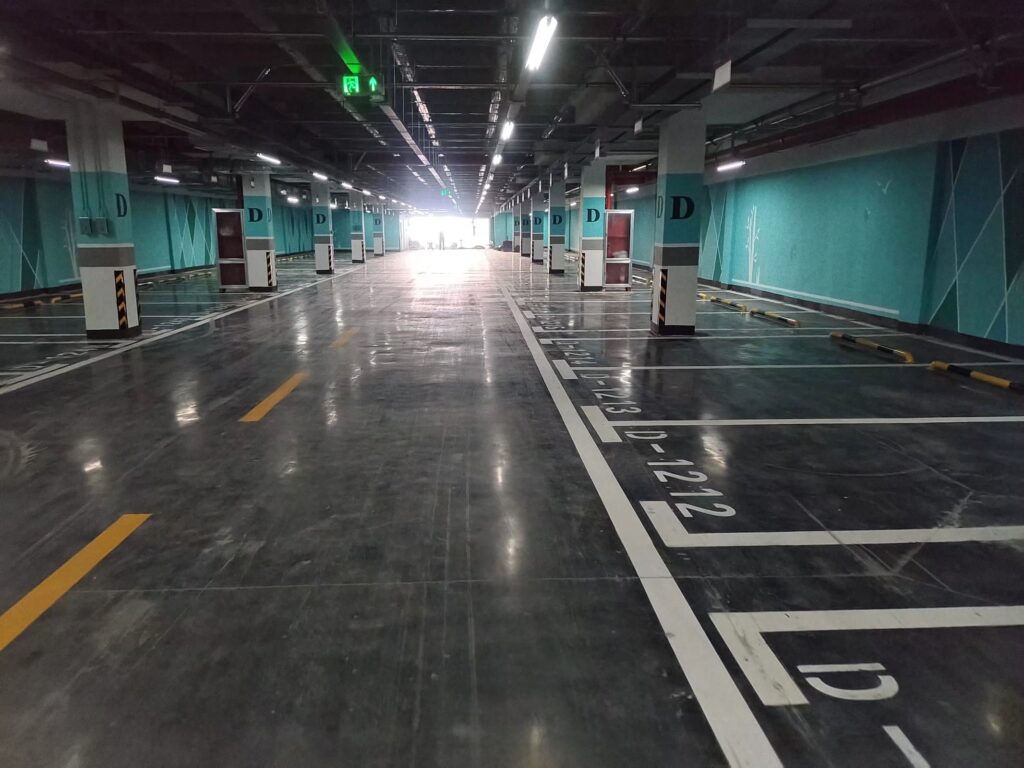
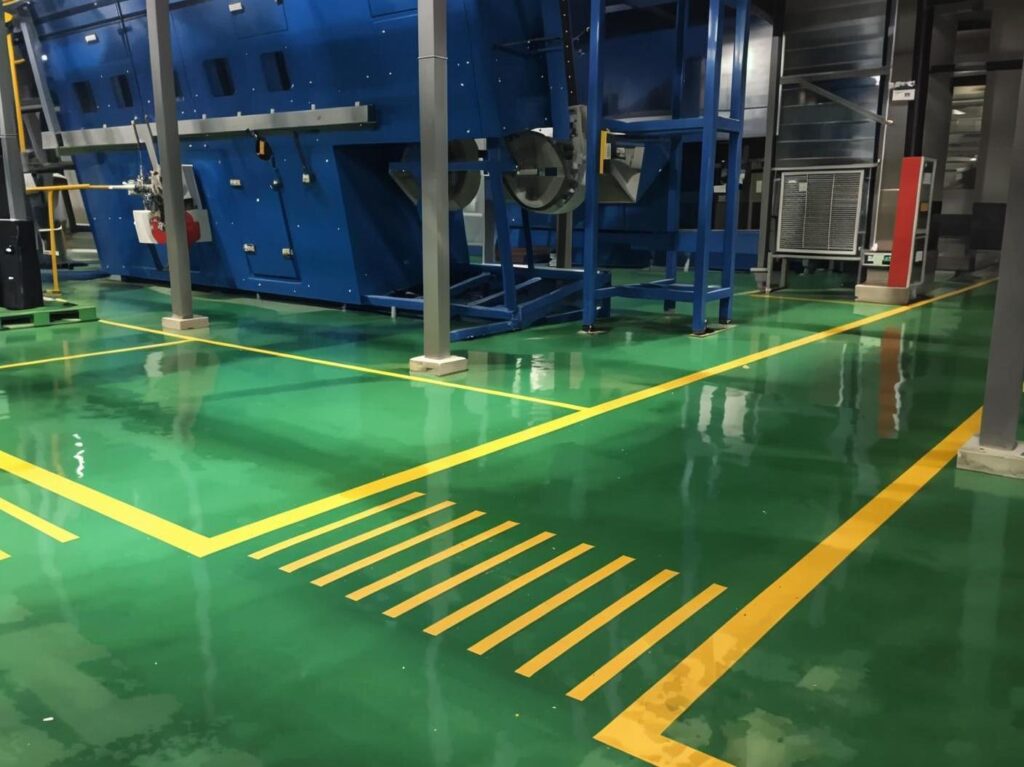

Complete production process of a architectural paint manufacturing plant
A standardized architectural paint production plant typically consists of several core sections:
1. Raw Material Screening and Testing
The foundation of high-quality architectural paint lies in stable and reliable raw materials, including resins, pigments and fillers, solvents, and functional additives. Professional factories conduct multiple tests on each batch of raw materials, such as viscosity, fineness, and solid content, to ensure formula stability.
2. Precise Formula Design
Architectural paint manufacturing plants usually have independent technology R&D teams that develop differentiated formulas for different building scenarios (interior walls, exterior walls, industrial buildings, commercial spaces) to meet performance requirements such as weather resistance, adhesion, and alkali resistance.
3. Automated Production and Dispersed Grinding
Modern architectural paint production plants widely adopt automated dispersion systems and high-efficiency grinding equipment to ensure uniform pigment distribution, enhance coating hiding power and stability, and reduce batch-to-batch variations.
4. Strict Quality Inspection System
Finished paints must pass multiple tests such as water resistance, scrub resistance, and aging resistance to ensure the long-term stable use of architectural paints in complex environments.
Environmental Protection and Sustainable Development of Architectural Paint Manufacturing Plants
Against the backdrop of increasingly stringent global environmental regulations, architectural paint manufacturing plants are accelerating their transformation toward green manufacturing.
Low-VOC architectural paints, water-based architectural coatings, and heavy-metal-free formulations have become the mainstream direction of the industry, not only meeting regulatory requirements but also enhancing the health and safety levels of end-use buildings.
Customization capability: a key criterion for evaluating the strength of architectural paint manufacturing plants
Excellent architectural paint manufacturing plants not only supply standard products, but also provide OEM/ODM customization services for construction projects, distributors, and brand owners, including:
- Color customization
- Customized performance indicators
- Packaging and Brand Customization
- Application scenario customization
Application of architectural paints in different building sectors

- Residential Buildings: Emphasizing environmental protection, safety, and decorative effects
- Commercial buildings: Emphasis on durability and visual identity
- Industrial buildings: Focus on anti-corrosion, protection, and functionality
- Public buildings: Require stability and low long-term maintenance costs
Future development trends of architectural paint production plants
In the future, architectural paint production factories will continue to evolve toward intelligent, digital, and low-carbon directions, improving production efficiency through data management, while driving the performance upgrade of architectural coatings through new material R&D.

FAQ (Frequently Asked Questions)
Q1: Can architectural paint manufacturing factories provide small-batch customization?
A: Architectural paint manufacturing factories with a complete production system usually support small-batch customization to meet diverse market demands.
Q2: How is the quality stability of architectural paint ensured?
A: Through standardized formula management, automated production, and a full-process inspection system, consistency of every batch of products is ensured.
Q3: Does architectural paint comply with environmental standards?
A: Regular architectural paint manufacturing factories produce in accordance with domestic and international environmental regulations, mainly promoting low-VOC and water-based products.
Q4: Does the factory support export projects?
A: Mature architectural paint production factories usually have export experience, and their products can meet the standards of multiple national markets.