In automotive refinish paint systems, body filler is a key material connecting the sheet metal layer and the coating layer. It not only determines the flatness of the paint surface, but also directly affects the adhesion, durability, and overall repair quality of the paint film. Whether it is an automotive sheet metal shop, a painting workshop, or a repair service store, correctly selecting body filler can significantly improve repair efficiency and the final decorative effect.
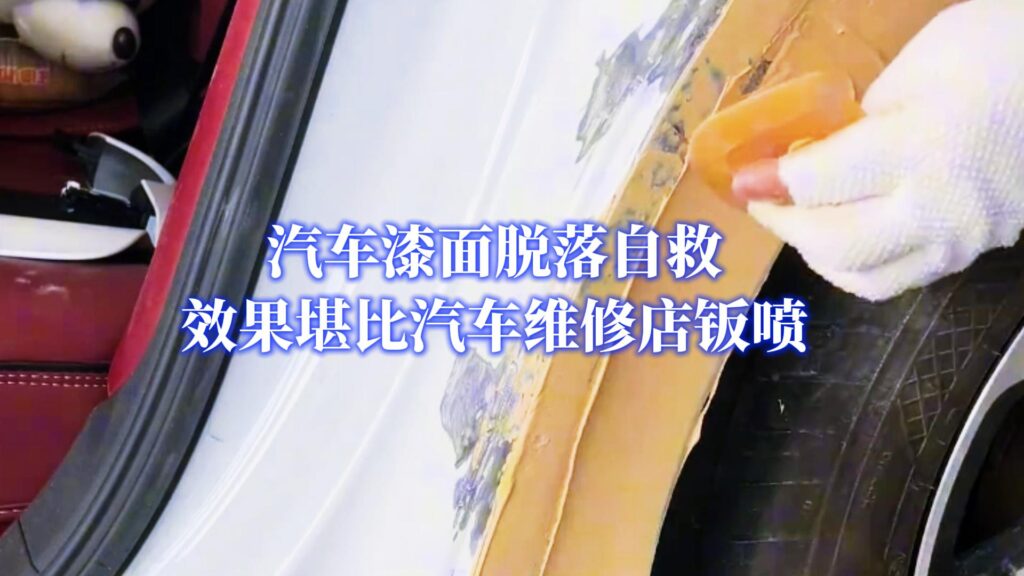
1. Functions and Importance of Automotive Body Filler
Automotive body filler (car putty) is composed of resin, fillers, additives, curing agent, etc., and is mainly used for:
- Fill in dents and minor defects
- Level the sheet metal repair area
- Enhance coating adhesion and optimize spraying effect
For professional automotive refinishing processes, the performance of body filler determines the quality of the substrate, and the substrate quality ultimately determines whether the paint film is smooth, uniform, and full.
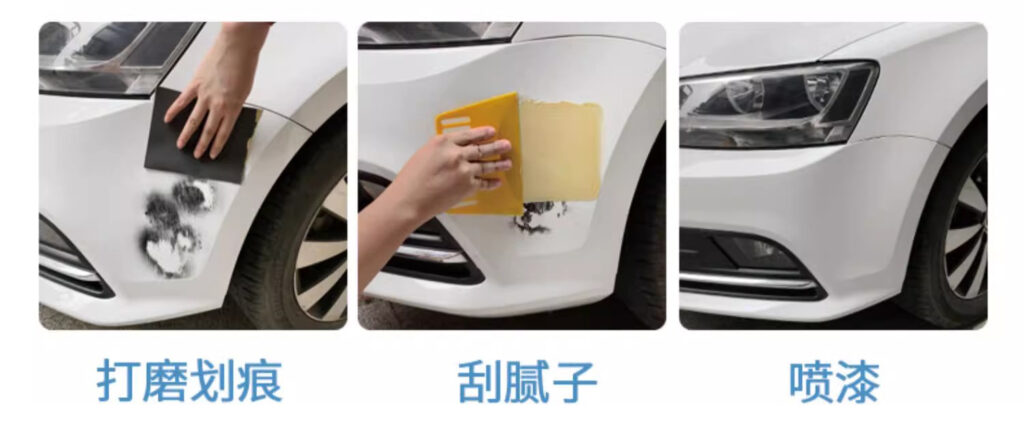
II. Main Types of Automotive Body Filler
To accommodate different repair scenarios, the types of putty commonly used in the industry can be classified into several categories:
1. General-purpose body filler
Suitable for sheet metal repair on most vehicles. Features good sandability and moderate strength, ideal for use as base-layer filling.
2. Lightweight body filler
Lightweight, low shrinkage, and low sanding resistance, very suitable for repairing large-area dents on vehicle bodies. Reduces labor, and is one of the commonly used materials in coating enterprises.
3. Fine Putty (Fine-type Body Filler)
Used for pore sealing and fine leveling, it is an indispensable surface leveling material in the repair painting process. Ensures a smooth and fine paint surface after spraying.
4. Fast-drying putty
Suitable for high-efficiency workshops, with fast curing speed and labor savings, ideal for rapid spraying and turnaround.
5. High-strength body filler
Used in locations with high structural strength requirements, such as vehicle body corners and weld joints. High hardness, impact resistant.
3. Key Points for Choosing Automotive Putty
1. Is the adhesion strong
High-quality polyester putty must bond firmly to the metal substrate and the filler coat to avoid issues such as peeling and delamination in later stages.
2. Is the polishing easy?
Good sanding properties not only improve work efficiency, but also enable the topcoat application to achieve higher gloss and smoothness.
3. Is the shrinkage rate low
Low shrinkage can prevent the paint surface from showing sink marks and orange peel, and is a necessary condition for high-quality automotive refinish paints.
4. Whether it is suitable for the construction environment
At lower temperatures, a fast-drying body filler should be selected; whereas in complex repair scenarios, a high-strength type may be more suitable.
5. Are the materials environmentally friendly and stable
Modern body fillers emphasize low odor, low volatility, and low irritation, making them suitable for long-term use in professional workshops.
IV. Recommended Choices for Different Repair Needs
Large-area dent repair
→ Lightweight Body Filler
Reduce weight and shrinkage for more natural body repairs.
High-precision leveling before spraying
→ Fine-grade
Ensure the paint surface achieves a mirror finish after polishing.
Quick repair and quick paint scene
→ Quick-drying putty
Save waiting time and improve workshop turnover efficiency.
Repair of Load-Bearing Structural Components
→ High-strength body filler
For high-hardness requirements, improving impact resistance.

5. How to judge the quality of putty?
It can be comprehensively evaluated based on the following indicators:
- Whether the mixing is smooth
- Whether the filling is uniform and free of bubbles.
- Whether curing is complete
- Whether the sanding is smooth and even
- After painting, is there no shrinkage and no marks?
High-quality body filler not only improves the application experience but also makes the overall performance of the automotive refinish paint system more stable and reliable.

VI. Conclusion
The selection of automotive body filler is a core step in the entire automotive refinish paint system. From adhesion to sandability, from shrinkage rate to fine repair capability, every property affects the final painting result. For coating enterprises and body repair shops, scientifically selecting body filler can significantly improve repair quality, reduce rework probability, and deliver more professional service value to customers.