In the modern automotive repair and remanufacturing industry, automotive paint color-matching systems have become an indispensable and critical component of the spraying process. As automotive exterior designs become increasingly diversified and OEM paint colors are continuously subdivided, traditional color-matching methods that rely on manual experience can no longer meet the market demands for high efficiency, high precision, and high consistency. Professional and systematic automotive paint color-matching systems are reshaping the technical standards of the automotive refinish paint industry.

What is an automotive paint color matching system
An automotive paint tinting system refers to a complete solution that achieves accurate restoration of automotive paint colors through standardized colorants, precision dispensing equipment, professional tinting software, and color databases. This system is widely used in auto 4S stores, repair shops, body and paint centers, as well as in the production and distribution systems of automotive coatings, and can quickly match OEM vehicle paint colors, significantly reducing color difference issues.

A complete automotive paint color matching system typically includes:
- standardized automotive paint tinting system
- high-precision electronic scale
- automotive paint color matching software
- Original factory paint color database
- Auxiliary spraying and testing tools
Working principle of automotive paint tinting systems
The automotive paint tinting system is centered on digital formulas. By inputting the vehicle brand, model, year, or color code, the tinting software automatically retrieves the corresponding automotive paint formula and accurately calculates the proportion of each colorant to be added. The tinting operator only needs to weigh and mix according to the system prompts to obtain an automotive paint color that closely matches the original factory finish.
In high-end application scenarios, some automotive paint tinting systems can also be used in conjunction with spectrophotometers to scan and analyze the old paint surface, thereby further correcting color differences caused by aging and fading.
Core advantages of automotive paint tinting systems
1. High Color Consistency
The automotive paint color matching system uses unified colorants and formula standards to greatly reduce human error and ensure color stability across different batches and different applicators.
2. Significantly Improved Color Matching Efficiency
Compared with the traditional method of repeated trial-and-error color matching, the automotive paint color matching system can achieve precise color formulation in one go, shortening the repair cycle and improving the overall efficiency of the body and paint shop.
3. Reduce Material Waste Costs
Accurate formulations reduce rework and waste paint generation, effectively controlling the cost of automotive paint usage and increasing profit margins.
4. Easy to manage at scale
For chain repair networks or automotive paint factories, a unified automotive paint tinting system helps achieve consistent color standards across regions and stores.
Application scenarios of automotive paint color matching systems in the industry
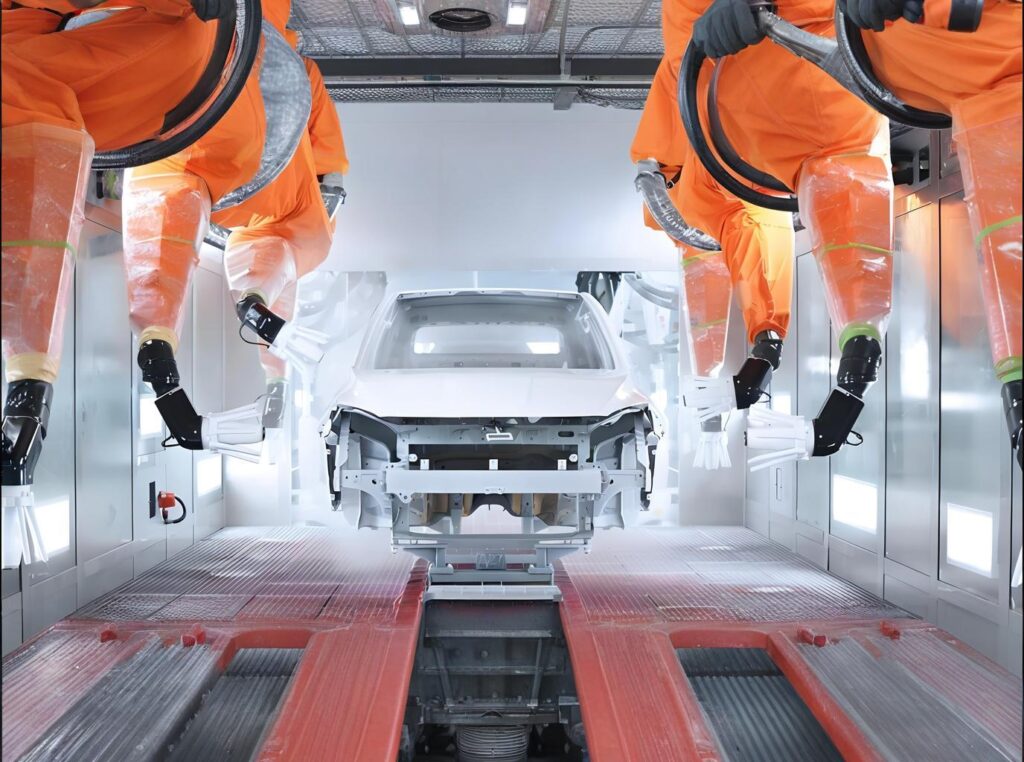
Automotive paint tinting systems not only serve the end-use repair market, but also play an important role in the production and sales system of automotive coatings:
- OEM refinish paint application for automotive 4S stores
- general repair shops and body and paint centers
- Spray painting of commercial vehicles, engineering vehicles, and special-purpose vehicles
- Automotive paint manufacturing plant and regional distributor
- automotive color change and personalized customization sector
With the proliferation of new energy vehicles and high-end models, the application of automotive paint tinting systems in fields such as metallic paints, pearlescent paints, and waterborne automotive coatings continues to deepen.
Development Trends of Automotive Paint Color Matching Systems
In the future, automotive paint tinting systems will continue to evolve toward intelligence, digitalization, and environmental friendliness:
- Cloud-based automotive paint color database with real-time updates
- AI algorithm-assisted color matching and correction
- Full-scale adoption of waterborne automotive paint tinting systems
- Deep integration with spraying equipment and ERP systems
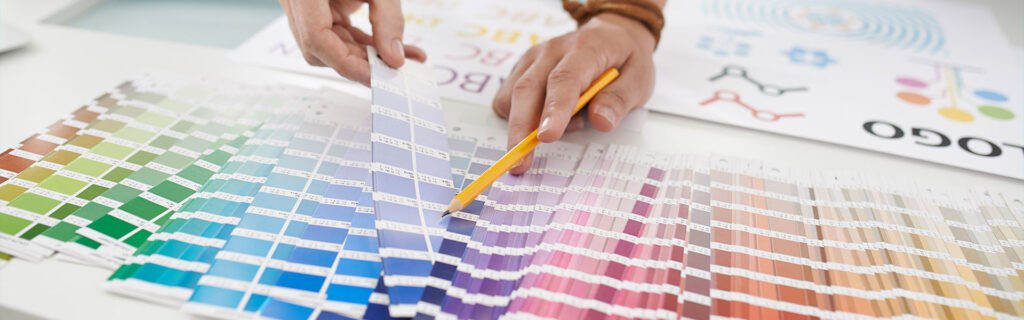
These technical upgrades will further enhance the professionalism and commercial value of automotive paint tinting systems.
Frequently Asked Questions (FAQ)
Q1: Is the automotive paint color matching system suitable for all vehicle models?
A: Mainstream automotive paint color matching systems already cover the vast majority of domestic and foreign brand models, and can be continuously expanded through database updates.
Q2: Can the color still be accurately matched after the old car's paint has faded?
A: With a professional color matching system combined with color measurement equipment, the aged paint surface can be corrected and matched to significantly reduce color difference.
Q3: Does water-based automotive paint require a dedicated tinting system?
A: Yes, water-based automotive paint differs from solvent-based paint in formulation, application, and tinting parameters, and requires a matching corresponding system.
Q4: Does the automotive paint color matching system require highly skilled operators?
A: The system has a high degree of standardized operation, and can be used proficiently after basic training.