This content systematically compiles FAQs on antifouling paints and a substrate-to-paint selection reference table, covering multiple scenarios such as exterior walls, metal, wood, PVC, and stone, to provide users with quick and accurate guidance for selecting antifouling coatings.

1. What is the difference between anti-dirt paint and ordinary exterior wall paint?
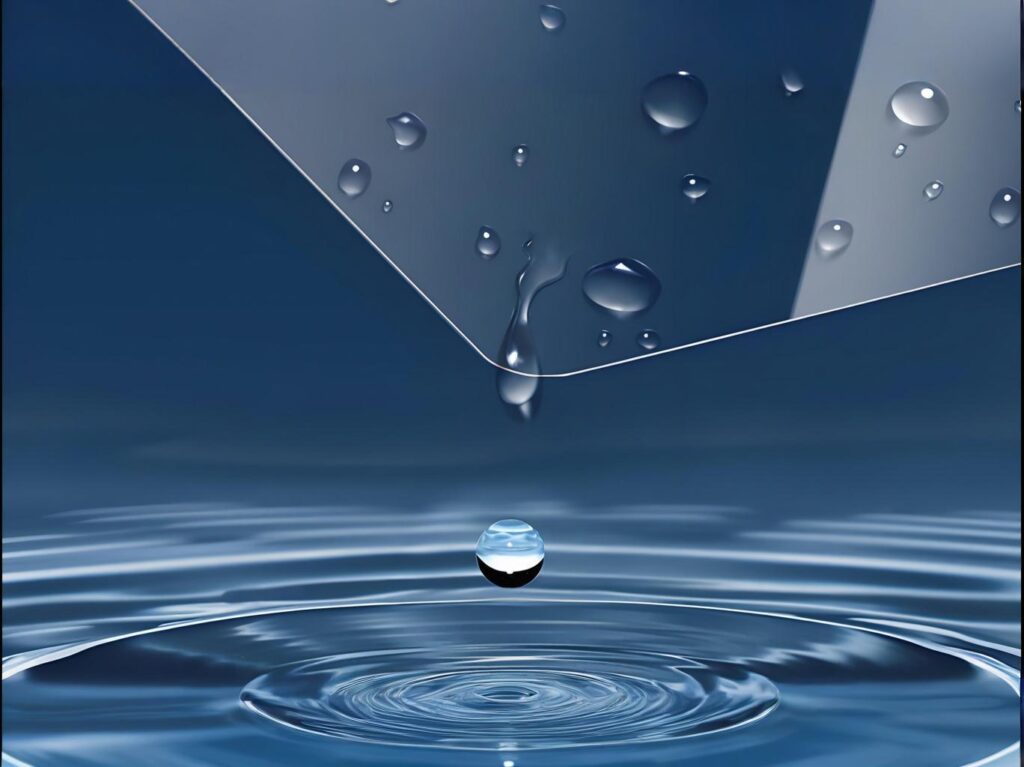
Anti-fouling paint adopts hydrophobic and oleophobic technology with a highly dense film structure to reduce the adhesion of dust, mud, and oil stains. Ordinary exterior wall paint mainly provides color and basic protection, and does not possess long-term stain resistance.

2. What substrates are antifouling coatings suitable for?
Suitable for cement walls, metal, wood, PVC, stone, etc. Different substrates require corresponding primers; for example, metal needs an epoxy primer to enhance adhesion.
3. What is the difference between the self-cleaning function and antifouling?
Self-cleaning emphasizes automatic removal of stains after rain washing; anti-fouling emphasizes that stains are "hard to adhere". High-end exterior wall stain-resistant paints usually combine both properties.
4. Can anti-fouling paint be used indoors?
Yes. Kitchens, corridors, children's rooms, etc. are all very suitable, especially water-based anti-fouling paints of the scrub-resistant and antibacterial types.
5. Are anti-fouling coatings environmentally friendly?
Water-based antifouling coatings for formulations feature low VOC content and are free of formaldehyde and heavy metals, making them suitable for schools, hospitals, food factories, and similar environments.
6. How long can antifouling paint last?
Outdoors approximately 8–15 years, indoors up to 10–20 years, depending on the environment and construction quality.
7. What should be noted during construction?
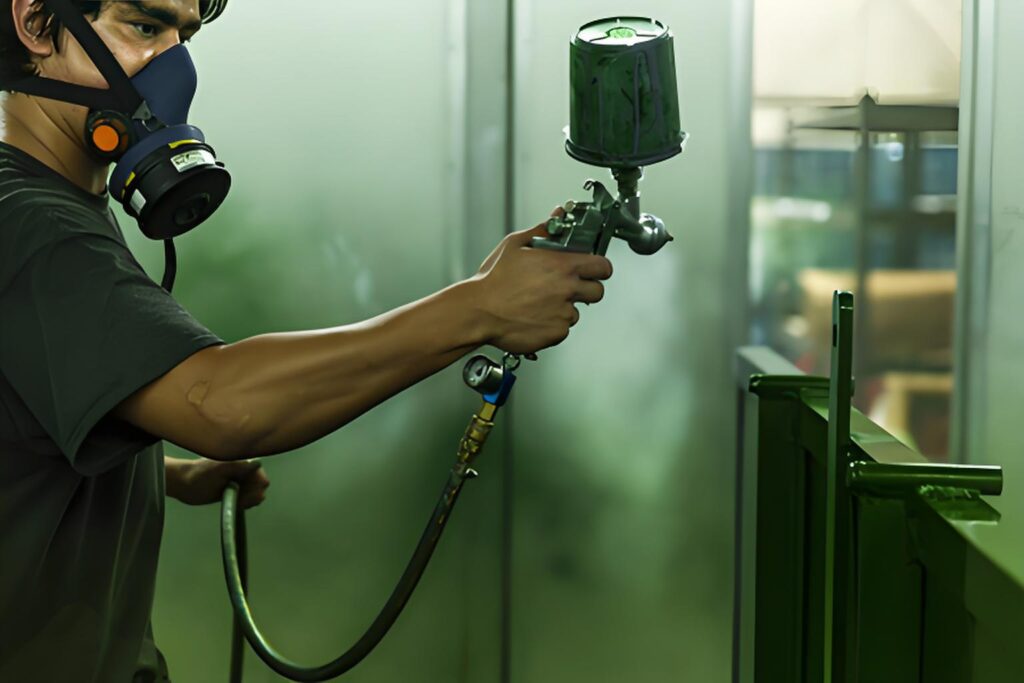
Keep the wall dry, the substrate sound, and the compatible primer complete; apply at 5–35°C and avoid painting in rainy conditions.

? Chinese Table: Optimal Anti-Fouling Coating Selection for Common Substrates
| Substrate Type | Recommended Anti-fouling Coating System | Main Features | Application Scenarios |
|---|---|---|---|
| Cement Walls | Silicone-acrylic Exterior Anti-fouling Paint / Fluorocarbon Exterior Coating | High weather resistance, self-cleaning, alkali resistance, strong anti-fouling adhesion | Residential exterior walls, commercial buildings, municipal engineering |
| Metal Surface | Epoxy primer + Fluorocarbon topcoat | Strong anti-corrosion, oil resistance, chemical corrosion resistance, long-lasting anti-fouling | Industrial equipment, steel structures, factories |
| Wood | Water-based Acrylic Anti-fouling Wood Coating | Preserves grain, water resistant, scrub resistant | Indoor wooden furniture, doors and windows |
| PVC / Plastic | Modified Acrylic Anti-fouling Coating | High adhesion, high flexibility, stable anti-fouling performance | Pipes, plastic enclosures, outdoor decorative parts |
| Stone | Fluorocarbon Transparent Anti-fouling Coating | Yellowing resistance, water and oil repellent, maintains original color | Landscape stone, facade stone |