On building exterior walls, industrial equipment, and home decoration surfaces that are exposed to air and pollutants for a long time, "anti-fouling paint" has become an important material for improving the long-term cleanliness of surfaces. With urban air pollution, fluctuations in the acidity and alkalinity of rainwater, and increased dust in industrial environments, choosing an anti-fouling coating that truly has the capabilities of stain resistance, anti-dust accumulation, and easy cleaning has become a core concern shared by engineering companies, the decoration industry, and individual users.
This article systematically analyzes from several dimensions including substrate characteristics, paint film technical structure, application scenario differences, environmental standards, and construction performance, to help users efficiently select suitable anti-fouling paint, exterior wall stain-resistant paint and industrial anti-fouling paint, and achieve the best protection effect in practical use.
I. Clarify the Usage Scenario: Different Environments Determine Different Anti-Fouling Levels
Before selecting antifouling paint, first determine the service conditions of the surface, as different environments have vastly different requirements for anti-fouling coatings:
1. External Building Environment (Residential, Commercial Buildings, Public Facilities)
- intense UV exposure
- Unstable pH due to rainwater washing
- Dense dust and severe exhaust pollution
- requires long-term maintenance of aesthetic appearance
For such environments, the following performance characteristics should be prioritized when selecting exterior stain-resistant paint:
- Hydrophobic and oleophobic technology (making stains difficult to adhere)
- high-weathering silicone-acrylic structure
- Self-cleaning function (rainwater can rinse the surface)
- Long-lasting color with no yellowing
2. Industrial equipment, metal surfaces
- Frequent exposure to oil stains and chemicals
- Dust particles exhibit strong adhesion.
- Large surface temperature variation
Suitable for selection:
- high-solid epoxy system
- fluorocarbon resin antifouling system
- Strong chemical stability and high corrosion resistance
This type of industrial antifouling paint places more emphasis on protection and durability.

3. Indoor Home Scene
- Children's room, kitchen, and bathroom walls
- frequently exposed to oil stains, water stains, and fingerprints
Suitable for selection:
- Environmentally friendly water-based formulation
- High antibacterial and scrub resistance ratings
- Odorless or low-VOC eco-friendly paint

II. Key Technical Indicators: Core Factors Determining Antifouling Performance
When selecting anti-fouling paints, the following professional indicators must be considered, as they directly determine the stain resistance performance.
1. Density of paint film (critical)
High-quality antifouling coatings achieve this through:
- nanofiller
- specially modified resin
- Crosslinked structure reinforcement
Make the paint film denser, leaving no chance for dirt to "seep into the gaps".
2. Hydrophobic/Oleophobic Index
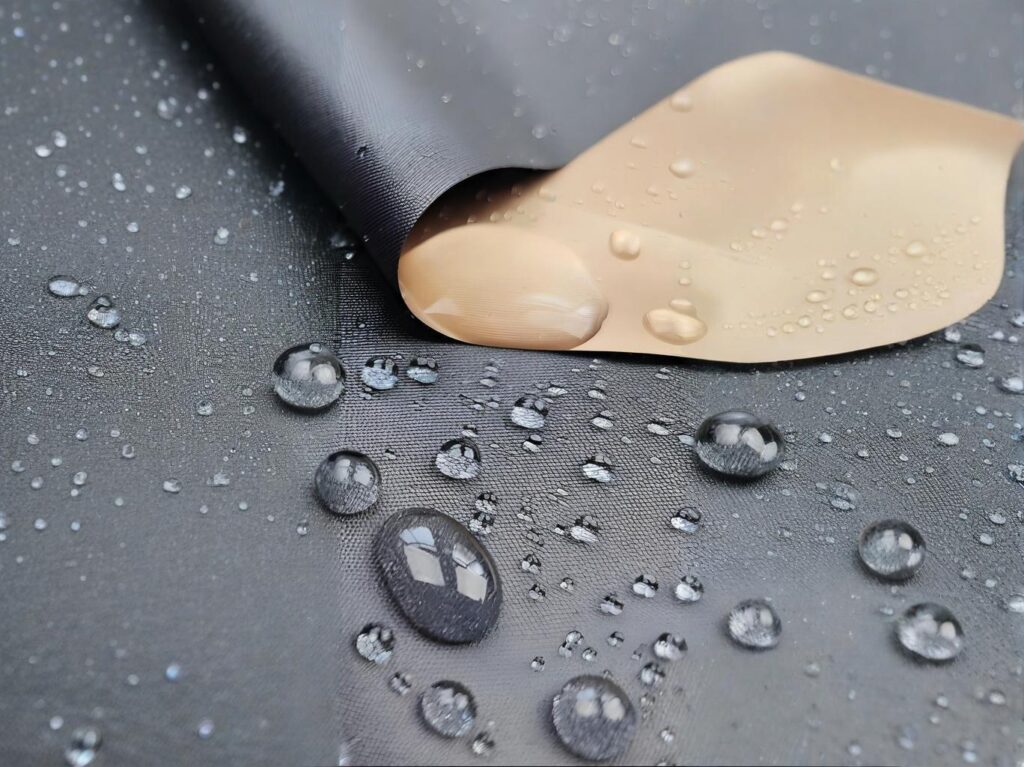
High hydrophobicity creates a "lotus leaf effect", reducing water marks and mud residue.
High oleophobicity reduces oil stain adhesion.
It is recommended to check whether the product technical data sheet (TDS) indicates a contact angle ≥ 95°.
3. Weather resistance (must check for outdoor use)
Common grades:
- 500h UV aging
- 1000h weathering test
- Fluorocarbon paint can reach 3000 h
The stronger the weather resistance, the less likely the paint film is to chalk or attract contaminants.
4. Surface Hardness
Higher hardness means it is less prone to scratching and reduces dust-trapping sites.
5. Scrub resistance cycles (key consideration for indoor selection)
Premium interior wall stain-resistant paint can withstand ≥ 3000 scrub cycles without damage.
3. Different Substrates Require Different Paint Solutions
1. Cement wall → Recommended silicone-acrylic/quartz/fluorocarbon exterior dirt-resistant paint
- high adhesion
- Excellent alkali-resistant sealing effect
- Strong waterproof and anti-mold performance
2. Metal substrate → Recommended combination of epoxy primer + fluorocarbon topcoat
- Rust prevention and corrosion resistance
- long-term outdoor high weather resistance
3. Wood → Recommended water-based acrylic anti-fouling wood paint
- does not damage wood grain
- Strong adhesion
- scrub resistance
4. Environmental Protection and Safety Indicators Must Be Taken Seriously
High-quality antifouling coatings must not only resist fouling but also meet environmental requirements:
- VOC meets national or EU standards
- Formaldehyde-free and heavy metal-free
- non-irritating odor
- Certified for antibacterial and antifungal properties
It is especially suitable for places with extremely high environmental requirements, such as schools, hospitals, and food factories.

5. Construction Performance and Durability Are Equally Critical
Good workability enhances the overall antifouling performance.
- Good leveling, no brush marks
- Reasonable drying speed
- Excellent one-coat film-forming performance
- Strong compatibility with old walls
At the same time, it is necessary to investigate:
- Maintenance interval
- Ease of repair
- Compatibility with primer
6. How to Determine Whether a Coating Is Truly "Anti-fouling"?
You can quickly determine this from the following aspects:
- Review third-party test reports (stain resistance rating, contact angle test)
- Observe the surface smoothness and clean feel of panels from different manufacturers.
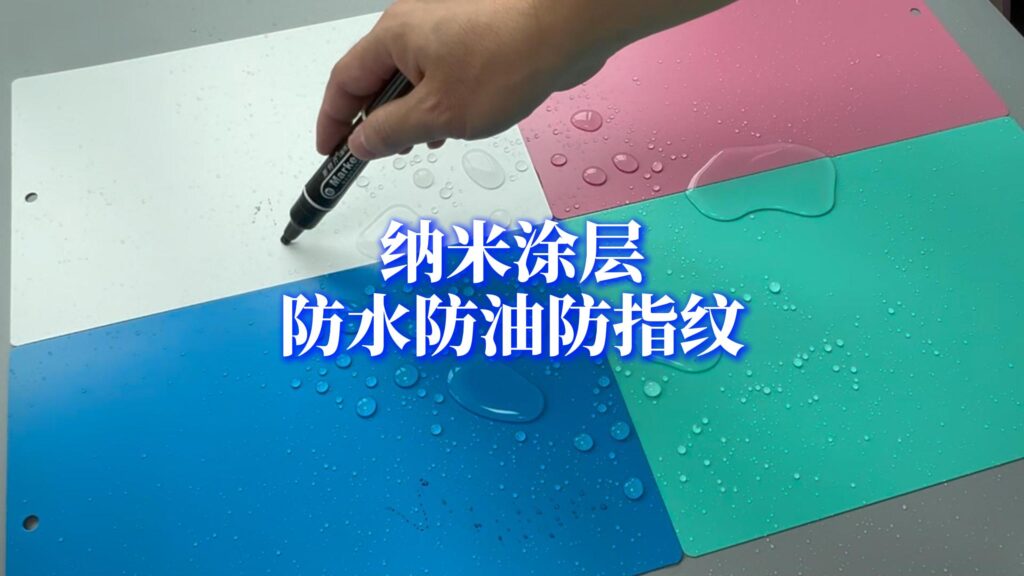
- Apply oil drops and sprinkle dust on the panel to observe adhesion.
- Understand real-world engineering case feedback
High-quality dirt-resistant paint can usually withstand prolonged exposure, oil contact, and rain washing.
Summary: Only by making a scientific choice can you achieve true antifouling performance
Different scenarios should be matched with different types of anti-fouling paint, architectural anti-fouling coating, industrial anti-fouling coating.
Truly high-quality products must simultaneously possess:
- high-density paint film
- hydrophobic and oleophobic effect
- excellent weather resistance
- high hardness
- Environmentally friendly, safe
- Good workability
Only by integrating these indicators can long-term surface cleanliness be ensured, coating service life be extended, and maintenance costs be reduced.