1K paints and 2K paints differ significantly in film-forming mechanism, application method, performance, and field of use. This article systematically analyzes the definitions, structures, performance comparison, key application points, and typical applications of the two, helping users make more scientific choices in industrial, automotive, and architectural coating.
I. What is 1K paint
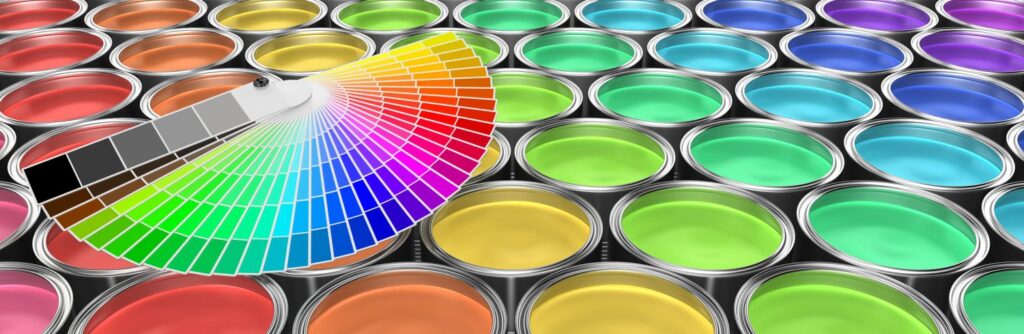
1K paint, also known as single-component paint, refers to a coating system that can be applied directly without the need to add a curing agent or catalyst during use. Its film-forming process mainly relies on solvent evaporation, oxidative drying, or physical drying.
In traditional architectural painting, light anti-corrosion coating, and general decoration fields, 1K paints are widely used due to their easy application and low usage threshold. Common types include alkyd paints, acrylic one-component paints, and some modified resin coatings.
II. What is 2K paint
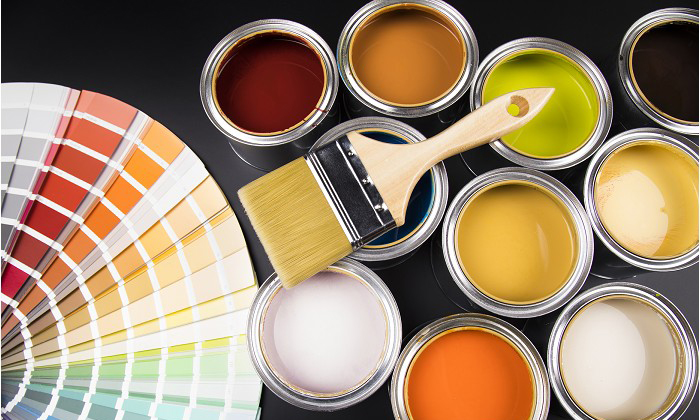
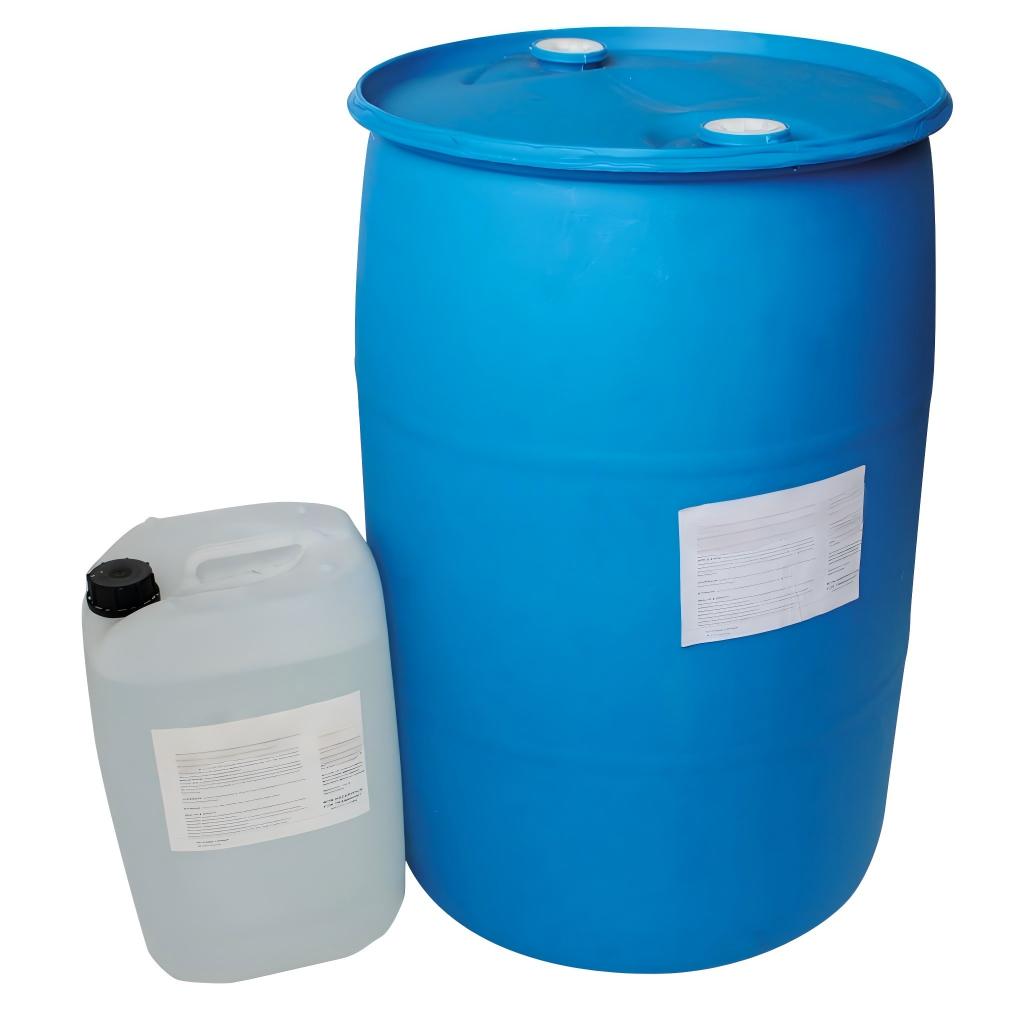
2K paint is two-component paint, composed of two parts: the base paint and the hardener, which need to be mixed in proportion before application. 2K paint forms a dense paint film through a chemical cross-linking reaction, resulting in a more stable film structure and more comprehensive performance.
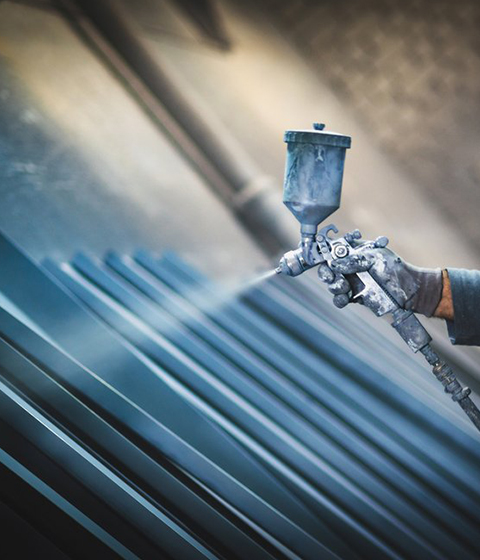
In the fields of automotive refinish coatings, industrial anticorrosion, mechanical equipment, heavy-duty anticorrosion, and high-end decoration, 2K paints have become the mainstream choice, such as two-component polyurethane paints and two-component epoxy paints.


III. Core Differences Between 1K and 2K Paints
1. Different film-forming mechanisms
1K paint relies on physical drying or oxidation to form a film, with a relatively loose film structure;
2K paint forms a film through chemical cross-linking reactions, resulting in a dense and highly stable film.
2. Performance Differences
In terms of abrasion resistance, chemical resistance, and weather resistance, 2K paints are significantly superior to 1K paints. 2K paints do not easily chalk or crack during long-term use, making them suitable for demanding environments.
3. Comparison of Construction Complexity
1K paint is easy to apply, ready to use right out of the can, and requires lower technical skill from construction personnel;
2K paint requires precise mixing ratios and has higher demands on application time, mixing proportion, and environmental conditions.
4. Service Life and Maintenance Cost
The service life of 2K paints is typically 1.5–3 times that of 1K paints; although the initial cost is higher, the long-term maintenance cost is lower.
IV. In-Depth Comparison Across Performance Dimensions
| Comparison Dimension | 1K Paint | 2K Paint |
|---|---|---|
| Adhesion | Medium | Excellent |
| Chemical Resistance | Fair | Extremely Strong |
| Weather Resistance | Medium | High |
| Hardness | Lower | High |
| Film Density | Fair | Extremely High |
V. Analysis of Typical Application Scenarios
1K paint application fields
- interior decorative coating
- metal surfaces in low-corrosion environments
- Temporary or short-cycle coating projects
- cost-sensitive engineering

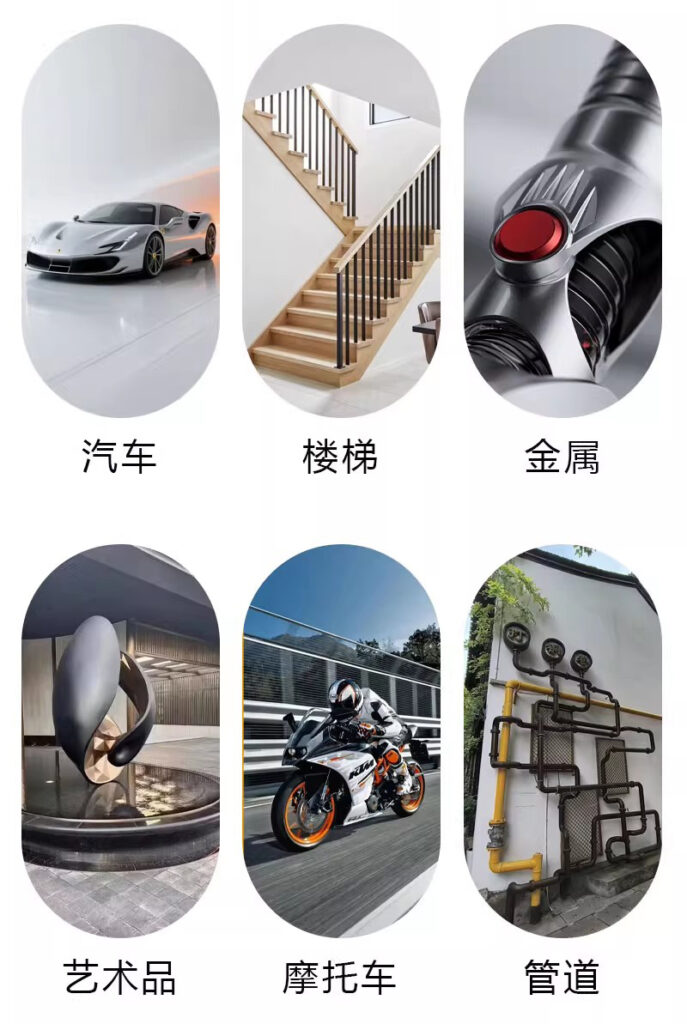
Application areas for 2K paints
- OEM automotive paint and refinish paint
- Industrial Equipment and Machinery Protection
- Steel structure and heavy-duty anti-corrosion engineering
- High-end commercial space coating
VI. How to Select 1K or 2K Paint in Actual Projects
When selecting a paint system, factors such as service environment, expected service life, application conditions, and budget should be comprehensively considered. For projects with long-term exposure to outdoor or chemical environments, 2K paints offer greater advantages; whereas in scenarios demanding high application efficiency and with relatively limited performance requirements, 1K paints remain competitive.
VII. Frequently Asked Questions (FAQ)
Q1: Can 1K paint replace 2K paint?
In low-performance-requirement scenarios, it can, but in environments with high durability and high protection demands, it cannot be fully replaced.
Q2: Is 2K paint more environmentally friendly?
Modern 2K paints, through formula optimization, can reduce the frequency of repainting while improving durability, thus offering greater environmental advantages from a lifecycle perspective.
Q3: How long after 2K paint application before it can be used?
Tack-free time is usually short, but full cure requires 24–72 hours, depending on the system and environmental conditions.
Q4: Is 1K paint more suitable for DIY?
Yes, 1K paint is easy to apply and more suitable for non-professional application environments.
VIII. Conclusion
1K paints and 2K paints each have their own advantages, with the core difference lying in film-forming mechanism and performance level. A rational choice of coating system not only enhances the finishing result, but also reduces long-term maintenance costs, bringing higher value to the project.