Introduction: The Opportunity of "China Custom Coatings" under the Global Sourcing Wave
In today's increasingly interconnected global supply chain, China has become the world's most important manufacturing hub. For enterprises seeking cost-effective and specialized coating solutions, the China custom coatings market holds enormous potential. Whether in the fields of construction, automotive, marine, or industrial protection, sourcing custom paint procurement from China through OEM (Original Equipment Manufacturer) or ODM (Original Design Manufacturer) models has become the preferred strategy for many international buyers. This article will provide an in-depth analysis of the complete methodology, key steps, and essential considerations for coatings OEM/ODM from China, ensuring your international coating procurement project proceeds smoothly and successfully.
Part 1: Basic Preparation Before Custom Coating
Successful customization begins with adequate preparation. Before contacting any paint supplier selection, you must clarify the following core requirements:
- Precise Definition of Product Specifications:
- Coating Type: Is it water-based, solvent-based, powder coating, UV-curable, or a special functional coating?
- Application scenarios and substrates: Specify whether the coating will be used on steel, plastic, wood, concrete, or other special materials.
- Performance requirements: Specific technical indicators such as weather resistance, corrosion resistance, adhesion, gloss, and abrasion resistance (e.g., salt spray test must reach 500 hours).
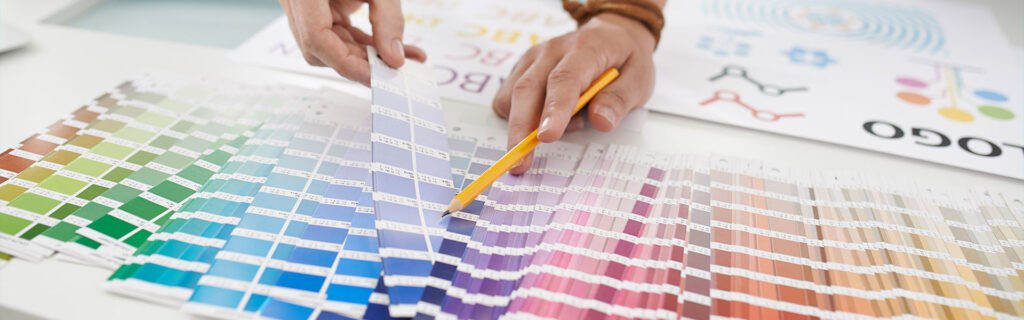
- Color and batch stability: Define clear color standards (e.g., RAL or Pantone), and require the provision of inter-batch color difference control ranges (usually measured using $Delta E$ values).
- Compliance and Eco-Friendly Coating Standards****
- In international trade, the eco-friendly coating standards for coatings are crucial. You need to confirm that the products comply with the regulations of the target sales market, such as the EU's REACH, RoHS directives, the US VOC (Volatile Organic Compounds) limits, or the formaldehyde content standards of various countries.
- Inform China in advance of the international standards to be followed when selecting coating suppliers, which is key to ensuring the smooth customs clearance and sales of future products.

Part 2: Selecting a Qualified "Coating Supplier Selection" (Supplier Screening and Evaluation)
China Custom Coatings market has a large number of suppliers with uneven quality. Finding the right partner is the core of a successful project.
- Preliminary Screening:
- Level of Specialization: Prioritize manufacturers that focus on the specific coating segment you require. For example, if you need marine antifouling paint, you should choose a factory with relevant production experience.
- Certification system: Check whether the supplier has ISO 9001 quality management system certification, ISO 14001 environmental management system certification, etc. For professional applications, such as automotive or aviation, industry-specific certifications also need to be reviewed.
- In-depth Evaluation and Inspection:
- R&D Capability: Custom coating OEM/ODM requires strong R&D capability to formulate recipes. Evaluate their laboratory equipment, number of R&D personnel, and past successful customization cases.
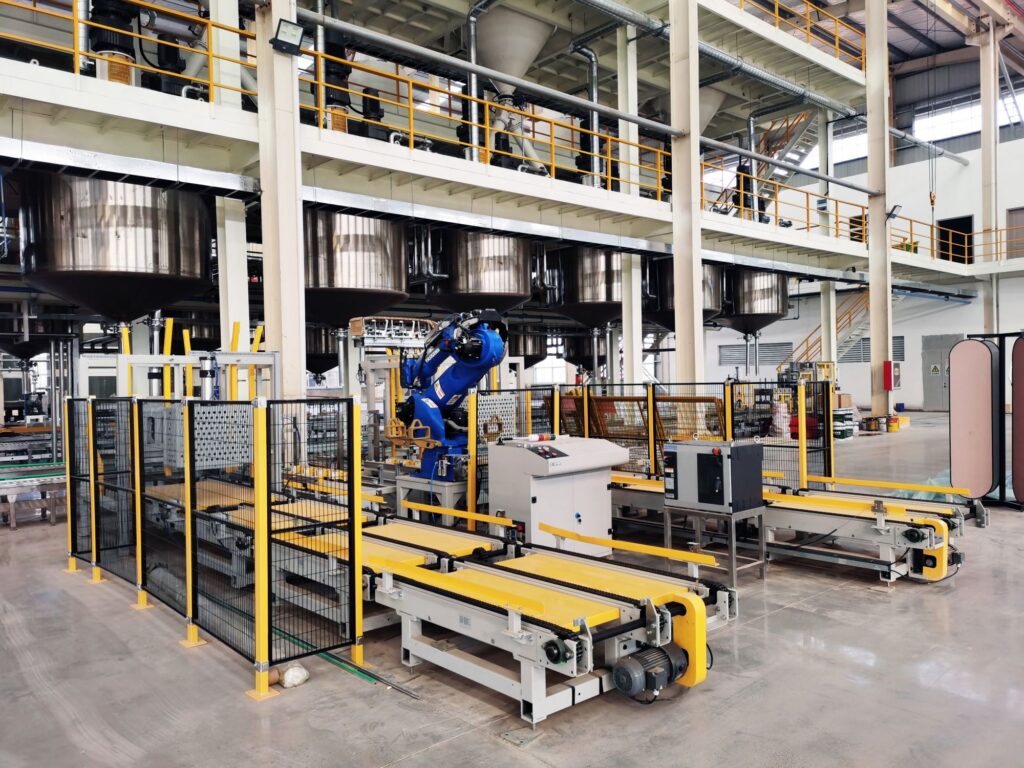
- Production Scale and Capacity: Examine the condition (old or new) of their production line equipment, the level of automation, and whether they can meet your order volume and delivery time requirements.
- Transparency: Excellent suppliers should be willing to share their production processes and coating quality control systems.
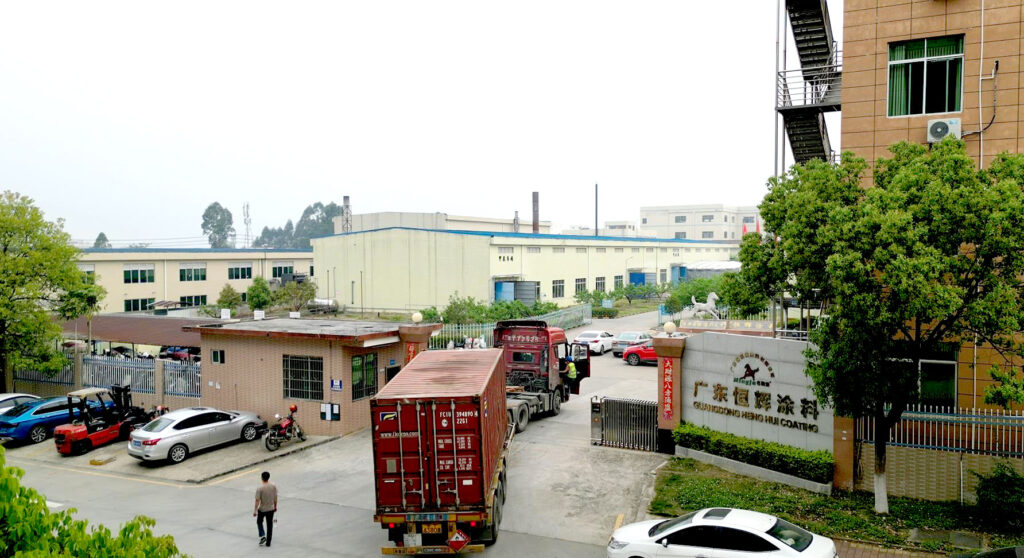
- Geographical location considerations: Coating enterprises in coastal provinces (such as Guangdong, Jiangsu, Zhejiang) usually have more advantages in technology, supply chain, and coating import and export logistics.
Part Three: Ensure coating quality control and sign the contract
Coating Quality Control is the lifeline of China's custom coating procurement. Quality standards must be embedded into legal contracts.
- Sample Confirmation and Baseline Setting:
- The supplier must provide customized samples that meet your technical requirements. Once the samples pass testing and are confirmed, they will become the quality control baseline (Golden Sample) for subsequent mass production.
- The contract must detail all test methods (e.g., ASTM, ISO, GB, etc.) and acceptance criteria.
- Key Contract Terms (Especially for Coatings Import/Export):
- Technical Specifications: Detail formulation, performance, packaging, shelf life, and storage conditions.
- Intellectual Property (IP): If it is your exclusive formula (OEM), the contract must clearly specify the ownership of intellectual property and include confidentiality clauses.
- Delivery and Transportation: Specify the trade terms (e.g., FOB, CIF) for coating import and export, the delivery schedule, and the compensation mechanism in case of delays.
- Payment Terms: A common pattern is T/T (30% advance payment, 70% against copy of B/L).
- Third-party inspection: It is agreed to introduce a third-party inspection agency (such as SGS, Intertek) for random inspection before shipment, which is an important means to ensure paint quality control.
Part Four: Coatings Import and Export and Precautions for International Logistics
Customized coatings are classified as chemicals, and their coating import and export involves complex regulatory and logistics requirements.
- Hazardous Goods Classification and MSDS:
- All exported coatings must provide the latest MSDS (Material Safety Data Sheet). The MSDS is a mandatory document for customs, shipping companies, and destination regulatory authorities.
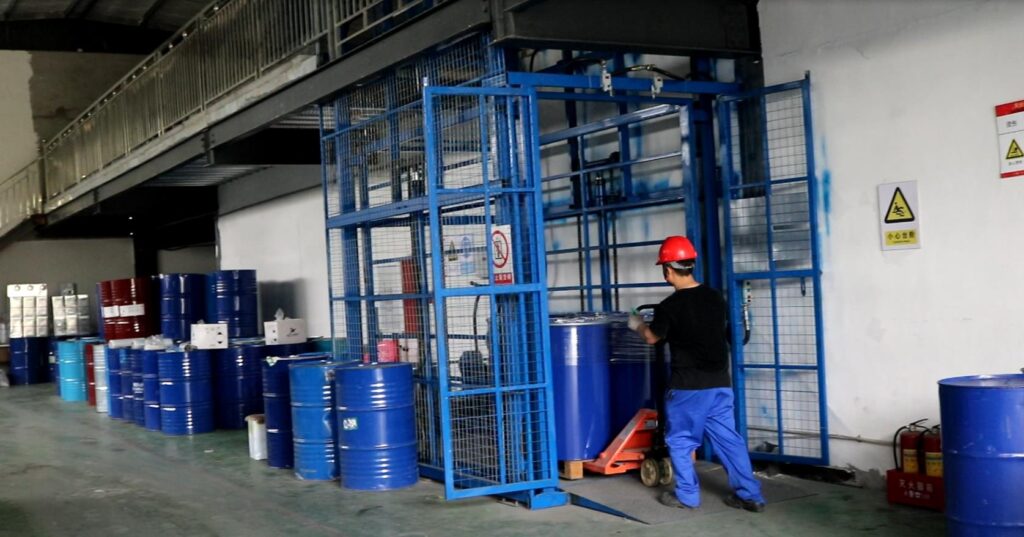
- Depending on its flash point and composition, the coating may be classified as dangerous goods. This will affect freight costs, transit time, and port restrictions.
- Packaging and Labeling:
- Packaging must comply with international shipping standards, including leak-proof, shock-proof, and stacking requirements.
- Labels must include clear hazardous material markings, batch number, production date, shelf life, and instructions in the language of the destination country.
- Tariffs and Taxes:
- Research in advance the tariff rates (HS Code) for custom paint procurement in the target market to avoid budget deviations.

Conclusion: Achieve efficient and reliable procurement of China-customized coatings



Procuring custom paints from China is a systematic project involving multiple aspects such as technology, law, quality management, and international logistics. The secret to success lies in: defining requirements clearly, selecting prudently partners with R&D and paint quality control capabilities, and putting all technical and compliance requirements (especially eco-friendly coating standards) into written contracts. By following these methods and precautions for custom coatings in China, you can effectively leverage China's supply chain advantages and ensure high-quality, cost-effective international coating procurement solutions.