Is varnish the same as clear coat? This article provides a comprehensive analysis of the similarities and differences between clear coat and varnish in terms of chemical composition, function, application method, and field of use, helping readers correctly understand the relationship between the two. It is applicable to the fields of packaging printing, industrial coating, and surface protection.
I. Reasons why varnish and clear coat are often confused
In the coatings, printing, and packaging industries, the terms "varnish" and "clear coat" are often used interchangeably. Especially in non-professional contexts, many people simply assume that varnish is clear coat. This perception is not entirely wrong, but it is not rigorous either.
From the perspective of appearance and effect, both present as transparent, colorless or light-colored coatings. After application, they enhance gloss and form a protective film, so they are highly similar in visual and functional aspects, which is precisely the root of the confusion.


II. What is varnish
Varnish is an important category in traditional coating systems, referring to coatings that contain no pigments or only minimal transparent colorants. Its core functions include:
- Form a transparent protective film
- Enhance the surface gloss of the substrate
- moisture-resistant, anti-corrosive, anti-fouling
- Enhance wear resistance and service life
Common types of varnish include:
- oil-based varnish
- water-based varnish
- polyurethane varnish
- acrylic varnish

Varnish is widely used in wood coating, metal protection, industrial equipment, architectural decoration and other fields, and is a typical industrial and decorative transparent coating.
III. What is varnish
Varnish is a concept that originates more from the printing and packaging industry. Technically speaking, varnish is also a transparent coating material, but its design goals are more focused on:
- Enhance the surface gloss of printed materials
- Enhance color saturation
- Scratch-resistant and abrasion-resistant
- Improve water resistance and stain resistance
Common types of varnish include:
- UV varnish
- water-based varnish
- oil-based varnish
- matte varnish
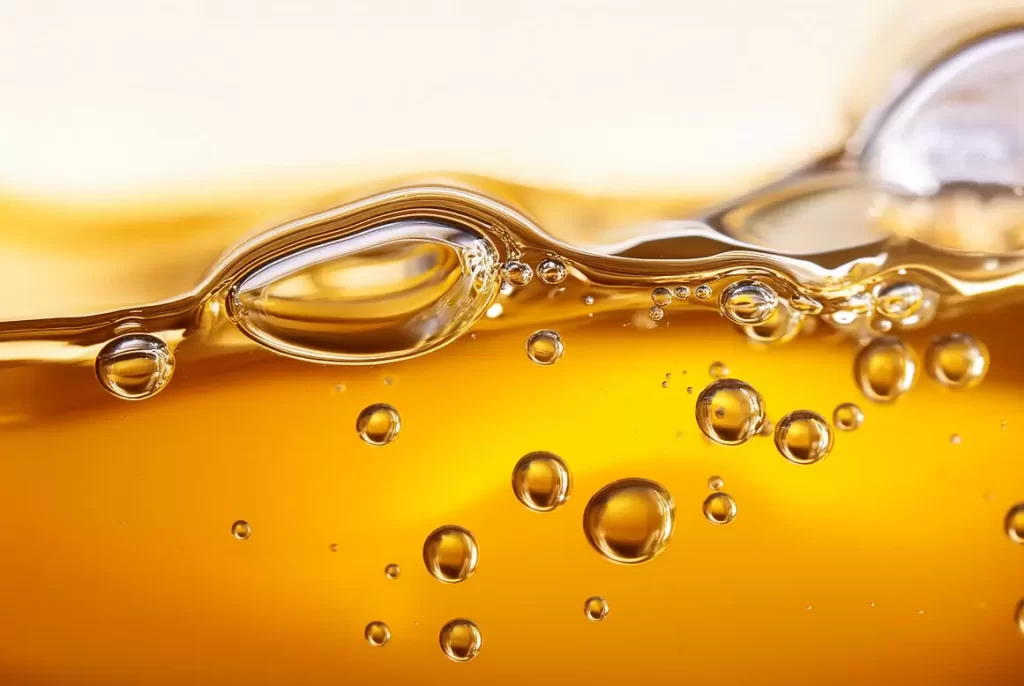
In fields such as paper, labels, folding cartons, catalogues, and flexible packaging, varnish is almost an indispensable post-press surface treatment material.
4. Is varnish the same as clear coat? An accurate answer from a professional perspective
From the perspective of chemical nature and film-forming principle:
Varnish is a subtype of clear coat, but clear coat is not entirely the same as varnish.
In other words:
- Varnish = a clear coating optimized for printing and packaging systems
- Varnish = a general term for transparent coatings covering a broader range of application fields
In the formulation design of varnish, more emphasis is placed on:
- rapid curing
- Compatibility with ink
- thin-film high gloss
- high-efficiency assembly line construction
while traditional industrial varnishes place more emphasis on:
- film thickness
- Mechanical properties
- weather resistance
- long-term protective capability
V. Core Difference Comparison Between Varnish and Clear Coat
| Comparison Dimension | Varnish (Oil Varnish) | Clear Coat |
|---|---|---|
| Application Field | Printing, packaging | Industrial, construction, woodwork |
| Coating Thickness | Relatively thin | Can be thick or thin |
| Curing Method | UV, natural drying | Natural drying, chemical curing |
| Application Speed | Fast | Relatively slow |
| Primary Function | Decoration + light protection | Protection + decoration |
VI. How to Select for Different Application Scenarios
In actual production, whether to choose varnish or clear coat should be determined based on the application scenario:
- Color boxes, brochures, labels: Prioritize UV varnish or water-based varnish.
- Wooden furniture, flooring: Choose polyurethane varnish or water-based varnish
- Metal equipment surfaces: Use industrial protective varnish
- Products with high environmental requirements: Water-based varnish or water-based clear coat has more advantages
VII. Industry Development Trends
As environmental regulations tighten, water-based varnish, water-based lacquer, and low-VOC transparent coatings are gradually becoming the mainstream of the market. At the same time, varnish products continue to extend their functions, such as anti-fingerprint, alcohol resistance, and chemical resistance, enabling them to continuously expand their application boundaries in high-end packaging and industrial niche fields.

FAQ Frequently Asked Questions
Q1: Can varnish be called clear coat?
In a broad sense, yes, but in professional communication, it is recommended to distinguish between the two.
Q2: What is the difference between UV varnish and ordinary clear coat?
UV varnish cures faster and is mainly used on printed surfaces, not suitable for thick-film protection.
Q3: Are water-based varnish and water-based clear coat the same?
The technical principles are similar, but the formulations and application scenarios are different.
Q4: Can varnish be used on printed materials?
Ordinary industrial varnish is not suitable for direct use on printed materials.
Q5: Does varnish have long-term protective capability?
Varnish is mainly for decoration and short-term protection, and is not equivalent to industrial-grade clear coat.