In the contemporary chemical industry, curing agent, as an indispensable chemical additive, plays a key role in resin curing, coating formulations, and composite material manufacturing. Curing agent production factories achieve large-scale, high-quality production through advanced production processes, becoming the core support of the entire industry chain. This article systematically elaborates on the basic concepts of curing agents, types of curing agents, the operational processes of production factories, major application fields, well-known chemical manufacturers, safety regulations, and industry prospects, providing professional reference for chemical industry practitioners and enterprises.
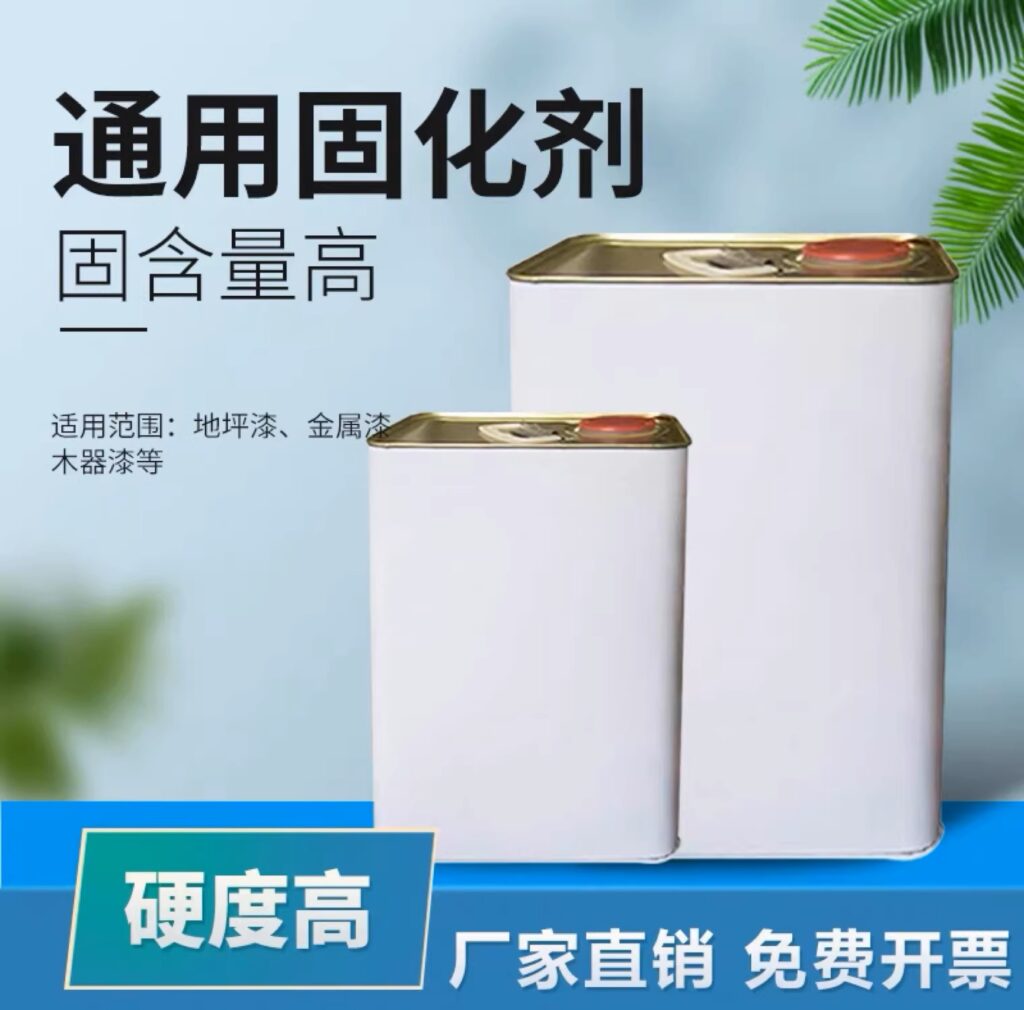
Basic Concepts and Importance of Curing Agents
Curing agent, also known as hardener or crosslinking agent, is a substance that can chemically react with the base resin to promote its transition from a liquid state to a solid crosslinked network. Common types of curing agents include amine curing agents, acid anhydride curing agents, and isocyanate curing agents. Among them, epoxy curing agents are widely favored for their excellent adhesion and chemical resistance, while polyurethane curing agents are known for their flexibility and weather resistance. These curing agents significantly improve the mechanical properties, heat resistance, and corrosion resistance of materials, driving technological progress in multiple industries.
Curing agent production factories have developed rapidly due to global industrialization demands. According to the latest industry report, the global curing agent market has exceeded 80 billion RMB, maintaining an annual growth rate of over 6%. This growth is mainly driven by the rapid expansion of emerging application fields such as new energy vehicles, wind turbine blades, and electronic encapsulation. Chemical manufacturers are increasingly focusing on greening and intelligentization when building production factories to cope with environmental regulations and market competition.
Detailed Explanation of the Production Process at Curing Agent Manufacturing Plants
Curing agent production process generally includes four main stages: raw material pretreatment, chemical synthesis, post-treatment refining, and packaging and storage/transportation. The production factory first conducts strict inspection and proportioning of raw materials; for example, amine raw materials require moisture content control, and anhydride raw materials must avoid deliquescence.
The core synthesis stage is carried out in a closed reaction kettle. Taking epoxy curing agent as an example, polyamine and epichlorohydrin undergo an addition reaction under the action of a catalyst, requiring precise control of temperature, pressure, and stirring speed to avoid the formation of by-products. The production of polyurethane curing agent mostly adopts a continuous method, reacting isocyanate with polyol under nitrogen protection. Modern production plants widely apply DCS distributed control systems to achieve fully automated monitoring of the production process, ensuring stable product quality between batches.
The post-processing stage includes neutralization, washing, distillation, and filtration processes to remove unreacted monomers and impurities, improving product purity. Finally, qualified curing agent is tested and filled into iron drums or IBC tanks, and labeled with detailed tags. The entire production process cycle varies depending on the curing agent type, ranging from a few hours to several days. Leading chemical manufacturers have reduced energy consumption by more than 20% through process optimization.
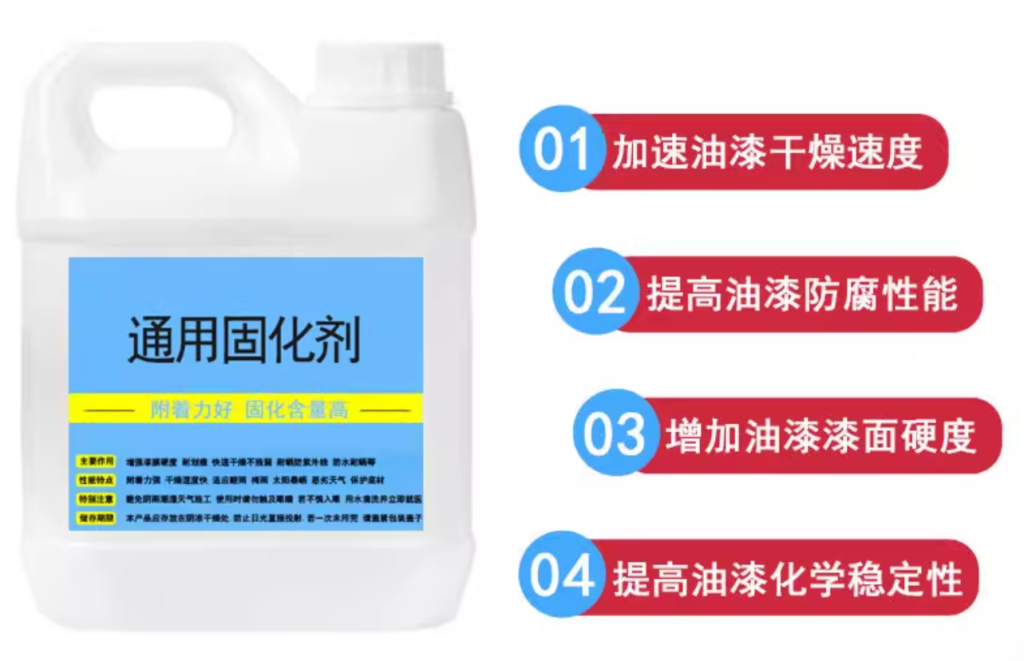
Key equipment and technology upgrades at the production plant
Curing agent production factory's core chemical equipment includes stainless steel reactors, vacuum distillation columns, high-shear mixers, filters, and drying systems. These devices must be corrosion-resistant, high-temperature and high-pressure tolerant to accommodate strongly exothermic reaction requirements.
In recent years, digital transformation has become a hot topic in the industry. Many production factories have introduced IoT sensors and big data analytics platforms to achieve predictive maintenance of equipment and optimization of process parameters. At the same time, the development of low-VOC and water-based curing agents has driven the transformation of green production processes. For example, the use of bio-based epoxy curing agents has significantly reduced the carbon footprint. The field of polyurethane curing agents has seen the emergence of solvent-free technologies and fast-curing formulations to meet the needs of efficient construction. These technology upgrades make curing agent production factories more competitive in the industry outlook.
Major Application Fields and Typical Cases of Curing Agents
Curing agent's application fields cover multiple industries such as construction, transportation, electronics, and energy. In the construction field, epoxy curing agent is widely used in self-leveling flooring, structural reinforcement adhesives, and anti-corrosion coatings. In the transportation field, polyurethane curing agent is applied to automotive interior foams, sealants, and lightweight composite materials. In wind turbine blade manufacturing, high-performance epoxy curing agent ensures the strength and fatigue resistance of large blades.
The electronics industry has particularly stringent requirements for curing agents. Low-halogen epoxy curing agents are used in chip packaging and circuit board potting, providing excellent insulation and heat dissipation performance. Emerging 5G base stations and new energy vehicle batteries also extensively adopt specialized curing agents. A typical case is a domestic chemical manufacturer that supplied high-toughness curing agents for a high-speed rail project, significantly enhancing the impact resistance of carbon fiber composite materials and advancing the localization process.
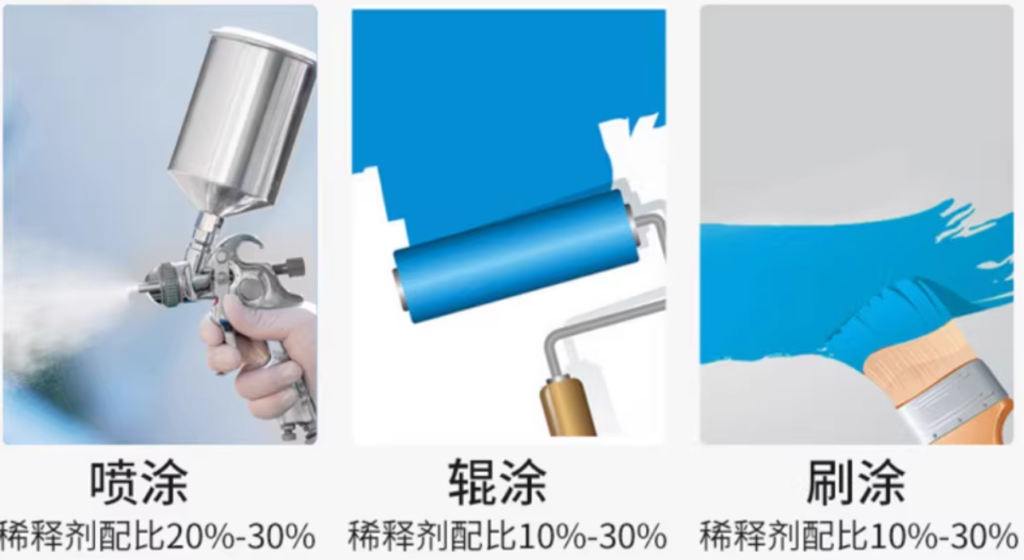
Introduction to Well-Known Domestic and International Curing Agent Chemical Manufacturers
The world's leading chemical manufacturers include Huntsman (USA), BASF (Germany), Mitsui Chemicals (Japan), as well as Wanhua Chemical and Huitian New Materials (China). These companies operate multiple large curing agent production plants, with products covering the full range of curing agent types. Huntsman's epoxy curing agents hold a significant share in the aerospace sector, while Wanhua Chemical has achieved global leadership in the polyurethane curing agent field.
In China, clusters of curing agent production factories have formed in regions such as Jiangsu, Zhejiang, and Shandong. Many small and medium-sized enterprises focus on niche markets and continuously innovate through cooperation with downstream partners. When selecting curing agents, enterprises should pay attention to the supplier's R&D capability, quality certifications (such as ISO9001, REACH), and supply chain stability.
Safety regulations and environmental requirements for curing agent manufacturing plants
Safety regulations are the top priority of a curing agent production plant. Since it involves flammable, explosive, and toxic raw materials, the plant must strictly implement national hazardous chemical management regulations, including the dual prevention mechanism, emergency plans, and regular drills. Key measures include: improving ventilation and detoxification systems, equipping leak detection and alarm devices, and providing employees with professional protective equipment.
In terms of environmental protection, newly built production factories must pass environmental impact assessments, and waste gas and wastewater must achieve compliant discharge or recycling. Many enterprises have already adopted clean production technologies to minimize the emission of "three wastes" (waste gas, wastewater, and solid waste). With the advancement of the "dual carbon" goals, green curing agents will become the mainstream.
Curing Agent Industry Prospects Outlook
Benefiting from the upgrading of downstream industries, the curing agent market is expected to maintain rapid growth over the next five years. New energy vehicles, wind and solar photovoltaics, and electronic information will become the main driving forces. As the world's largest producer and consumer, China will play a leading role in the industry outlook. Enterprises should seize the opportunity to increase R&D investment and develop high-performance, environmentally friendly curing agent products.

FAQ: Common Questions and Answers for Curing Agent Manufacturing Plants
- What is the main function of a curing agent?Curing agent mainly promotes the cross-linking and curing of resin, enhancing the strength, durability, and functionality of the material.
- What are the key steps in the curing agent production process? Including raw material pretreatment, chemical synthesis, post-treatment refining, and packaging and storage/transportation, to ensure product quality.
- What is the difference between epoxy curing agents and polyurethane curing agents?Epoxy curing agents provide high rigidity and chemical resistance, while polyurethane curing agents offer excellent flexibility and weather resistance.
- What are the main application fields of curing agents? Widely used in construction, transportation, electronics, energy, and other application fields.
- How to choose a reliable curing agent chemical manufacturer? Pay attention to the qualifications, R&D strength, and product quality stability of well-known chemical manufacturers.
- What safety regulations must a curing agent production factory comply with? It is mandatory to implement hazardous chemical safety regulations, including emergency plans and protective measures.
- What is the prospect of the curing agent industry?Industry prospects are broad, driven by new energy and high-end manufacturing, with huge growth potential.
- What are the common types of curing agents? The main curing agent types include amines, acid anhydrides, isocyanates, etc.