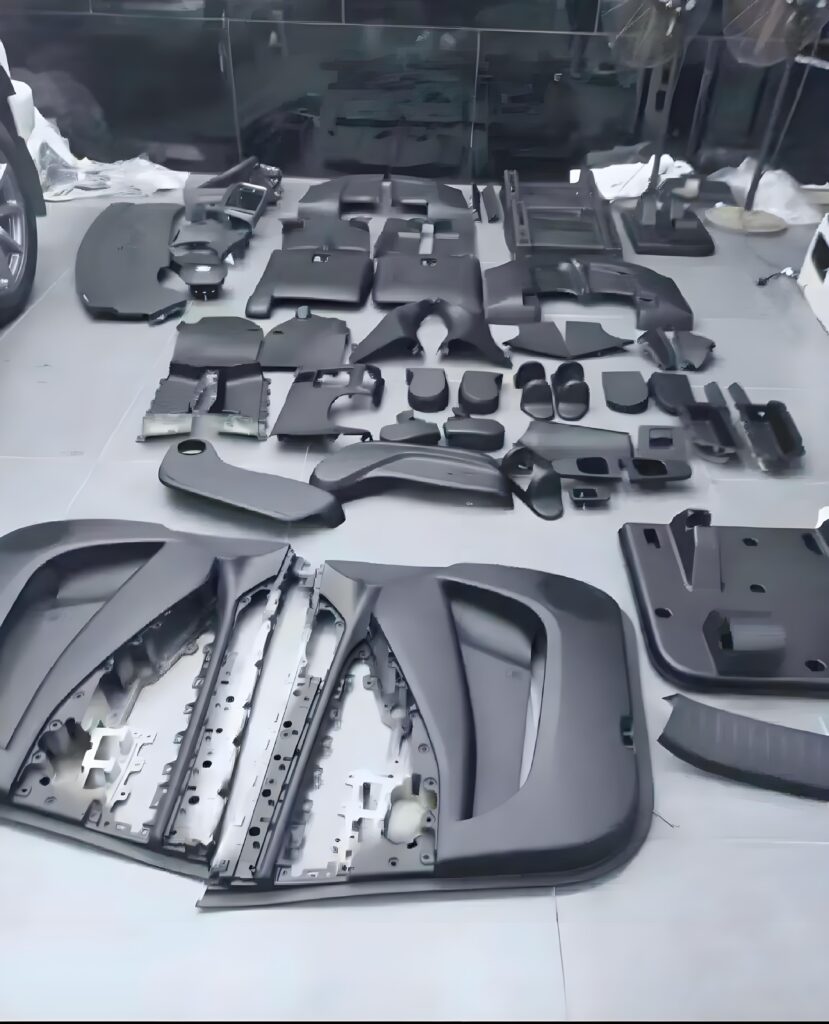
With the widespread use of plastic products in the automotive, home appliance, electronics, and consumer goods sectors, how to endow plastic surfaces with higher decorativeness and durability has become a key issue for the coating industry. Plastic painting not only improves appearance and texture, but also enhances scratch resistance, weather resistance, and corrosion protection. This article provides a detailed overview of the plastic painting process, precautions, and common problem solutions.
I. Purpose and Advantages of Plastic Spray Painting
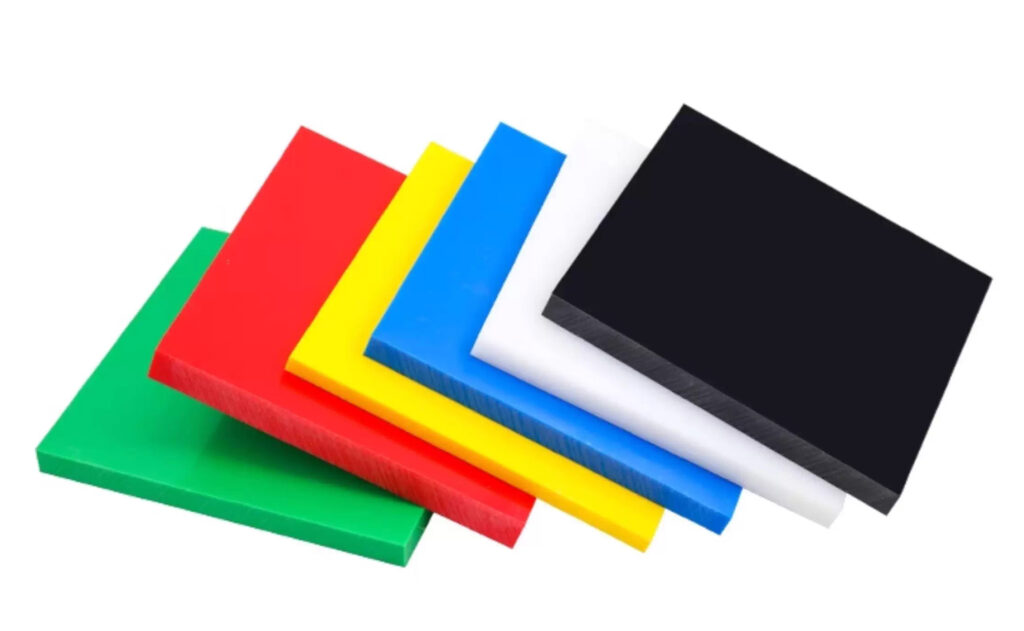
Plastic materials themselves have low surface energy and poor adhesion, and are prone to aging or discoloration. Through painting, they can not only be given a metallic texture, glossy or matte finish, but also enhanced UV resistance, abrasion resistance and moisture resistance. For example, automotive interior parts, mobile phone housings, and appliance panels all adopt painting processes to improve product grade and tactile feel.
II. Surface Pretreatment Before Spraying
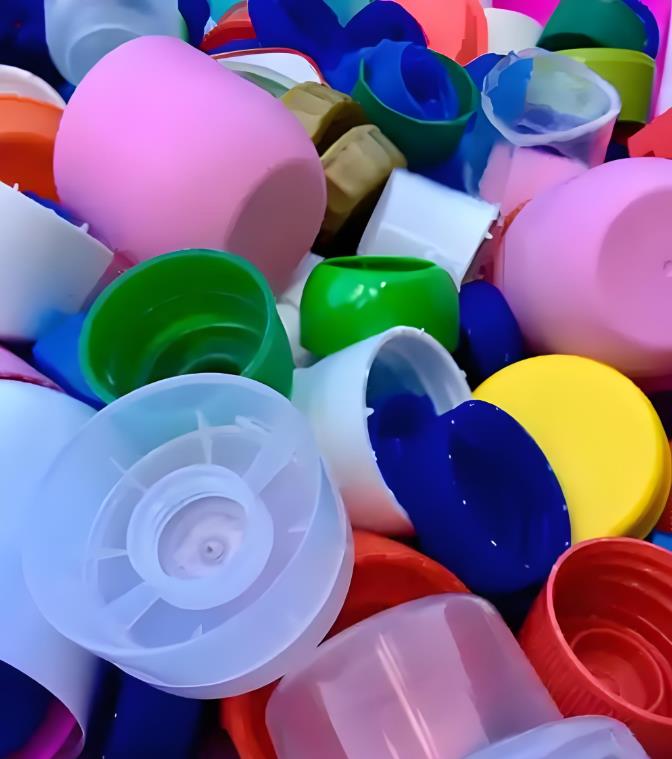
The key to plastic painting lies in pre-treatment. First, the plastic surface should undergo degreasing cleaning to remove oil stains and release agents. Then use flame treatment or plasma treatment to increase surface activity so that the paint can adhere firmly. For materials such as ABS and PP, a dedicated primer can be used to promote adhesion.
After treatment, the surface must be kept dry and clean to avoid dust, moisture, or static adhesion, preventing particles or pinholes after spraying.
III. Primer Spraying and Baking
The primer serves to enhance adhesion and fill micro-pores. When spraying the primer, control the spray gun pressure and distance, apply multiple thin coats to avoid sagging. After completion, bake at 60°C to 80°C for 20 to 30 minutes to fully cure the primer and provide a good base for the topcoat.
IV. Topcoat Spraying and Effect Adjustment
The topcoat is the key layer that determines appearance and performance. Depending on product requirements, you can choose high-gloss paint, matte paint, metallic paint, or rubber paint, etc. When spraying, keep it even, and it is recommended to complete it in two to three passes:
- Apply a light first coat to form an adhesion layer;
- The second layer is thickened to enhance coverage and color saturation;
- The third layer can be used to enhance gloss or thickness as required.
After the topcoat is sprayed, it should be placed in an oven and cured at 60°C to 70°C for about 30 minutes to make the paint film dense in structure and enhance its abrasion resistance.
V. Optional Topcoat Clear Varnish Spraying
To achieve stronger weather resistance and scratch resistance, a layer of transparent clear coat can be sprayed on top of the topcoat. The clear coat not only enhances gloss but also protects the underlying paint film from damage by ultraviolet rays or friction. If used for outdoor products, it is recommended to select a clear coat formulation containing UV absorbers.

VI. Frequently Asked Questions and Solutions
- Paint bubbling: The cause is mostly surface moisture or high humidity in the spraying environment; ensure it is dry.
- Sagging: Spraying too thickly or from too close a distance; need to adjust spray gun pressure and speed.
- Poor adhesion: Insufficient pretreatment or mismatched primer; dedicated primer must be used and surface activation performed.
VII. Conclusion
Plastic spray painting is a key process for transforming ordinary plastic products into high-end products. Through scientific pretreatment, appropriate coating systems, and strict curing processes, plastic surfaces can not only achieve rich color effects but also possess excellent durability and protective performance.