High temperature and high humidity in summer are the "natural enemies" of automotive painting. As a professional automotive paint manufacturer, we provide an in-depth analysis of common summer application issues such as pinholing, loss of gloss, and dry spray, along with expert recommendations on auxiliary material selection, to ensure your paint finish remains smooth as a mirror even in extreme heat.
Entering summer, extreme high temperatures (exceeding 30°C) and drastically fluctuating humidity pose severe challenges to automotive painting. If the construction plan is not adjusted, the paint surface is highly prone to blistering (solvent pops), loss of gloss, dry spray, or sagging. As an automotive paint manufacturer, we have compiled four core precautions for summer construction for you.
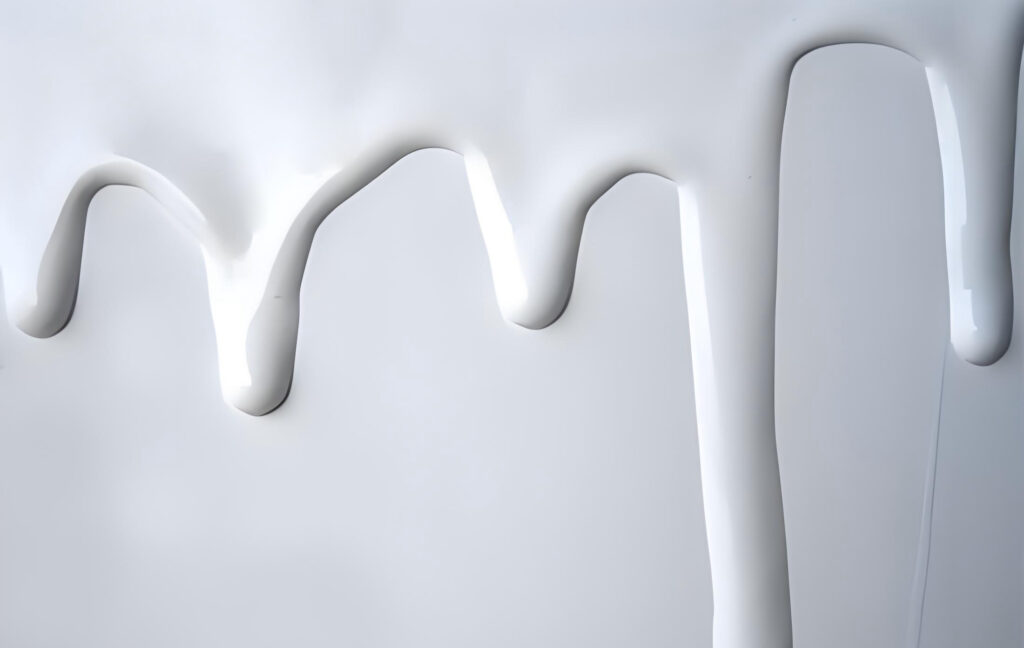
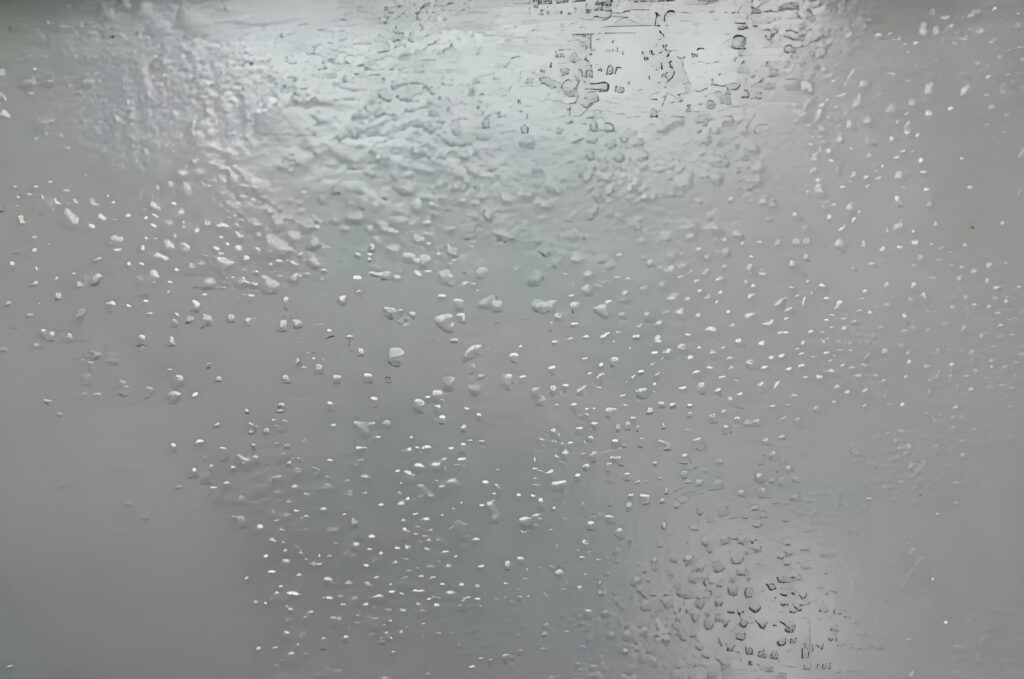
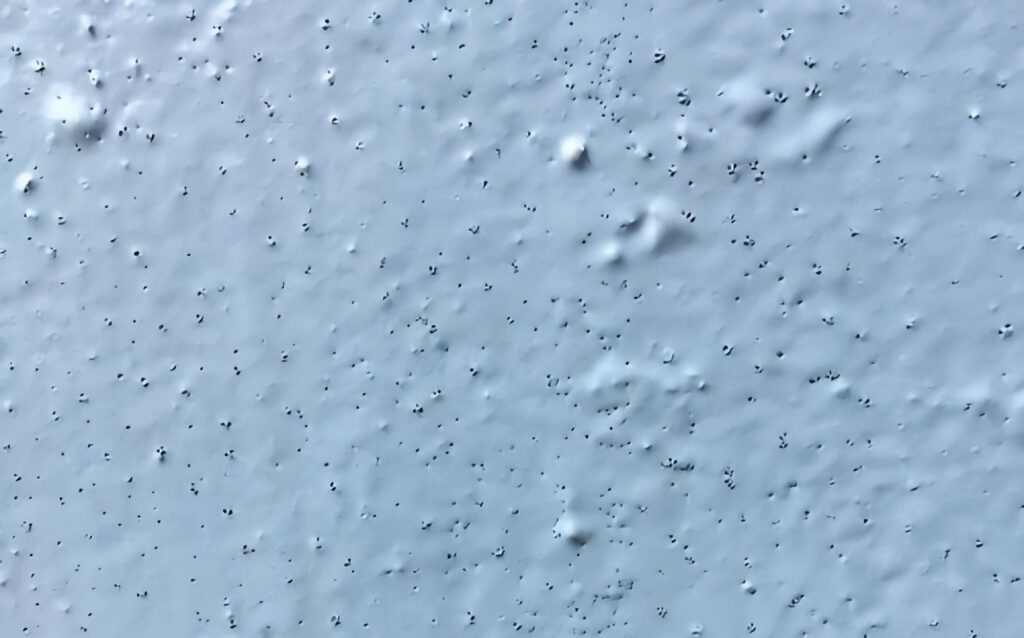
1. Core Secret: Switch to Slow-Evaporating Auxiliary Materials In high-temperature environments, solvents evaporate extremely fast, and the paint film surface skins over rapidly, preventing internal solvents from escaping and forming "pinholes".
- Slow-drying curing agent: Delays the cross-linking time of the paint film, ensuring the paint film has sufficient leveling space.
- Slow-drying thinner: This is essential for summer construction. It effectively slows down solvent evaporation, prevents the "dry powder" phenomenon during spraying, and enhances the fullness and gloss of the paint surface.
2. Adjust Spraying Technique
- Spray gun travel speed: Under high temperature, the spray gun travel should be appropriately accelerated to avoid sagging caused by excessively thick coating in a single area (because high temperature reduces paint viscosity).
- Overlap width: Appropriately increase the spray overlap area to ensure the paint film remains wet and prevent obvious lap marks.
3. Environmental Monitoring and Construction Time Selection
- Avoid high-temperature periods: Try to choose early morning or evening when the temperature is lower for spraying operations.
- Hygrometer: Prepare hygrometers in the paint mixing room and baking paint room. When the humidity exceeds 80%, be sure to use blushing retarder (anti-humidity agent) in combination to prevent the paint surface from blushing and losing gloss.
4. Drainage Treatment of Compressed Air In summer, the air is humid, and the air compressor tank is highly prone to water accumulation. If oil-water separation is incomplete, "water-oil spots" generated during spraying will completely ruin the entire paint surface. Before construction, it is necessary to inspect and drain the accumulated water in the air compressor and pipelines.
5. Flash-off time should be flexible Although high temperature shortens the flash-off time, it is still necessary to ensure that each coat of paint reaches the "touch-dry" state before spraying the next coat. Excessive pursuit of speed will cause the solvent in the lower layer to be sealed inside, leading to later paint surface sagging.

Conclusion: Summer construction is a dual test of product stability and technical experience. By reasonably pairing our slow-drying series auxiliary materials and following scientific processes, you can easily meet high-temperature challenges and maintain perfect construction quality.