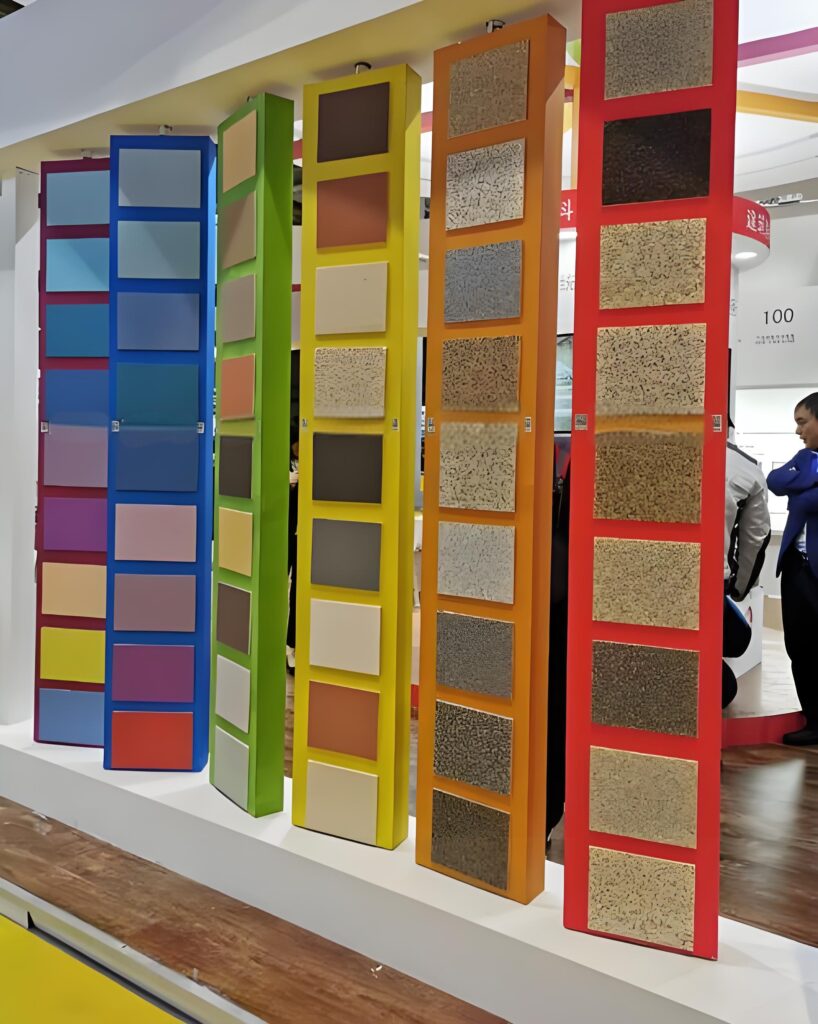
In modern industrial environments, the floor is not merely a walking surface, but a critical component of production infrastructure. From the vibration of heavy machinery to the frequent back-and-forth of forklifts, to accidental chemical spills, industrial floors face severe challenges. Choosing the right industrial epoxy floor paint is not only for aesthetics, but also for safety, durability, and improved operational efficiency.


Why is epoxy flooring the gold standard in the industry? Epoxy resin systems are favored by global manufacturing for the following core advantages:
- High mechanical strength: After curing, the epoxy resin forms a hard surface that can withstand heavy loads and wear.
- Excellent chemical resistance: It provides an impermeable barrier against oil, acids, and solvents, preventing concrete from being eroded.
- Dust-free and hygienic: By sealing porous concrete, epoxy flooring completely eliminates the "concrete dusting" phenomenon, which is crucial for the electronics and pharmaceutical industries.
Key Factors for Successful Construction
- Surface preparation: The adhesion of the coating depends on the substrate. Professional grinding or shot blasting is essential to open the capillary pores of the concrete.
- Moisture content test: Excessive moisture in concrete can cause coating bubbling. Ensure the floor is dry before construction.
- Multi-layer coating strategy: A standard high-performance flooring includes a primer for enhanced adhesion, a middle mortar layer for impact resistance, and a topcoat for UV resistance or chemical stability.
Application Scenarios
- Warehousing & Logistics: High-gloss finish improves visibility and withstands forklift friction.
- Manufacturing Plant: Specialized anti-static (ESD) flooring for sensitive equipment.
- Food and Beverage: Seamless flooring prevents bacterial growth and is easy to clean thoroughly.
Conclusion Investing in high-quality industrial floor coatings is a long-term strategy. It can significantly reduce maintenance downtime, enhance workplace safety, and protect your most valuable asset—your production facility.