In the hardware manufacturing industry, the choice between button paint and metal coating often directly determines the product's appearance, durability, and market competitiveness. Especially in application scenarios such as garment accessories, appliance buttons, and bag hardware, the characteristics of different metal substrates vary significantly, making coating selection need to balance wear resistance, adhesion, corrosion resistance, and environmental requirements. The following content will systematically analyze the classification of button paints, the process characteristics of metal coatings, and provide selection ideas that are more aligned with actual production.
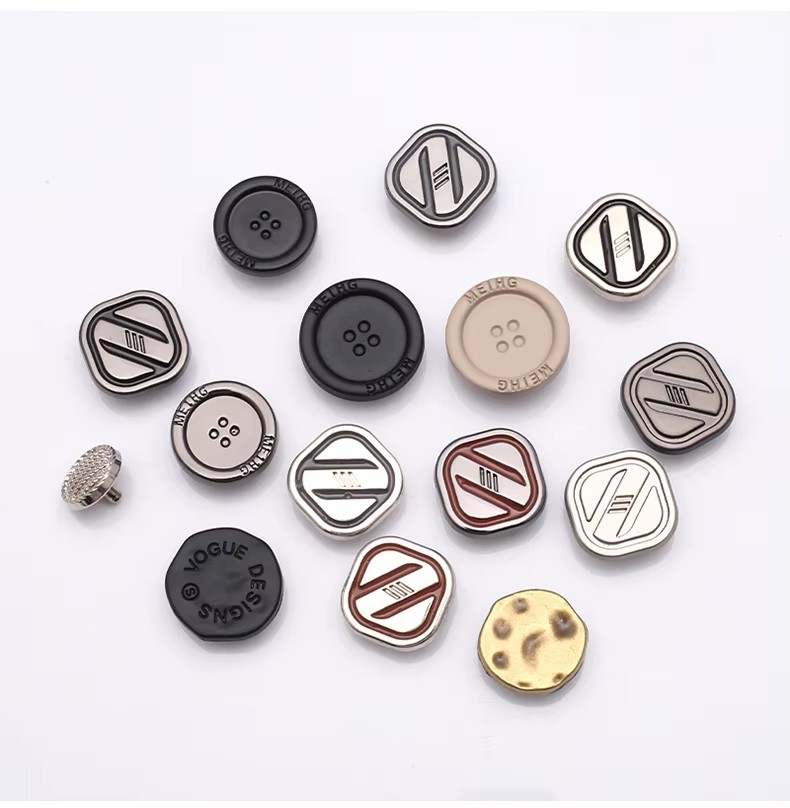
I. The Importance of Button Paint: Not Just Color, But Also Performance Protection
Buttons are exposed to hand sweat, moisture, and friction environments for a long time, thus placing higher demands on the metal coating.
Common pain points include:
- Surface fading and paint peeling
- Metal oxidation or rusting
- Substrate exposed after abrasion
- Environmental testing failed
These issues often stem from insufficient compatibility between the coating and substrate or improper process control. Therefore, selecting industrial coatings with high adhesion, wear resistance, and anti-corrosion properties is a critical step that cannot be skipped in button coating.
II. Different button materials require corresponding adjustments in coating selection
Button substrates typically include:
1. Zinc alloy buttons
- Advantages: good formability and moderate cost
- Disadvantages: high surface activity, prone to oxidation
- Recommended: epoxy primer + polyurethane topcoat structure to improve adhesion and corrosion resistance.
2. Stainless Steel Buttons
- Advantages: corrosion resistance, sweat corrosion resistance
- Disadvantage: smooth surface makes adhesion difficult.
- Recommended: acid etching treatment + high-adhesion metal protective paint.
3. Copper or Brass Buttons
- Advantages: Excellent texture
- Disadvantage: prone to forming patina.
- Recommended: Anti-corrosion paint combined with transparent topcoat to prevent oxidation and discoloration.
Because surface energies vary among different substrates, forcibly using the same type of industrial coating across them often leads to issues such as paint peeling and flaking; therefore, precise coating selection is key to ensuring product stability.
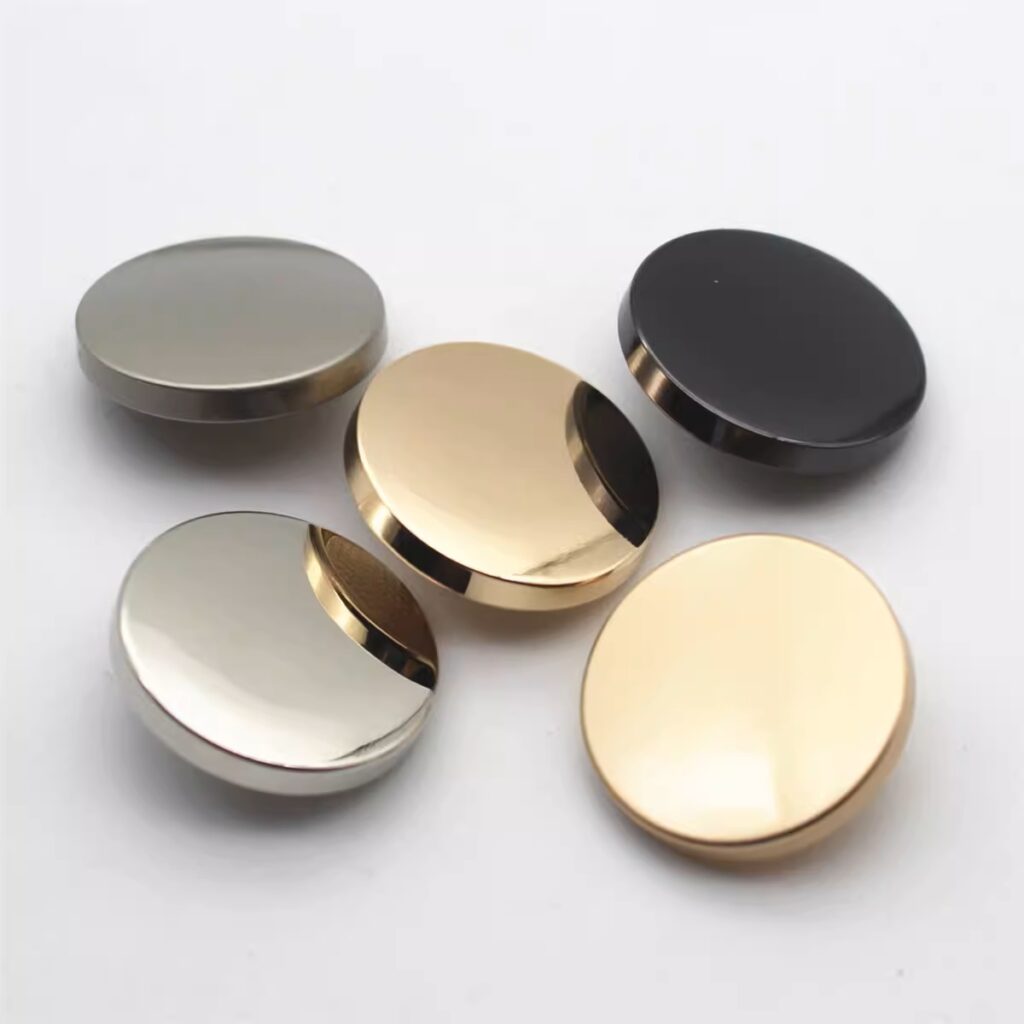
3. Common Types of Button Paint and Their Advantages
1. Polyurethane (PU) Topcoat
- Saturated color and fine, smooth texture
- Highly wear-resistant
Suitable for buttons on clothing, bags, and other items with high-frequency contact.
2. Epoxy Primer
- Corrosion resistance, strong adhesion
- Used as a stable base for metal coatings
Usually used in conjunction with PU or acrylic topcoats.
3. Acrylic Topcoat (AC)
- High color stability
- Yellowing resistant
Suitable for button surfaces with light-colored and transparent enhancement effects.
4. Metal protective paint (transparent topcoat)
- Maintain metallic texture
- Sweat-resistant, scratch-resistant
Mostly used for protecting electroplated surfaces or brushed metal appearances.
IV. Key Indicators of Metallic Coatings

In the hardware industry, a "good coating" must balance the following indicators:
1. High Adhesion
Poor adhesion renders even the best coating performance meaningless. Professional metal protective paints can effectively enhance durability.
2. Corrosion Resistance (Salt Spray Test)
Buttons are frequently exposed to sweat, which is highly saline; it is necessary to ensure the anti-corrosion paint meets a sufficiently high salt spray resistance rating.
3. Wear Resistance
Buttons endure significant friction daily, and wear-resistant paint can reduce surface wear.
4. Environmental Standards (RoHS / REACH)
The coating must ensure it is free of heavy metals and harmful volatile substances, and meets export and domestic testing requirements.
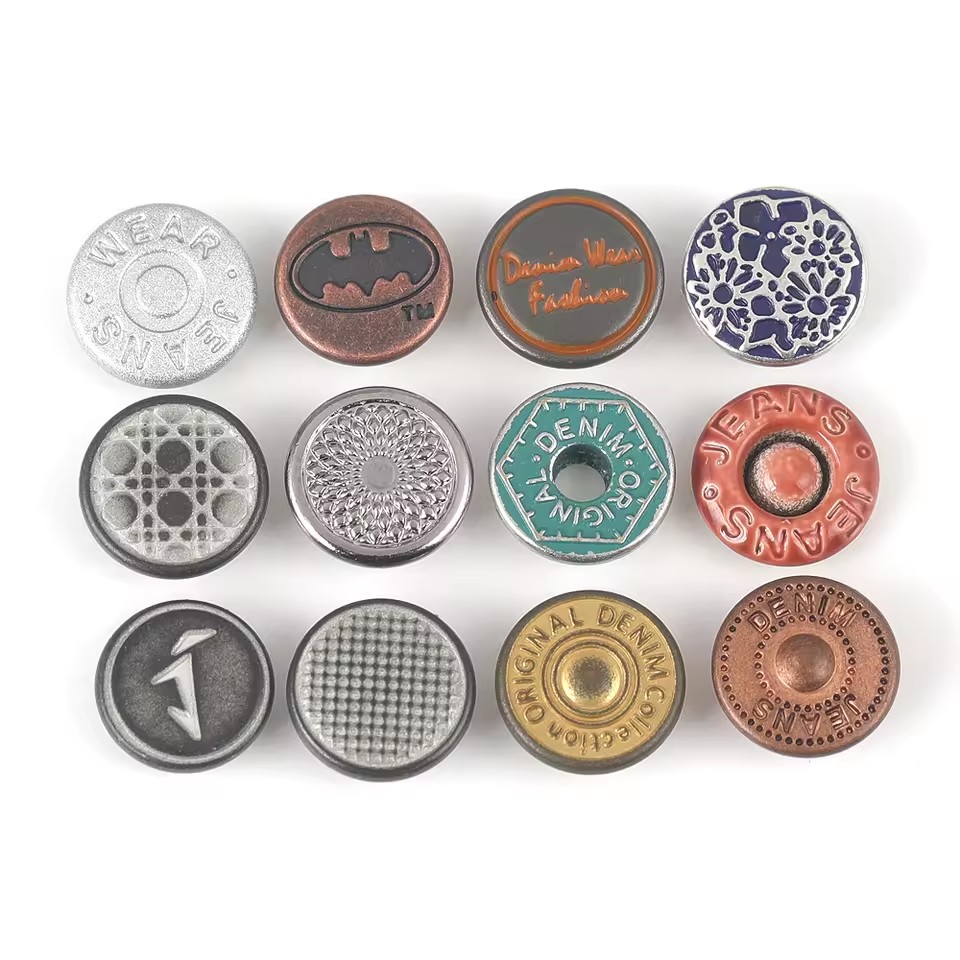
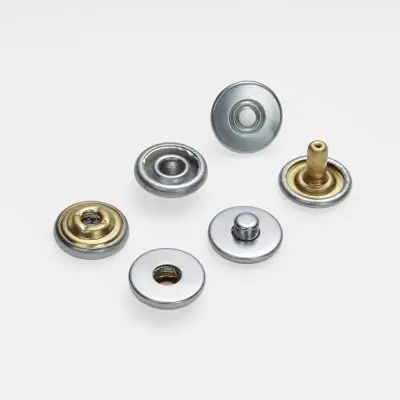
5. How to choose the right button paint?
The following provides a set of general selection principles applicable to most hardware manufacturing factories:
1. Choose paint based on the substrate, not the other way around
For zinc alloys, a compatible primer must be used; for stainless steel, adhesion must be prioritized.
2. Look at the application scenario intensity
- Garment buttons: primarily wear-resistant.
- Luggage hardware: primarily scratch-resistant
- Electrical appliance buttons: primarily chemical resistance
- Outdoor hardware: primarily corrosion-resistant.
3. Confirm environmental requirements
For export to the EU, it is mandatory to choose industrial coatings that have passed RoHS and REACH.
4. Do not overlook surface treatment
Shot blasting, degreasing, phosphating, and other pre-treatments are the foundation for obtaining a durable coating.
5. Choose a mature and stable paint formula
High-quality hardware coatings exhibit good stability and coating leveling properties, making them suitable for large-scale mass production.
VI. Conclusion
Selecting suitable button paints and metal coatings is a crucial step in ensuring the appearance, quality, and durability of hardware products. By correctly identifying the substrate, understanding coating properties, considering the application scenario, and complying with environmental regulations, the product can achieve better performance and stand out in a highly competitive market.