Fluorocarbon coating paint, with its excellent weather resistance, corrosion resistance, and long-term color retention, is widely used on building exteriors, steel structures, and high-end projects, making it an ideal choice for highly durable coating solutions.
I. What is a fluorocarbon coating paint?
Fluorocarbon coating paint is a class of high-performance industrial and architectural coatings with fluorocarbon resin (PVDF, FEVE, etc.) as the core film-forming substance. Due to the extremely high chemical stability of the fluorine-carbon bond, fluorocarbon paint is significantly superior to ordinary acrylic, polyurethane, and epoxy paints in weatherability, chemical corrosion resistance, and color retention.
In practical engineering, fluorocarbon coating systems typically adopt a primer + intermediate coat + topcoat configuration to form a dense, stable, and durable protective layer, and are widely used in high-end building exteriors, steel structures, bridges, curtain wall aluminum panels, and heavy-duty anti-corrosion projects.
II. How is the fluorocarbon coating paint? Core performance analysis
1. Excellent weather resistance
The greatest advantage of fluorocarbon coating paint lies in its long-term weather resistance. Under complex environments such as intense UV radiation, high temperature, high humidity, acid rain, and salt spray, the coating is resistant to chalking, cracking, and fading. High-quality fluorocarbon paint can maintain stable performance outdoors for over 15–25 years, which is also a key reason why high-end buildings prefer fluorocarbon coatings.
2. Excellent corrosion resistance and chemical resistance
Fluorocarbon coatings exhibit exceptional resistance to acids, alkalis, salts, solvents, and industrial pollutant gases. In highly corrosive environments such as coastal areas, chemical plant zones, and industrial parks, fluorocarbon paint coatings can effectively extend the service life of substrates and reduce long-term maintenance costs.
3. Excellent decorative effect and color retention
The fluorocarbon coating features a fine, smooth surface with stable gloss, and can present various effects such as matte, semi-gloss, and high-gloss. It exhibits excellent color retention, maintaining vivid color even after long-term outdoor exposure, without noticeable color difference or gloss loss.
4. Strong surface self-cleaning property
Fluorocarbon coating has low surface energy, making it difficult for dust and pollutants to adhere; rainwater can wash away surface stains, giving it excellent self-cleaning ability. This property is especially important for exterior walls of high-rise buildings and large public buildings.
III. Comparison of Fluorocarbon Coatings with Other Common Coatings
Compared with conventional acrylic paints, fluorocarbon coatings are significantly superior in weatherability, corrosion resistance and color retention; compared with polyurethane coatings, fluorocarbon coatings offer better long-term outdoor stability and UV resistance; and compared with epoxy coatings, fluorocarbon coatings are more suitable for direct outdoor exposure.
Although the initial cost of fluorocarbon coating paint is higher, from a whole-life-cycle cost perspective, its low maintenance frequency and long renovation cycle make its overall cost-effectiveness more prominent.
IV. Typical Application Fields of Fluorocarbon Coating Paint Films
- Building Exterior Walls and Curtain Wall Systems
High-rise buildings, commercial complexes, airports, stadiums, and other projects widely adopt fluorocarbon paint coatings to ensure long-term aesthetics and structural protection. - Steel Structures and Bridge Engineering
Fluorocarbon paint can effectively resist wind and rain erosion, UV aging, and industrial corrosion, extending the service life of steel structures. - Aluminum veneer and metal decorative panels
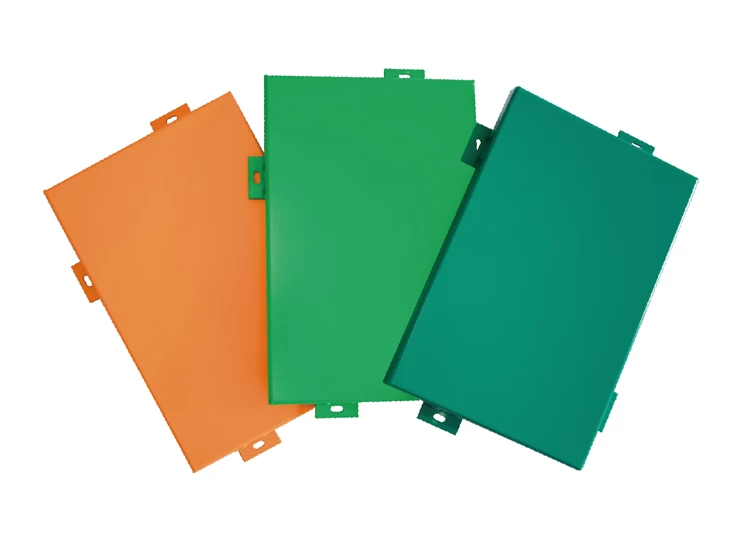
Fluorocarbon coating is maturely applied on the surface of aluminum veneer and is the mainstream solution for high-end curtain wall decoration. - Coastal and Heavy Anti-Corrosion Environments
In areas such as port facilities, offshore equipment, and chemical plant buildings, the demand for fluorocarbon paint coatings continues to grow.

V. Brief Analysis of Key Points for Fluorocarbon Coating Application
A high-quality fluorocarbon coating system depends not only on the material itself but also heavily on application quality. Substrate preparation, film thickness control, selection of the compatible coating system, and environmental conditions all directly affect the final result. Standardized application ensures the coating performance is fully realized and extends service life.
VI. Service Life and Maintenance of Fluorocarbon Coating Paint Films
Under normal environmental and standard construction conditions, the service life of fluorocarbon coating systems can exceed 15 years, with some high-end systems even surpassing 25 years. Routine maintenance mainly involves surface cleaning, requiring no frequent repainting, which significantly reduces long-term maintenance costs.

VII. FAQ – Frequently Asked Questions
Q1: Is fluorocarbon paint coating suitable for all buildings?
A: Fluorocarbon paint is more suitable for building projects with high requirements for weather resistance and decoration. General residential buildings can be selected based on budget and design needs.
Q2: Why is the price of fluorocarbon paint relatively high?
A: The raw material cost of fluorocarbon resin is high and the production process requirements are strict, but its long-term use value is significant.
Q3: Can fluorocarbon paint be used indoors?
A: Technically feasible, but its performance advantages are mainly manifested in outdoor environments, and it is usually unnecessary to use it indoors.
Q4: Is the fluorocarbon paint coating environmentally friendly?
A: Compliant fluorocarbon paint meets relevant environmental standards and is suitable for modern construction projects.