In the fields of home renovation and industrial painting, water-based paint and oil-based paint are two common coating choices. They differ significantly in composition, performance, and environmental friendliness. This article will delve into the comparison between water-based paint and oil-based paint, helping you understand their respective pros and cons, suitable applications, and providing practical advice. Whether you are a DIY enthusiast or a professional contractor, this guide can offer you valuable reference.
Basic characteristics of water-based paint
Water-based paint, also known as latex paint or water-borne coating, uses water as the thinning agent, with main components including resin, pigments, and additives. This type of coating contains no harmful solvents such as benzene or formaldehyde, thus excelling in the environmental friendliness of water-based paint. According to national environmental standards, the volatile organic compound (VOC) content of water-based paint is far lower than that of oil-based paint, typically below 50g/L. This makes it the preferred choice for modern home decoration.
The advantages of water-based paint include:
- Fast drying: Usually surface-dry in 1-2 hours at room temperature, and fully dry within 24 hours, convenient for multi-layer painting.
- Low odor: Almost no pungent smell during construction, suitable for indoor use, especially for households with elderly or children.
- Easy to clean: Tools and stains can be washed with water, reducing the use of chemical solvents.
- Various colors: Water-based paint has stable colors and is not prone to fading, suitable for walls, furniture, and artistic creation.
However, water-based paint also has some limitations. For example, in terms of durability of water-based paint, it is not as hard as oil-based paint and is easily affected by moisture or scratches. In humid environments such as bathrooms or kitchens, water-based paint may develop mold or peeling problems.

Basic characteristics of oil-based paints
Oil-based paint, also known as solvent-based coating, uses organic solvents (such as turpentine or mineral oil) as thinners. Its ingredients include oils, resins, and pigments, providing higher gloss and adhesion. The durability of oil-based paint is its biggest highlight, as it can form a tough coating that resists wear and chemical corrosion.
The advantages of oil-based paints include:
- High gloss: Provides a mirror-like smooth finish, suitable for doors and windows, metal surfaces, and outdoor furniture.
- Waterproof and rust-proof: Superior in oil-based paint waterproofing performance, suitable for humid or exposed environments, such as ship or bridge coating.
- Strong adhesion: Can firmly adhere to various substrates, including wood, metal, and plastic.
- Good weather resistance: Resistant to UV and temperature changes, maintaining color and protection for a long time.
Drawbacks are also obvious: environmental concerns with oil-based paint are prominent, with VOC content reaching over 500g/L, releasing harmful gases during application that may cause dizziness or respiratory discomfort. Drying time is long, usually taking several days for full curing, and cleaning requires solvents, increasing cost and environmental burden.
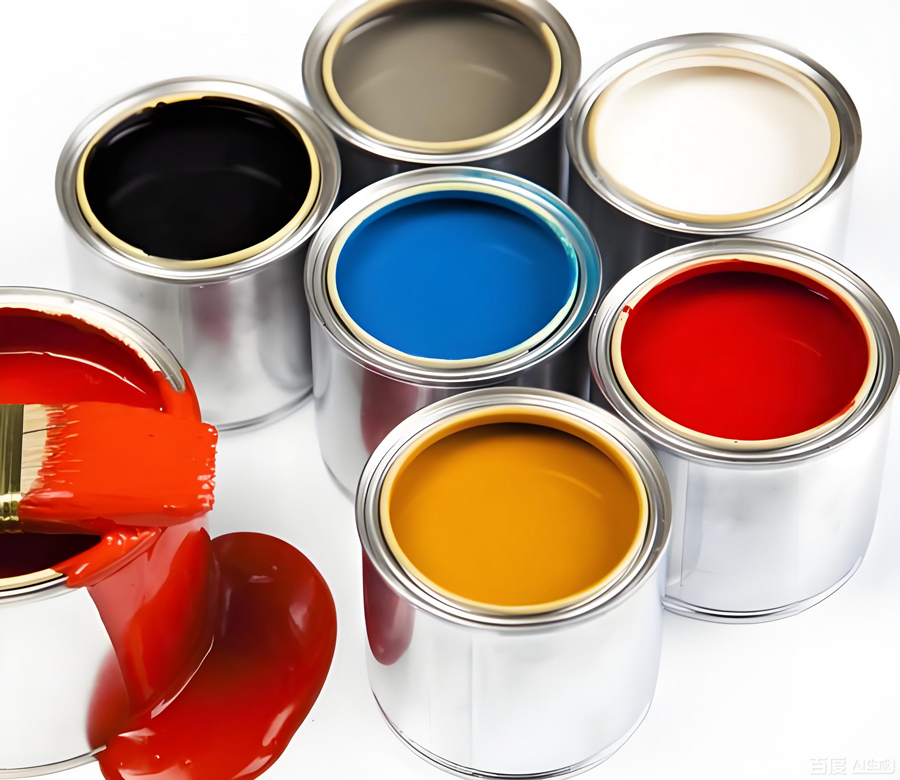
Water-based vs. Oil-based Paints: Key Dimension Analysis
1. Comparison of Environmental Performance
In the Comparison between Water-based Paint and Oil-based Paint, environmental protection is the primary consideration. Water-based paint complies with the EU REACH standard and China's GB 18582-2008 limit requirements for harmful substances in indoor decorative and renovation materials, and is almost non-toxic and odorless. In contrast, oil-based paint contains benzene compounds and heavy metals, and long-term exposure may affect health. According to data from the World Health Organization (WHO), high-VOC coatings are one of the main sources of indoor air pollution. Choosing water-based paint can significantly reduce the risk of decoration pollution.
2. Durability and Performance Comparison
Oil-based paint durability is stronger, with a coating hardness of 2H-3H, while water-based paint is typically HB-1H. This means oil-based paint is more reliable outdoors or in high-wear areas. However, water-based paint wins in flexibility and is less prone to cracking. Test data shows that under the same conditions, the scratch resistance of oil-based paint can reach 1.5 times that of water-based paint.
3. Comparison of Application Convenience
Water-based paint is easy to apply, thinned with water, and can be operated with a brush or roller. Oil-based paint requires professional tools and protective equipment, and needs up to one week of ventilation after application. In terms of cost, the painting cost of water-based paint is about 10–20 RMB per square meter, while oil-based paint is 15–30 RMB, but the latter has a longer service life.
4. Application Scenario Comparison
- Interior decoration: Prioritize water-based, eco-friendly paint types, such as for walls and ceilings.
- Outdoor painting: Choose oil-based waterproof paint type, such as fences, iron gates.
- Special use: Can be mixed for furniture refurbishment, but compatibility should be noted.
In the comparison of water-based paint prices and oil-based paint prices, water-based paint has become more affordable due to advancements in production technology. Market research shows that China's water-based paint market share exceeded 60% in 2023.
How to choose the right paint?
Consider budget, environment, and needs when choosing. If you pursue water-based paint eco-friendliness and quick move-in, water-based is the ideal choice; if you need oil-based paint durability and high-end gloss, oil-based is more suitable. It is recommended to consult professional coating brands such as Dulux or Nippon Paint, which offer a variety of water-based vs. oil-based paint comparison products.



FAQ: Frequently Asked Questions
- Which is more environmentally friendly, water-based paint or oil-based paint? Water-based paint is more environmentally friendly because it uses water as a solvent, has low VOC content, and is friendly to humans and the environment.
- How long is the drying time for oil-based paint? Oil-based paint takes 4-6 hours to become touch-dry, and may take 24-48 hours to fully dry, depending on temperature and humidity.
- Can water-based paint be used on metal surfaces? Yes, but primer treatment is required to enhance adhesion. Water-based paint's waterproof performance is inferior to oil-based paint, and it is recommended for indoor use.
- How to remove the smell of oil-based paint? Ventilation is key; you can use activated charcoal or an air purifier. Avoid working in enclosed spaces.
- Is water-based paint more expensive than oil-based paint? Usually water-based paint is similarly priced or slightly cheaper, but high-end products depend on the brand.
- Can the two paints be mixed for use? Mixing is not recommended, as it may cause chemical reactions and coating failure. It is suggested to use compatible products in layers.
- How to test the durability of oil-based paint? Evaluated through scratch testing or salt spray testing. Professional laboratories can provide data.
- Is water-based paint suitable for children's rooms? Yes, its low odor and non-toxic properties make it the top choice for eco-friendly water-based paint.
Conclusion
Through the comparison between water-based paint and oil-based paint, we can see that water-based paint leads in environmental friendliness and convenience, while oil-based paint has the advantage in durability and water resistance. The final choice depends on your specific needs. It is recommended to check product certifications before purchasing and conduct a small-area test. Hope this article helps you make an informed decision. If you have more questions, feel free to leave a comment for discussion.