Automotive refinish paint is not only key to repairing vehicle exterior damage, but also an important part of automotive beautification and maintenance. With the development of the automotive industry, refinish paint technology has advanced continuously—from traditional solvent-based paints to eco-friendly waterborne paints, and further to high-gloss ceramic coatings—making the choice of refinish paints increasingly diverse. This article explores the types, application processes, and future trends of automotive refinish paints to help car owners and repair technicians make informed choices.
Types of Refinish Paint
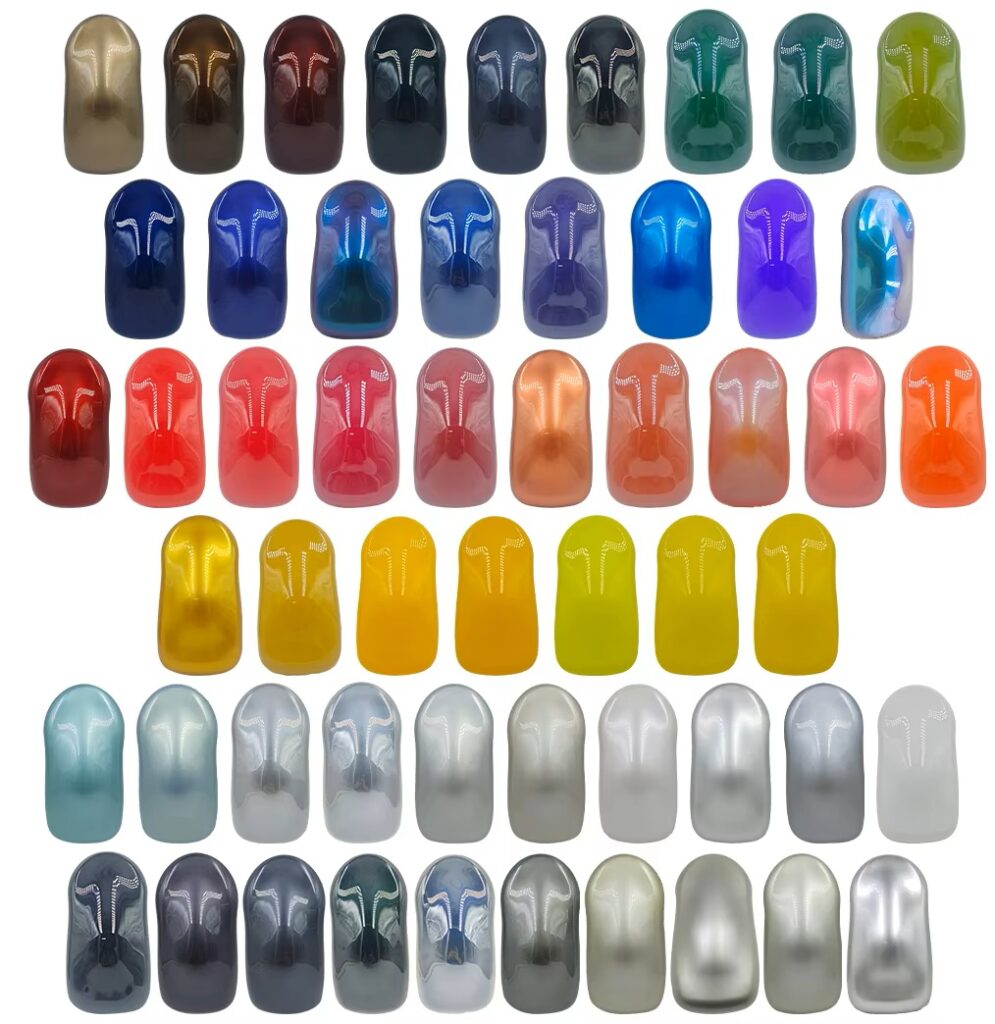
Automotive refinish paint is mainly divided into solvent-based paint, water-based paint, and powder paint. Solvent-based paint dries quickly and has strong adhesion, but contains volatile organic compounds (VOCs), making it unfriendly to the environment. Water-based paint uses water as a diluent, offering high environmental friendliness and low VOC emissions, but it takes longer to dry. Powder paint is applied via electrostatic spraying, is solvent-free with zero VOCs, and is suitable for mass production, but has lower repair flexibility.

Application Process
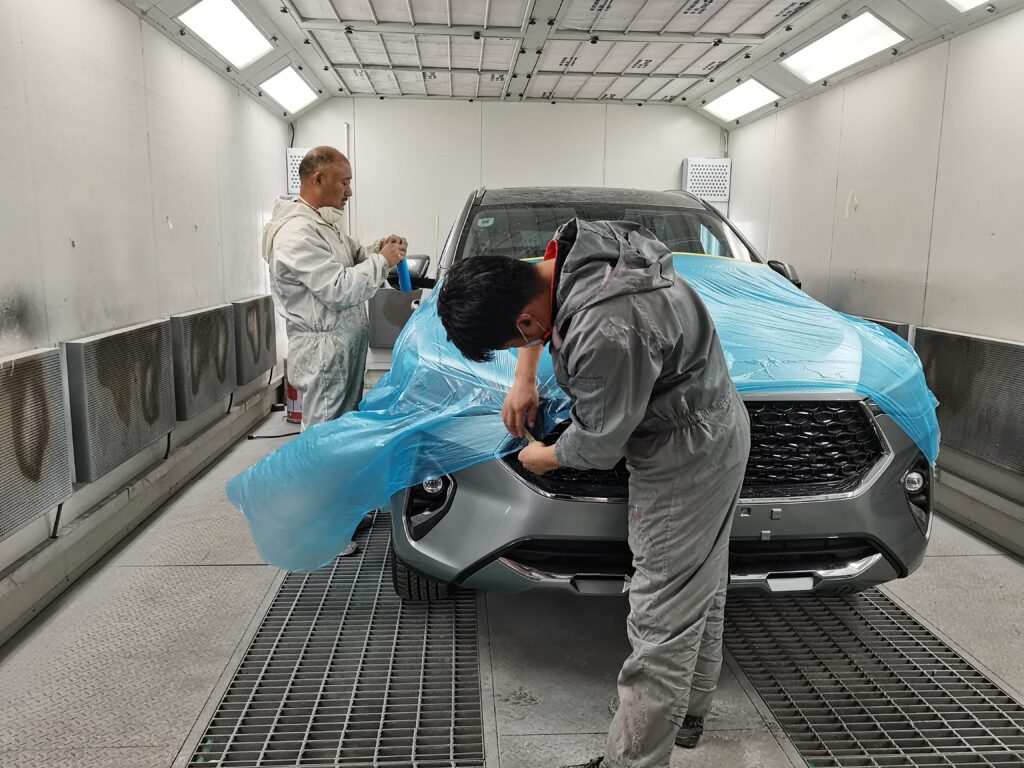
The application of automotive refinish paint includes surface preparation, primer spraying, basecoat painting, and clearcoat protection. First, the damaged area must be thoroughly cleaned and sanded to ensure a smooth surface. Then, apply primer to enhance adhesion and prevent rust. Next, apply the basecoat to match the original vehicle color, and finally cover with a clearcoat layer to provide gloss and durability. The entire process requires professional equipment and techniques to avoid color mismatch and bubbles.

Future Trends
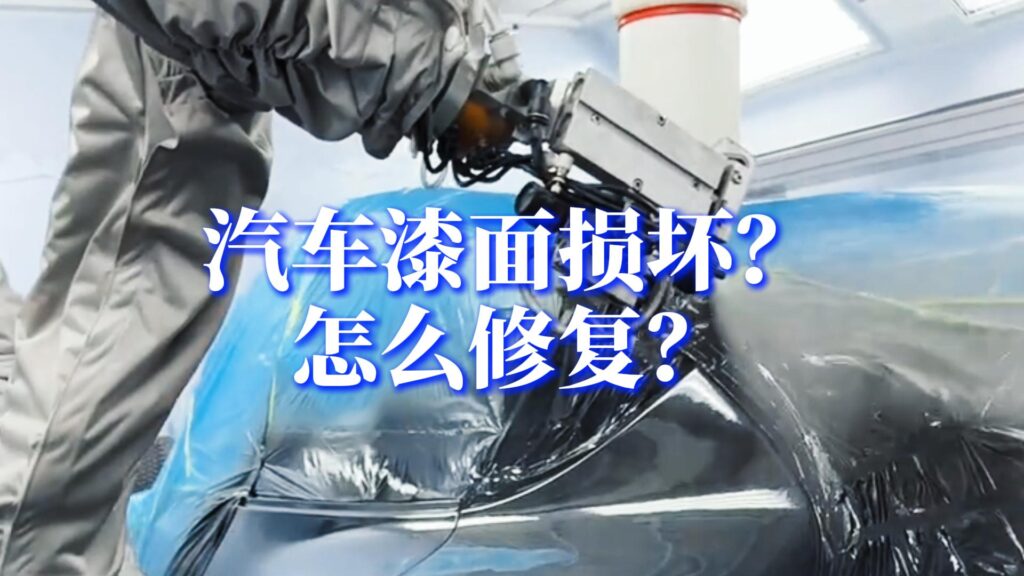
With tightening environmental regulations and growing consumer focus on sustainability, water-based paints and UV-curable paints will become mainstream. In addition, smart repair technologies such as digital color-matching systems and robotic spraying are improving repair efficiency and precision. The application of nanotechnology also enables repair coatings with self-healing and scratch-resistant functions, extending vehicle lifespan.
In summary, the automotive refinish paint industry is developing toward environmentally friendly, efficient, and intelligent directions. Choosing suitable refinish paint can not only restore a vehicle's appearance but also enhance its value. It is recommended that consumers choose authorized repair shops and maintain the paint surface regularly to keep their cars looking their best.