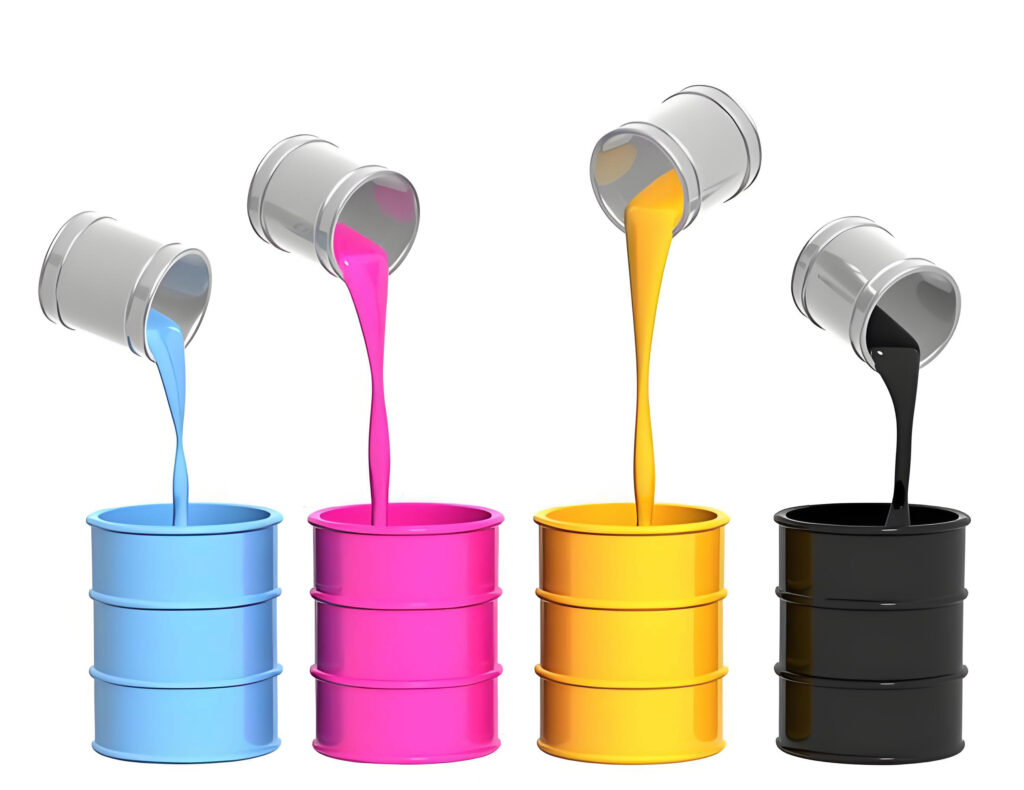
In the field of automotive manufacturing, automotive paint is not only a symbol of appearance, but also a key layer for protecting the body and providing corrosion and weather resistance. With technological innovation and increasing environmental requirements, modern automotive coatings are continuously upgrading towards intelligent, low-VOC, and water-based directions, becoming a core element of the high-quality development of the automotive industry.
I. Structure and Functions of Automotive Paint
From a bare metal car body to a glossy finish, a vehicle must undergo multiple layers of coating, each serving a distinct technical purpose:
- Electrophoretic Primer (E-Coat): Rust-proof and corrosion-resistant, ensuring vehicle body durability.
- Primer: Improves adhesion, fills in minor imperfections, and prepares the base for the color coat.
- Base Coat: Determines the vehicle's color and visual style.
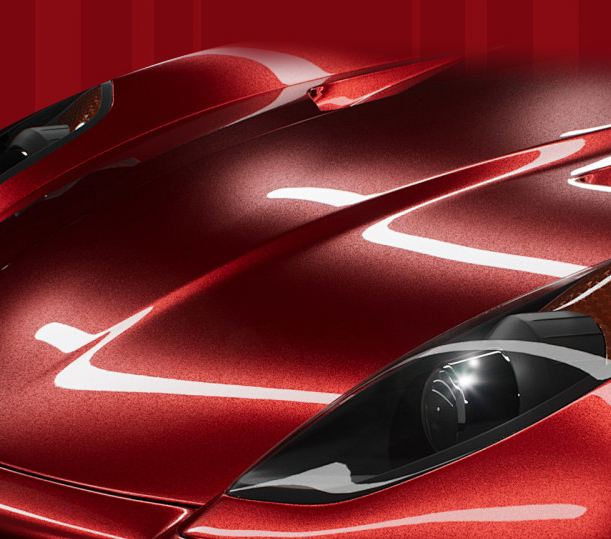
- Clear Coat: Enhances gloss, UV resistance, and scratch resistance; common types include High-gloss Clear Coat and Matte Clear Coat.
This multi-layer system not only achieves the unity of protection and decoration, but also reflects the precision and professionalism of modern automotive painting technology.
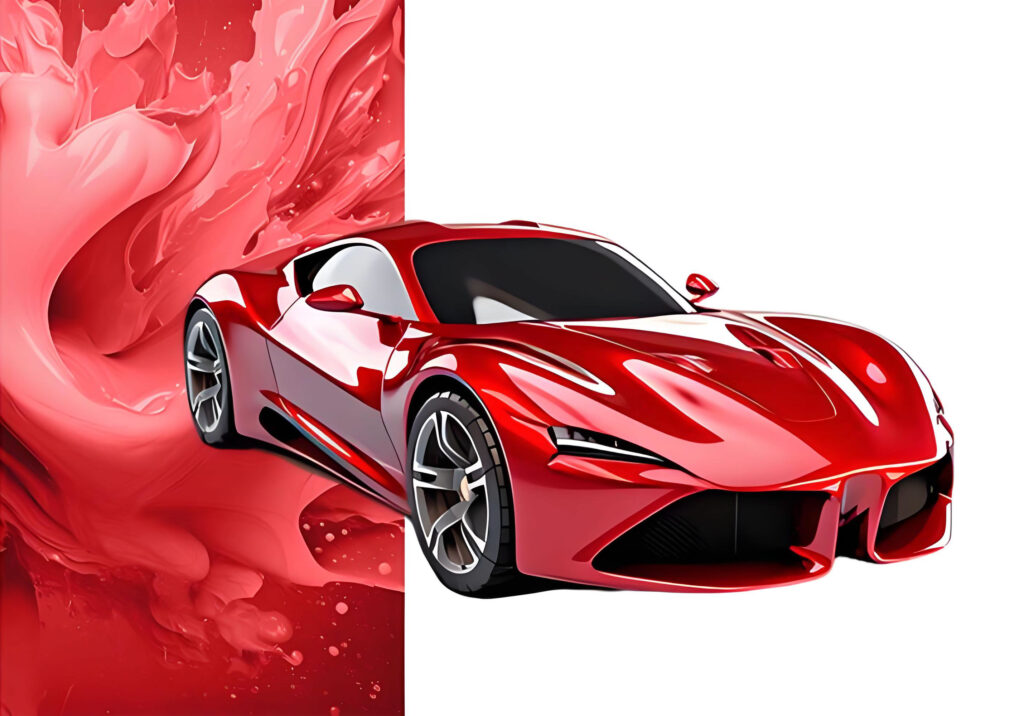
II. Eco-Friendly Waterborne: The New Trend in Automotive Coatings
As global environmental regulations tighten, waterborne automotive coatings have become the mainstream choice. Compared with traditional solvent-based paints, waterborne coatings use water as the diluting medium, offering lower VOC emissions, less odor, and safer application.
In addition, high-solid coatings and powder coatings are also improving painting efficiency while effectively reducing pollution emissions, becoming an important direction for OEMs and automotive refinish coatings manufacturers.
III. Technological Innovation Leading Industry Upgrading
Modern automotive coatings integrate nanotechnology, infrared-reflective materials, and smart molecular systems:
- Nano car paint: Enhances paint film hardness and self-cleaning performance.
- Infrared reflective coating: Reduces body temperature, energy-saving and environmentally friendly.
- Self-healing coating: Can automatically restore its luster after minor scratches.
These innovative technologies have transformed automotive paint from a "protective material" into a "high-tech carrier," delivering a more durable and premium-feeling driving experience for consumers.
IV. Professional Capabilities of Automotive Coatings Manufacturers
High-quality automotive paint manufacturers not only supply products but also provide systematic solutions—from primer formula design, color matching, and spray process optimization to after-sales technical support, ensuring every coat precisely matches the vehicle structure and customer requirements.
Excellent manufacturers are also equipped with smart spray booths and constant-temperature curing systems to guarantee uniform films, strong adhesion, and accurate color consistency.
V. Future Trends in Automotive Coatings
Future automotive paints will become more intelligent, eco-friendly, and personalized:
- Self-healing technology extends the lifespan of car paint;
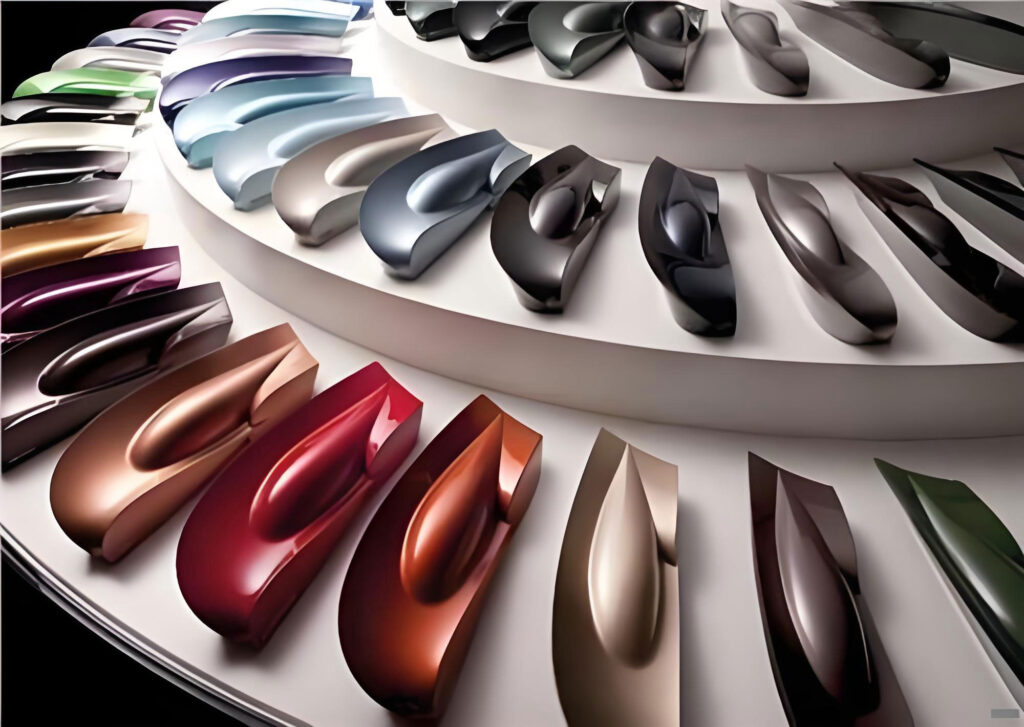
- Personalized custom colors to meet brand-specific design requirements;
- Smart color-changing coating gives cars more sense of technology and visual impact.
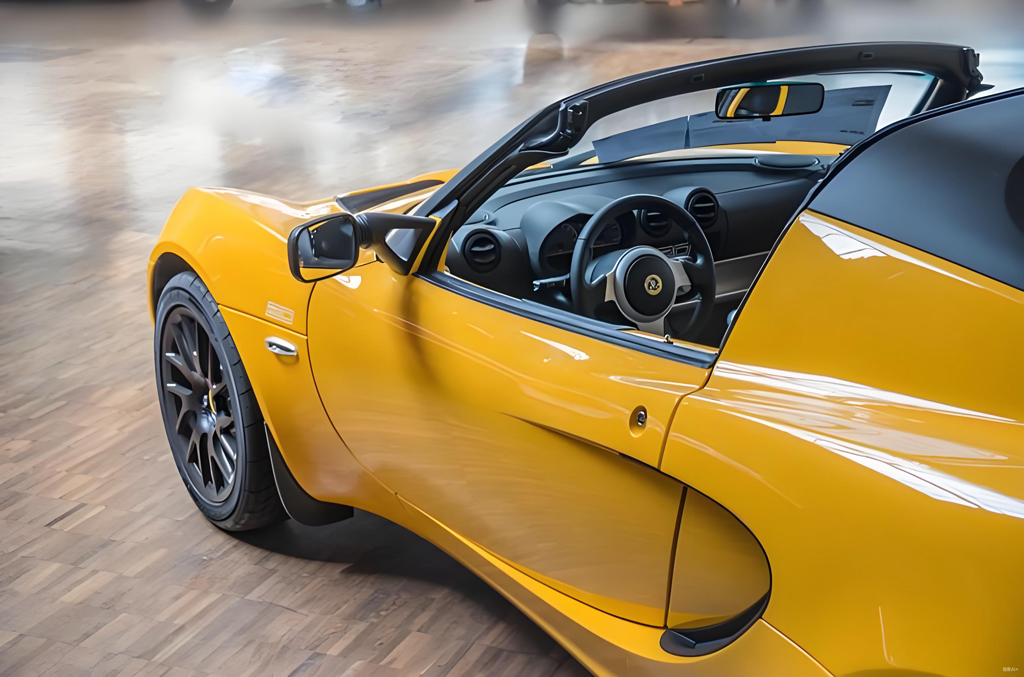
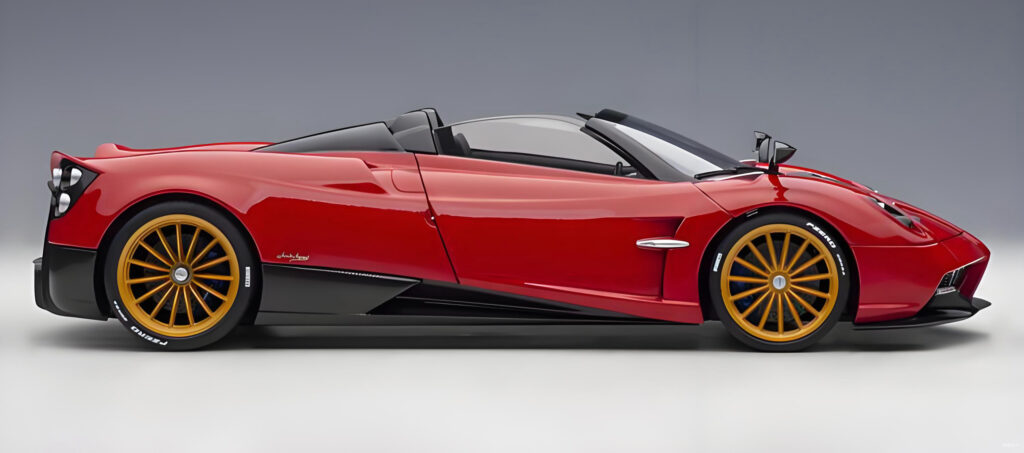
Automotive paint is evolving from a "protective layer" into a "brand image carrier," becoming a comprehensive embodiment of automotive design aesthetics and technological strength.
Conclusion
From traditional solvent-based to eco-friendly water-based automotive paint, from ordinary clear coats to high-performance high-gloss clear coat and nano self-healing coatings, the automotive paint industry is undergoing a quality revolution.
For automotive manufacturing and after-sales refinishing companies, choosing a reliable automotive coating manufacturer means choosing a future of higher quality, stronger protection, and greater competitiveness.
——Automotive paint makes cars more beautiful, more durable, and more eco-friendly.