Automotive clearcoat is the critical layer for protecting car paint, guarding against UV rays, scratches, and corrosion. This article details clearcoat types, application methods, maintenance tips, and common issues to help car owners enhance their vehicle's durability and appearance.
In the modern field of automotive detailing, automotive clear coat has become the preferred method for car owners to protect their vehicle's paintwork. It is not merely a transparent coating, but a powerful barrier against erosion from the external environment. Whether it is wind-blown sand scratches during daily driving or fading caused by ultraviolet rays, paint protection plays a key role. This article starts with the basic concept of automotive clear coat, delves into its types, application process, and maintenance methods, and includes a practical FAQ to help you fully understand this automotive detailing technique.
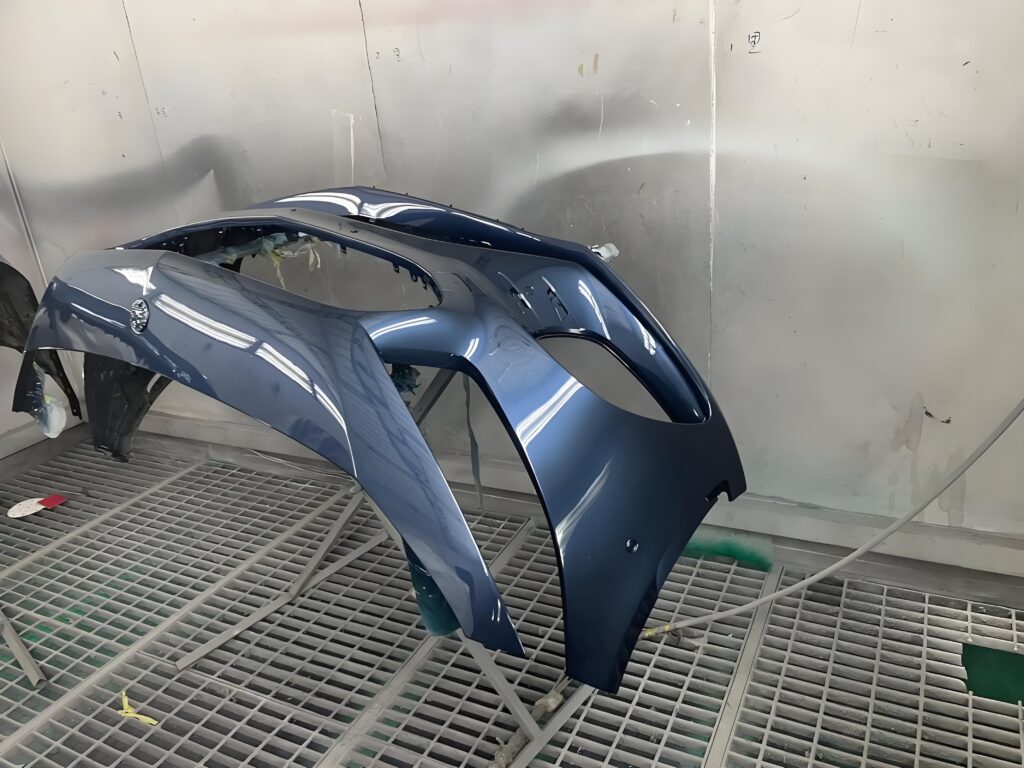
First, let's understand what automotive clear coat is. Automotive clear coat, also known as the clear coat layer or transparent paint, is a colorless protective layer sprayed over the automotive base coat. It is made of materials such as polyurethane or acrylic resin, and features high gloss and weather resistance. Unlike traditional wax sealing, automotive clear coat forms a hard thin film, typically with a thickness between 30-50 microns. This car paint protection method originated in the automotive manufacturing industry in the 1980s, and has now become a standard feature in high-end auto detailing. According to industry data, regularly applying automotive clear coat can extend the lifespan of car paint by 3-5 years and reduce maintenance costs caused by oxidation.
Automotive clear coat comes in various types, which can be divided into several main categories based on material and performance. The first is traditional solvent-based clear coat type, which dries quickly and has high hardness, but contains volatile organic compounds (VOCs) and has a greater impact on the environment. The second is water-based automotive clear coat, which is more environmentally friendly and suitable for car owners who pursue green auto detailing. In addition, there is nano-ceramic clear coat type, such as quartz coating or glass coating, this automotive coating can provide super strong car scratch resistance, with hardness up to 9H level, equivalent to the hardness of glass. Choosing the right clear coat type depends on your budget and usage environment; for example, city drivers are more suited to nano-type car paint protection, while rural car owners may prefer corrosion-resistant solvent-based types.

The process of applying automotive clear coat requires professional skills and equipment, and is usually carried out at an auto detailing shop. First, cleaning the car body is a key step; use a neutral car wash solution to remove dirt and old wax layers to avoid affecting adhesion. Then, perform polishing to repair minor scratches on the paint surface and ensure a smooth finish. Next, spray the automotive clear coat, which requires a dust-free workshop and a professional spray gun, applying 2-3 layers evenly, with about 30 minutes of drying time between each layer. After application, the vehicle needs to sit for 24-48 hours to allow the clear coat application to fully cure. The total cost varies depending on the vehicle model and materials; the clear coat price ranges from a few hundred to several thousand yuan—a small car may only need 800 yuan, while an SUV requires over 2000 yuan. It is worth mentioning that although DIY clear coat application can save costs, it carries high risks, and beginners are advised to choose professional services to ensure the clear coat effect.
Maintaining car paint maintenance is the key to extending the lifespan of automotive clear coat. In daily use, avoid prolonged high-temperature sun exposure and acid rain erosion, and use a sunshade or park in a garage. When washing the car, choose a pH-neutral car wash solution and avoid directing a high-pressure water gun at the car paint protection layer. Applying wax sealing or replenishing the coating every 3-6 months can enhance the clear coat effect. If water spots or bird droppings are found on the paint surface, wipe them immediately with a soft cloth to prevent corrosion. In the long run, regularly check the car scratch resistance performance; if the hardness decreases, consider reapplying the car coating. Through these car paint maintenance habits, you can keep your beloved car looking brand new at all times.
In addition to basic knowledge, automotive clear coat can also be used in combination with other body protection films. For example, paint protection film (PPF) is a transparent polyurethane film that provides stronger physical protection; when used together with automotive clear coat, it achieves double car paint protection. In high-end auto detailing, this combination has become a trend, effectively resisting stone chips and door handle scratches. Market research shows that owners using body protection films experience a paint surface damage rate reduced by over 70%. Of course, the clear coat price varies by brand; internationally renowned brands such as 3M or XPEL offer automotive coating products that, while expensive, deliver long-lasting and reliable clear coat effects.

In practical applications, many car owners worry about the durability of automotive clear coat. In fact, high-quality clear coat types can withstand daily car washing and minor collisions, and the development of paint surface repair technology makes small damages easy to fix. For example, using a paint surface repair pen or professional polishing can quickly restore the gloss. When choosing, pay attention to checking product certifications, such as ISO standards or eco-labels, to ensure safety and harmlessness.

Finally, let's look at some frequently asked questions.
FAQ:
- Automotive clear coat and wax sealant, what is the difference? Automotive clear coat is a permanent coating that provides hard protection, while wax sealant is temporary and needs frequent reapplication. In terms of car paint protection, clear coat is more durable.
- ConstructionHow long does clear coat construction take? Usually 1-2 days, including cleaning, spraying, and drying. Professionalauto detailing shops can provide quick service.
- Automotive clear coat can protect against UV rays? Yes, high-quality clear coat types contain UV inhibitors that prevent paint fading and oxidation.
- Clear coat price expensive? It depends on the material and area. Entry-level car coating is about 500-1000 yuan, while high-end nano types can exceed 3000 yuan.
- How to determine if the automotive clear coat needs to be replaced? If the paint surface loses its gloss or shows fine cracks, it is recommended to check the automotive paint maintenance and reapply if necessary.
- Car scratch resistance how to test? Lightly scratch with a key; if no mark, the clear coat effect is good.
- Car body protective film and automotive clear coat can be used together? Yes, using them in combination enhances paint protection.
- Does a new car need automotive clear coat applied? Most new cars already have factory clear coat, but additional car detailing can further enhance durability.
Through this article, you have gained a comprehensive understanding of automotive clear coat. Whether to enhance your car's appearance or extend its service life, car paint protection is a worthwhile investment. It is recommended that car owners choose the appropriate clear coat type and automotive coating service based on their own needs, so that your vehicle always shines like new.