Many customers are often confused by the difference between 1K and 2K when choosing automotive refinish paints. In this article, a professional manufacturer explains for you: the essential differences between 1K and 2K paints in drying mechanism, performance, and application process, helping you select the most efficient coating solution for different repair projects.
In the field of automotive painting, 1K (single-component) and 2K (two-component) paints are the two most widely used types of products. Understanding their characteristics can not only improve construction quality, but also effectively control costs. As a professional automotive paint manufacturer, we break down the core differences between the two for you.

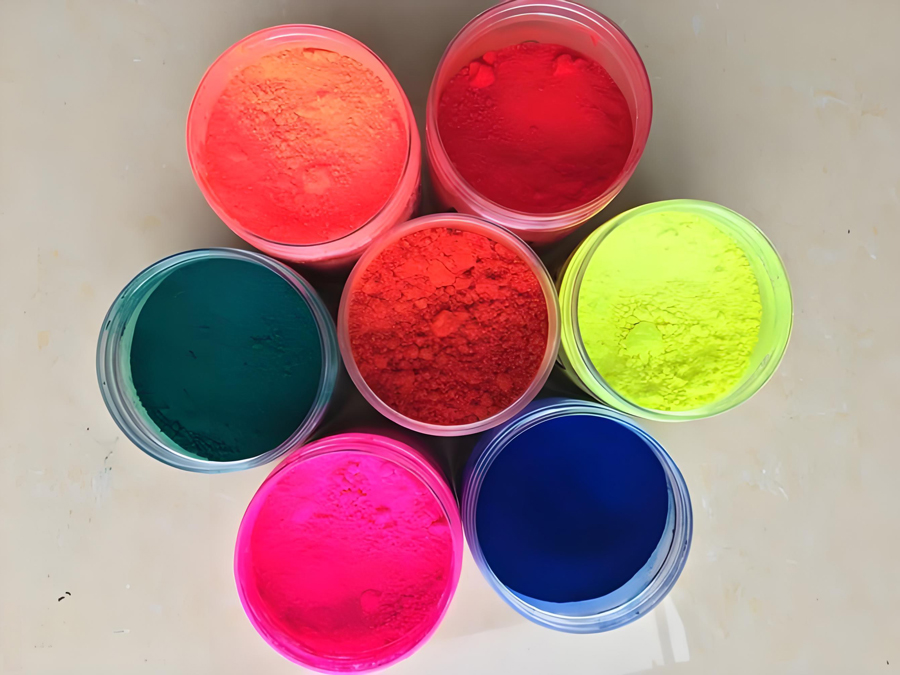

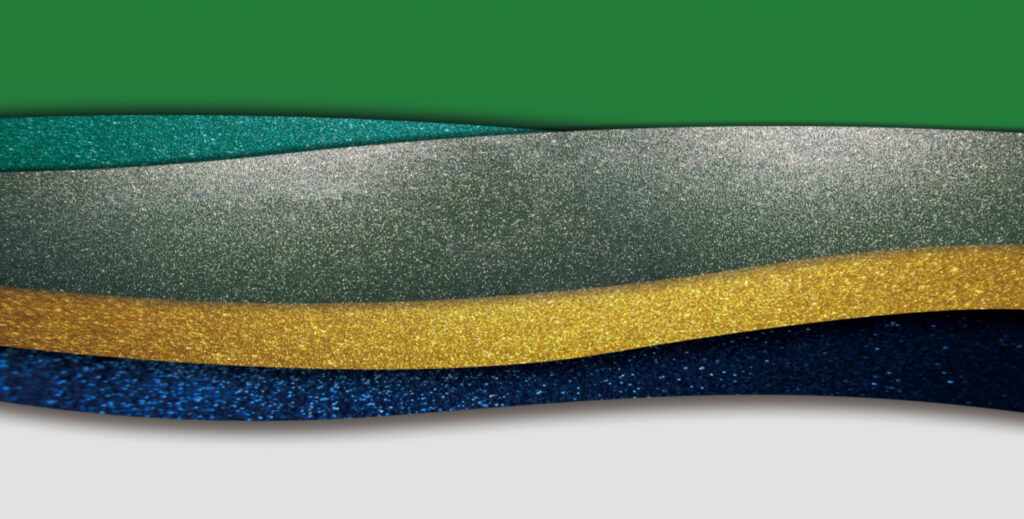
1. What is 1K paint? (Basecoat / Color coat) 1K paint refers to single-component paint that dries physically through natural evaporation of solvents to form a film.
- Features: Dries extremely fast, easy to apply, no curing agent required.
- Limitations: The paint film is thin, with lower hardness and chemical resistance, and cannot be used alone as a topcoat.
- Application scenario: Mainly used for the basecoat of metallic or pearlescent paint. After spraying, it must be covered with a layer of 2K clear coat to provide gloss and protection.
2. What is 2K paint? (Topcoat/Clearcoat layer) 2K paint consists of base paint and hardener, and dries to form a film through a chemical reaction.
- Features: Thick paint film, extremely high gloss, with excellent hardness, abrasion resistance, and chemical corrosion resistance.
- Construction: The curing agent and thinner must be added in strict proportions, and the mixture must be used up within the specified time after mixing.
- Application scenarios: Commonly used for **solid color topcoats (such as plain white, black) or as a clearcoat** protective layer over 1K basecoat.
3. Core Comparison between 1K and 2K
- Drying method: 1K is physical evaporation, 2K is chemical cross-linking reaction.
- Performance stability: 2K paint far surpasses 1K paint in outdoor UV resistance and scratch resistance.
- Construction efficiency: 1K is suitable for quick repairs, 2K is suitable for full-vehicle painting with extremely high quality requirements.
4. Manufacturer's Recommendation: How to Choose?
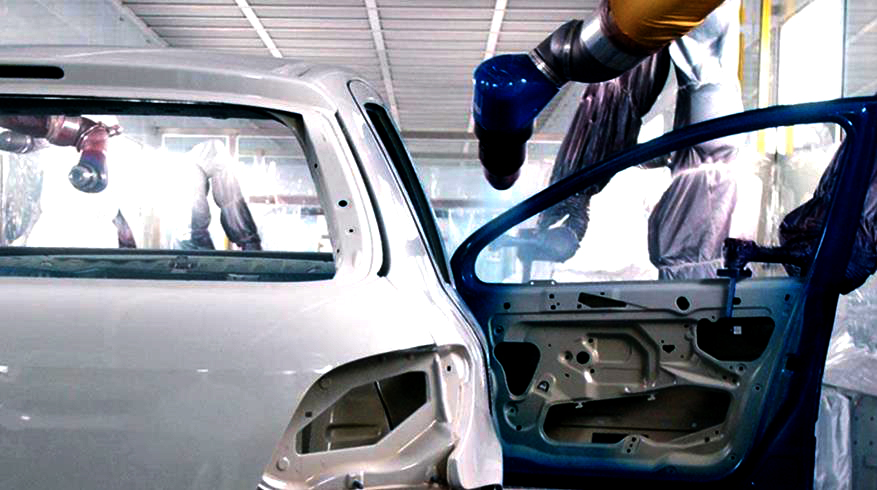
- If you are doing a localized quick repair, 1K basecoat + 2K high-solid clearcoat is the most efficient combination.
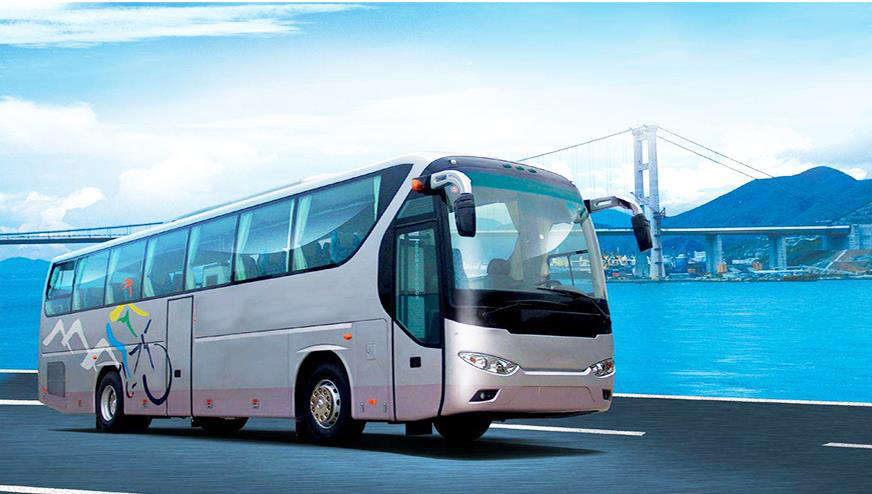
- For surfaces such as trucks and industrial equipment that demand extreme durability, directly using 2K solid color topcoat can simplify the process and provide excellent protection.


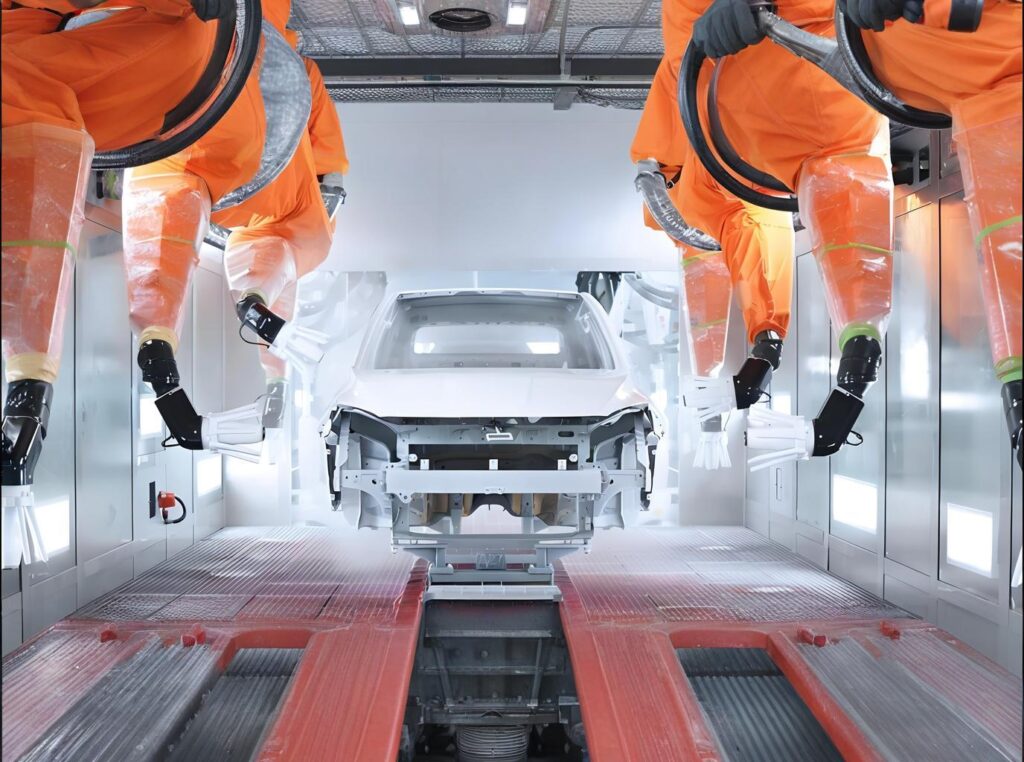
Conclusion: Mastering the characteristics of 1K and 2K is a basic skill for professional painters. We offer a full range of high-quality 1K colorants and 2K clearcoats, ensuring that every painting job of yours meets OEM-level performance standards.