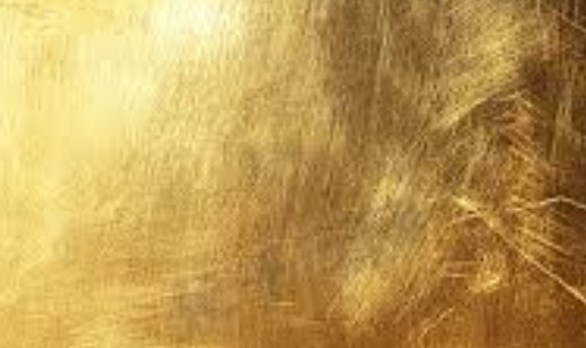
In modern decorative craftsmanship, the "brushed effect" is increasingly favored by designers and consumers. It can both reveal the cool, crisp texture of metal and endow wood and plastic with a brand-new fashionable appearance. In particular, the brushed finish created with coatings is not only easy to apply, but also, through different color combinations and tool selections, can present a wide variety of surface effects.
This article will systematically analyze the production methods, material selection, operating steps, precautions, and applications on metal, wood, and plastic of the coating drawing process, giving you a comprehensive understanding of this craft that combines aesthetics and practicality.
I. Characteristics of the Drawing Process
- Unique Texture: Through manual or tool brushing, regular or irregular line textures are formed.
- Strong visual impact: Combines metallic texture, distressed look, and artistic feel.
- Wide material compatibility: Not only suitable for metals, but also for various substrates such as wood and plastic.
- Flexible operation: Unidirectional brushing, cross brushing, rotary brushing, etc. can be selected according to requirements.
- Both decorative and functional: It can enhance aesthetics while concealing minor surface defects.
II. Process Principle
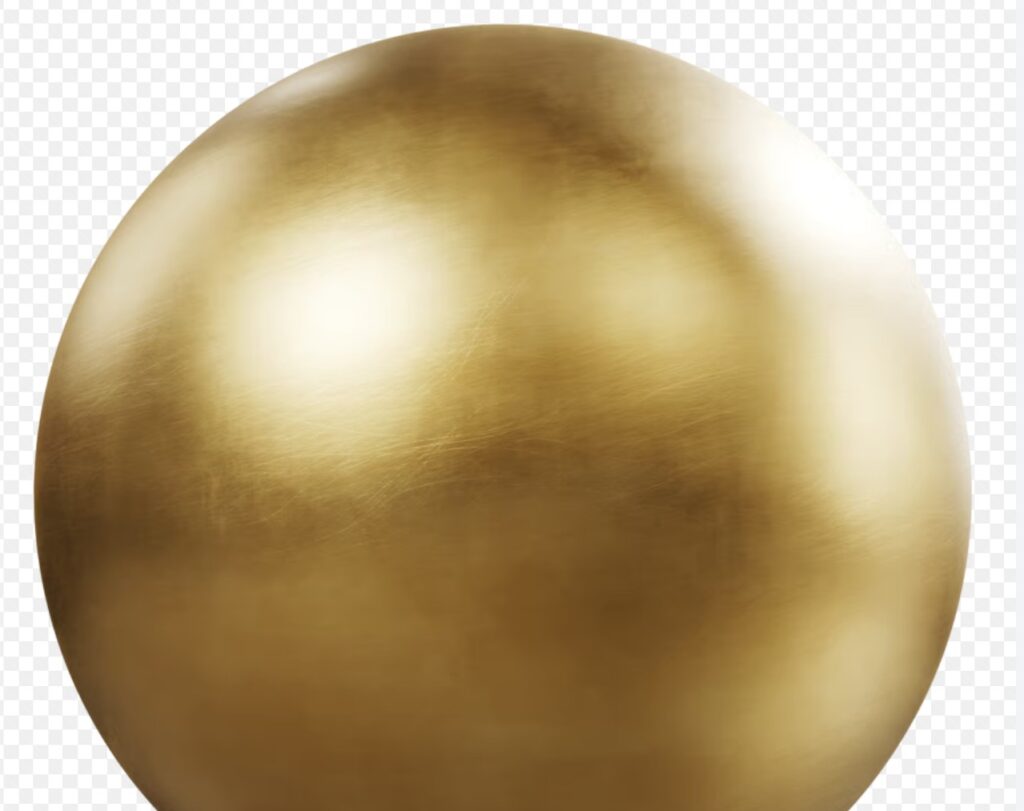
The brushed finish process is essentially after spraying the coating, using sandpaper, scouring pads, brushing tools, etc., to form textured lines on the surface of the not-fully-cured coating. Through different operating methods, it can present metallic luster, wood grain texture, or distressed artistic effects.
The main methods include:
- Wet drawing: Drawing is performed while the coating is still wet, resulting in soft lines.
- Dry drawing: Draw the filaments after the coating is completely dry, so the texture will be more pronounced.
- Composite drawing: Combining multiple layers of coating with different tools to create complex textural effects.
III. Detailed Process Flow Description
1. Surface treatment
- Metal: Remove rust, polish, and clean oil stains.
- Woodenware: Sand smooth and fill in dents.
- Plastic: Degrease the surface, and apply an adhesion promoter if necessary.
2. Primer Spraying
- Select a primer suitable for the substrate, such as epoxy primer, wood primer, or plastic-specific primer.
- Ensure a smooth paint surface and enhance adhesion.
3. Topcoat Spraying
- Evenly spray the brushed coating (commonly black, silver, or metallic).
- Keep the paint film moderately wet to facilitate subsequent drawing operations.
4. Wire drawing operation
- Use tools such as scouring pads, steel wool, and scuff pads to gently scrub in one direction.
- Linear, wavy, cross, or rotational patterns can be selected to create different effects.
- Colors can be layered to create a sense of depth.
5. Curing and Topcoating
- Air dry or use hot air to accelerate curing.
- Apply a transparent clear coat to enhance abrasion resistance and gloss.
IV. Selection of Tools and Materials
Common tools
- Scouring pad: suitable for gentle lines.
- Wire brush: creates a rugged texture.
- Sandpaper: suitable for a uniform and fine brushed finish.
- Drawing roller: used for large-area rapid treatment.
Coating selection
- Metallic coatings (silver, gold, copper, black).
- Transparent topcoat (matte or glossy).
- special antiquing coating
V. Precautions
- Construction environment: Keep dry and well-ventilated, and avoid dust falling into the paint film.
- Tool force: Appropriate lightness and heaviness, avoid scratching through the paint film.
- Color matching: Overlaying light and dark colors can enhance the sense of depth.
- Timing of operation: Wet drawing must be completed before the coating dries.
- Storage Conditions: The coating must be stored sealed to avoid sedimentation or deterioration.
VI. Application Scenarios
1. Applications on Metals
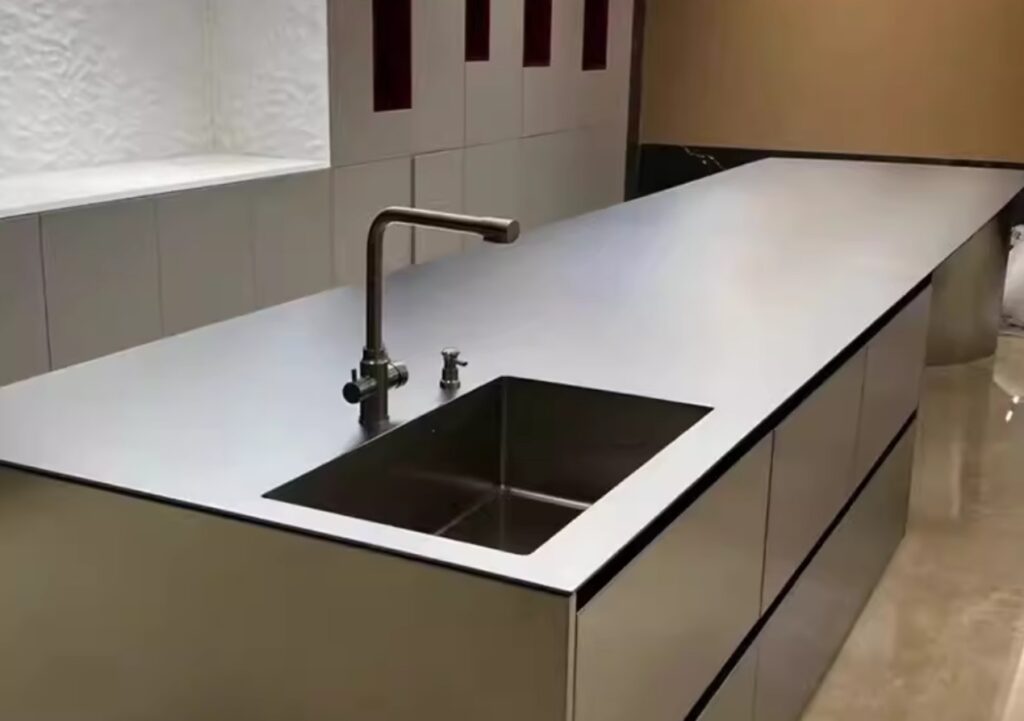
- Metal frame for furniture, exhibiting metallic luster and brushed texture.
- Architectural decoration, such as elevator doors, handrails, and curtain walls.
- Artistic sculptures, creating a distressed metal effect.
2. Application on Woodware
- Furniture surfaces with a faux metallic brushed effect, combining modern style and vintage charm.
- Wooden doors and cabinet panels, enhancing the artistic atmosphere.
3. Applications on Plastics
- Plastic product surface brushed finish, mimicking a metallic texture.
- Household appliance housings and decorative panels, enhancing product grade.
VII. Classification by Style and Effect
- Single-direction straight grain: Modern minimalist style.
- Cross texture: Rugged, industrial style.
- Rotary brushed finish: Strong artistic feel, commonly seen in art installations.
- Multi-color overlay: antique and distressed effect.
VIII. Case Analysis
- Case 1: A certain high-end elevator door adopts a silver brushed finish, exuding a strong sense of modernity.
- Case 2: The surface of the wooden cabinet is treated with brushed spray coating to imitate a metallic texture, creating a light-luxury atmosphere.
- Case 3: Brushed coating on plastic speaker enclosure, presenting a metallic feel and enhancing product value.
IX. Frequently Asked Questions (FAQ)
Q1: How durable is the wire drawing process?
A1: Under the protection of the topcoat, it can maintain for over 5 years without fading or paint peeling.
Q2: Can it be mass-produced?
A2: Absolutely. Combining machine drawing and spraying enables scale production.
Q3: Is it environmentally friendly?
A3: Choosing low-VOC eco-friendly paint can meet environmental requirements.
Q4: Is there a big difference in operation between different substrates?
A4: Metal requires enhanced rust prevention, wood needs to be sanded smooth, and plastic requires improved adhesion.
X. Conclusion
The wire-drawing process made with coatings can be applied not only to metal, wood, plastic and other materials, but also can present modern, retro, or artistic effects according to design needs. It is a surface treatment method that combines decorative and functional properties, and will be widely used in more home, architectural, industrial, and artistic fields in the future.