Coatings are far more than just a layer of color; they integrate decoration, protection, environmental friendliness, and functionalization, and are widely used in household, transportation, industrial, architectural, electronic, and medical fields. This article provides an in-depth analysis of the diverse applications of coatings in daily life and future trends.
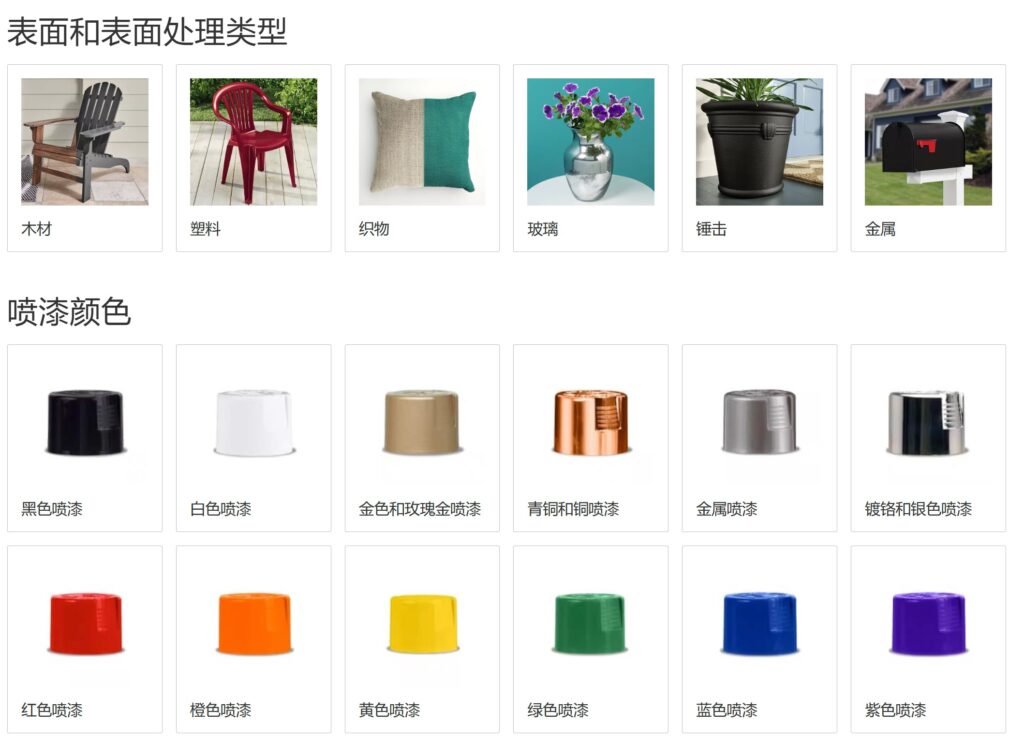
I. Coating Applications in Household Life
Wall coatings
Wall latex paint, water-based paint, and artistic coatings offer a rich selection of colors while providing properties such as moisture resistance, mildew resistance, and scrub resistance.
wood coatings
Wood surfaces are commonly protected and decorated with wood coatings, and eco-friendly water-based wood coatings better align with modern green living concepts.
floor paint
Floor coatings are commonly used in garages, balconies, and basements, offering wear resistance, slip resistance, and dustproofing, while also providing a decorative effect.
II. Coating Applications in Transportation Vehicles
automotive coatings
Automotive coatings consist of primer, surfacer, basecoat, and clearcoat, providing corrosion resistance, weatherability, and aesthetics.
aircraft coatings
Aircraft coatings are required to be lightweight and thin, resistant to temperature variations and high-speed impact, and possess anti-icing and anti-static functions.
marine coatings
Ships need to use anticorrosive and antifouling coatings to resist seawater corrosion and reduce energy consumption.
III. Coating Applications in Industrial Production
anti-corrosion coating
Industrial equipment commonly uses epoxy and polyurethane anti-corrosion paints to extend service life.
high-temperature resistant coating
Used in high-temperature environments such as boilers and power plants, it can withstand temperatures of several hundred degrees Celsius without flaking.
functional coatings
Including anti-static, fire-resistant, and heat-insulating coatings to enhance industrial safety and efficiency.
IV. Coating Applications in Architectural and Urban Environments
architectural exterior wall coatings
High-weathering coatings such as fluorocarbon coatings can keep a building's exterior from fading for many years.
infrastructure coatings
Bridges, tunnels, and similar structures require anti-rust and salt-spray-resistant coatings to enhance durability.
environmentally friendly functional coatings
Photocatalytic coatings can decompose harmful substances in the air and improve the urban environment.

V. Coatings Applications in the Electronics and High-Tech Sectors
Mobile phones and electronic products
The coating enhances wear resistance and tactile feel, and provides anti-fingerprint and antibacterial effects.
Optical and Nanocoatings
Applied to eyeglasses, anti-glare films, and screen protectors to provide scratch resistance and anti-reflection functions.
medical device coatings
Impart antibacterial and antiseptic properties to medical devices, enhancing safety and durability.
VI. Environmental Protection and Future Development Trends
environmentally friendly coating
Low-VOC, waterborne coatings, and powder coatings are gradually replacing traditional solvent-based coatings.
smart functional coatings
Self-cleaning, thermochromic, conductive and other smart coatings are on the rise.
sustainable development
The coatings industry is advancing toward green, low-carbon, and circular utilization.
Conclusion
Coatings are applied everywhere in daily life, from home decoration to industrial protection, and from everyday products to cutting-edge technology. In the future, coatings will become more environmentally friendly and intelligent, helping society advance toward green and sustainable development.