The coatings industry holds a significant position in the global manufacturing system, and the next decade will be the most intensive period for industrial structure adjustment and technological upgrading. As environmental regulations tighten, consumer demands diversify, and international supply chain competition intensifies, coatings companies need to rebuild their core competitiveness from multiple dimensions including technological innovation, green production, digital management, and product structure upgrading. This article analyzes industry development trends to provide systematic reference for future coatings enterprises.
1. Green Coatings Become the Mainstream Trend
Global environmental regulations continue to tighten, driving the increasing market share of green coatings. Whether water-based coatings, low-VOC coatings, or bio-based coatings, all have become the focus of industry attention. As regulations such as the "Limits on Harmful Substances in Coatings" and "VOC Emission Standards" become stricter, companies must reform their processes at the source, building a more sustainable green manufacturing system through low-carbon production, raw material substitution, and process emission reduction.
Among them, water-based coatings and low-VOC solvent systems remain the mainstays of the market, while the rapid development of bio-based resins, recycled materials, and eco-friendly additives will bring new growth opportunities for enterprises. Green coatings are not only an environmental requirement, but also a key breakthrough point for future market expansion.
II. Intelligent Manufacturing Drives the Upgrade of Coating Factories
Digitalization and intelligent manufacturing have become the core path for coating enterprises to improve efficiency and stability. More and more coating manufacturers are deploying MES production systems, automated color matching, precision batching, and intelligent filling equipment to reduce human errors, increase capacity, and achieve full-process traceable management.
The introduction of technologies such as digital formula platforms, intelligent warehousing, and online inspection instruments makes factory operations more transparent and efficient. Intelligent manufacturing not only improves the cost structure, but also enhances enterprises' flexible manufacturing capability in the face of fluctuating markets, and is an important driving force for the upgrading of the coating industry.
III. Functional Coatings Growing at an Accelerated Pace
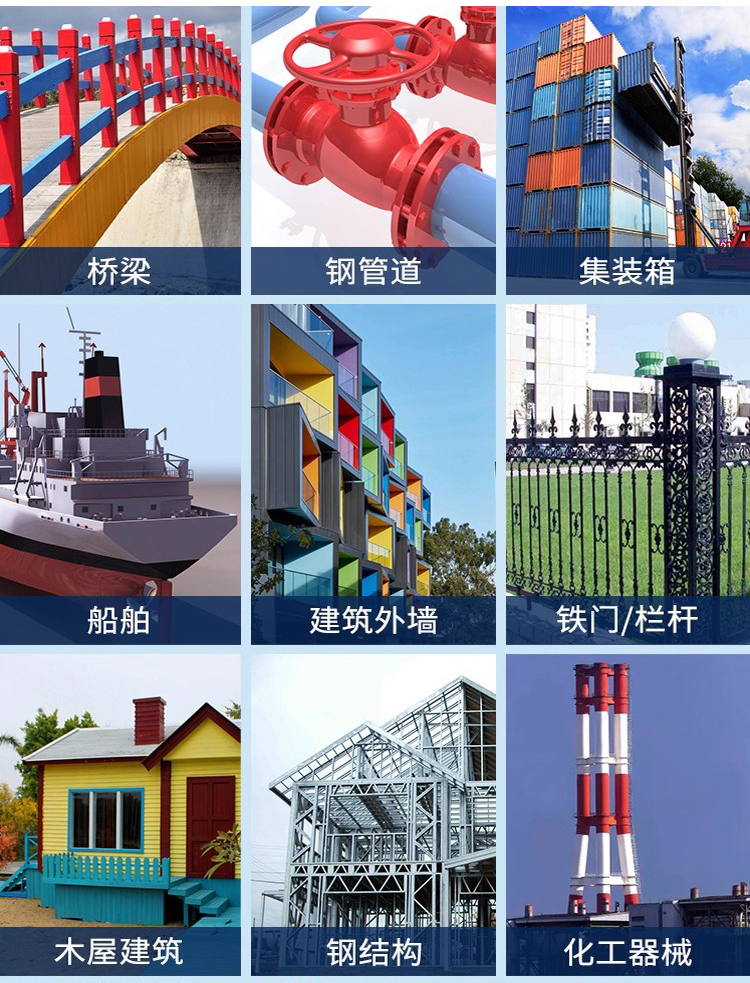
With the upgrading of industries such as construction, automotive, electronics, and aviation, the market demand for functional coatings continues to rise. Significant growth is seen in areas such as anti-corrosion coatings, weather-resistant coatings, flame-retardant coatings, antibacterial coatings, and conductive coatings. Future coating companies will extend more from "decorative functions" to "performance solutions," enhancing product added value through materials science innovation.
For example, new energy battery housings, electric vehicle components, and photovoltaic module backsheet protection are all driving the accelerated development of high-performance functional coatings. Functional coatings have become an important direction for differentiated competition among enterprises.
IV. The Coatings Industry Deepens Toward Low-Carbon and Circular Economy
Enterprises are moving from the "pollution control" stage to the "systematic carbon reduction" stage, reducing carbon emissions through energy optimization, equipment energy saving, raw material selection, powder recovery, and other methods. Coatings factories are successively introducing energy management systems to achieve heat energy recovery and utilization, production waste gas treatment, and circulating water management, thereby promoting low-carbon production.
At the same time, the concept of circular economy is driving the construction of recovery systems for resins, solvents, and packaging barrels, making environmental protection no longer a cost pressure, but a new economic growth model.
V. Global Coatings Market Competition Becomes More Intense
International paint giants enter emerging markets through mergers and acquisitions, technology transfer, and brand penetration, while Chinese coating enterprises are also actively expanding into the global market. As overseas demand grows steadily and international supply chains continue to adjust, enterprises must strengthen their technological competitiveness and brand building.
Future global competition will focus on green technology capabilities, product differentiation, and stable supply chain development. Only through continuous innovation can coating enterprises establish a firm footing in the global market.
VI. Future Development Paths for Coating Enterprises
- Focus on green coatings and eco-friendly alternative materials
- Build a smart manufacturing system to improve production efficiency
- Deeply cultivating the functional coatings and emerging industry markets
- Build a low-carbon, circular economy model
- Develop international channels and enhance global market competitiveness
Driven by both the digital era and the green era, the development of the coatings industry has entered a new growth cycle. Future coatings enterprises should take innovation as the core, environmental protection as the bottom line, and lay out strategies with a global perspective, so as to achieve real industrial upgrading.