Varnish is a type of transparent coating widely used on woodwork, furniture, handicrafts, and architectural decoration. It reveals the natural grain of the substrate while providing necessary protective properties. There is a wide variety of varnishes on the market, and different resin systems, drying methods, transparency, and durability directly affect the final result, making "how to choose varnish" a core concern for many consumers and engineering applicators. Selecting a suitable varnish requires comprehensive consideration across multiple dimensions, including material properties, application scenarios, application methods, weather resistance requirements, and environmental grades.
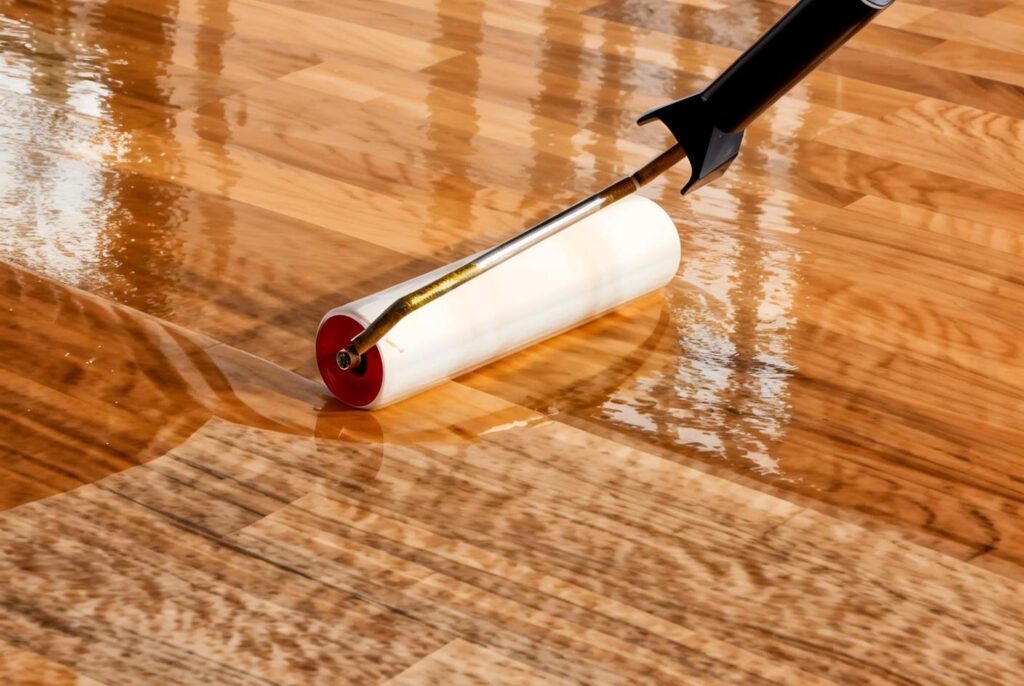
When choosing varnish, the first important indicator is transparency. High-quality transparent varnish should have high clarity, and after application should not show obvious yellowing, haze, or particles. For high-end furniture and raw wood surfaces, high transparency can best reveal the material's natural grain and luster. If low-grade varnish is used, yellowing may occur with light exposure and oxidation, greatly reducing the overall decorative effect.
The second key point is hardness and wear resistance. Wood varnishes exhibit different hardness levels depending on the resin system. For example, polyurethane varnish has high hardness and strong scratch resistance, making it suitable for high-frequency use surfaces such as floors and tabletops; whereas acrylic water-based varnish emphasizes yellowing resistance and environmental friendliness, making it suitable for indoor furniture. If the application scenario requires withstanding frequent friction, products with high hardness grade and dense film should be prioritized.
The third aspect to focus on is weather resistance. Especially in outdoor environments, ultraviolet rays, rain, and heat-humidity can accelerate the aging of varnish. High-quality weather-resistant varnish usually incorporates UV absorbers and antioxidant additives, which can significantly extend the lifespan of the paint film. When used indoors, weather resistance requirements are relatively lower, but attention should still be paid to anti-yellowing indicators to avoid color differences in furniture caused by light exposure.
Modern users generally pay attention to environmental standards, so choosing eco-friendly varnish is also crucial. Low-VOC products represented by water-based varnish are becoming increasingly popular. Water-based systems not only have low odor and fewer emissions, but are also more suitable for scenarios such as nurseries, schools, and hospitals, while offering good application safety and drying speed. If higher chemical resistance or industrial use is required, low-odor two-component eco-friendly PU varnish can also be selected as an alternative.
Compatibility of different substrates with the varnish system also requires key consideration. For example, furniture substrates such as pine, beech, and walnut are suitable for highly penetrating polyurethane varnishes; whereas bamboo, cork, and MDF are recommended to use water-based varnish systems with stronger adhesion. Conducting substrate sanding and primer compatibility evaluation before application can ensure more stable overall adhesion and gloss performance of the varnish.
During construction, the leveling property, drying time, and film-forming effect of varnish equally affect the final quality. A superior varnish should exhibit good brushing leveling, minimize brush marks, and yield a uniform, full film. For large-scale architectural decoration or factory production lines, spray-type varnish can be selected to improve efficiency and produce a finer film. If manual brushing is required, a product with low sagging and moderate open time should be chosen.




In general, the selection of varnish should not be based solely on price or brand, but on a professional assessment of the actual service environment, substrate material, performance requirements, and environmental standards. Only by comprehensively considering clarity, hardness, weather resistance, environmental rating, and application method can a truly suitable varnish product be chosen. Whether for furniture manufacturing, interior decoration projects, or craft processing, properly matching the varnish system will greatly enhance decorative quality and durability, keeping the surface stable, glossy, and aesthetically pleasing over long-term use.