This article introduces the anti-fingerprint, waterproof, and oil-repellent principles of nano coatings and their applications in automotive and industrial coating fields, helping readers understand their structure, performance, and value.
With the advancement of surface materials technology, nano-coatings have become a core protective method for many high-end products. From smart devices to automotive exterior parts, and further to metal and carbon fiber surfaces, the influence of nano-coatings in enhancing stain resistance, surface texture, and long-term weather resistance can be seen everywhere. Especially in the automotive industry, anti-fingerprint, oil-repellent, and water-repellent nano transparent coatings have gradually become a trend, providing components with a cleaner, more durable, and more premium appearance.
This article will comprehensively analyze how nano-coatings achieve their "three-proof" functionality from the perspectives of structural principles, protective capabilities, application scenarios, and application methods.
1. Why can nano-coatings resist fingerprints?

Nanocoatings possess an ultra-low surface energy structure with extremely dense and uniform molecular arrangement. After finger contact, skin oils cannot spread across the surface but instead appear as fine particulate distribution, which is neither conspicuous nor difficult to wipe off. This effect stems from their special "oil-repellent groups," such as fluorinated chain structures or siloxane network structures, which significantly reduce oil adhesion.
In the automotive industry, this anti-fingerprint effect is particularly suitable for:
- Piano black panel for door trim
- central control display bezel
- carbon fiber trim panel
- glossy metal parts
Nanocoatings not only improve the tactile feel but also delay surface aging, keeping components clean and glossy even under high-frequency contact.
II. Oil-repellent effect: Why is it difficult for oil stains to adhere?
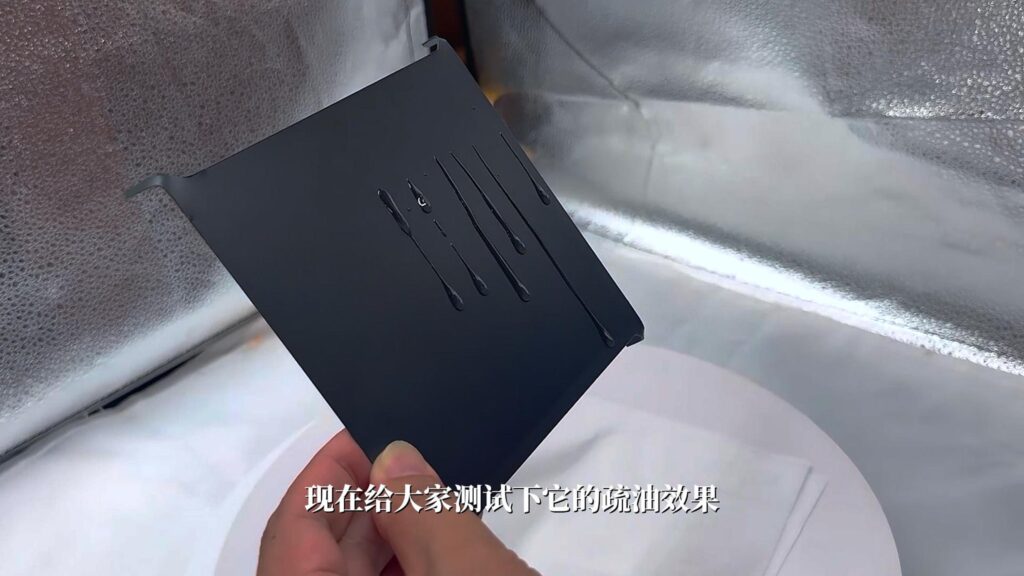
The oleophobic properties of nano-coatings mainly originate from the "oil-repellent chains" in their chemical composition; once these molecules are arranged on the surface, they form a dense transparent barrier that prevents oils from fully spreading upon contact.
Oil stains appearing as spherical droplets or localized adhesion indicate:
- not easily penetrating the coating
- more easily removed by light wiping
- The surface is not prone to leaving oily smudge marks.
In automotive paint plants or precision parts manufacturing, such nano oil-repellent coatings can be applied to mirror housings, carbon fiber components, high-gloss trim strips, etc., to enhance the service life and stain-resistance rating of the appearance.
III. Waterproofing Principle: Self-cleaning Ability from the Lotus Effect
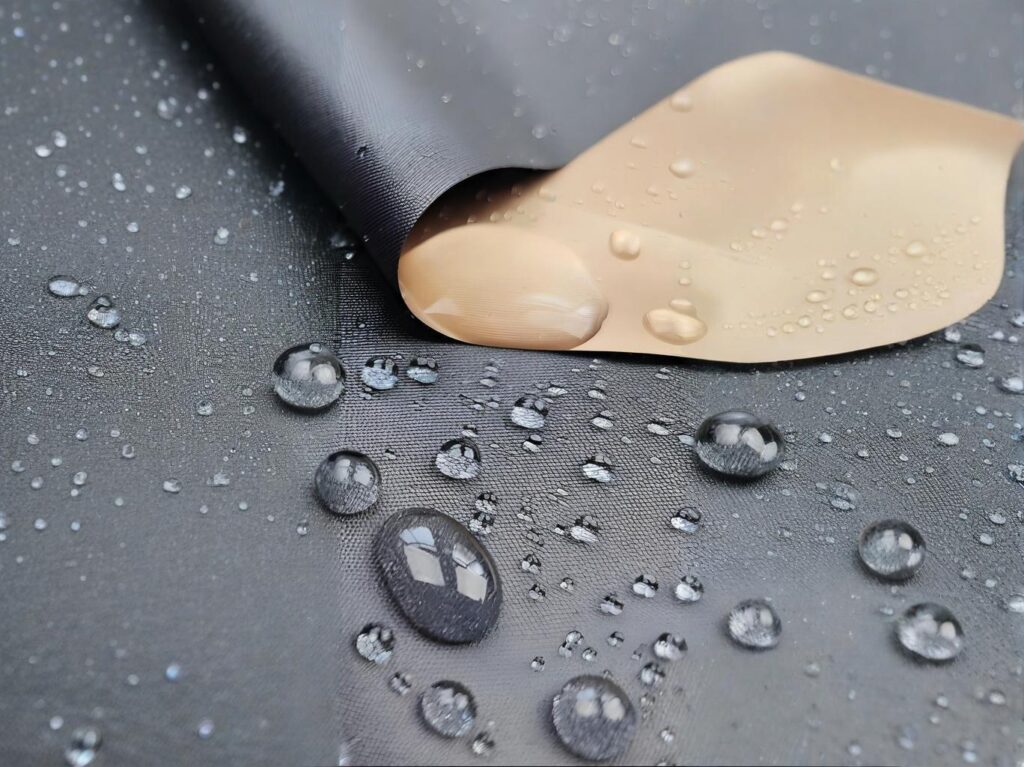
The waterproof performance of nano-coatings is based on the "lotus leaf effect." The coating makes the surface microstructure smooth and hydrophobic, so that water droplets form complete spheres upon contact and roll off naturally.
Advantages include:
- Not prone to forming water spots or water marks
- Non-absorbent surface, reduces residue contamination
- Easier to keep clean when driving in the rain
- Enhance outdoor weather resistance and antioxidant performance
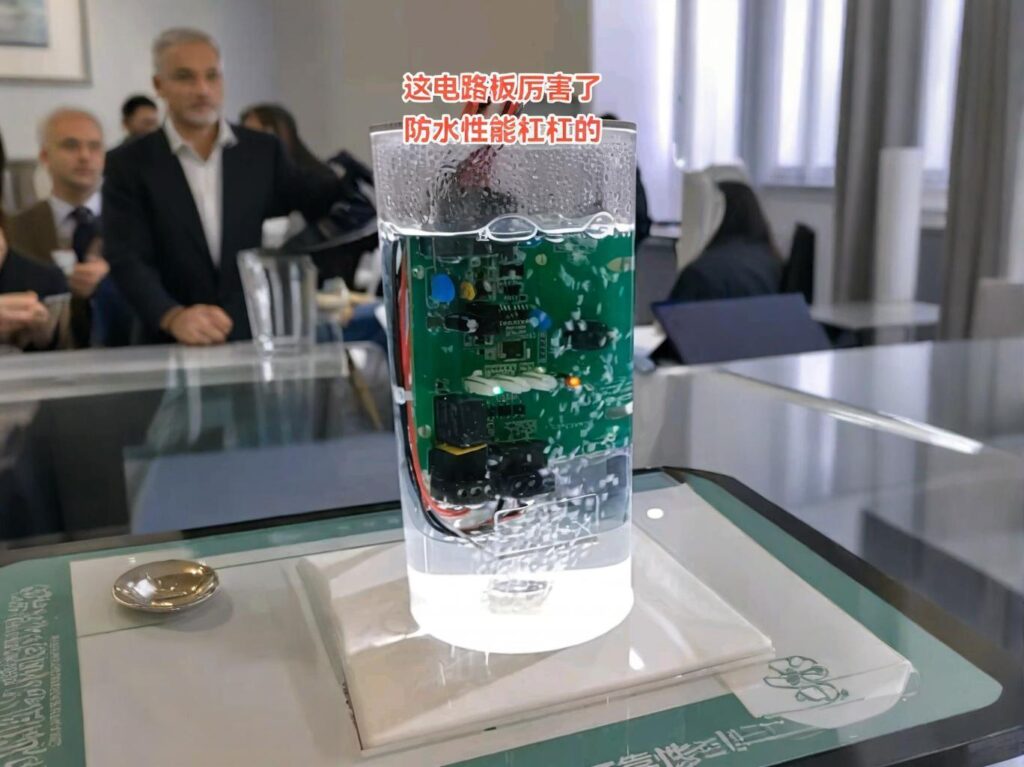
For automotive exterior parts that are exposed to the external environment for long periods, such as mirror housings, fender flares, and carbon fiber spoilers, the stronger the water repellency, the cleaner and more durable the surface.
IV. Comprehensive Performance Improvement Brought by the Integration of Three Protections
Nano transparent coatings not only provide "three-proof" functionality, but also offer the following additional advantages:
- Improved scratch resistance: Forms an additional protective layer to resist minor wear and tear.
- Stronger chemical resistance: Resistant to acid rain, cleaning agents, and oil stains.
- Improved appearance and texture: The surface is smoother with a slight gloss enhancement.
- Better UV resistance: Prevents substrate oxidation, yellowing, and aging.
Therefore, nanocoatings are not only used for protection but also enhance the overall visual effect, keeping components with a more premium smooth finish.
V. Typical Application Scenarios in the Coatings Industry
The application of nanocoatings in automotive paint manufacturing and spraying plants is growing rapidly, mainly used for:
- Carbon fiber parts gloss protection
- Rearview mirror cover anti-fouling layer
- Dashboard piano black anti-fingerprint coating
- Highlighted metal trim enhances stain resistance
- Waterproof and oil-repellent treatment for ABS and PP plastic parts surfaces
These components have high exposure and are prone to soiling in daily use, with demanding visual requirements; nano-coatings can significantly enhance their durability and premium texture.
VI. Construction Methods and Precautions
Nanocoatings are typically applied by spraying, wiping, or dipping, with spraying being the most common method in factories. During application, the following should be noted:
- The surface must be sanded and cleaned, free of oil and dust.
- Apply coating evenly; do not apply too thick.
- Select room-temperature curing or low-temperature baking based on product type.
- Allow to stand after spraying to avoid dust settling on the surface.
- Allow touching or packaging only after the surface is fully cured.
Through standardized processes, optimal protective performance of nanocoatings can be ensured.
Summary
Nanocoatings, leveraging their unique low-surface-energy structure, achieve three major functions—anti-fingerprint, oil-repellent, and water-repellent—while enhancing surface gloss, scratch resistance, and anti-aging performance. For the automotive coatings industry, they represent a high-value technology that combines aesthetic improvement with durable protection, enabling carbon fiber parts, metal components, and high-gloss plastic parts to achieve longer service life and superior quality.