With tightening environmental regulations, the shift from solvent-based to water-based coatings in the automotive parts industry is inevitable. As a professional manufacturer, we provide an in-depth analysis of the application process, performance, and solutions to drying challenges of water-based industrial paints on small components, supporting enterprises in their green transformation.
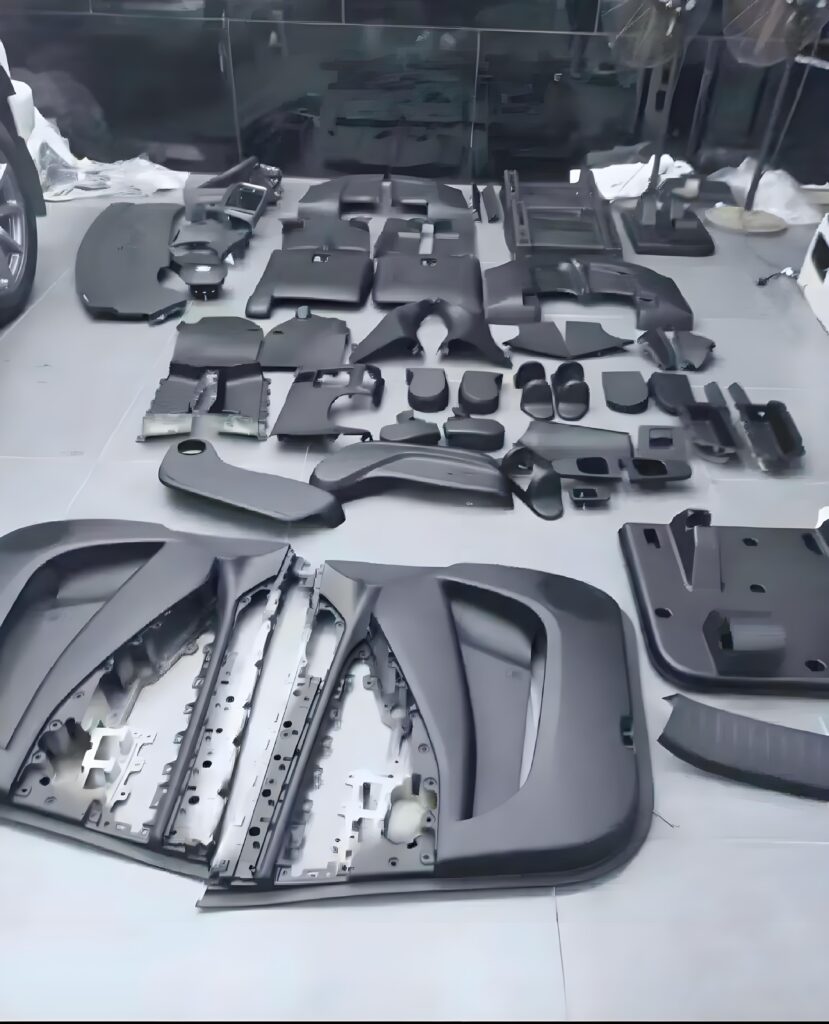
In the automotive supply chain, the coating of parts such as brackets, suspension components, and small interior trim pieces is facing strict VOCs emission limits. Although traditional solvent-based paints offer fast application, they pose enormous environmental pressure. Waterborne Industrial Coatings have matured, providing automotive parts manufacturers with a choice that is both compliant and efficient.

1. Performance Improves Rather Than Declines: The Core Advantage of Water-Based Paint Many people worry about the adhesion of water-based paint, but in practical applications:
- Excellent adhesion: Specially modified water-based acrylic or epoxy systems provide excellent adhesion on degreased metal parts.
- High salt spray resistance: For corrosion-prone areas such as automotive chassis parts, water-based primer can provide salt spray test performance of over 240–500 hours.
- Color stability: Water-based paint is less prone to yellowing and can maintain the original appearance of components over a long period.
2. Practical Tips for Solving "Slow Drying" "Slow drying" is a pain point in the promotion of water-based paints, which can be easily solved through process optimization:
- Forced flash-off: After spraying, perform forced air blowing at low temperature (40-60°C) for 5-10 minutes to accelerate moisture evaporation.
- Humidity Control: It is recommended to keep the construction environment humidity below 80%. Increasing air circulation can significantly improve drying speed.
3. Precautions for the "oil-to-water" switch
- Equipment compatibility: Since water is corrosive, spraying equipment (such as spray guns, pipes) needs to be replaced with stainless steel material.
- Substrate preparation: Water-based paint is more sensitive to surface oil and grease, so pre-treatment (degreasing, phosphating, or ceramic conversion coating) must be more thorough.
4. Manufacturer's Recommendation: Full-Line Technical Support We not only provide high-quality water-based paint products, but also assist customers in optimizing baking line parameters, offering full-process technical guidance from substrate cleaning to finished product inspection, ensuring a smooth transition from oil-based to water-based coatings.




Conclusion: Environmental protection is not a burden, but a competitive edge. Using water-based industrial paint for automotive parts spraying is not only to comply with policies, but also to enhance the company's brand image and sustainable development capability.