In today's highly competitive coatings market, many entrepreneurs and business owners wish to launch their own branded paints but lack their own manufacturing facilities. In such cases, partnering with a professional coatings factory and adopting an OEM production model—where the coatings factory manufactures paint under your brand name—becomes an efficient and cost-effective solution. This article provides a detailed explanation of how to achieve this goal, starting with the concept of branded paint, moving through the selection of coatings factories and the specific steps of OEM production, and extending to paint quality control and coatings supply chain management, offering a comprehensive guide. Whether you are new to the coatings industry or looking to expand your custom branded coatings business, this article delivers practical value.

First, let's understand what branded paint and OEM production are. Branded paint refers to coating products sold under a specific brand name; these products may be manufactured by a third-party coating factory but carry your trademark and packaging design. OEM production (Original Equipment Manufacturer) is a common cooperation model in which a coating factory produces customized paints that meet specifications according to your requirements and delivers them as your branded paint. The advantage of this approach is that you can enter the market quickly without investing in expensive production equipment. For example, many well-known coating brands are actually realized through paint contract manufacturing, which greatly lowers the barrier to entry.
Choosing the right coatings factory is a critical step toward success. When looking for a coatings factory, you need to consider several factors: first, the factory's qualifications and production capacity. A quality coatings factory should have ISO certification, environmental compliance, and advanced paint manufacturing processes. Second, examine the factory's geographic location and the stability of its coatings supply chain. For example, a coatings factory located in a well-developed industrial area can better control raw material sourcing and ensure consistent quality of branded paints. It is recommended to evaluate through industry exhibitions, B2B platforms, or direct factory visits. At the same time, understand the factory's track record of paint factory partnerships to see if it has successful cases of branded custom coatings.


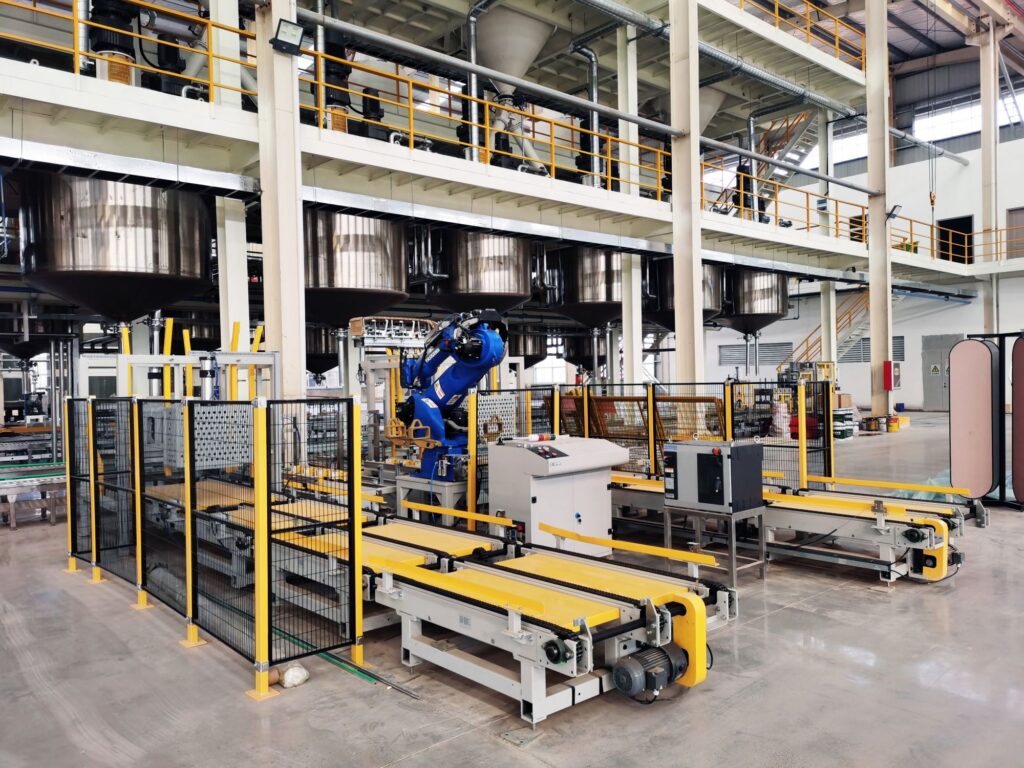
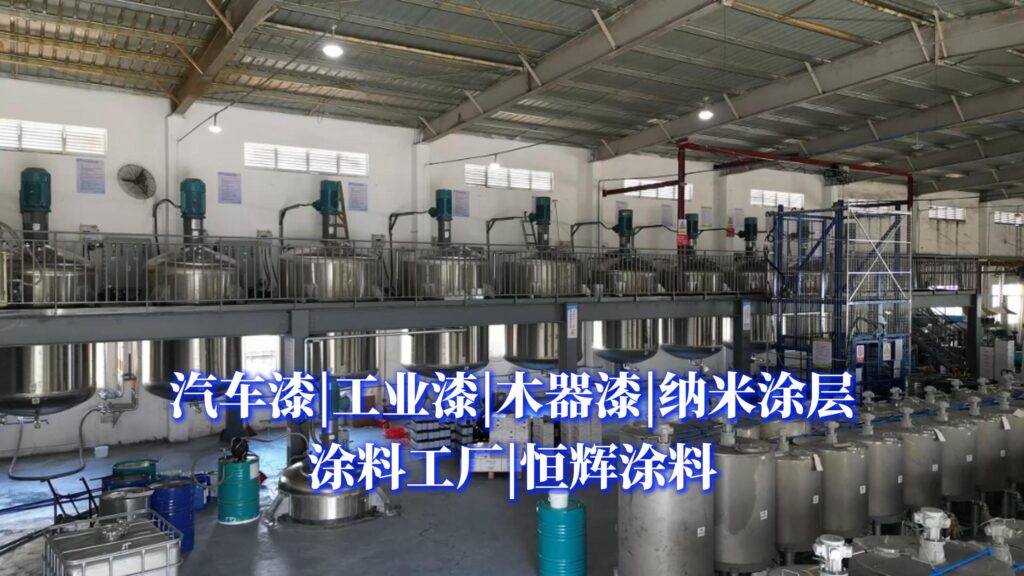


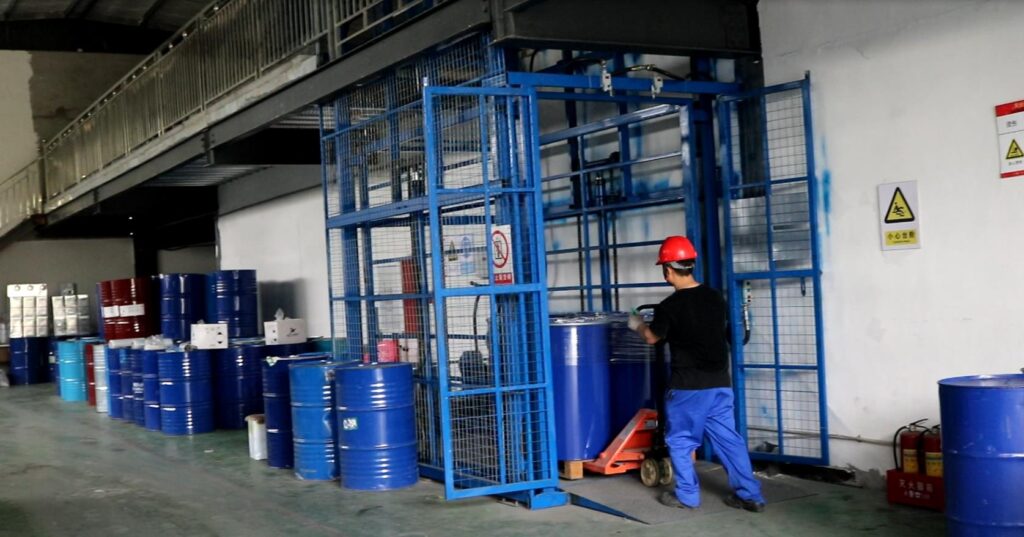


Once a coating factory is selected, the next steps are signing the contract and formulating the OEM production plan. The contract should clearly specify the customized paint formula, color, packaging specifications, as well as delivery time and price. OEM production typically includes the following steps: 1. Requirement confirmation: You provide the design concept of your branded paint, including color matching and functional requirements (such as waterproofing, anti-corrosion). 2. Sample development: The coating factory prepares samples based on your requirements and conducts testing and adjustments. 3. Mass production: After sample approval, the paint production process begins, including raw material blending, stirring, filtration, and packaging. 4. Quality inspection: A paint quality control system is used to ensure the products comply with national standards. The entire process may take 1–3 months, depending on order volume.

In the process of building a paint brand, marketing strategies for custom-branded coatings are also crucial. You can leverage social media and e-commerce platforms to promote your branded paints, emphasizing their unique selling points such as eco-friendly formulations or exclusive colors. At the same time, pay attention to intellectual property protection: when partnering with coating factories, ensure the contract includes confidentiality clauses to prevent formula leakage. This helps maintain the long-term competitiveness of your paint OEM business.
Certainly, paint toll manufacturing is not without its challenges. Common pain points include supply chain disruptions, quality fluctuations, and cost control. To address this, establishing a stable coatings supply chain is essential, and selecting multiple backup paint factories can mitigate risks. In addition, conducting paint quality control through third-party testing institutions can further ensure product quality. Many successful cases show that companies paying attention to these details can turn their branded paints into best-selling products in the market.
To give readers a more comprehensive understanding, we also need to discuss environmental and regulatory issues. In China, coating production must comply with standards such as GB/T 18582-2008 to ensure that branded paints are low-VOC (volatile organic compounds). Choosing a coating factory with green OEM production can not only enhance the brand image but also meet international export requirements. If you plan to export customized paints, you also need to be aware of the EU REACH regulation or the US EPA standards.

Next, let’s take a closer look at the specific stages of the paint production process. Paint production is generally divided into stages such as raw material preparation, dispersion and grinding, and tinting and packaging. In raw material preparation, the coating plant procures resins, pigments, solvents, etc., ensuring the purity of the coating supply chain. The dispersion and grinding stage uses high-speed mixers to achieve uniform pigment distribution, which is critical in determining the gloss and durability of branded paints. During tinting, custom colors can be formulated according to Pantone color charts. The packaging stage involves bottling or pailing and printing your brand name on the containers. Through automated paint production processes, modern coating plants can achieve efficient OEM production with a daily output of several tons.

In practice, many entrepreneurs encounter funding issues. Initial investment includes sample costs, mold fees, and first-order payments. It is recommended to start with small-batch custom paint, test market feedback, and then scale up. Meanwhile, leverage government subsidies or industry association resources to reduce collaboration costs with paint factories.
There are countless successful cases of branded paints. For example, a domestic emerging coating brand rapidly captured the home decoration market by launching eco-friendly water-based branded paints through an OEM production partnership with a coating factory in Guangdong. Their secret lies in precise paint quality control and innovative coating brand-building strategies.
In summary, having a paint factory produce paints under your brand name is a viable entrepreneurial path. By mastering OEM production techniques, selecting a reliable paint factory, and optimizing the paint supply chain, you can achieve your goals efficiently. We hope this article provides you with some inspiration, and if you have any questions, feel free to discuss them in the comments section.

FAQ
- What is the application of OEM production in the coatings industry? OEM production refers to coating factories manufacturing customized paints according to customer requirements and delivering them under the customer's brand name, commonly used for the rapid market launch of branded paints.
- How to choose the right coating factory? Prioritize factory qualifications, production capacity, and the paint production process. You can evaluate by on-site inspection or reviewing paint factory cooperation cases.
- What is the production lead time for branded paints? From sample development to delivery, it usually takes 1-3 months, depending on the complexity of the custom paint and the order volume.
- How is paint quality control ensured? Through third-party testing and internal factory standards, we ensure that branded paints comply with national environmental and quality regulations.
- What are the costs included in paint OEM? Mainly include raw material costs, production costs, packaging costs, and shipping costs. It is recommended to start controlling costs from small-batch paint contract manufacturing.
- How to protect the intellectual property of custom-branded coatings? Include confidentiality clauses in the contract and register trademarks to prevent formula leakage.
- What to do if the paint supply chain is disrupted? Establish multiple backup paint factories and monitor raw material supply in real time.
- What should be noted when exporting branded paints? Comply with international standards such as REACH to ensure customized paints are environmentally compliant.