In industrial anti-corrosion engineering, epoxy zinc-rich primer has become a core choice due to its excellent cathodic protection. As a professional industrial coating manufacturer, we provide an in-depth analysis of the working principle of epoxy zinc-rich primer, key construction steps, and how standardized operations can extend the service life of steel structures.
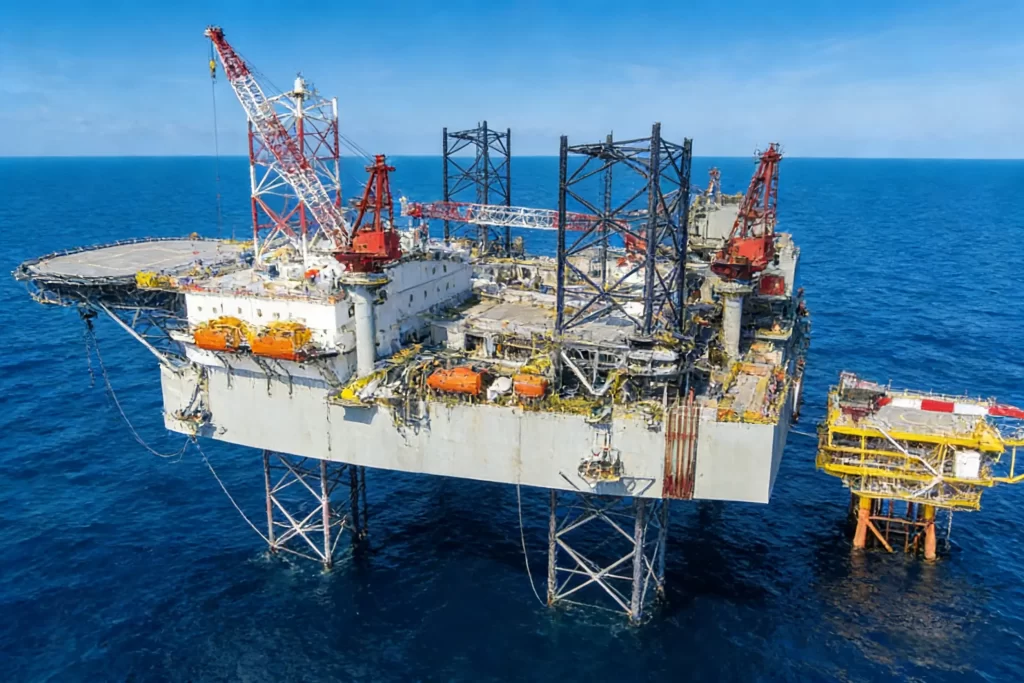
In steel structure engineering such as bridges, factories, and oil pipelines, corrosion is the number one enemy threatening structural safety. Epoxy zinc-rich primer, as the "golden primer" in heavy-duty anti-corrosion systems, its performance directly determines the success or failure of the entire anti-corrosion coating.
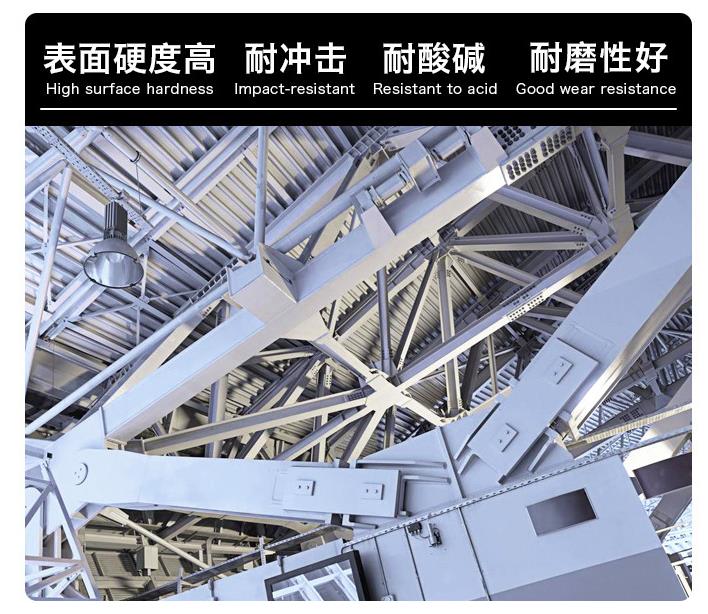
1. Why is epoxy zinc-rich primer irreplaceable? It has unique cathodic protection. The paint film contains a large amount of zinc powder. When corrosion occurs, the zinc powder acts as the anode and is corroded first, thereby protecting the steel substrate as the cathode. Even if the paint film is slightly scratched, the zinc powder can still provide continuous protection through chemical reactions.
2. Key Before Construction: Surface Treatment (Sa 2.5 grade) Epoxy zinc-rich primer has extremely high requirements for substrate cleanliness.
- Sandblasting rust removal: Must meet the near-white standard of Sa 2.5 grade or above.
- Roughness: Maintaining a roughness of 40-75 microns can significantly enhance physical adhesion and prevent large-scale peeling in later stages.
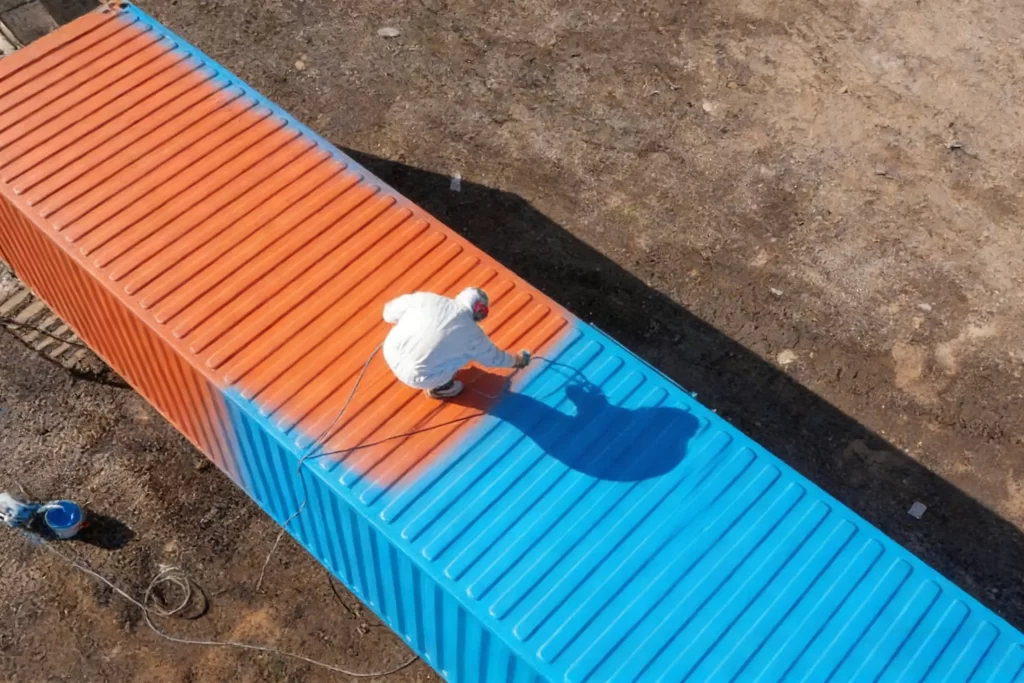
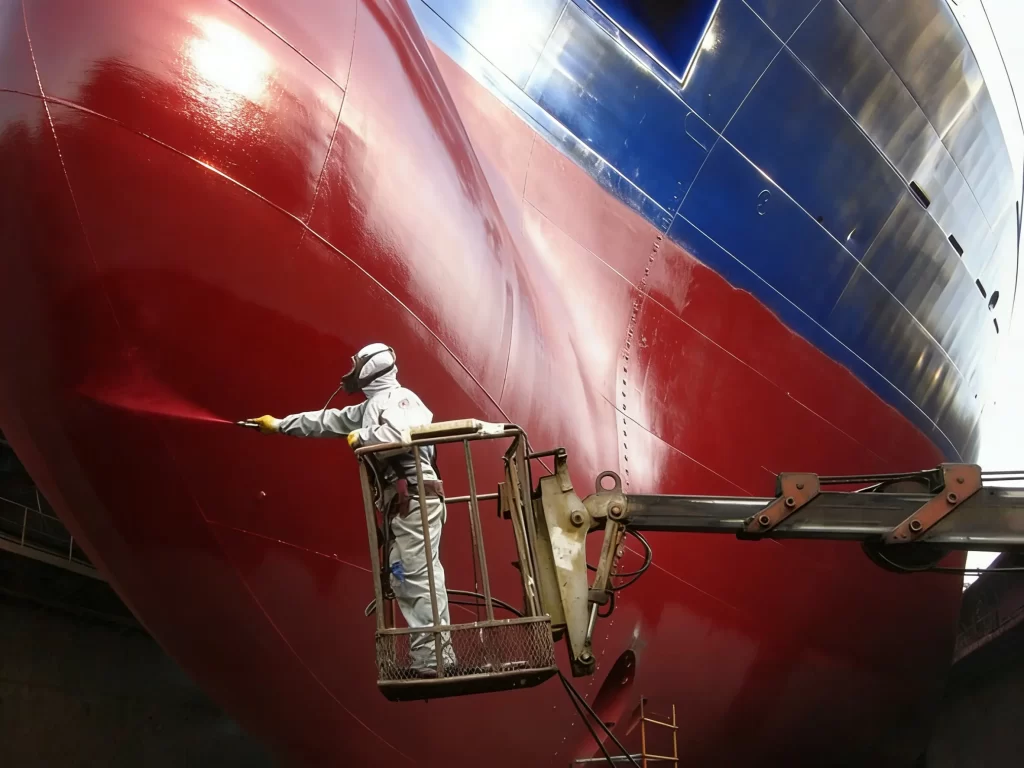
3. Professional Requirements During Construction
- Continuous stirring: Since zinc powder has a high specific gravity, it settles very easily. During application, a container with a stirring device must be used to ensure that every spray pass contains a sufficient amount of zinc powder.
- Film thickness control: The recommended dry film thickness is between 40-80 microns. Too thin will not provide sufficient electrochemical protection, while too thick will easily cause the paint film to crack.
- Curing time: After mixing the curing agent, the curing time specified in the instructions must be allowed for the chemical reaction to fully initiate and ensure the performance of the paint film.
4. Our Product Advantages The epoxy zinc-rich primer we produce features high zinc content and excellent weldability. Even after high-temperature cutting or welding, the heat-affected zone is minimal and does not affect secondary coating, making it an ideal choice for large-scale steel structure projects.
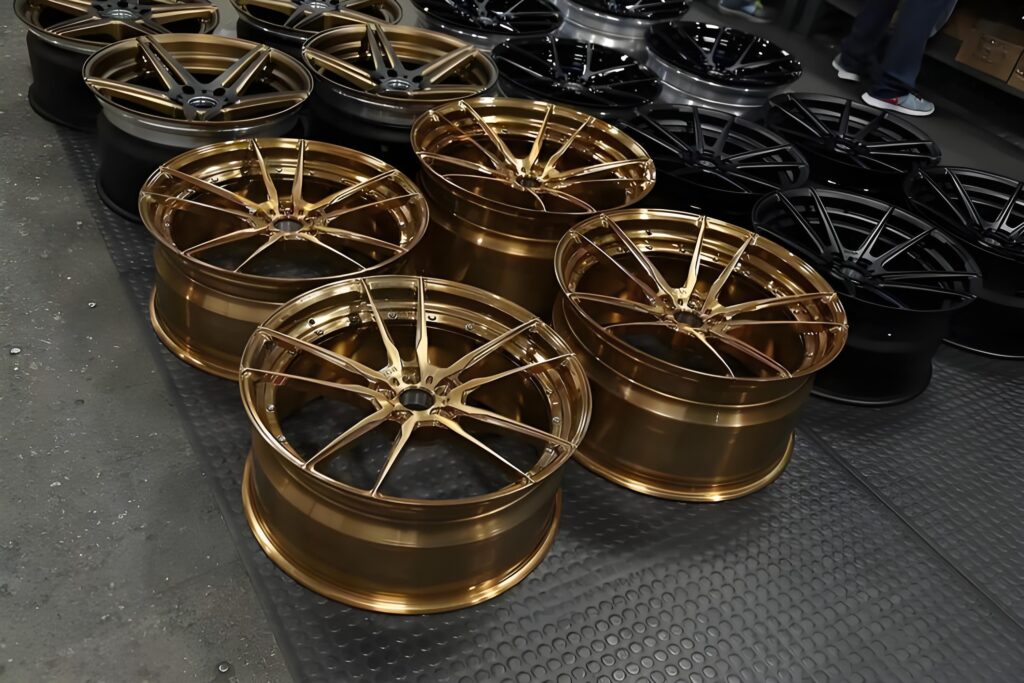
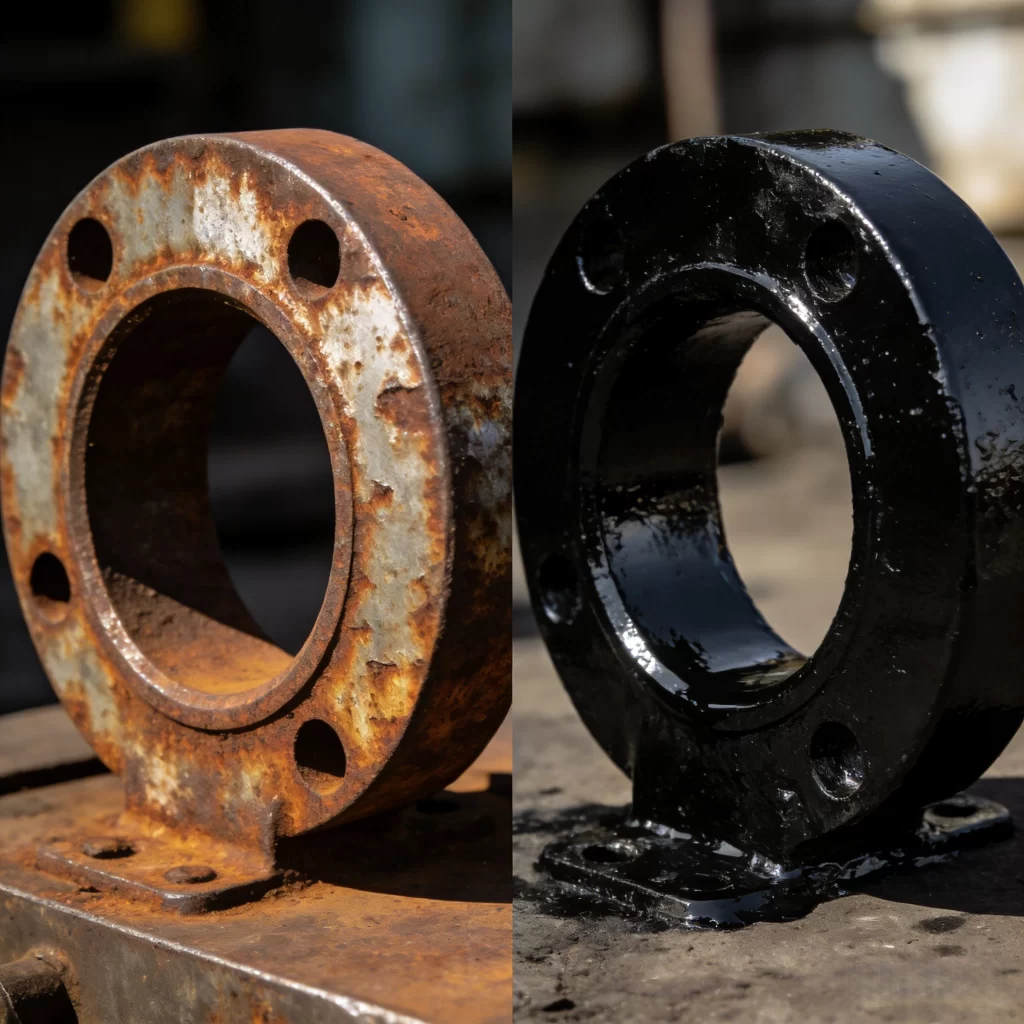

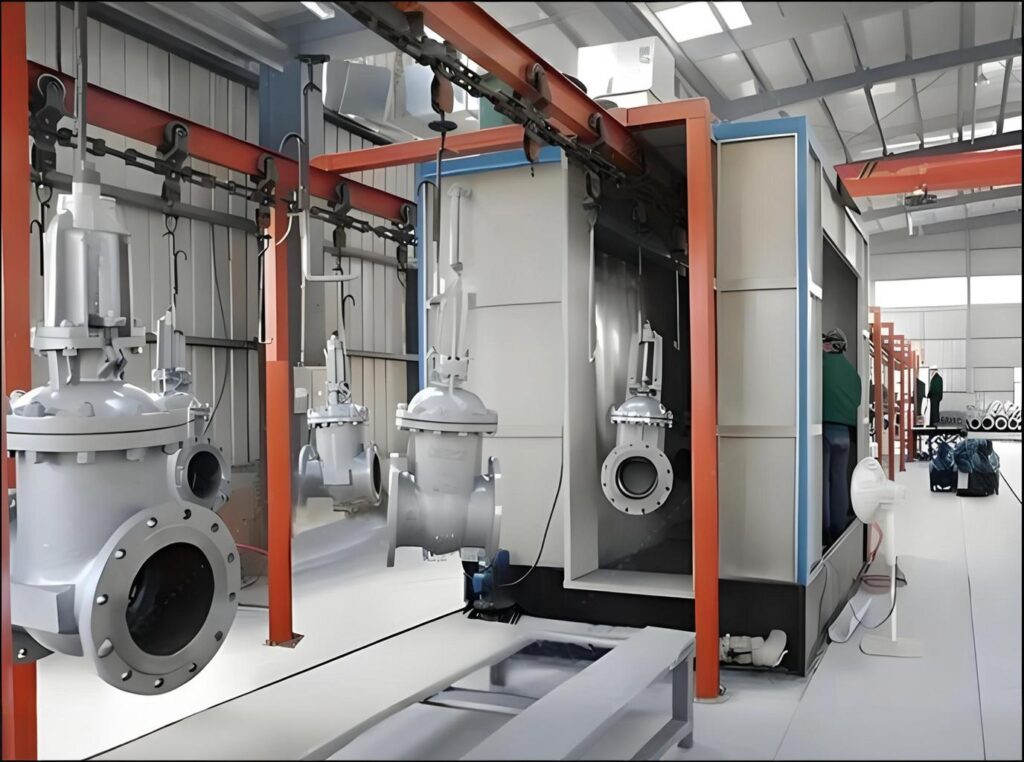

Conclusion: Epoxy zinc-rich primer is not just a coat of paint, but the "armor" of steel structures. Only by selecting high-quality products that comply with international standards and combining them with rigorous construction processes can we truly achieve "long-lasting corrosion protection and century-long quality."