——The Balance Between Premium Appearance and Harsh Service Environments
Automotive interior and exterior trim parts have extremely high requirements for appearance and durability. Focusing on automotive application scenarios, this paper systematically analyzes the application characteristics, technical challenges, and actual performance of mirror coatings on interior and exterior trim parts.
I. Background of the Automotive Industry's Demand for Mirror-Like Surface Appearance
As automotive design evolves toward premiumization and technological sophistication, requirements for the visual quality of interior and exterior trim parts continue to rise. Mirror coatings, characterized by high reflectivity and high gloss, are widely used to enhance overall vehicle texture and brand identity.
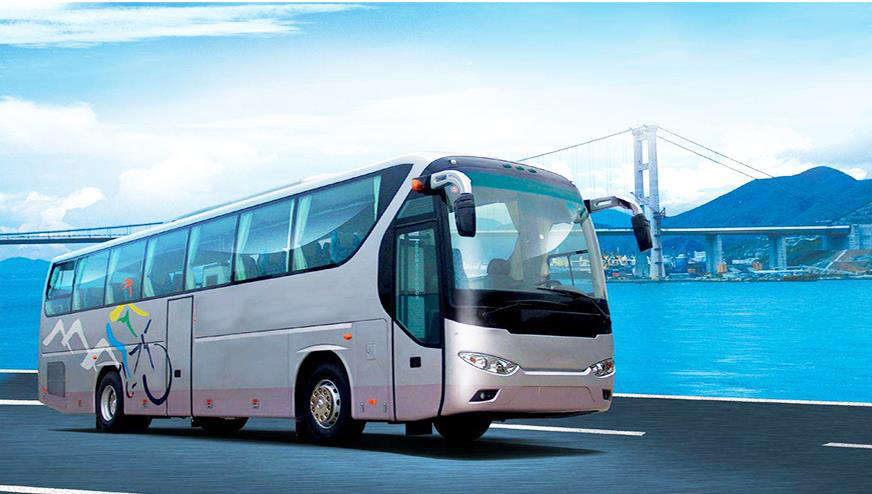
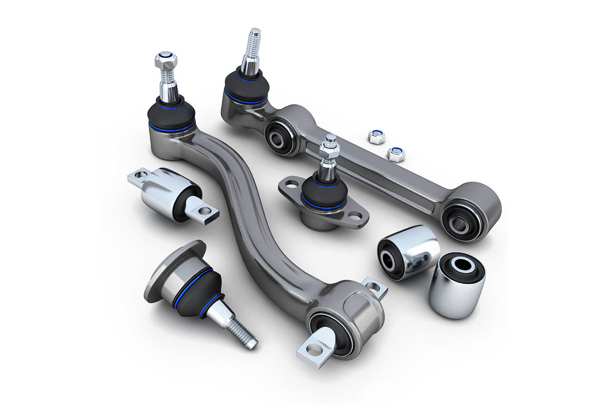
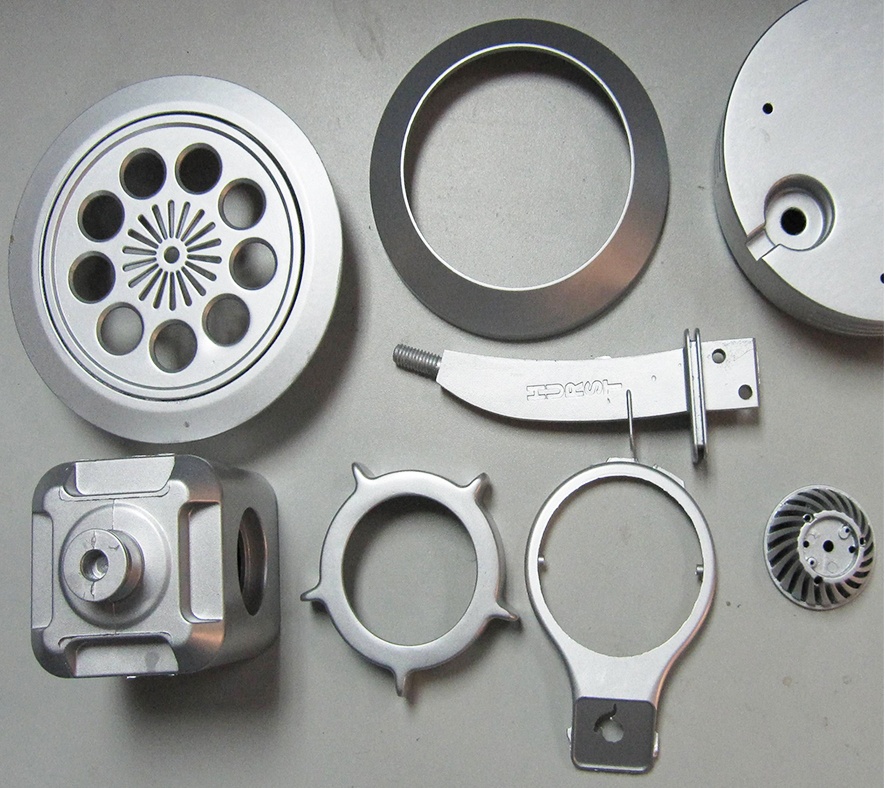


II. Application of Mirror Coatings on Automotive Interior Trim Parts
1. Center control panel and decorative strip
Mirror coatings provide a refined and uniform visual effect for center control panels and decorative trims, and are highly integrated with the overall interior design style of the vehicle.
2. Function buttons and decorative components
On functional buttons and local decorative parts, the mirror coating not only enhances the visual grade but also needs to balance wear resistance and tactile requirements.
III. Application of Mirror Coatings on Automotive Exterior Trim Parts
1. Decorative cover and identification part
Mirror coatings are commonly used on decorative covers and brand identification parts to enhance visual highlights and recognizability.
2. Weathering requirements for exterior decorative parts
Automotive exterior parts are exposed to complex environments over the long term, imposing higher requirements on the weather resistance and stability of mirror-finish coatings.
IV. Technical Challenges in Automotive Applications
In automotive application scenarios, mirror coatings need to simultaneously address:
- temperature differential variation
- UV irradiation
- Mechanical shock and vibration
This imposes more stringent requirements on the material system and coating structure design.

V. Structural Design and Performance Balance
In automotive interior and exterior trim components, mirror coatings must balance high-reflective appearance with durability performance to ensure appearance stability during long-term use.
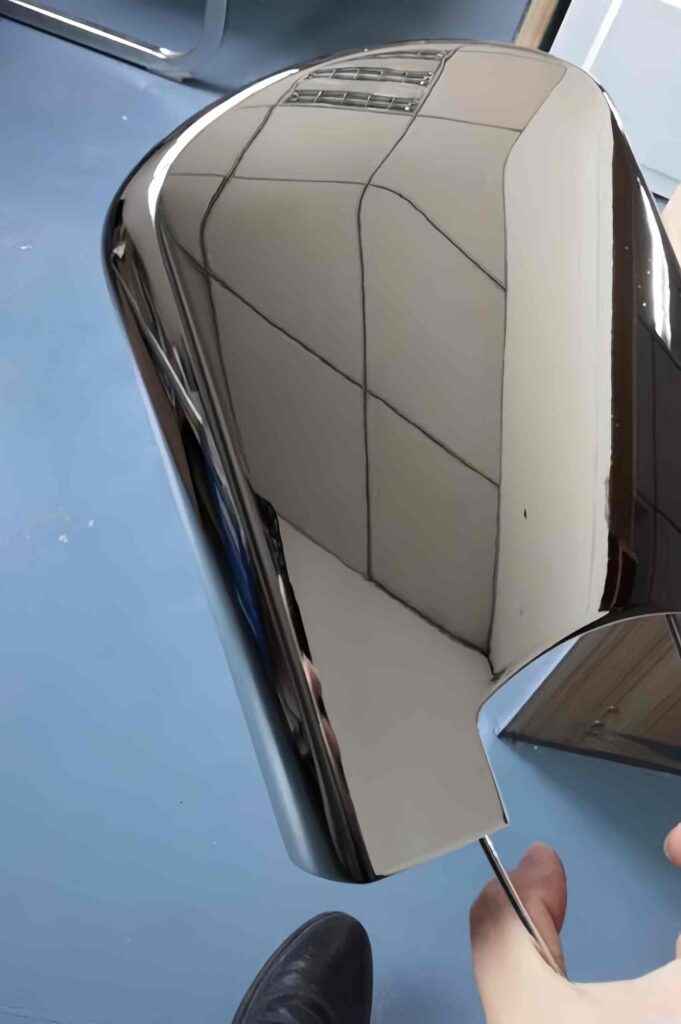
VI. Mass Production and Consistency Control Requirements
The automotive industry demands extremely high batch-to-batch consistency and quality stability. For mirror coatings in automotive applications, mature mass-production control capability is essential.
VII. Application Value and Industry Significance
The successful application of mirror coatings on automotive interior and exterior trim parts helps enhance the perceived quality of the vehicle and brand image, while maintaining the design and cost advantages of plastic materials.

VIII. Conclusion
The application of mirror coatings on automotive interior and exterior trim parts is a significant demonstration of their technical maturity. Through rational design and stringent process control, stable, high-quality mirror-finish appearance can be achieved even under harsh service environments.