— Integration of premium exterior design and mass-production feasibility
Mirror coatings are widely used in the consumer electronics field to enhance product appearance quality. This paper analyzes the design value and practical application performance of mirror coatings in consumer electronic products through typical application scenarios.
I. Background of the Demand for Mirror-Like Appearance in Consumer Electronic Products
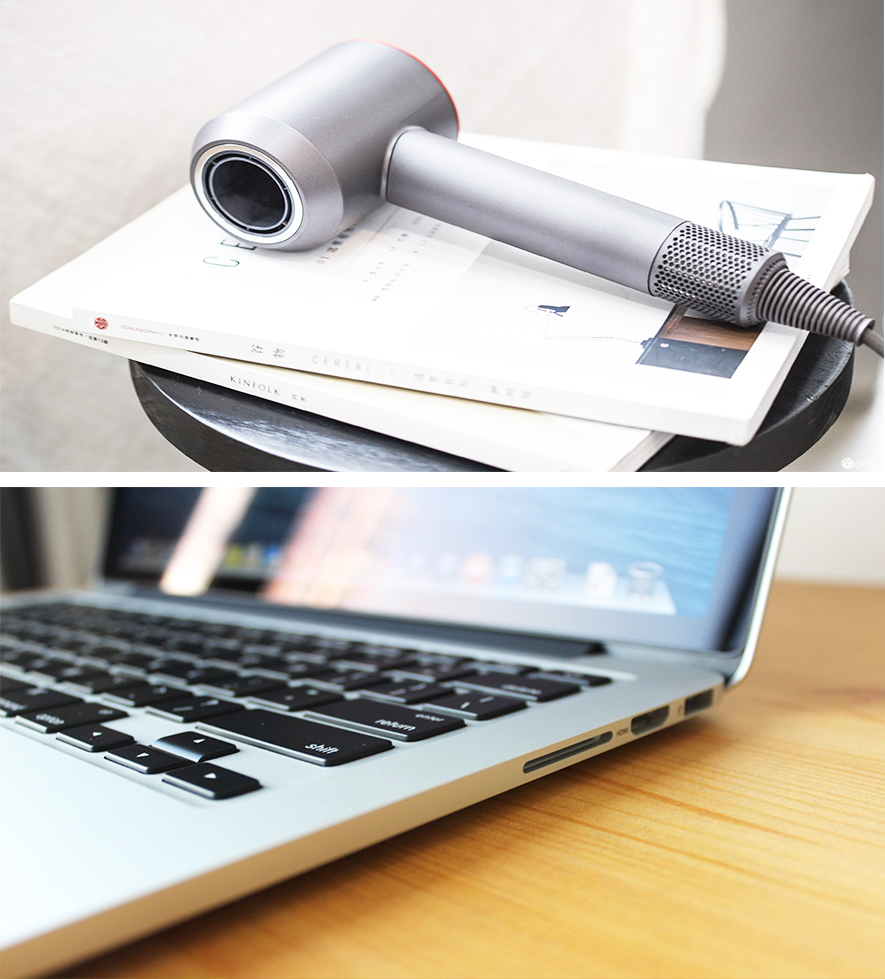
Consumer electronic products place a high emphasis on refinement and a sense of technology in their exterior design. Mirror coatings, with their high reflectivity, high gloss, and strong visual impact, have become a common high-end appearance solution for plastic housings and decorative parts.
II. Analysis of Typical Application Scenarios
1. Smart device enclosures
Mirror coatings can impart a strong sense of modernity to smart device housings while preserving the lightweight advantage of plastic materials.
2. Operation Panel and Decorative Parts
On the operation panel and functional decorative parts, a mirror coating enhances the overall uniformity and visual identity of the product.
3. Appearance components of wearable devices
Wearable products emphasize refined appearance and comfortable experience; mirror coatings must meet aesthetic demands while also balancing wear resistance and stability.
III. The Value of Mirror Coatings in the Design Phase
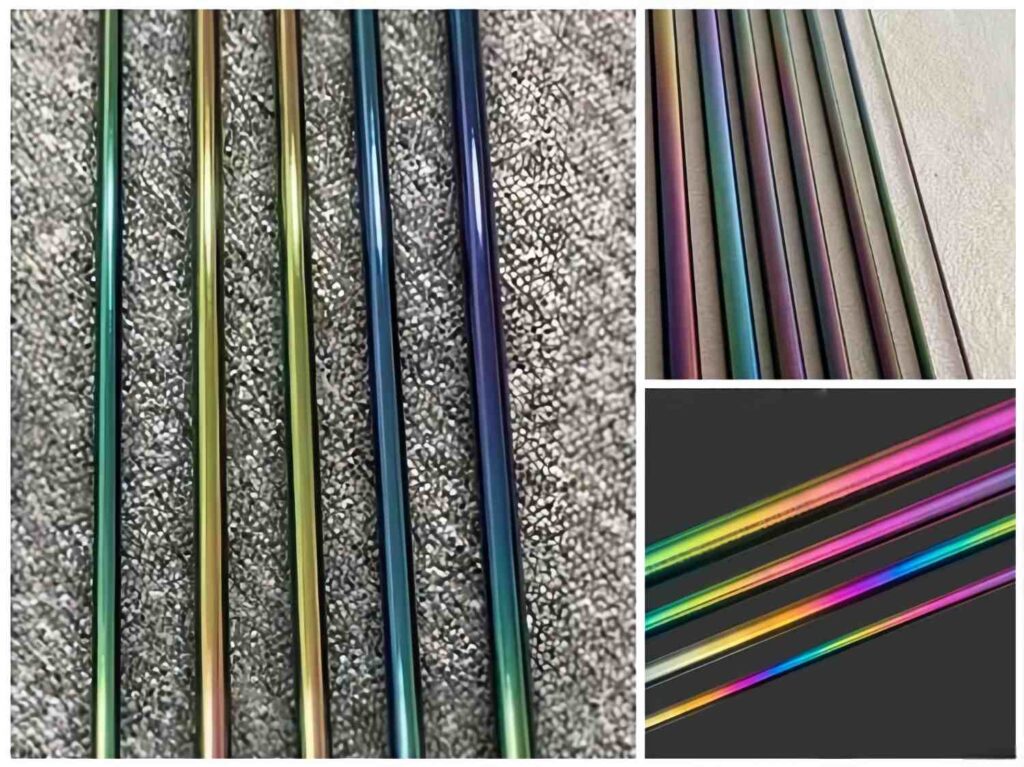
Mirror coatings provide designers with richer visual expression means, giving products greater depth in form and light-shadow presentation, and helping to create brand differentiation.
IV. Actual Performance in Production-Scale Applications
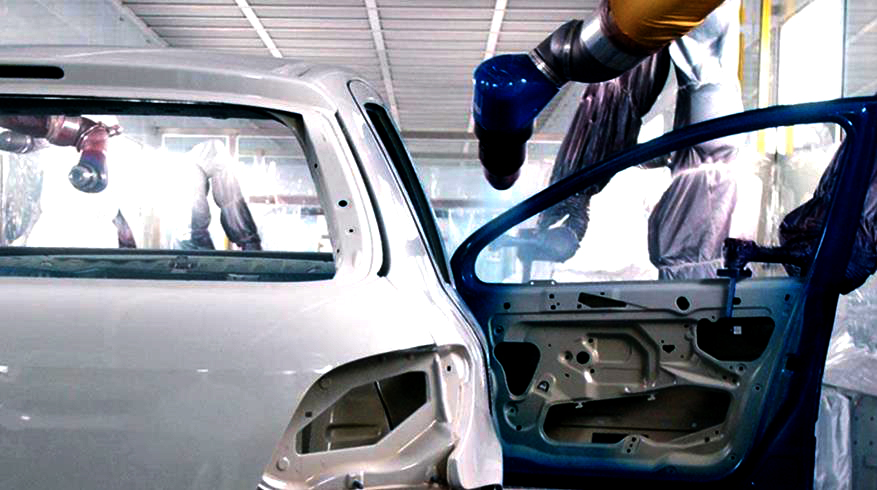
In mass production of consumer electronics, mirror coatings must balance aesthetic appearance with yield. Mature coating systems can achieve stable appearance output and meet the demands of scaled manufacturing.
V. Performance Requirements and User Experience
Consumer electronic products are frequently touched and handled during daily use, so mirror coatings must possess good abrasion resistance and environmental adaptability to maintain long-term appearance quality.
VI. Technical Challenges in Application
Under complex structures, small-sized components, and high assembly precision requirements, mirror coatings require more refined process control to ensure visual consistency.
VII. Summary of Application Value
The successful application of mirror coatings in consumer electronics not only enhances the aesthetic quality but also strengthens the market competitiveness of the products.


VIII. Conclusion
Through rational design and mature processes, mirror coatings can achieve a favorable balance between high-quality appearance and mass-production feasibility in consumer electronic products.