Entering 2026, the global building materials industry continues to accelerate its green and functional upgrading. As a core material for building facades and indoor protective layers, architectural coatings are undergoing profound technological innovation in their development direction. Driven by policies, changing consumer demands, and the penetration of new technologies, architectural coatings, 2026 coating trends, water-based architectural coatings, eco-friendly coatings and other keywords have become high-frequency focuses in the industry. The following will analyze the mainstream directions of architectural coatings in 2026 from the perspectives of color, materials, performance, and application scenarios.


1. Environmental Protection and Water-Based Solutions Continue to Be the Main Trend
In 2026, regulations will tighten VOC limits, driving the industry to fully shift to water-based architectural paints and low-VOC coatings. Water-based resins have matched traditional solvent-based ones in scrub resistance, weather resistance, and adhesion, making them the preferred choice for home decoration and engineering projects.
At the same time, the new green building material certification system has also continuously increased the weight of eco-friendly coatings in project tenders, and manufacturers have begun to increase investment in plant-based emulsions, bio-solvents, and low-odor formulations.
II. Breakthroughs in Weather-Resistant Technology Become the Core Competitiveness of Exterior Wall Paint
Faced with the intensifying urban heat island effect and increasing rainy/foggy weather, the demand for protection of building facades has risen significantly. Key developments for exterior wall coatings in 2026:
- UV-resistant aging coating
- Self-cleaning Nano Coating
- High-stain-resistance exterior wall paint
- Reflective Thermal Insulation Exterior Wall System
With products represented by weather-resistant coatings gradually becoming standard for high-rise buildings, coastal buildings, and landmark projects, the life-cycle performance of buildings is improved.
III. Functional Coatings Become the Biggest Highlight of 2026
Users' requirements for coatings are no longer just "good-looking," but have upgraded to "must protect, must be healthy, must be smart." The market demand for functional architectural paints is growing rapidly, including:
- Antibacterial and Antiviral Interior Wall Paint
- Air-purifying Formaldehyde-decomposing Paint
- Humidity-regulating interior wall paint
- Wear-resistant floor paint
- Mold-resistant and alkali-resistant engineering paint
These functional coatings are in high demand in public spaces such as hospitals, schools, hotels, and subway stations, and have become the focus of future competition.
IV. 2026 Architectural Color Trends: Nature, Neutrals, and Tech Sensibility Coexist
With the popularization of AI color grading and data analysis technology, the 2026 color trends are becoming more modular and scenario-based. The keyword color trends continues to grow in popularity in the building materials field.
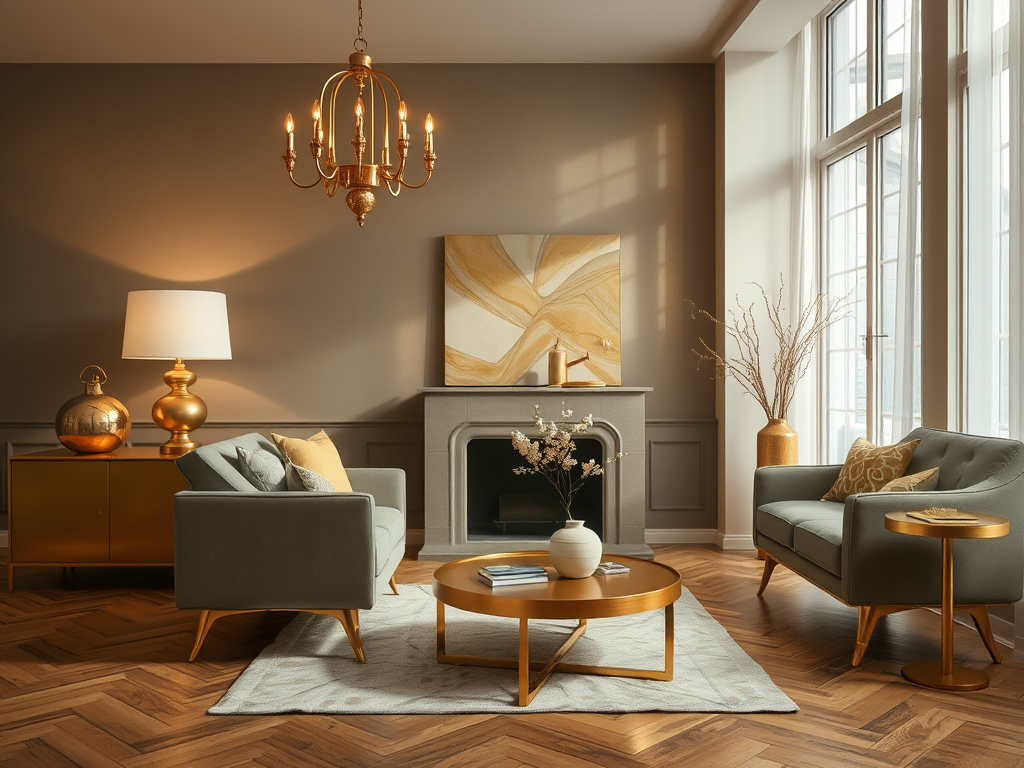
(1) Natural color palette: low-saturation green, soil brown, light sand beige
Symbolizing sustainability, stability, and a return to simplicity, it is primarily used in residential and light commercial spaces.
(2) Tech Gray and Future Silver
Commonly used in commercial buildings and technology parks, emphasizing a "futuristic feel" and calm professionalism.
(3) Warm White and Light Wood Tones
Still the best universal colors for home decor, bringing softness and adaptability to the space.
V. Intelligent Applications Enter the Architectural Coatings System
In 2026, the digitalization of the architectural coatings industry accelerated markedly, with AI and IoT being applied to:
- AI precision color matching and color management
- Coating construction quality monitoring
- Intelligent detection system for coating thickness and color difference
This makes architectural coating products more standardized and improves the construction efficiency of large-scale projects.

VI. Strengthening the Differentiated Needs between Engineering and Home Decoration Scenarios
Engineering field: More inclined toward long-lasting weather resistance, high coverage, one-coat film formation, and cost-effectiveness.
Home decoration market: Emphasizes eco-friendliness, color comfort, texture, and functionality.
Construction enterprises and coating manufacturers need to develop tiered product lines targeting the two major markets to enhance competitiveness.