Introduction: Component coating is "not something you can just take body paint and use it as is"
Automotive painting's “body painting” (OEM——PPG/BASF/Axalta's 4C3B/3C1B/compact process)
and “parts painting”
——are two almost “parallel but non-intersecting”
technical routes——(1) Body's steel substrate (cold-rolled sheet——uniform——pretreatment (phosphating/silane)——electrophoresis (KTL——>25μm——160-180°C/20min)——primer+surface coat+clear coat "standard four layers" each body——almost identical "process recipe"); (2) Parts——different materials (cast iron brake discs/spring steel/aluminum/copper radiators)——extreme working environment (>600°C——gasoline resistant——>10⁷ fatigue cycles——heat conduction)——parts coatings cannot be direct reuse of "body paint"——need to customize "substrate+working environment+failure mode" based on "three key conditions"
. Automotive parts coatings "one dedicated formula per part type——not a universal coating" its technical barrier (Know-how) may be higher than body paint——because "involving wide fields" (from tribology——thermology——fatigue——gasoline resistance) >5 disciplines' intersection.
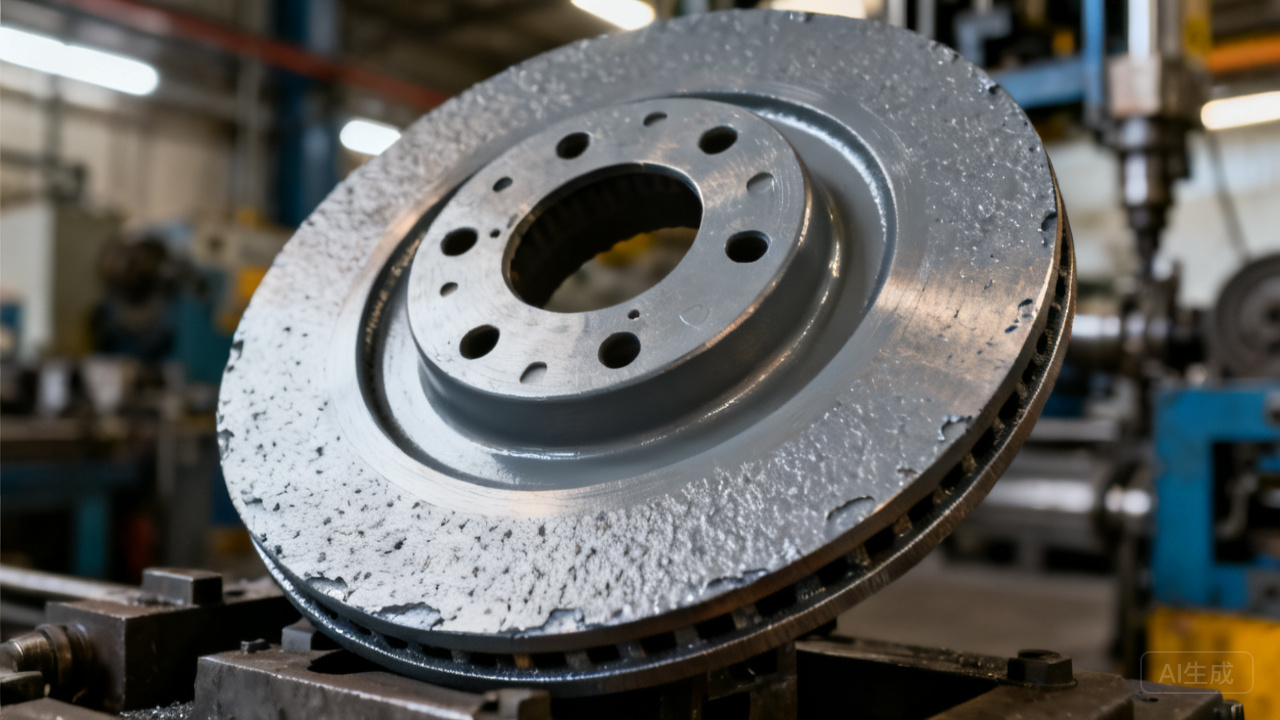
The coating process for automotive parts is a customized coating technology system for different parts (brake discs/springs/fuel tanks/radiators/exhaust pipes) according to their respective extreme working environments (>600°C/gasoline immersion/10⁷ cycle fatigue/heat conduction)—through targeted coating selection (epoxy zinc-rich/epoxy powder/gasoline-resistant PU/water-based thin coating/organic silicone aluminum powder)—combined with part-specific pre-treatment (shot blasting/phosphating/silane) and application/curing processes—achieving corrosion resistance/heat resistance/chemical resistance protection on the coating for that part while "not reducing the original functions (braking friction/spring K-value/heat dissipation K-value)".
I. Comprehensive Overview of Coating Selection for Five Major Components
| Component | Base Material | Extreme Working Conditions | Recommended Coating | DFT(μm) | Curing Conditions | Failure Mode |
|---|---|---|---|---|---|---|
| Brake Disc | HT250/Gray Cast Iron | >500°C braking/thermal cycling/salt spray | Epoxy zinc-rich primer + aluminum powder silicone topcoat | 40-80 | 180-200°C/20-30min | Coating worn through → cast iron rust → braking judder |
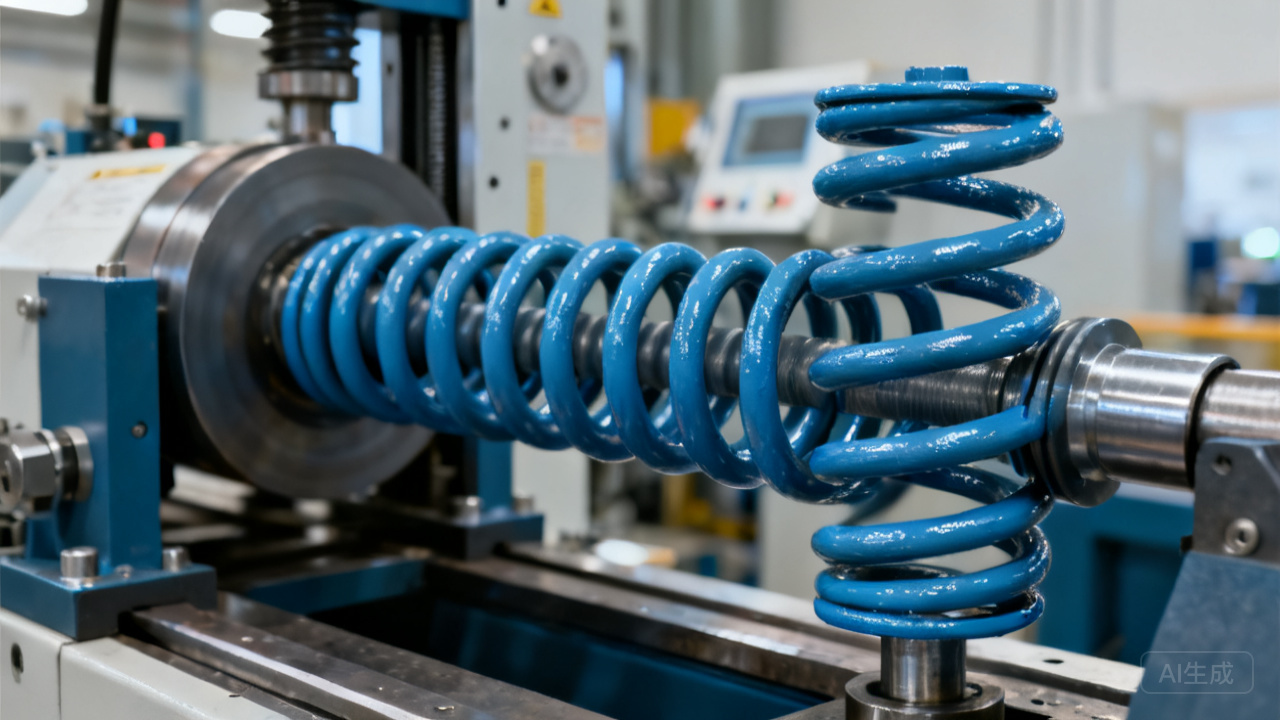
| Suspension Spring | 55CrSi/Spring Steel | >10⁷ cycle fatigue/gravel impact/salt spray | Epoxy powder coating (flexible type) | 60-120 | 160-200°C/15-25min | Coating brittle cracking → steel spring corrosion → fatigue fracture |
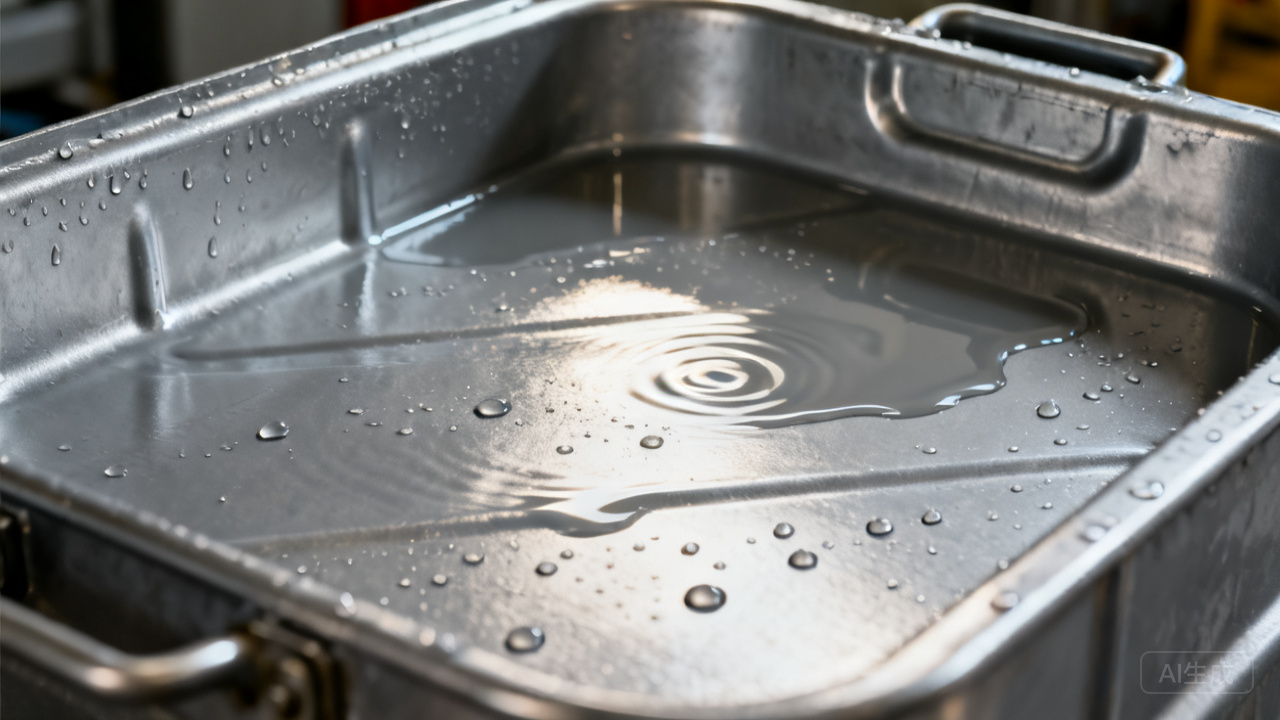
| Fuel Tank (Metal) | Galvanized Steel Plate | Gasoline immersion/inner wall/alcohol/outer wall salt spray | Inner wall: gasoline-resistant PU/fluorocarbon Outer wall: epoxy + acrylic | Inner 50-100/Outer 80-150 | 80-140°C/20-30min (depending on PU/epoxy type) | Inner wall: coating swelling/delamination → rust → fuel leakage Outer wall: salt spray perforation |
| Radiator | Aluminum 3003/Copper | Heat conduction/thin coating/>100°C coolant | Water-based acrylic (thin film) | 15-30 | 120-150°C/15-20min | DFT>50μm → heat conduction loss >10% exceeds standard |
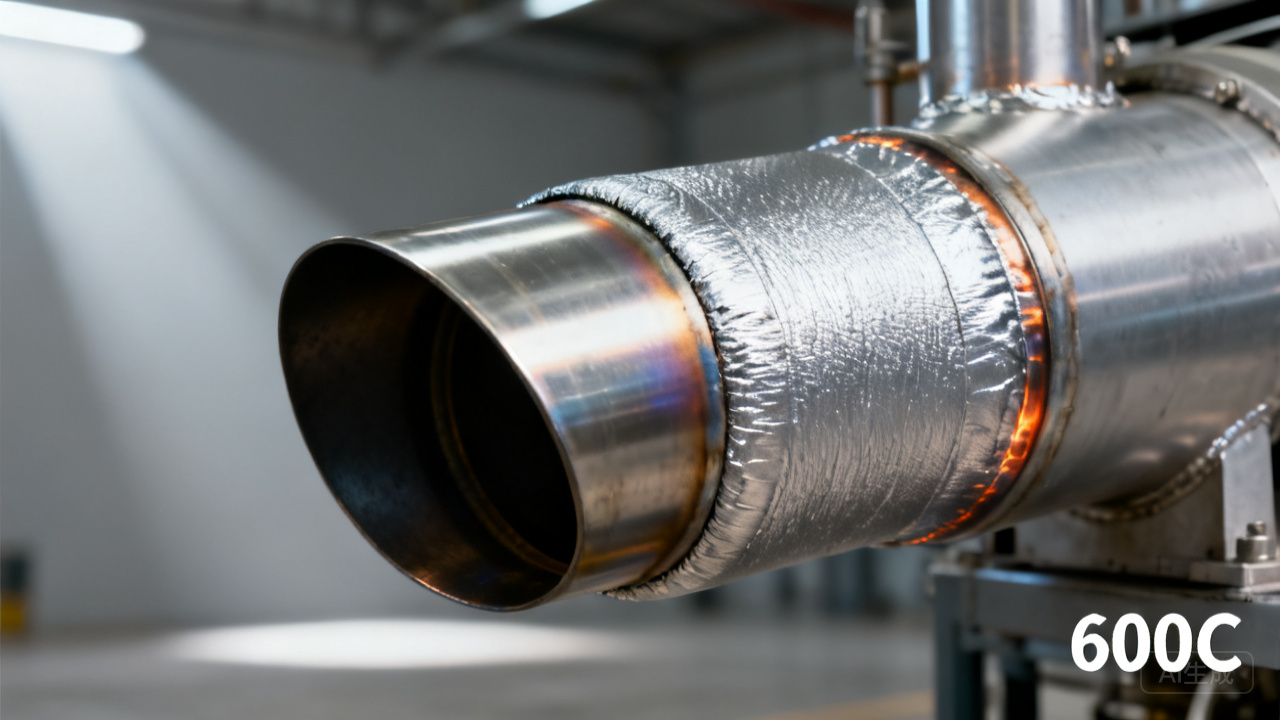
| Exhaust Pipe | 409/439 Stainless Steel | >600°C (near manifold) to <150°C (tail end) | Silicone aluminum powder (>600°C zone) | 30-80 | 200-250°C/30-60min | Coating burned off → stainless steel high-temp oxidation → perforation |
FAQ
Q1: Brake Disc Coating—why is "must not affect the friction coefficient" the design red line for brake disc coatings?
The working of a brake disc—relies on "brake pads (semi-metallic—containing steel fiber + graphite) + brake disc (cast iron—counterwear material—friction coefficient μ≈0.35-0.45—stable)—braking—converting kinetic energy into heat. The coating is on the non-friction surfaces of the brake disc (hub—disc edge) and ventilation grooves—purpose—corrosion protection—not applied on the friction surface (braking surface—would quickly wear through—coating applied in vain—and may blend into the brake pad—altering the μ between pad/disc—leading to "brake failure"
—which is fatal). For the hub and ventilation grooves—the coating must not generate "volatile fractions" due to thermal degradation; these volatiles condense on the friction surface—reducing μ—"brake pad slipping"
—brake failure. Brake disc coating "heat-resistant and non-degrading + no contamination to the braking friction surface—volatility 500°C/TGA—60min—residue >80%)—this is the 'intrinsic safety' requirement of brake disc coatings".
Q2: Why is "flexibility" (elongation %) of spring coatings more important than salt spray resistance — the fatigue fracture mechanism of springs?
Suspension springs (helical — height >300mm — spring steel — hardness >HRC 45) — working compression/rebound — >10⁷ cycles
— Spring steel does not break due to "insufficient material strength" — but due to "corrosion fatigue" salt spray/rainwater — corrosion pits form on the spring steel surface — under repeated stress — stress concentration at the bottom of corrosion pits — microcracks initiate — propagate in fatigue cycles — ultimately brittle fracture
— This is "corrosion fatigue — the #1 failure mode of springs". The role of the coating is "to prevent corrosion pit formation" requiring the coating not only to resist salt spray (>1000h — adhesion — no peeling) — but also flexibility (elongation >10%) far higher than spring steel (elongation 1-3% during compression — the coating must stretch and contract with the steel — not "crack brittle" if coating elongation <5% — at the bend of the spring — coating cracks brittle — salt spray enters the crack directly — corrosion pit forms — spring fractures — the coating instead "promotes" the fracture) — therefore the "flexibility = lifespan" of spring coatings.
Q3: The dual challenge of "gasoline resistance" and "alcohol resistance" for the inner tank coating?
Global gasoline—E10 (>10% ethanol/most countries worldwide—China E10 since 2020) and E85 (Brazil/US Flex Fuel—>85% ethanol)—ethanol—(1) polar—carrier of water—bottom of tank—water-alcohol phase separation—coating soaked in water/alcoholwater permeation and swelling—coating blistering/softening
; (2) ethanol as solvent (δ≈26—close to δ of many polymers—coating may swell). Solvent-based PU—gasoline resistant (δ≈15—solubility mismatch—no swelling)—but for E10/alcohol-water—-NH-COO- in PU (urethane bond—strong hydrogen bonding with alcohol/water—may swell)—need to introduce into PUfluorocarbon segments or aliphatic isocyanate (HDI—hydrophobic—blocks water—alcohol penetration)
—this is one of the highest technical requirement fields for inner tank coatings (simultaneously resistant to pure gasoline + alcohol gasoline + water—soaking >1000h degreasingthree-layer requirement—satisfied simultaneously
).
Q4: How is the "thermal conductivity loss of coating" for radiator coating calculated?
Radiator (aluminum—thermal conductivity K≈200W/m·K)—coating (epoxy/acrylic—K≈0.2-0.5W/m·K—one thousandth of aluminum)—total "thermal resistance" (R) of radiator = R_aluminum + R_coating① + R_coating② (both sides)—R_aluminum≈δ_aluminum/K_aluminum—R_coating≈δ_coating/K_coating—total heat dissipationWhen coating DFT>50μm, "coating thermal resistance" accounts for >10% of total thermal resistance (i.e., heat dissipation drops by >10% compared to no coating)
—engine coolant temperature rises >5°C—under extreme heat/traffic jam—engine overheating red light—fault. Optimal—DFT0.5—electrophoretic paint (water-based—K≈0.3-0.5)—DFT 15-25μm—thermal conductivity loss <3-5%—is the preferred solution for radiator coatings. "Better to have slightly weaker corrosion resistance—must not have thermal conductivity loss—because engine overheating is a fatal fault."
Q5: Why does the exhaust pipe's "temperature gradient" require >2-3 different coatings for one exhaust pipe?
The exhaust pipe goes from exhaust manifold (near engine ——> 800°C) —— catalytic converter (>600°C) —— muffler (>300°C) —— tailpipe (650°C
—— A single coating cannot cover the entire temperature range —— (1) Manifold ——> 800°C —— only inorganic ceramic (silica sol/aluminum phosphate —— zero organic —— withstands >1000°C "fully inorganic"); (2) Muffler and mid-section ——> 300-600°C —— silicone + aluminum powder (>500μm —— aluminum powder > CTE compensation + oxidation resistance "organic → inorganic transformation"); (3) Tailpipe ——600°C —— complete product line". "Exhaust pipe coating is —— selecting coating section by section along the temperature gradient —— thermal management systems engineering".
Q6: Pretreatment of components — why do brake discs use "shot blasting" while springs use "phosphating"?
Brake discs (cast iron)shot blasting (steel shot >0.5mm — accelerated to >60m/s — sprayed — removes surface scale + rust — achieves Sa 2.5/cleanliness — roughness Rz>50μm — high coating adhesion)
"Mechanical pretreatment" is suitable for cast iron (gray cast iron — heat resistant — <200°C — will not deform from shot blasting). Spring steelphosphating (zinc series — Zn₃(PO₄)₂·4H₂O — phosphate layer >2-5g/m²)
— chemical pretreatment — (1) phosphate layer improves the spring steel'scoating adhesion (micro-roughness — mechanical anchoring)
and the phosphate layer itself has some rust resistance (short-term — prevents rust during workshop storage); (2) shot blasting createscompressive stress (residual compressive stress) on the spring surface
— spring fatigue life — surface compressive stress is beneficial — butshot blasting on the spring's inner bending radius (compression side — maximum stress — shot blasting "cold work hardening" may produce micro-cracks — instead reducing fatigue life)
— springs — phosphating "non-mechanically-damaging chemical pretreatment".
Q7: In component coating, the prominent advantage of powder coatings—"zero VOC" is already secondary, "high film thickness with single curing" is the core?
Powder coatings—(1) Single spray 60-120μm—single curing and forming
—Liquid coatings (solvent/water-based—DFT>60—requires 2-3 coats—each coat leveling/flash drying/curing "process time is >3 times that of powder"); (2) Powder pretreatment only pretreatment (phosphating/silane—no primer needed—because of thick film—itself is "primer+topcoat in one")—while liquid "pretreatment+primer+topcoat+topcoat reinforcement"
—Powder one coat = saves primer+topcoat—process time 4h.
Automotive parts (springs/brake discs—>millions/year—process efficiency "takt time" is core competitiveness—powder coating's—single spray—<120s takt—curing time >most economical process"
.
Q8: The irreplaceability of electrophoretic coating in components (radiators) — the advantage of "full surface coverage"?
Radiator (>100 flat tubes — internal — wall thickness <0.3mm — internal coolant channels — complex — cannot be sprayed (spray gun cannot enter interior) — liquid spraying cannot cover interior — but interior also suffers corrosion (coolant — water/ethylene glycol — pitting — perforation — leakage). Electrophoretic paint immersed in electrophoretic tank — under DC electric field — paint particles "everywhere" including internal pipes — >95% coverage
— DFT — inner wall 15-20μm — outer wall 20-25μm "full surface with no dead corners" — this is the irreplaceability of electrophoretic paint in radiators. Limitation of electrophoresis cannot withstand high temperature (degrades above 200°C) — radiator temperature <120°C — just suitable
.
Q9: Does the "thermal cycling test" of brake discs simulate a coating test for real braking?
The coating on brake discs—on a test benchbraking cycle—0→100km/h→emergency stop (brake pad friction—surface temperature >500°C)—cool to room temperature—repeat >100 times—the coating must not (1) peel off (thermal expansion—steel CTE≈12×10⁻⁶/°C—coating CTE≈30-50—each cycle—temperature difference >100°C—shear stress generated at interface—>100 times—coating does not flake off "high requirement for adhesion + CTE matching"
; (2) must notproduce volatiles (>thermogravimetric analysis—at >500°C/60min—weight loss <1%)—weighing—no thermal degradation
; (3) must notshow cracks (thermal cycling >100 times—coating does not crack—flexible)—this is the brake disc coating's "thermal cycle resistance—a performance indicator more critical than pure salt spray resistance".
Q10: Why is infrared (IR) replacing traditional hot air in the "curing oven" for component painting?
Components—complex shapes—traditional hot air "convection" heat transfers from air to part surface—then to part interior—slow heat conduction (>10-15min to reach target temperature)
—high energy consumption. Infrared curing (IR—short wave ×1-5μm—medium/long wave)—(1) infrared radiation directly penetrates the coating—absorbed by the substrate (steel/cast iron/aluminum)—substrate heats up—substrate conducts heat to the coating "inside→outside" curing accelerated—more than 3 times that of hot air
—heating time reduced from 10min to 60%; (2) IR is especially efficient for powder coatings—powder particles absorb infrared well—metal substrate reflects infrared (>50%—absorbed by powder "inside→outside" powder particles melt first—then diffuse—opposite to hot air's "outside→inside"—powder leveling is slower under IR—requires reasonable design of "IR + hot air hybrid" "IR—rapid heating—hot air—constant temperature—leveling". IR—component curing "hot air—traditional—reliable—but slow and energy-consuming—IR—efficient—higher investment (<1 million RMB/unit)—but pays back from energy savings within 3 years".
Related Reading
Summary
Automotive parts coating (brake discs/springs/fuel tanks/radiators/exhaust pipes — five major components — five customized coating solutions — with "not compromising the core functions of the components" (braking/elasticity/sealing/heat conduction/temperature resistance) as the red line of coating — require highly differentiated and professional customization in pre-treatment (shot blasting/phosphating/silane/electrophoresis — determined by component material and operating temperature), selection of powder or liquid coatings (need to meet contradictory properties such as flexibility/heat resistance/thermal conductivity/gasoline resistance), and curing (infrared + hot air — energy saving — zero VOC). Kexin New Materials provides automotive parts manufacturers with "component-specific coatings + process parameters + qualification tests"
— a one-stop coating solution.