When Chrome Plating Meets the Environmental Red Line: A Substitution Proposition Worth Hundreds of Billions
Chrome plating was once synonymous with "premium metallic texture." From automotive grilles and door handles to sanitary faucets and lamp reflector bowls, and to the bright silver decorations on countless plastic parts, electroplated chrome has dominated the field of decorative metallic appearance for decades with its unparalleled mirror-like reflection and hardness. However, entering the environmental era, electroplating is facing unprecedented red-line pressure: hexavalent chromium is a clearly defined carcinogen and high-risk pollutant; the electroplating process generates large amounts of heavy-metal-containing wastewater, acid mist, and hazardous waste; and global restrictions on hexavalent chromium continue to tighten. Even the relatively eco-friendly trivalent chromium process can hardly completely摆脱 wastewater and energy consumption burdens. At the same time, the plastic electroplating process (chemically roughening ABS and other plastics first, then plating copper-nickel and finally chrome) has a long process chain, yield sensitivity, and high environmental compliance costs.
It is against this backdrop that the "electroplating-free metallic coating"—commonly called electroplating alternative paint, mirror silver coating, or liquid metal paint in the industry—has moved from a niche category to the center of the industrial stage. Its core proposition is straightforward: can we, without using electroplating baths or discharging heavy-metal wastewater, and using only conventional spray lines, achieve a chrome-plating-like mirror metallic appearance on substrates such as plastic, metal, and glass? The answer is yes, and the key to achieving this goal is a class of special high-brightness mirror aluminum pigments, plus a carefully designed three-layer process of "primer—silver paste—topcoat."
For the coating industry, electroplating substitution is a blue ocean that combines technical challenges and market space. It transforms the environmental pain points of electroplating into technical opportunities for coatings, allowing orders that originally belonged to electroplating factories to flow to coating enterprises with mirror finishing capabilities. Manufacturers like Kexin New Materials, which deeply cultivate industrial and decorative coatings, are regarding electroplating alternative paint as an important direction for the extension of metallic effect coatings toward high-end and functionalization. This article will systematically break down the material principles and complete process of electroplating alternative paint, helping readers understand the technical logic behind "reproducing mirror surfaces with spraying."
From an industrial background perspective, there are three forces driving the rapid development of electroplating substitution. The first is regulatory coercion: the EU REACH lists hexavalent chromium as a Substance of Very High Concern (SVHC) and gradually restricts authorization; countries worldwide are tightening supervision over electroplating wastewater, hazardous waste, and occupational health; and the compliance costs and entry barriers for electroplating enterprises continue to rise. The second is cost revaluation: when wastewater treatment, hazardous waste disposal, environmental facility investment, and compliance risks are all accounted for, the "true cost" of plastic electroplating is no longer low, while electroplating alternative paint can be achieved with conventional spray lines, and its comprehensive cost advantage gradually emerges. The third is design-driven: modern consumer products' pursuit of diverse appearances such as matte metal, colored metal, gradient, and semi-transparent is precisely the shortcoming of electroplating and the strength of electroplating alternative paint. The superposition of these three forces has transformed electroplating substitution from a "last-resort replacement" to a "proactive choice," and the market space continues to open up.
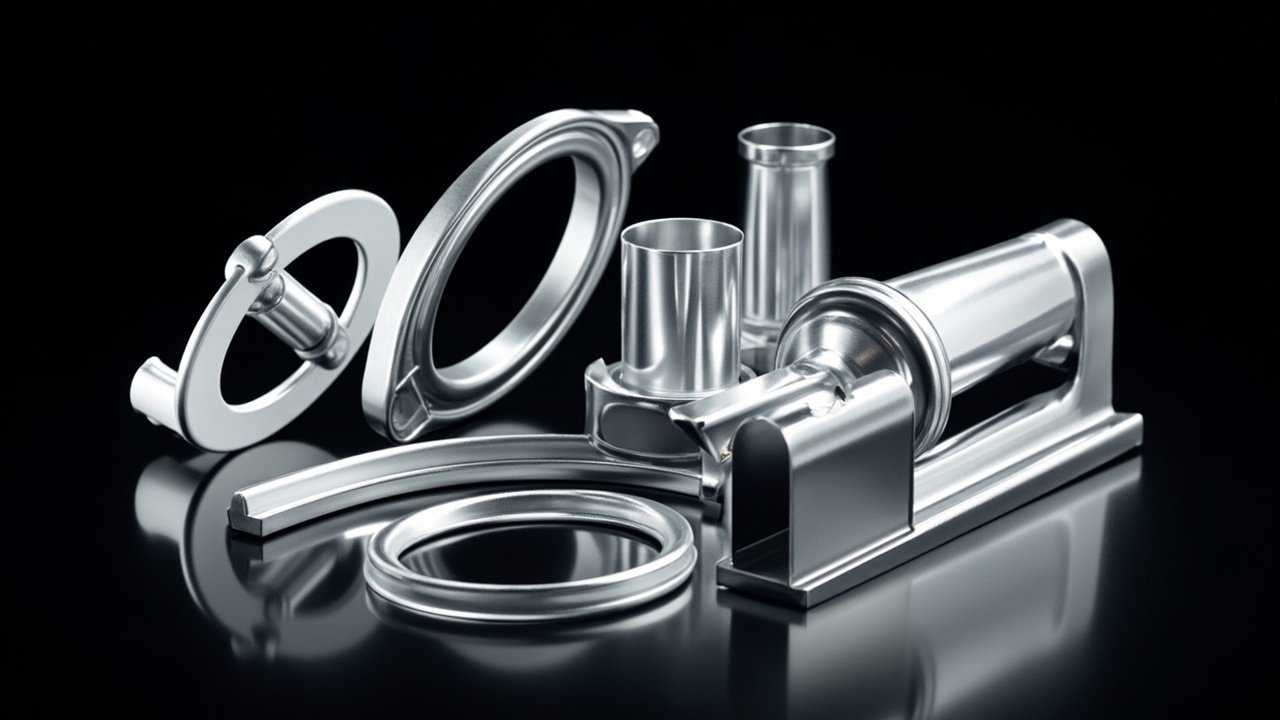
Where Does the Mirror Come From: The Secret of High-Brightness Mirror Aluminum Pigments
Aluminum flakes in ordinary metallic paint can produce metallic luster and angle-dependent color shift, but fall far short of the "can reflect a human figure" continuous reflection of mirror chrome plating. The ability of electroplating alternative paint to achieve a mirror effect relies on a class of specialized high-brightness mirror aluminum pigments, which are fundamentally different from ordinary aluminum powder in manufacturing process, morphology, and optical behavior.
To understand the difference between mirror and ordinary metallic luster, we can use an analogy: ordinary aluminum powder is like a pile of randomly scattered, scratched broken mirror pieces, each piece slightly differently oriented and imperfect on the surface, reflecting light in all directions, so what we see is a sparkling but blurry "metallic feel"; while mirror aluminum pigment is like a whole mirror carefully tiled, consistently oriented, and perfectly smooth on the surface, reflecting light neatly and uniformly, so what we see is a "mirror" that can clearly image. The physical essence of this difference lies in the flatness of the aluminum flake surface (determining whether reflection is specular or diffuse) and the parallelism of arrangement (determining whether light is neat on a macroscopic level). The entire process of electroplating alternative paint is essentially serving these two points—letting the flattest aluminum flakes be laid on the smoothest primer in the most parallel and dense manner.
Ordinary aluminum powder is mostly made by ball-milling, with flakes in cornflake or silver-dollar shape, irregular edges, and microscopic undulations on the surface, so reflected light scatters in multiple directions, thus presenting "metallic luster" rather than "mirror." Mirror aluminum pigment (called VMP, Vacuum Metallized Pigment, in the industry) is made by vacuum vapor deposition of an extremely thin, extremely flat layer of aluminum on a film, then stripped and pulverized. This aluminum flake is only tens of nanometers thick, atomically smooth on the surface, and has neat edges, like countless perfect miniature mirrors, able to reflect incident light almost specularly. When these mirror aluminum flakes are highly parallel and densely arranged in the paint film, a continuous mirror reflection is presented macroscopically, approaching chrome plating appearance.
VMP pigments are usually supplied as dispersion pastes or pre-dispersed liquids rather than dry powder, because VMP flakes are extremely thin and brittle, and easily agglomerate and damage in dry state; only in liquid medium can their mirror flatness be maintained. The solid content of VMP paste is very low (often around 10%), and needs to be further diluted at a large multiple during use; the actual aluminum amount sprayed onto the workpiece is extremely small, which also explains why the silver paste layer can be as thin as sub-micron yet still mirror—because the mirror comes from the flatness and arrangement of the aluminum flakes, not thickness and dosage. The brightness, hiding power, and tone (cool silver or warm silver) of VMP are determined by its original aluminized thickness, flake diameter, and thickness-to-diameter ratio; different grades adapt to different mirror grade requirements.
In addition to VMP, there is another class of "silver-dollar high-brightness aluminum powder" (silver dollar) that undergoes special grinding and polishing, with brightness between ordinary aluminum powder and VMP, lower cost, used in scenarios where mirror requirements are not extreme. Which pigment to choose depends on the target appearance grade and cost budget: for the ultimate mirror closest to chrome plating, use VMP; for scenarios requiring high brightness but accepting slight graininess, use high-brightness silver-dollar aluminum powder. Regardless of which, mirror aluminum pigments are extremely "delicate"—their mirror comes from atomic-level flatness on the surface, and any mechanical shear, strong solvent erosion, or improper contact with other components may destroy their flatness and lose the mirror. This characteristic determines that the formulation and application of electroplating alternative paint must be exceptionally fine.
Three-Layer Process Architecture: Primer, Silver Paste, and Topcoat Each Have Their Own Role
Electroplating alternative paint is almost never used in a single layer, but a precisely coordinated three-layer system: Base Coat, Silver/Mirror Coat, and Top Coat. Each layer has its own role, and the absence or defect of any layer will collapse the mirror effect. Understanding this architecture is the core of mastering the electroplating alternative process.
The primer is the "mirror base" of the mirror. Mirror reflection requires an extremely flat and smooth surface underneath—any micro-roughness, orange peel, or particles on the substrate will be faithfully amplified by the mirror layer. Therefore, the primary task of the primer is to "fill and level," providing a high-gloss, high-leveling, defect-free mirror substrate; at the same time, it must ensure adhesion to the substrate and be compatible with the upper silver paste. The primer usually adopts high-leveling UV-curable or two-component resin; after application, the surface flatness directly determines the mirror quality, hence the saying in the industry that "the primer determines the upper limit of the mirror." The gloss, hardness, and curing state of the primer must be strictly controlled.
The silver paste layer is the "mirror itself" of the mirror. It is a highly diluted mirror aluminum pigment dispersion, with low aluminum content but requiring the flakes to be highly parallel and densely arranged in a single layer on the primer surface. Here "single-layer arrangement" is the key—ideally, the mirror aluminum flakes should be tiled like floor tiles into a non-overlapping monolayer on the primer surface; any stacking will destroy the continuity and purity of the mirror. The application of silver paste is the most technically demanding part of the entire process: spraying extremely thin (dry film often less than 1 micron), atomizing extremely fine, and moving the gun extremely evenly, so that the mirror aluminum flakes are tiled flat like "stuck" on the primer to form a mirror. The silver paste layer itself is extremely thin and fragile, with almost no mechanical strength and corrosion resistance, so it must rely on the primer for support and the topcoat for protection.
The topcoat is the "protective cover" of the mirror. The exposed silver paste layer smudges at a touch and corrodes upon contact with water, so a transparent topcoat must be applied to provide wear, corrosion, weather, and chemical resistance protection. The biggest challenge of the topcoat is "to protect without destroying the mirror": its solvent must not swell or erode the delicate silver paste layer, and it itself must be highly transparent, non-yellowing, and free of haze, otherwise it will weaken the mirror brightness. The transparency, adhesion, durability, and compatibility with the silver layer of the topcoat jointly determine the final quality and service life of the mirror product. This three-layer logic of "primer leveling—silver paste mirroring—topcoat protection" is the skeleton of all electroplating alternative paint processes.
| Coating | Core Function | Typical Thickness | Key Control Points |
|---|---|---|---|
| Primer Base Coat | Leveling, adhesion, mirror base | 15-30 microns | High leveling, high gloss, defect-free |
| 银浆 Silver Coat | Mirror reflective layer | <1 micron | Aluminum flakes parallel and dense, extremely thin and uniform |
| Topcoat Top Coat | Protection, weather resistance, transparency | 15-30 microns | High transparency, non-erosive to silver layer |
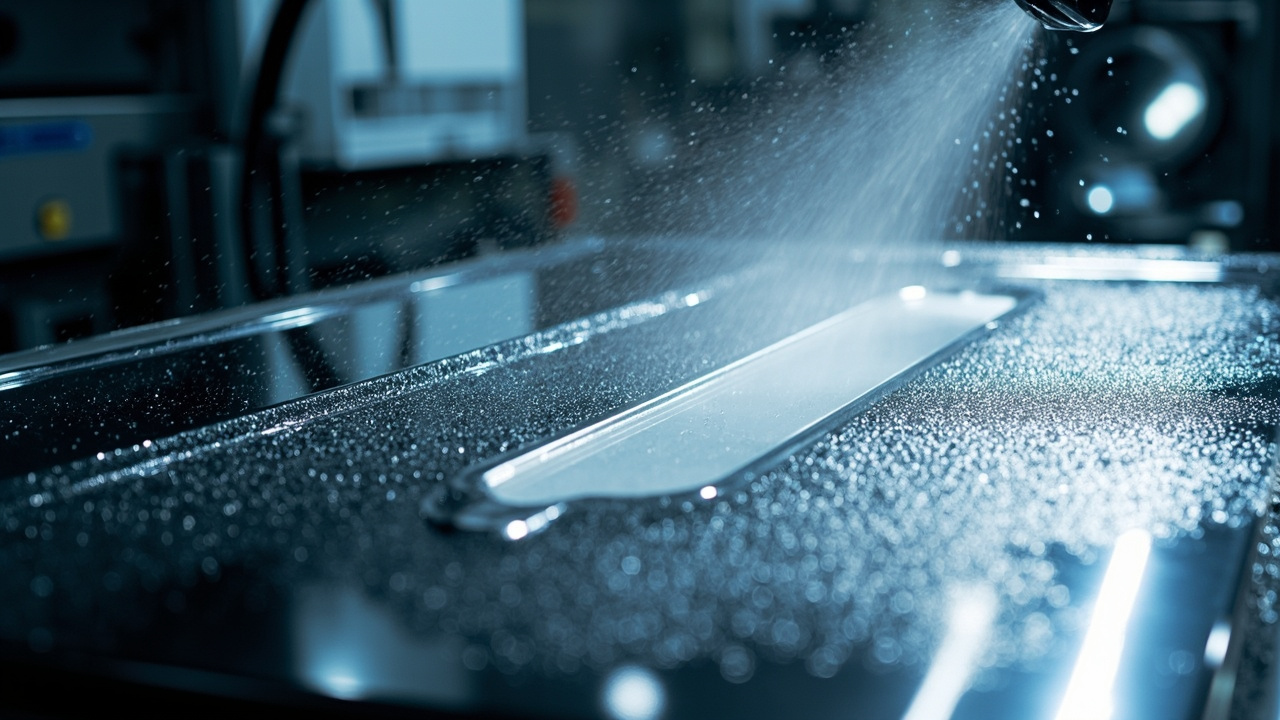
Detailed Explanation of Primer Process: The Upper Limit of the Mirror Is Determined Here
Since "the primer determines the upper limit of the mirror," it is worth separately breaking down each technical point of the primer process. The goal of the primer can be summarized in one sentence: to provide the silver paste with a flat and smooth substrate as close to an ideal mirror as possible.
The first is substrate pretreatment. Plastic substrates (ABS, PC, PC/ABS, nylon, etc.) need degreasing, stress relief, and depending on surface energy, flame, plasma, or primer treatment to improve adhesion; metal substrates need degreasing, rust removal, phosphating, or passivation; glass needs cleaning and coupling agent treatment. If pretreatment is not in place, lightly it causes poor adhesion leading to mirror layer peeling, heavily it leaves residues under the mirror forming visible defects. Plastic parts especially need attention to stress relief (annealing), otherwise internal stress released during subsequent coating or use will cause cracking and blushing.
The second is the leveling and curing of the primer. The primer must achieve extremely high leveling, reducing the orange peel and particles generated by spraying to a minimum, because the mirror will amplify these defects several times. UV-curable primer has become the mainstream choice due to its rapid curing, high hardness, and high gloss: after spraying, it first levels (leveling) to let the paint film naturally spread, then is instantly cured by UV lamps to lock the flat surface. The curing degree needs precise control—under-curing makes the surface soft and easily eroded by silver paste or topcoat solvents; over-curing may affect adhesion to the silver paste layer. Two-component thermal-cured primer can also be used for complex-shaped workpieces inconvenient for UV curing, but requires longer leveling and baking time.
Finally, there is cleanliness control. The mirror finish process has near-stringent requirements for environmental cleanliness—a speck of dust almost invisible to the naked eye becomes a glaring bright spot or pit on the mirror surface. Therefore, the primer and silver paste application for electroplating alternative coating are usually required to be carried out in a clean spray booth, with control over dust, temperature, humidity, and airflow. It can be said that the primer process turns "coating" into "precision manufacturing," which is also the source of confidence for the high technical threshold of electroplating alternative coating and its ability to compete head-on with electroplating. When Kexin New Materials introduces mirror finish coating solutions to customers, it usually treats pre-treatment specifications, cleanliness requirements, and the primer curing window as the focus of technical delivery, because these "invisible details" often determine success or failure.From the perspective of cost structure, the economy of electroplating alternative coating is also worth clarifying. Although the unit price of mirror coating (especially VMP silver paste) is not low, because the amount of silver paste used is minimal and the primer and topcoat are mostly conventional resins, the material cost per piece is often controllable; the real cost driver lies in yield and cleanliness investment—the rework rate of mirror defects, the construction and maintenance of clean spray booths, and the investment in UV curing equipment. Therefore, improving yield and stabilizing the process is the core of cost reduction for electroplating alternative coating. Compared with electroplating, it eliminates expensive wastewater treatment facilities, hazardous waste disposal costs, and increasingly high environmental compliance costs, and often has more advantages in full life-cycle cost, especially in regions with strict environmental regulation. This is also the practical motivation for many enterprises to actively shift from electroplating to electroplating alternative—not just for environmental protection, but also for more controllable and predictable comprehensive costs.
Detailed Explanation of the Silver Paste Process: "Laying" Aluminum Flakes into a Mirror
Although the silver paste layer is as thin as a cicada's wing, it is the soul of the entire electroplating alternative process. Its application logic is completely different from conventional spraying—not "spraying a layer of paint," but "laying a layer of mirror." Understanding the particularity of silver paste application is the key to mastering the mirror finish process.
The preparation of silver paste emphasizes "high dilution, low solid content." The concentration of mirror aluminum pigment in the silver paste is very low; the role of a large amount of solvent is to fully disperse the aluminum flakes and, after spraying onto the primer surface, rapidly spread and arrange them in parallel, and as the solvent evaporates, "settle and adhere" to the primer to form a single-layer mirror. The choice of solvent and evaporation rate are crucial: if evaporation is too fast, the aluminum flakes are frozen before they can level out, causing the mirror to become hazy and dark; if evaporation is too slow, the aluminum flakes may stack or shift with flow, also destroying the mirror. Therefore, the silver paste mostly uses a matching dedicated thinner, and it is strictly forbidden to arbitrarily change the solvent or use high-shear equipment for stirring (shear will destroy the flatness of the mirror aluminum flakes).
The spraying of silver paste emphasizes "extremely thin, extremely uniform, extremely fine." Spray guns mostly use low pressure and fine atomization, with uniform gun passes and sufficient overlap between passes, thinly and evenly "fogging" the silver paste onto the primer. The film thickness is extremely thin (often less than 1 micron); spraying too much causes the aluminum flakes to stack and instead become dark and mottled, while spraying too little results in insufficient coverage and a discontinuous mirror. This is completely opposite to the application intuition of solid color paint, or even ordinary metallic paint, and requires specialized process debugging and technician training. After spraying, the silver paste layer needs appropriate flash drying or low-temperature drying to allow the aluminum flakes to fully orient and adhere, before entering the topcoat process.
A often-overlooked but extremely critical detail is the influence of the "polarity and wettability" of the primer surface on silver paste spreading. The silver paste is as thin as water mist; whether it can spread uniformly on the primer without cratering or accumulation depends on the surface tension of the primer surface and the wetting match with the silver paste. If the surface energy of the primer is too low or release agent and oil stains remain, the silver paste will shrink into small dots (craters), and the mirror appears mottled; if the match is good, the silver paste spreads like mercury into a continuous mirror. Therefore, the surface state and cleanliness of the primer and the wetting design of the silver paste must be considered synergistically, which is also one of the reasons why the "primer—silver paste" must be developed as a matching system as a whole and why products from different manufacturers cannot be mixed arbitrarily. In addition, environmental temperature and humidity will directly change the evaporation rhythm of the silver paste solvent, thereby affecting the time window for the aluminum flakes to level out, so mirror production lines usually have strict settings for spray booth temperature and humidity and keep them stable.
Another major challenge in silver paste application is the "zero-contamination window." The freshly sprayed silver paste layer is extremely fragile; any touch, airflow disturbance, or falling dust will leave permanent defects; the time window between silver paste and topcoat also needs strict control—too short an interval and the topcoat solvent easily erodes the unstable silver layer, too long an interval and the silver layer may absorb contamination or oxidize. Precisely because of this, the production line for electroplating alternative coating often designs the primer, silver paste, and topcoat as a continuous, clean, parameter-linked integrated process, rather than three isolated processes. This ultimate requirement for "cleanliness, precision, continuity" is exactly the watershed that distinguishes mirror finish coating from ordinary painting.
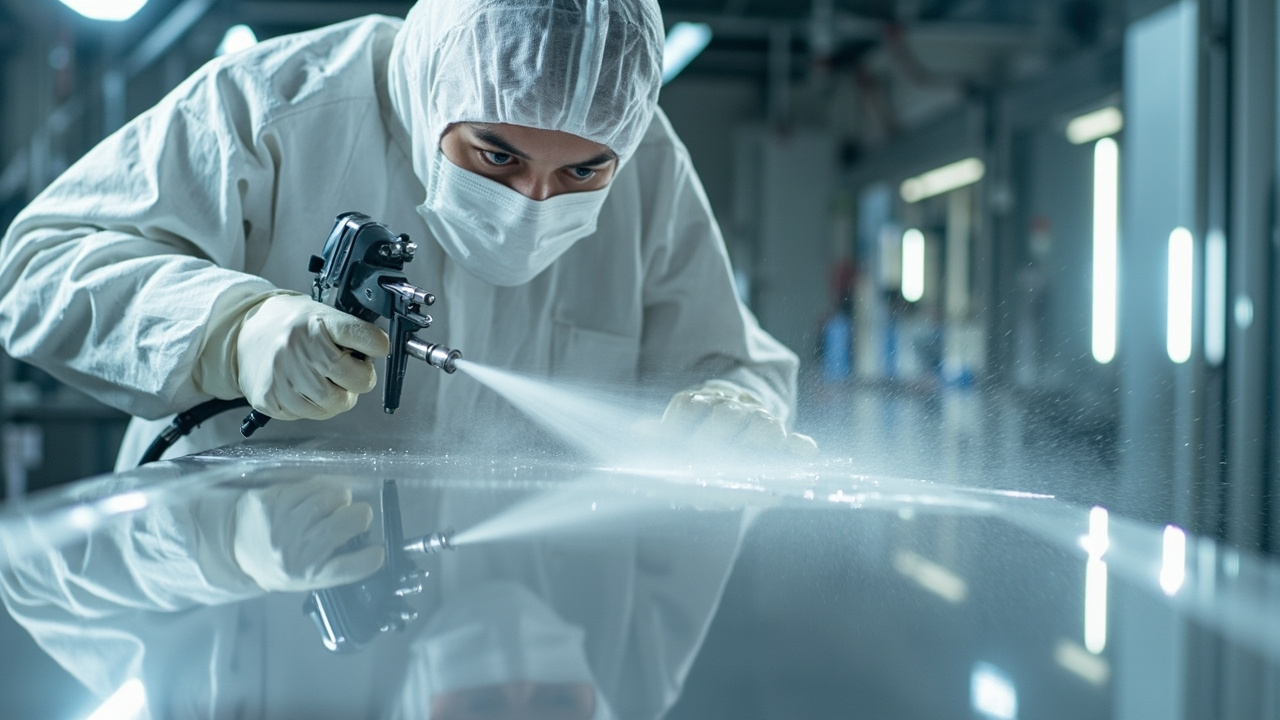
Topcoat and Weather Resistance: Making the Mirror "Last Long"
If the primer and silver paste determine whether the mirror "looks good," then the topcoat determines whether the mirror "can be used for a long time." The reason electroplated chrome is durable is its high hardness and chemical inertness; while the silver paste layer of electroplating alternative coating has almost no durability, and relies entirely on the topcoat as a "protective cover" to support its lifespan in real use environments. The success or failure of topcoat design directly determines whether electroplating alternative coating can truly replace electroplating.
The first priority of the topcoat is compatibility with the silver paste layer. The topcoat solvent must not swell or erode the delicate mirror silver layer, otherwise it will cause the mirror to become hazy, mottled, and sharply reduce brightness. This requires the topcoat to use a weak solvent or a solvent system matching the silver paste, or to select curing methods that are gentle on the silver layer such as UV curing or water-based. At the same time, the topcoat must have extremely high transparency and non-yellowing—any haze, color shift, or yellowing will weaken the mirror like a veil. UV-cured transparent topcoat is widely used because of its fast curing, high transparency, and high hardness; for outdoor or high-weather-resistance scenarios, UV absorbers and light stabilizers need to be added to the topcoat, or even fluorocarbon or high-weather-resistance polyurethane systems adopted.
Weather resistance is the most concerned and most challenging performance of electroplating alternative coating. Bare aluminum easily corrodes and darkens in humid, salt spray, acidic and alkaline environments; once the topcoat is scratched or penetrated, the silver layer loses protection and fails. Therefore, outdoor applications (such as automotive exterior parts, outdoor lamps) have extremely high requirements for the topcoat's weather resistance, salt spray resistance, boiling water resistance, and adhesion, and need to pass stringent aging tests (such as hundreds to thousands of hours of weather resistance and salt spray). In contrast, indoor decorative parts (such as appliance buttons, bathroom accessories, toys, packaging) have lower weather resistance requirements, and electroplating alternative coating replacing electroplating is more mature and reliable.
The design of the topcoat structure is also constantly improving. A single-layer topcoat often needs to compromise between protection and transparency, so high-end products increasingly adopt a "double topcoat" structure: the first topcoat near the silver layer uses a resin that is gentle on the silver layer and has excellent adhesion, serving as "close protection"; the outer second topcoat uses a resin with high hardness, high weather resistance, and high wear resistance, undertaking "external defense." The two topcoats work together, neither eroding the delicate silver layer nor providing strong external protection, and are an effective path to improve the durability of mirror parts. In addition, introducing an extremely thin barrier coat between the silver paste and the topcoat can further isolate the erosion of the topcoat solvent on the silver layer and block moisture penetration, significantly improving weather resistance and corrosion resistance. This kind of multi-layer fine structure is exactly the technical trump card for the durability of electroplating alternative coating to continuously approach electroplating.
In recent years, the weather resistance technology of electroplating alternative coating has continued to advance: through denser topcoats, double topcoat structures, and the introduction of barrier layers between silver paste and topcoat, its weather resistance continues to approach and even surpass plastic electroplating in some indicators. At the same time, its green attributes of being chromium-free and heavy-metal-free make it increasingly attractive under tightening environmental regulations. For coating enterprises, whether they can continuously improve the protection capability of the topcoat while ensuring mirror brightness is the core issue determining the application boundary of electroplating alternative coating.
Application Fields: Extensive Penetration from Automotive Trim to Consumer Goods
With the advantages of environmental friendliness, flexibility, and applicability to various substrates, electroplating alternative coating is eroding the share of traditional electroplating in more and more fields, and its application map covers almost all consumer and industrial scenarios that require "mirror or high-gloss metallic appearance."
The automotive field is one of the most important battlefields for electroplating alternative coating. There are many bright silver parts in automotive interior and exterior trims that were originally achieved by plastic electroplating—grille decorative strips, door handles, logo bases, interior decorative strips, buttons and knobs, etc. With automakers' pursuit of environmental protection and lightweighting, as well as the rising demand for appearances such as matte and colored metallic that are difficult to achieve with electroplating, the application of electroplating alternative coating on automotive trim is growing rapidly. It can not only make mirror silver, but also make matte silver, champagne gold, gunmetal gray, colored metallic and other effects that are difficult to cover with electroplating by adjusting pigments and colorants, providing greater design freedom. New energy vehicles especially favor this process—they generally pursue a sense of technology, minimalism, and differentiated appearance language, and new designs such as closed grilles, through-type decorative strips, and hidden door handles extensively use matte or colored metallic trim, which are exactly the strengths of electroplating alternative coating. At the same time, the ESG and supply chain decarbonization pressure of automakers also makes the electroplating alternative solution of "no hexavalent chromium, no heavy metal wastewater" more attractive.
Consumer electronics and home appliances are another major application. Mobile phone middle frame decorations, earphones, wearable devices, appliance buttons and decorative strips, small appliance housings, etc., are increasingly using electroplating alternative coating to achieve metallic texture, both avoiding electroplating pollution and facilitating diversified colors. Here the application boundary needs to be distinguished: for mobile phone middle frames that require antenna signal penetration, NCVM vacuum plating is mostly used; for decorative parts, buttons, and housings without signal penetration requirements, spray-type electroplating alternative coating is favored for its color flexibility and cost advantages. In the lighting field, reflective bowls, lampshades, and decorative parts use high-reflectivity mirror coating to replace vacuum plating or electroplating, balancing reflective efficiency and cost; among them, reflective bowls have very high requirements for mirror reflectivity, and are a typical scenario for testing the optical performance of mirror coating.
In the packaging and personal care fields, high-end packaging such as cosmetic bottle caps, perfume housings, and lipstick tubes extensively use mirror silver, colored metallic, and matte metallic effects to create a luxurious texture. Such products are extremely sensitive to appearance, have large batches, and fast updates, which is exactly where the color flexibility and rapid prototyping advantages of electroplating alternative coating come into play. Craft gifts, trophies and medals, decorative ornaments, toys, furniture hardware, etc., are also widely adopted due to the low threshold and multiple effects of electroplating alternative coating. It can be seen that the application of electroplating alternative coating covers almost all consumer and industrial scenarios of "needing metallic appearance but not necessarily real metal," and its market depth and breadth are still continuously expanding. In addition, bathroom hardware, toys, cosmetic packaging, craft gifts, furniture decorative parts, etc., are also active markets for electroplating alternative coating—these scenarios mainly for indoor use and decoration have relatively loose weather resistance requirements, and the maturity and cost-performance advantages of electroplating alternative are particularly prominent.
It is worth noting that electroplating alternative coating, metallic effect paint, and plastic coating are highly integrated in technology and market: it is essentially a high-end branch of metallic effect paint pursuing ultimate mirror, and is also heavily applied to plastic substrates, thus closely related to plastic coating processes. For enterprises like Kexin New Materials that simultaneously layout industrial protection, metal decoration, and plastic coating, electroplating alternative coating is an important lever to connect these major fields and upgrade to high-value-added decorative coating.
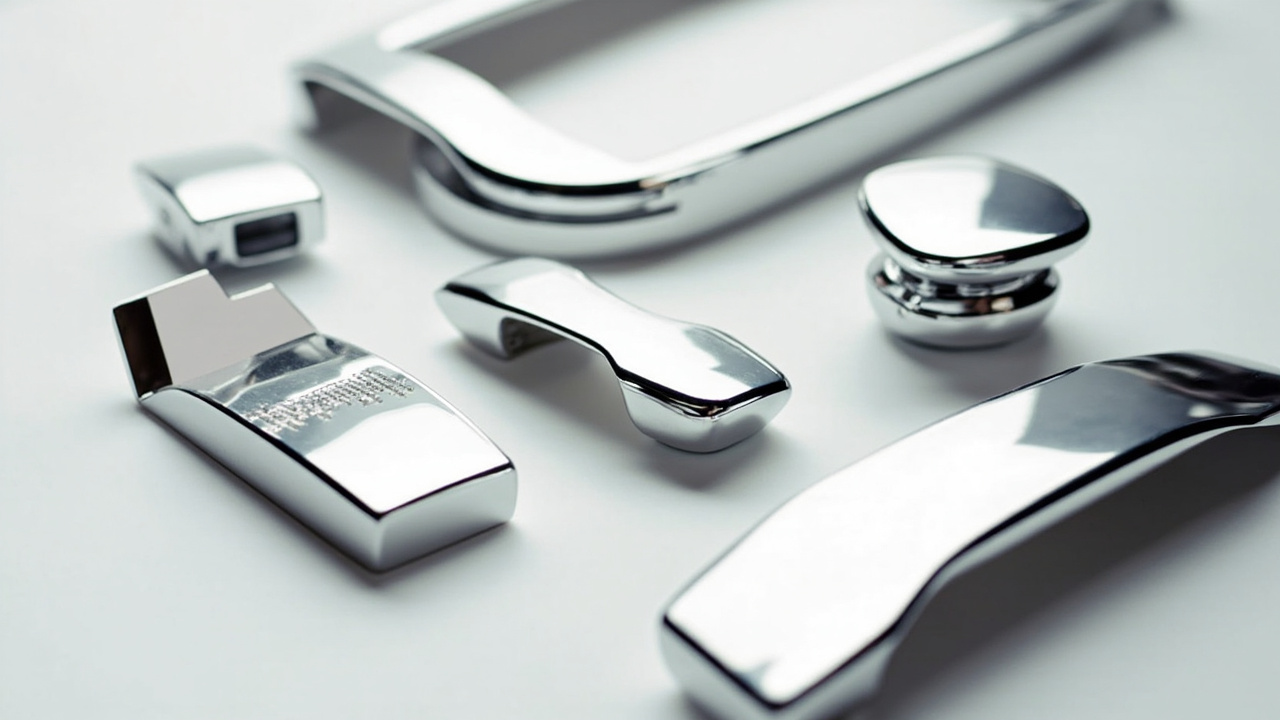
Mirror Finish Coating on Plastic Substrates: The Largest yet Most Difficult Battlefield
Plastic parts are the largest application carrier of electroplating alternative coating, and also where process challenges are most concentrated. Engineering plastics such as ABS, PC, PC/ABS, nylon, and PMMA each have their own temperaments; understanding their characteristics is the prerequisite for successful plastic mirror finish coating.
The primary challenge with plastics is adhesion and stress. Plastics have low surface energy and weak polarity, making it naturally difficult for coatings to adhere; therefore, almost all plastic mirror-finish parts require adhesion treatment: flame treatment, plasma treatment, or application of a dedicated primer to build an adhesion bridge between the plastic and the mirror-finish primer. A more hidden issue is internal stress—injection-molded plastic parts retain internal stress, and if not annealed to relieve stress, it will be released under the action of solvents during subsequent painting or temperature changes in use, leading to cracking (stress cracking), blushing, or even mirror-finish fracture. Thus plastic mirror-finish parts typically require annealing to relieve stress after injection molding, and the selection of a primer system insensitive to stress cracking. Solvent resistance varies greatly among different plastics: PC is sensitive to many solvents and prone to stress cracking, so coating solvents must be chosen with caution; ABS is relatively tolerant but still requires matching; this demands that coating suppliers perform compatibility verification for specific plastic grades.The second challenge with plastics is outgassing and temperature resistance. Plastic parts may release internal gases or moisture during coating baking or UV curing, forming pinholes and pits under the mirror finish; at the same time, plastics are not high-temperature resistant, which limits curing temperature—this is also why UV curing and low-temperature curing systems are widely favored for plastic mirror-finish parts. Plastic parts often have complex shapes (curved surfaces, grooves, internal cavities), creating difficulties for uniform spraying and UV exposure, requiring multi-angle spraying, rotating fixtures, multi-lamp UV or dual-curing systems. It can be said that plastic mirror-finish coating is a trinity system engineering of "material—process—equipment", and any poorly considered link will waste all previous efforts. Precisely for this reason, mature electroplating-alternative paint suppliers must understand plastics—not only providing coatings, but also able to give overall recommendations on pretreatment, stress relief, matching, and curing for the customer's plastic grade, part shape, and production line. This is also why Kexin New Materials emphasizes "first do compatibility and sample verification, then talk about mass production" when advancing plastic mirror-finish coating solutions.
Testing and Quality Standards: How Mirror Finish is Quantified
To achieve stable mass production, deliverability, and acceptability of mirror-finish coating, it is necessary to transform the subjective matter of "looking good" into measurable and judgable objective standards. The testing system for electroplating-alternative paint is precisely its passport to directly compete with electroplating and enter stringent supply chains such as automotive and electronics.
Appearance and optical indicators are paramount. Mirror brightness can be quantified with a specular glossmeter (e.g., 20°, 60° angle gloss); high-end mirror-finish parts often require 60° gloss close to saturation; Distinctness of Image (DOI) and Haze measure the clarity of mirror imaging and whether it is hazy, and are key indicators distinguishing quality mirror finish from ordinary high-gloss; color (especially colored metallic parts) is controlled with a multi-angle spectrophotometer. These optical data allow "mirror quality" to be transmitted and accepted between supply and demand parties with numbers for the first time.
Adhesion and durability indicators determine whether the product is practical. Adhesion is commonly tested by cross-cut (grid) or pull-off method; abrasion and scratch resistance are evaluated by RCA tape abrasion, pencil hardness, steel wool friction, etc.; weather resistance is simulated by xenon lamp or UV weathering chamber for sun and rain; corrosion resistance is assessed by neutral salt spray, boiling water resistance, and damp heat to check whether the silver layer corrodes and darkens; in addition, there are chemical resistance (alcohol resistance, sweat resistance, cosmetics resistance, cleaner resistance) tests for different use scenarios. Automotive and electronics customers often have their own enterprise standards and test specifications, and suppliers need to verify item by item according to customer standards and provide reports. It is this set of stringent testing and standards that elevates electroplating-alternative paint from "looks like" to "reliable in use, reproducible batch by batch", which is also the fundamental reason it can be accepted by mainstream manufacturing.
Common Defects and Process Prevention
Due to its long process chain and high precision requirements, electroplating-alternative paint has more and more hidden defect types than ordinary coatings. Systematically understanding common defects and their causes is an important basis for production line quality control and supplier technical evaluation.
Hazing and darkening of the mirror finish is the most common problem, manifesting as insufficient mirror brightness, as if covered with a layer of fog. There are many causes: poor leveling of the primer or microscopic roughness, silver paste solvent evaporating too fast causing aluminum flakes not to lay flat, silver paste film too thick causing aluminum flake stacking, topcoat eroding the silver layer, or insufficient cleanliness with micro-dust. Prevention requires systematic investigation from primer flatness, silver paste solvent and film thickness, topcoat compatibility, and spray booth cleanliness. Mottling and cloud shadow are mostly due to uneven silver paste spraying, uneven gun overlap, or disordered aluminum flake orientation, requiring stable atomization and gun rhythm.
Pinholes and pits usually come from dust, substrate outgassing, or solvent flash evaporation; outgassing and cleanliness of plastic parts are key investigation directions. Poor adhesion (silver layer or topcoat peeling) is mostly due to inadequate pretreatment, poor interlayer compatibility, or improper curing, requiring verification of pretreatment specifications and interlayer matching. Orange peel and particles come from insufficient leveling of primer or topcoat, poor atomization, or environmental pollution. Yellowing and haze are mostly due to insufficient weather resistance of topcoat resin or abnormal UV curing. Weathering failure (darkening, blistering, corrosion after outdoor use) is often caused by insufficient topcoat protection or erosion of the silver layer, requiring strengthened topcoat barrier and weather-resistant design.
The prevention of these defects ultimately relies on three things: stable formulation and matching system, fine and controllable construction parameters, and a clean and controlled production environment. This is also why electroplating-alternative paint is not "buy a paint and do it well", but requires the coating supplier to provide overall technical support from pretreatment, three-layer matching, to construction parameters and defect diagnosis. Mature suppliers deliver detailed process guidance and sample verification with the product, transforming the high-threshold process of mirror-finish coating into a stably reproducible capability for the customer's production line.
UV Curing: The Golden Partner of Electroplating-Alternative Paint
In the technical evolution of electroplating-alternative paint, UV (ultraviolet) curing technology plays a key role; it can be said that without the popularization of UV curing, there would be no large-scale application of electroplating-alternative paint today. Understanding why UV curing fits so well with mirror-finish coating helps grasp the process essence of this category.
The principle of UV curing is: the photoinitiator in the coating instantly generates active free radicals or cations under UV irradiation, triggering rapid crosslinking of active groups in the resin into a film, and the entire curing process often takes only a few seconds. This "second-level curing" is of great significance to mirror-finish coating. First, the curing speed is fast and production line tempo is high; combined with the multi-layer continuous process of mirror-finish coating, it greatly improves efficiency and shortens the exposure time of workpieces in the clean zone, thereby reducing pollution opportunities. Second, UV curing contains almost no or very little solvent (mostly 100% solid-content photocurable resin), with extremely low VOC emissions, in line with the green positioning of electroplating-alternative paint itself.
More importantly, UV curing can provide a film with high hardness, high gloss, and high flatness, which is exactly the dream characteristic of mirror-finish primer. After UV primer is sprayed, it first levels and flattens, then is instantly "frozen" in this flat state by UV lamps, avoiding sagging and deformation that may be caused by long-term flow during thermal curing. UV topcoat provides excellent abrasion and scratch resistance with its high hardness, compensating for the shortcoming of the mirror silver layer having no strength, while being highly transparent and non-yellowing, maximizing the retention of mirror brightness. Of course, UV curing also has limitations: ultraviolet light travels in straight lines, and complex-shaped workpieces' recesses, backs, and internal cavities will have "shadow areas" that cannot be irradiated, requiring multi-angle UV lamps, rotating fixtures, or a dual-cure system combined with low-temperature thermal curing to solve. In recent years, advances in 3D stereoscopic UV curing, LED-UV, and other technologies are constantly broadening the applicability of UV curing on complex-shaped electroplating-alternative parts.
Not Just Mirror Silver: Extensions of Matte, Colored, and Translucent Effects
The charm of electroplating-alternative paint also lies in its breaking through the limitation of electroplating "only able to do bright silver/bright chrome", enabling a large number of appearance effects difficult for electroplating to achieve, which opens new imagination space for industrial design and is also an important competitiveness distinguishing it from electroplating.
Matte metal is a major feature of electroplating-alternative paint. By adding matting agent to the topcoat, or adjusting the aluminum flake state of the silver paste, a silk-texture metallic surface from semi-matte to full-matte can be made, widely used in automotive interiors, consumer electronics, and home appliances pursuing a low-key, high-end feel. This matte metallic appearance is extremely difficult to achieve with traditional electroplating, but is a favorite of current high-end product design. Colored metal is achieved by coating a transparent colored topcoat (dye-type transparent paint) over the mirror silver layer, allowing the mirror reflection to pass through the colored layer, producing a "colored mirror"—such as rose gold, champagne gold, gunmetal, blue-purple metal, green metal, etc., with color freedom far exceeding the limited tones of electroplating. This "mirror base + transparent color cover" structure is the core process of colored electroplating-alternative parts.
Translucent and gradient effects are also the forte of electroplating-alternative paint. By controlling the thickness and hiding of the silver paste, a "translucent metal" (light can transmit from back, metallic on front) effect can be made, used for buttons, icons, and decorative panels that require backlight transmission; through thickness gradient during spraying, a metallic color gradient transition can be made, creating a sense of technology and layering. In addition, combined with laser engraving, masking spraying, and other processes, hollow patterns, two-color splicing, and other complex decorations can be achieved on mirror-finish parts. These rich appearance possibilities make electroplating-alternative paint not only a "flat substitute" for electroplating, but also a design material that can actively create new appearance languages. For coating enterprises, whether they can provide customers with a complete effect solution from mirror silver to matte, colored, translucent, and gradient is an important sign of measuring the maturity of their electroplating-alternative technology.
Comparison with Electroplating: Advantages, Limitations, and Selection
To rationally view electroplating-alternative paint, one must objectively compare its pros and cons with electroplating, clarify their respective applicable boundaries, and avoid the misjudgment of "either-or".
Electroplating-alternative paint has four core advantages: first, environmental protection, no hexavalent chromium, no heavy metal wastewater, no strong acid mist, fundamentally avoiding the environmental burden and compliance risks of electroplating; second, wide substrate range, can be applied on almost any substrate such as ABS, PC, nylon, metal, glass, especially suitable for complex-shaped workpieces difficult to electroplate; third, color freedom, in addition to mirror silver, it can also do matte, colored metal, gradient, and other effects difficult for electroplating to achieve; fourth, flexible process and relatively controllable investment, achievable with conventional spraying production lines, without the large investment and wastewater treatment facilities of electroplating lines.
Its limitations also need to be faced: first, in ultimate mirror finish and hardness, top-grade chrome plating still wins slightly in mirror purity, hardness, and abrasion resistance, and electroplating-alternative is still catching up in the most demanding mirror grades; second, weather resistance and durability, in long-term outdoor use scenarios, electroplating-alternative's reliance on topcoat protection makes its durability management more complex, requiring fine matching and verification; third, process sensitivity, mirror-finish coating has extremely high requirements for cleanliness, parameters, and matching, making production line control difficult. Therefore, in selection, a pragmatic principle is: for indoor decoration, complex shapes, colorful needs, and environmental priority scenarios, electroplating-alternative paint is often the better solution; while for the few scenarios with ultimate mirror and abrasion requirements and able to bear environmental costs, electroplating still has its place.
From the industry trend, with environmental regulations continuously tightening and mirror pigments and topcoat technology constantly advancing, the application boundary of electroplating-alternative paint is continuously expanding, and the substitution depth is constantly deepening. It represents the general direction of decorative metallic appearance "from chemical electroplating to physical spraying, from heavy pollution to greening". For coating enterprises, whoever can continuously break through in mirror brightness, weather protection, and process stability will seize the opportunity in this substitution blue ocean. The investment of enterprises such as Kexin New Materials in electroplating-alternative paint is precisely a strategic choice conforming to this greening and high-value trend.
Technology Frontier and Future Outlook
The technical evolution of electroplating-alternative paint has not stopped, and several frontier directions are broadening its capability boundary and application depth. One is the continuous breakthrough in weather-resistant technology. Through double-sided coating structure, nano barrier layer, high-performance fluorocarbon/polyurethane topcoat, and silver layer passivation treatment, the weather resistance, salt spray resistance, and boiling water resistance of electroplating-alternative paint are constantly approaching or even surpassing plastic electroplating in some indicators, gradually opening the high-weather thresholds such as automotive exterior and outdoor lighting. The second is functional integration. Mirror coating can be combined with electromagnetic shielding, conductivity, infrared reflection, antibacterial, and other functions, integrating "decoration" and "function" into one, such as electronic housings with both metallic appearance and EMI shielding, and lighting reflectors with both high reflection and weather resistance.
The third is process automation and intelligence. With the introduction of robotic spraying, online optical inspection (automatic measurement of DOI/haze/gloss), and closed-loop parameter control, mirror finishing—a process originally highly dependent on the experience of veteran craftsmen—is becoming more controllable, more reproducible, and achieving higher yield rates, clearing obstacles for large-scale mass production. The fourth is a further upgrade toward greenization. Water-based electroplating alternative systems, higher-solid-content UV systems, heavy-metal-free photoinitiators, etc., continuously reduce the environmental footprint of the products themselves, making electroplating alternative paint "green from start to finish."Overall, electroplating alternative paint is in an upward trajectory driven jointly by environmental regulations, cost re-evaluation, design demands, and technological progress. It is no longer a "cheap substitute for electroplating," but a high-value-added decorative coating that combines eco-friendliness, flexibility, diversified appearances, and continuously enhanced durability. For coating enterprises simultaneously deploying industrial protective, metal decorative, and plastic coating, electroplating alternative paint is a strategic pivot to connect multiple fields and advance toward high-end decorative coatings. It can be foreseen that as technological boundaries keep expanding, more and more applications originally belonging to electroplating will be replaced by such green mirror coatings—this is both a victory for environmental protection and a microcosm of coating technological progress.
Electroplating Alternative Paint vs Vacuum Plating (NCVM/PVD): The Division of Labor Among Three Mirror Routes
Under the general direction of "electroplating-free," besides spray-type electroplating alternative paint, there is also the vacuum plating (PVD, NCVM) route of physical vapor deposition. The two are often mentioned in the same breath, but their technical logic and applicable scenarios differ greatly; clarifying their division of labor helps in making correct selections.
Vacuum plating heats and evaporates or sputters metal (such as aluminum, tin, indium) in a vacuum chamber, depositing it onto the workpiece surface to form an extremely thin metal film. NCVM (Non-Conductive Vacuum Metallization) controls the discontinuity of the film layer to make it non-conductive, thereby meeting the signal penetration requirements (such as antenna clearance) of electronic products, and is widely used in mobile phone middle frames, cosmetic packaging, etc. The advantages of vacuum plating are extremely thin and uniform film layers, pure metallic feel, and no solvent emissions; the shortcomings are large equipment investment, need for vacuum chamber, high batch cost, workpiece size limited by chamber, low color flexibility, and still challenging wrap-plating for complex internal cavities.
The advantages of spray-type electroplating alternative paint lie in: no vacuum equipment needed, low investment threshold, unrestricted workpiece size, extremely flexible colors and effects (matte, colored, gradient, translucent), and on-site large-piece construction. Its shortcomings are high requirements for cleanliness and process compatibility, and slightly inferior ultimate mirror purity compared to vacuum plating. Therefore, the three mirror routes form complementary division of labor: for the few scenarios pursuing ultimate mirror chrome feel and able to bear environmental costs, use electroplating; for electronic parts requiring ultra-thin uniform metal film and signal penetration, use NCVM vacuum plating; for the broad scenarios pursuing flexible colors, complex/large-piece shapes, low investment, and greenization, use spray-type electroplating alternative paint. The three are not mutually exclusive, but each occupies its position according to appearance grade, substrate, size, function, and cost. Understanding this division of labor enables selecting the most suitable "metal appearance solution" for specific products, rather than blindly pursuing a certain process.
In fact, as environmental regulations tighten and consumer aesthetics upgrade, the application map of spray-type electroplating alternative paint is continuously expanding—with the lowest environmental burden and highest shape and color freedom, it undertakes a large amount of decorative demand originally dependent on electroplating, becoming the most universal implementation path for "green metal appearance." For manufacturing enterprises, rather than纠结 over the pros and cons of a single process, it is better to make a rational combination among these three routes based on product positioning, appearance grade, substrate shape, functional requirements, and cost budget. For coating suppliers, whether they can provide a complete electroplating alternative paint solution from formulation, color to construction guidance, and assist customers in making correct process selections in specific scenarios, is an important manifestation of their technical service value.
FAQ
Q: Can electroplating alternative paint really produce a chrome-like mirror? A: Yes. Through high-gloss mirror aluminum pigment (vacuum-plated aluminum VMP or high-gloss silver dollar aluminum powder) plus the "primer—silver paste—topcoat" three-layer process, a continuous mirror reflection close to chrome can be produced on plastic, metal, and glass. In most indoor decorative scenarios, it can reliably replace electroplating; in the most ultimate mirror purity and hardness, top-grade chrome still has a slight advantage. Mirror quality can be objectively quantified by optical indicators such as gloss, reflection clarity (DOI), and haze, facilitating production line control and acceptance.
Q: Why can the mirror layer of electroplating alternative paint be "non-strength, non-corrosion-resistant" yet still used long-term? A: Because it relies on the upper and lower layers to "support and protect": the high-flow-leveling primer below provides a flat mirror base and adhesion, and the transparent topcoat above (even a double-coat + barrier layer structure) provides wear, weather, corrosion, and chemical resistance protection. The delicate sub-micron silver layer is encapsulated in the middle and does not directly bear external erosion, so the entire system can obtain practical durability. This is also why the success or failure of topcoat design directly determines product life.
Q: Why must electroplating alternative paint be done in three layers? A: Because the three layers each have their own role and none is dispensable: the primer provides an extremely flat mirror base (the upper limit of mirror is determined by it), the silver paste is an extremely thin mirror reflective layer itself (no strength, no corrosion resistance), and the topcoat provides transparent protection against wear, weather, and corrosion. The silver paste layer is delicate and fragile; without primer support and topcoat protection, it cannot be practical.
Q: Why is the mirror silver layer so thin yet so delicate? A: The mirror comes from the atomic-level flatness and highly parallel arrangement of the mirror aluminum flake surface; the silver paste dry film is often less than 1 micron. Spraying too thick causes aluminum flakes to stack and turn dark and blotchy; and once the aluminum flakes undergo mechanical shearing, strong solvent erosion, or touch, they lose flatness and the mirror is lost, so preparation, spraying, and topcoating must all be exceptionally fine.
Q: Can electroplating alternative paint be used outdoors? A: Yes, but dedicated weather-resistant design is needed. The bare silver layer is prone to corrosion in humidity and salt spray; outdoor applications require high-weather-resistant topcoat (containing UV absorbers/light stabilizers, or fluorocarbon, high-weather-resistant polyurethane), and must pass rigorous tests such as weather resistance, salt spray, and boiling water resistance. Indoor decorative parts have low weather resistance requirements and are the most mature for replacement; outdoor parts require careful verification of compatibility and durability.
Q: Where is electroplating alternative paint more environmentally friendly than plastic electroplating? A: Plastic electroplating requires chemical roughening, copper-nickel-chrome plating, involving hexavalent chromium, heavy metal wastewater, strong acid, and hazardous waste; electroplating alternative paint is achieved by spraying, with no hexavalent chromium, no heavy metal wastewater, no strong acid mist, avoiding the main pollution and compliance risks of electroplating from the source, while being able to apply to more substrates and make more colors.
Q: Which products are most suitable for electroplating alternative paint? A: Products used indoors, with complex shapes, needing colorful or matte metal, and with environmental priority are most suitable, such as automotive interior/exterior decorative strips/handles, appliance buttons and decorative parts, lamp reflector bowls, bathroom hardware, toys, cosmetic packaging, craft gifts, etc. For the few scenarios with ultimate requirements for mirror and wear resistance, it is still necessary to evaluate whether to retain electroplating.
Q: What should be noted when introducing an electroplating alternative paint production line? A: The key lies in cleanliness and process compatibility. A clean spray booth controlling dust, temperature, and humidity is needed, along with standardized substrate pretreatment (especially plastic stress relief), high-leveling primer curing, silver paste dedicated thinner and extremely thin uniform spraying, topcoat compatible with the silver layer, and a continuous linked process of primer—silver paste—topcoat. It is recommended to cooperate with suppliers who can provide overall compatibility and technical services, and first do sample verification before mass production.
Q: How to choose between electroplating alternative paint and vacuum plating (NCVM)? A: For electronic parts requiring ultra-thin uniform metal film and signal penetration (such as mobile phone middle frames), NCVM vacuum plating is suitable; for the broad scenarios pursuing flexible colors, matte/colored/gradient effects, complex or large-piece shapes, low investment, and greenization, spray-type electroplating alternative paint is suitable. Vacuum plating has large equipment investment and limited colors but pure film; spray alternative paint has high flexibility and low investment but high requirements for cleanliness and process compatibility. Comprehensive trade-offs can be made based on appearance grade, substrate, size, function, and cost.
Q: Why can't primer and silver paste be randomly matched with products from different manufacturers? A: Because the mirror effect depends on the surface wetting match between primer and silver paste, as well as the solvent compatibility between silver paste and topcoat. Mismatched primer surface energy and silver paste wetting will cause craters and mottling; topcoat solvent incompatible with the silver layer will erode the mirror. The three layers are developed and verified as a compatible system as a whole; mixing products from different manufacturers easily causes craters, haze, poor adhesion, etc., so a verified complete compatible system should be used.
Q: What should be noted in cleaning and maintenance of mirror coatings? A: The mirror of electroplating alternative paint is protected by the topcoat; daily use should avoid scraping with hard objects, and wiping with strong solvents or strong acid/alkali cleaners; it is advisable to use a soft cloth dipped in neutral cleaner to wipe gently. Although quality topcoats already have good wear and chemical resistance, compared to metal chrome plating, gentle maintenance is still recommended to extend mirror life, especially for outdoor parts, attention should be paid to whether the topcoat has scratches or damage, and timely protection to prevent the silver layer from being eroded.
Further Reading
- Alloy Paint and Metallic Effect Paint Industry Panorama: Technical Evolution of Angle-Dependent Color and Functional Decoration
- Metallic Effect Paint Color Matching and Construction Process: Precise Reproduction of Angle-Dependent Color and Sparkle
- Full Explanation of Plastic Coating Pretreatment Process: The First Line of Defense for Adhesion
- Technical Analysis of Electroplating Silver Mirror Paint: How to Achieve 95GU High Gloss
- Different Treatment Solutions for Bare Metal, Old Paint Surface, and Plastic Parts (Treatment—Primer—Intermediate Coat Comparison)
{"@context": "https://schema.org", "@type": "FAQPage", "mainEntity": [{"@type": "Question", "name": "Can chrome-plating-alternative paint really produce a chrome-like mirror finish?", "acceptedAnswer": {"@type": "Answer", "text": "Yes. Through high-gloss mirror aluminum pigment (vacuum-metallized aluminum VMP or high-gloss silver-dollar aluminum powder) plus a three-layer process of 'primer — silver paste — topcoat', a near-chrome continuous mirror reflection can be achieved on plastic, metal, and glass. In most indoor decorative scenarios, it can reliably replace electroplating; in terms of the most extreme mirror purity and hardness, top-grade chrome plating still has a slight advantage. Mirror quality can be objectively quantified using optical indicators such as gloss, distinctness of image (DOI), and haze, facilitating production line control and acceptance."}}, {"@type": "Question", "name": "Why can the mirror layer of chrome-plating-alternative paint be 'non-strength, non-corrosion-resistant' yet still be used long-term?", "acceptedAnswer": {"@type": "Answer", "text": "Because it relies on the upper and lower layers to 'support and protect': the lower high-leveling primer provides a flat mirror base and adhesion, and the upper transparent topcoat (or even a double-coat + barrier-layer structure) provides wear, weather, corrosion, and chemical resistance. The delicate sub-micron silver layer is encapsulated in the middle and does not directly bear external erosion, so the entire system can achieve practical durability. This is also why the success or failure of the topcoat design directly determines product life."}}, {"@type": "Question", "name": "Why must chrome-plating-alternative paint be applied in three layers?", "acceptedAnswer": {"@type": "Answer", "text": "Because the three layers each have their own role and none is dispensable: the primer provides an extremely flat mirror base (the mirror ceiling is determined by it), the silver paste is an extremely thin mirror reflective layer itself (no strength, no corrosion resistance), and the topcoat provides transparent protection against wear, weather, and corrosion. The silver paste layer is delicate and fragile; without primer support and topcoat protection it cannot be practical."}}, {"@type": "Question", "name": "Why is the mirror silver layer so thin yet so delicate?", "acceptedAnswer": {"@type": "Answer", "text": "The mirror effect comes from the atomic-level flatness and highly parallel arrangement of the mirror aluminum flake surface; the silver paste dry film is often less than 1 micron. If sprayed too thick, the aluminum flakes stack and instead turn dark and mottled; and once the aluminum flakes undergo mechanical shearing, strong solvent erosion, or touching, they lose flatness and the mirror effect, so formulation, spraying, and topcoating must all be especially fine."}}, {"@type": "Question", "name": "Can chrome-plating-alternative paint be used outdoors?", "acceptedAnswer": {"@type": "Answer", "text": "Yes, but it requires dedicated weather-resistant design. The bare silver layer is prone to corrosion in humidity and salt spray; outdoor applications require high-weather-resistant topcoats (containing UV absorbers/light stabilizers, or fluorocarbon, high-weather-resistant polyurethane), and must pass harsh tests such as weathering, salt spray, and boiling water resistance. Indoor decorative parts have low weather-resistance requirements and the substitution is most mature; outdoor parts require careful verification of compatibility and durability."}}, {"@type": "Question", "name": "Where is chrome-plating-alternative paint more eco-friendly than plastic electroplating?", "acceptedAnswer": {"@type": "Answer", "text": "Plastic electroplating requires chemical roughening and copper-nickel-chrome plating, involving hexavalent chromium, heavy metal wastewater, strong acids, and hazardous waste; chrome-plating-alternative paint is applied by spraying, with no hexavalent chromium, no heavy metal wastewater, and no strong acid mist, avoiding the main pollution and compliance risks of electroplating at the source, while also being applicable to more substrates and enabling more colors."}}, {"@type": "Question", "name": "Which products are most suitable for chrome-plating-alternative paint?", "acceptedAnswer": {"@type": "Answer", "text": "Products used indoors, with complex shapes, requiring multicolor or matte metal, and with eco-friendliness as a priority are most suitable, such as automotive interior/exterior trim strips/handles, appliance buttons and decorative parts, lamp reflector bowls, bathroom hardware, toys, cosmetic packaging, crafts and gifts, etc. For a few scenarios with extreme requirements for mirror and wear resistance, it is still necessary to evaluate whether to retain electroplating."}}, {"@type": "Question", "name": "What should be noted when introducing a chrome-plating-alternative paint production line?", "acceptedAnswer": {"@type": "Answer", "text": "The key lies in cleanliness and process compatibility. A clean spray booth controlling dust, temperature, and humidity is needed, along with standardized substrate pretreatment (especially plastic stress relief), high-leveling primer curing, dedicated silver paste thinner and extremely thin uniform spraying, topcoat compatibility with the silver layer, and a continuous linked primer-silver paste-topcoat process. It is recommended to cooperate with suppliers who can provide overall compatibility and technical services, and first sample-verify before mass production."}}, {"@type": "Question", "name": "How to choose between chrome-plating-alternative paint and vacuum plating (NCVM)?", "acceptedAnswer": {"@type": "Answer", "text": "For ultra-thin uniform metal films and electronic parts requiring signal penetration (such as phone middle frames), NCVM vacuum plating is suitable; for widespread scenarios pursuing flexible colors, matte/colored/gradient effects, complex or large-part shapes, low investment, and greening, spray-type chrome-plating-alternative paint is suitable. Vacuum plating has large equipment investment and limited colors but purer films; spray-alternative paint has high flexibility and low investment but high requirements for cleanliness and process compatibility. Comprehensive trade-offs can be made based on appearance grade, substrate, size, function, and cost."}}, {"@type": "Question", "name": "Why can't primer and silver paste be randomly paired with products from different manufacturers?", "acceptedAnswer": {"@type": "Answer", "text": "Because the mirror effect depends on the surface wetting match between primer and silver paste, as well as solvent compatibility between silver paste and topcoat. Mismatched primer surface energy and silver paste wetting cause craters and mottling; incompatible topcoat solvent with the silver layer erodes the mirror. The three layers are developed and verified as a compatible system as a whole; mixing products from different manufacturers easily causes craters, haze, poor adhesion, etc., so a validated complete compatible system should be used."}}, {"@type": "Question", "name": "What should be noted for cleaning and maintenance of mirror coatings?", "acceptedAnswer": {"@type": "Answer", "text": "The mirror of chrome-plating-alternative paint is protected by the topcoat; daily use should avoid scraping with hard objects, or wiping with strong solvents or strong acid/alkali cleaners; it is advisable to use a soft cloth dipped in neutral cleaner to wipe gently. Although quality topcoats already have good wear and chemical resistance, compared to metal chrome plating, gentle maintenance is still recommended to extend mirror life, especially for outdoor parts where topcoat scratches or damage should be monitored and protected promptly to prevent silver layer erosion."}}]}