Epoxy micaceous iron oxide intermediate coat (Micaceous Iron Oxide Epoxy Intermediate, often abbreviated as MIO intermediate coat) is an indispensable intermediate layer in heavy-duty anti-corrosion coating systems. In harsh corrosive environments such as sea-crossing bridges, offshore platforms, external tank walls, and pipe gallery steel structures, relying solely on the cathodic protection of the primer or the weather resistance of the topcoat is far from sufficient. A intermediate layer with "sufficient thickness and dense shielding" must be applied to extend the path for corrosive media to reach the substrate. Micaceous iron oxide (MIO), with its unique flake-like structure, enables the epoxy intermediate coat to far exceed ordinary epoxy intermediate coats in anti-corrosion service life. Many engineers know to "add a coat of micaceous iron oxide", yet do not understand why its shielding mechanism is so effective, and how exactly to determine the film thickness and compatibility.
As a technical supplier of industrial protective coatings, Kexin New Materials (kexinMaterials) has accumulated a large amount of frontline data on the formulation of epoxy micaceous iron oxide intermediate coat and ISO 12944 compatibility. This article will systematically break down the key technologies of epoxy micaceous iron oxide intermediate coat from the lamellar shielding mechanism, material characteristics, compatibility design to standard acceptance, helping you turn "adding a coat" into "adding the right coat" in heavy-duty anti-corrosion projects.

I. What is Micaceous Iron Oxide (MIO)
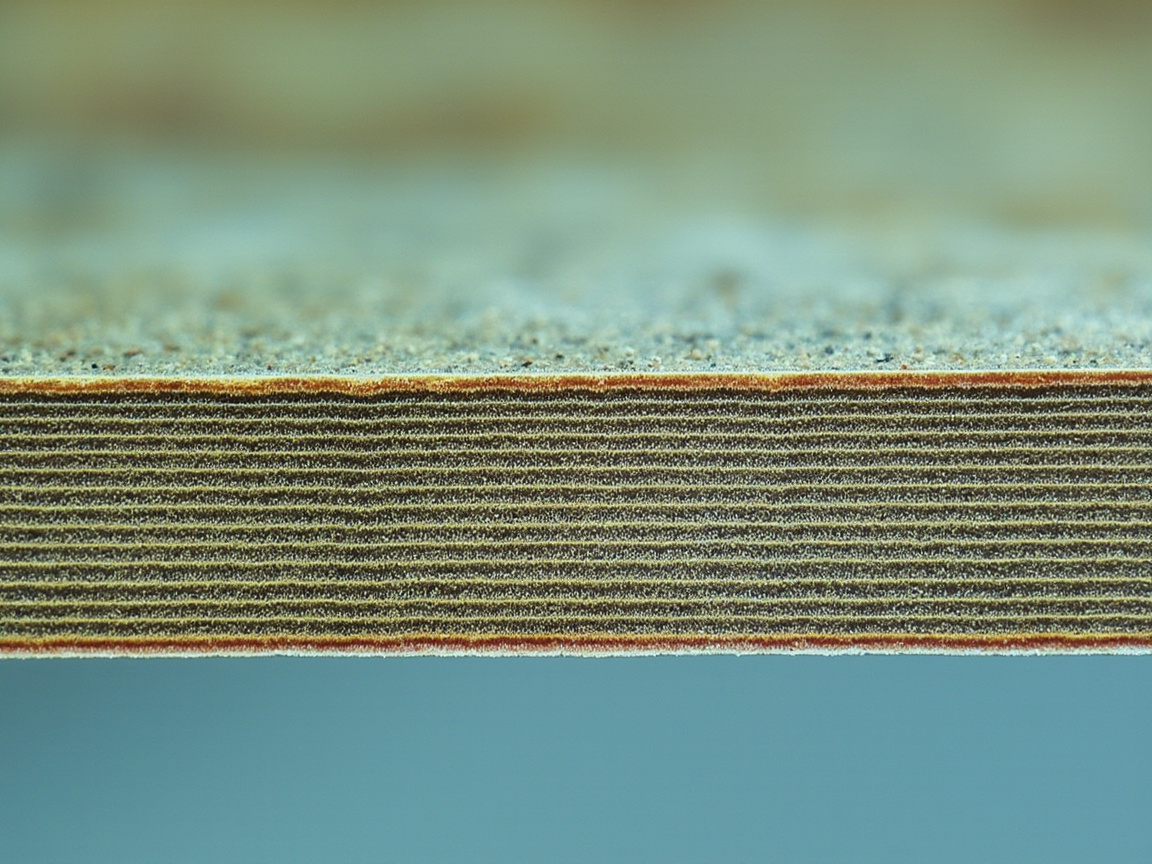
Micaceous Iron Oxide (MIO) is a natural or synthetic α-Fe2O3 flake crystal, with a gray-black metallic luster, chemically stable, inert, insoluble in water and most solvents. Its most distinctive feature is the flake (lamellar/mica-like) morphology—with a thickness of only hundreds of nanometers to a few micrometers, and an aspect ratio (diameter/thickness) of tens or even hundreds. When a large number of MIO flakes are arranged parallel in the paint film, they overlap layer by layer like roof tiles, forming a physical barrier against corrosive media.
According to the provisions of ISO 12944-5 on intermediate coat fillers, micaceous iron oxide is explicitly listed as a recommended intermediate layer pigment for heavy-duty anti-corrosion systems; its inertness, flake shape, and stability are key to long-term anti-corrosion service life. It should be distinguished that ordinary iron oxide red (spherical) is mainly used for coloring and slight shielding, while the flake structure of MIO is the essential difference in shielding efficiency, and the two should not be confused.
II. Lamellar Shielding Mechanism: Why the "Tile Structure" Can Prevent Corrosion
The anti-corrosion essence of epoxy micaceous iron oxide intermediate coat is not chemical passivation or cathodic protection, but physical barrier. Its mechanism can be broken down into three levels:
First, the labyrinth effect (Labyrinth / Tortuous path). MIO flakes are arranged in parallel orientation within the paint film; water, oxygen, and chloride ions must bypass each "tile" to penetrate the film layer, greatly extending the path. According to corrosion electrochemistry theory, the permeation rate of media is inversely proportional to the path length; the longer the path, the longer it takes to reach the steel substrate, and corrosion initiation is significantly delayed.
Second, inert blocking. MIO itself is chemically inert α-Fe2O3, does not participate in electrochemical reactions, nor is dissolved by water immersion, and remains stable over the long term, unlike some active anti-rust pigments that are consumed with reaction. This keeps the shielding layer intact on a timescale of decades.
Third, synergy with the epoxy binder. Epoxy resin has dense cross-linking and good shielding properties itself; MIO flakes embedded in the epoxy network further reduce film porosity and suppress microcrack propagation. The wetting and encapsulation of the flakes by the epoxy resin makes the bond between flakes and binder tight, avoiding through-channels between flakes.
One misconception needs clarification: MIO is not a "sacrificial anode"; it does not provide electrochemical protection, and after failure, it still relies on the primer (such as the cathodic protection of zinc-rich epoxy) and the topcoat (weather resistance) as backup. The value of micaceous iron oxide intermediate coat is to "delay time, increase shielding thickness, and connect primer and topcoat", serving as the "load-bearing wall" in the compatibility system.
III. Typical Performance Positioning of Epoxy Micaceous Iron Oxide Intermediate Coat
According to public TDS and ISO 12944 compatibility experience, the key indicators of epoxy micaceous iron oxide intermediate coat are usually as follows (values are common industry ranges, subject to the product TDS):
- Volume solids: commonly 50%–80%, high-solid types can reduce the number of coats;
- Recommended single-coat DFT: 60–150 µm, high-solid can be thicker in a single coat;
- Cumulative as intermediate layer in total compatibility: can reach 100–300 µm or even thicker;
- Salt spray resistance: as part of the compatibility, shows excellent performance in long-term testing per ISO 9227 (neutral salt spray equivalent to ASTM B117);
- Intercoat adhesion with the next topcoat: per GB/T 9286 cross-cut method, grade 0/1 is excellent;
- Color: gray-black metallic, strong hiding power.
Epoxy micaceous iron oxide intermediate coat usually contains no or only a small amount of active anti-rust pigments, relying mainly on shielding, so it must be used in combination with primer and topcoat; a single coat alone cannot constitute a complete anti-corrosion system.
IV. Role in ISO 12944 Compatibility System
ISO 12944 is an internationally recognized standard for protective coating systems, classifying corrosive environments from C1 (very low) to C5 (very high) and Im1–Im3 (immersion) grades, and recommending "primer + intermediate coat + topcoat" compatibility systems (System) for each environment. Epoxy micaceous iron oxide intermediate coat is a frequent choice in high durability (HD, the highest durability grade) compatibilities for harsh environments such as C4, C5, and Im2 (seawater immersion).
Typical compatibility example (for C5 high durability):
| Compatibility layer | Coating type | Single-coat DFT | Number of coats | Function |
|---|---|---|---|---|
| Primer | Zinc-rich epoxy (cathodic protection) | 60–80 µm | 1 | Sacrificial anode, strong adhesion |
| Intermediate coat | Epoxy micaceous iron oxide MIO | 100–200 µm | 1–2 | Lamellar shielding, thickening |
| Topcoat | Aliphatic polyurethane (weather resistant) | 60–80 µm | 1–2 | Weather-resistant gloss retention, UV resistance |
This "primer—intermediate—topcoat" structure divides the three mechanisms: primer electrochemical protection + intermediate coat physical shielding + topcoat weather-resistant decoration, none of which can be omitted. If the micaceous iron oxide intermediate coat is omitted, relying only on the primer and a thin topcoat, the shielding path is short and corrosive media quickly penetrate, causing a sharp drop in service life. For the cathodic protection mechanism of primers, refer to the article on zinc-rich epoxy primer in the whitelist.
V. Film Thickness Design and Application Process
The core of applying epoxy micaceous iron oxide intermediate coat is "thick enough with flake orientation". Process key points:
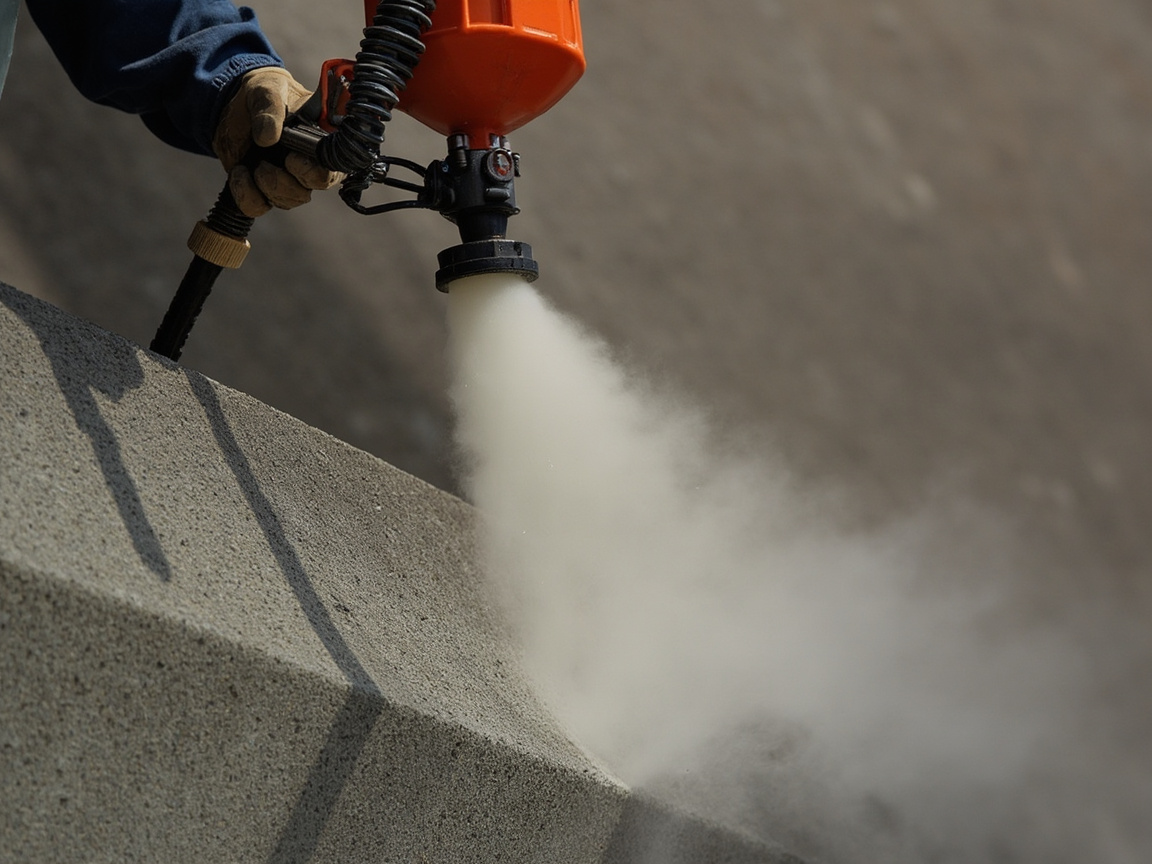
- Mainly airless spray, ensuring flakes spread parallel during spray leveling; roller coating is also possible but with slightly poorer flake orientation;
- Single-coat DFT controlled within TDS range (e.g., 80–150 µm), too thick tends to sag and pinhole;
- Number of coats calculated by total compatibility film thickness; C5 high durability total DFT often reaches above 280 µm;
- Intercoat recoat interval per TDS; too short retains solvent, too long requires abrading to increase intercoat adhesion;
- Surface treatment: blast to Sa 2.5 (per GB/T 8923.1 / ISO 8501-1), roughness meets requirements to ensure primer adhesion.
One engineering experience: the surface of micaceous iron oxide intermediate coat should be uniform gray-black with metallic flash; if mottled or showing substrate, it indicates uneven film thickness or insufficient stirring. MIO flakes easily settle, so thorough stirring is required before application, and suitable shear mixing equipment should be used to disperse flakes evenly without clumping.
VI. Compatibility with Topcoat and Primer
Epoxy micaceous iron oxide intermediate coat is an epoxy system, with good intercoat compatibility with epoxy primers (zinc-rich, iron oxide red, etc.); it is also widely compatible with aliphatic polyurethane topcoats (PU over epoxy is a classic compatibility). But note:
- If the topcoat is a different chemical system (such as certain acrylics, chlorinated rubber), confirm compatibility to avoid intercoat delamination;
- If recoat interval is too long and the epoxy surface is fully cured and smooth, PU topcoat adhesion may be insufficient, requiring light sanding or a transition layer;
- The micaceous iron oxide intermediate coat itself has general weather resistance (epoxy is not UV resistant), and must never be used alone as the outermost outdoor layer; a weather-resistant topcoat must be applied over it.
For the choice of weather-resistant topcoat, you may further read this batch's aliphatic and aromatic polyurethane to understand why aliphatic PU must be used over micaceous iron oxide.
VII. Standards and Testing
The evaluation of epoxy micaceous iron oxide intermediate coat is based on multiple standards:
- Anti-corrosion system: ISO 12944-5 (protective coating systems), ISO 12944-2 (environmental classification);
- Salt spray: ISO 9227 (neutral salt spray, equivalent to ASTM B117);
- Intercoat adhesion: GB/T 9286 (cross-cut method), GB/T 5210 (pull-off method);
- Dry film thickness: GB/T 13452.2 / ISO 2808 (destructive and non-destructive thickness measurement);
- Solids content: GB/T 1725 / ISO 3251;
- VOC: GB 30981-2020 "Limits of Harmful Substances in Industrial Protective Coatings".
Upon acceptance, inspect total DFT, intercoat adhesion, and appearance (no missed coating, sagging, pinholes) per the compatibility, and verify the system grade in the salt spray report. It must be emphasized that the anti-corrosion data of micaceous iron oxide intermediate coat must be evaluated within the "compatibility system"; testing a single coat of micaceous iron oxide alone is meaningless.
VIII. Common Misconceptions and Troubleshooting
| Misconception/Defect | Description | Countermeasure |
|---|---|---|
| MIO can provide standalone anti-corrosion | MIO only shields, no electrochemical protection | Must use primer + intermediate + topcoat system |
| MIO can be used as outdoor topcoat | Epoxy is not UV-resistant and will chalk | Must overcoat with aliphatic PU |
| Thicker single coat is better | Over-thick causes sagging and pinholes | Control single-coat DFT |
| Spray without stirring | MIO settling, uneven flake distribution | Stir and disperse thoroughly |
| Uncontrolled recoat interval | Poor intercoat adhesion | Control interval per TDS |
IX. Trade-offs with Solvent-free Epoxy Intermediate Coat
Under the background of heavy anti-corrosion and tightening environmental regulations, solvent-free epoxy intermediate coat (high film thickness, low VOC) has also become an option. Solvent-free systems can achieve hundreds of microns in a single coat with extremely low VOC (per GB 30981 limits are more lenient or exempt), but have high application viscosity and high requirements for equipment and temperature. MIO can also play a role in solvent-free epoxy, except dispersion and orientation are more demanding on the formulation. When selecting, weigh between VOC compliance (GB 30981), single-coat film thickness, and application capability.
X. Selection Recommendation Checklist
- Environmental class: C4/C5/Im etc. determine whether MIO intermediate coat is needed;
- System structure: primer (zinc-rich) + intermediate (MIO) + topcoat (PU);
- Total DFT: determined per ISO 12944 durability grade;
- Solid content and VOC: select solvent-based or solvent-free per GB 30981;
- Application method: mainly airless spray, control recoat interval;
- Acceptance: combined salt spray, intercoat adhesion, total film thickness.
Kexin New Materials (kexinMaterials) provides "primer–intermediate–topcoat" integrated formulations and process cards for heavy anti-corrosion systems, specifically optimizing the flake orientation and total film thickness design of MIO intermediate coat for harsh environments such as cross-sea and chemical, maximizing the shielding path and extending maintenance cycles.
XI. Application Defects and Prevention of Epoxy MIO Intermediate Coat
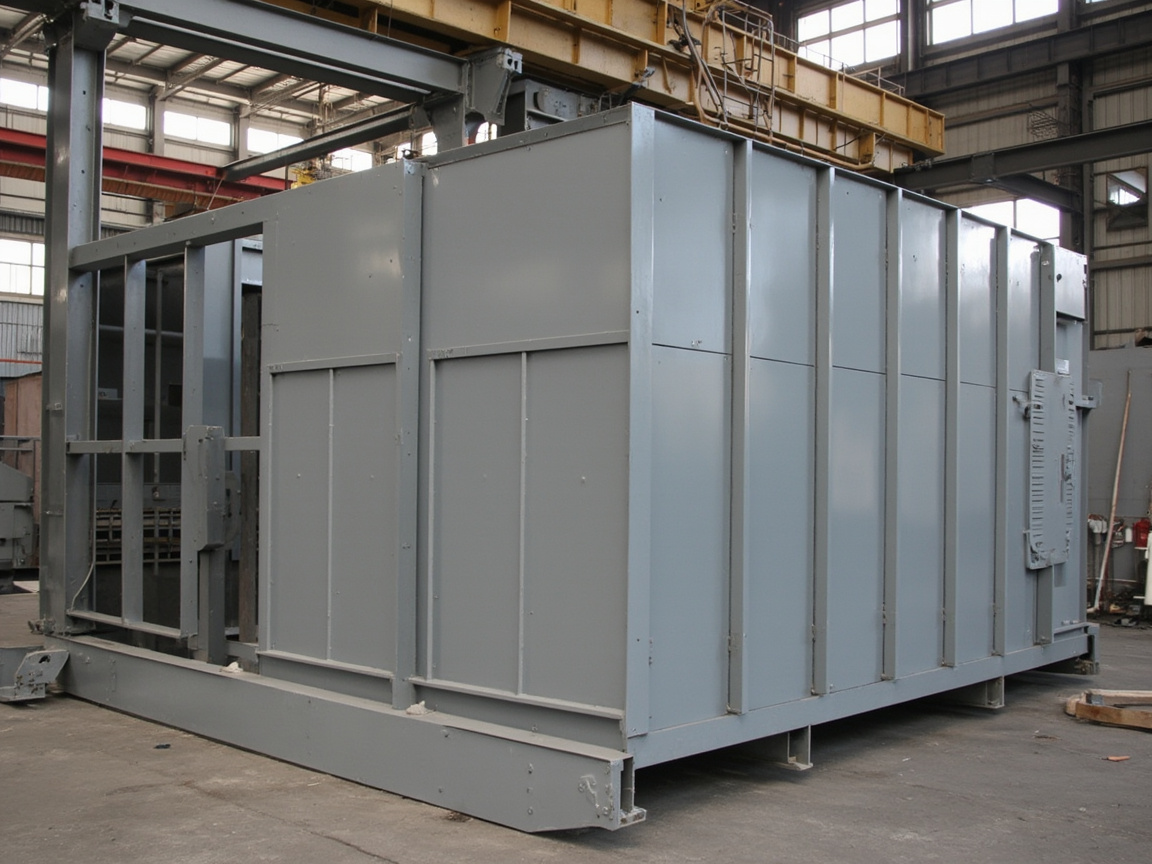
Common defects of MIO intermediate coat: sagging (excessive single-coat DFT or low viscosity), bare substrate and uneven color (insufficient stirring causing MIO settling, uneven spraying), intercoat peeling (previous coat not dry or contaminated), pinholes (substrate pores or solvent retention). Prevention: strictly control single-coat film thickness and dilution ratio per TDS; stir thoroughly before application and agitate periodically to prevent settling; ensure parallel flake orientation with airless spray; accept intercoat per GB/T 9286 cross-cut. Better MIO flake orientation gives longer maze path and stronger shielding, so application process is more particular than ordinary intermediate coat.
XII. Comparison of MIO with Other Barrier Fillers
Besides MIO, glass flake, aluminum powder, and stainless steel flake also have barrier properties. Glass flake has high aspect ratio and excellent permeation resistance, but high cost and application viscosity; aluminum powder has good shielding but electrochemical risk (incompatible with some primers); MIO is inert, cost-effective, and compatible with epoxy, making it the mainstream choice for heavy anti-corrosion intermediate coat. Selection depends on environmental class, durability, and cost: C3 can use ordinary intermediate coat, C4/C5/Im prefer MIO or glass flake.
XIII. Role of MIO Intermediate Coat in Maintenance and Refurbishment
When maintaining old anti-corrosion layers, if the original system contains MIO intermediate layer with acceptable adhesion, after sanding and roughening it can be directly recoated with the same MIO and topcoat to restore shielding thickness; if the original layer is chalked or peeled, it must be assessed to sound layer and redo primer-intermediate-topcoat. In maintenance, MIO layer can quickly restore medium path length, being one of the most cost-effective thickness restoration means. Kexin New Materials (kexinMaterials) emphasizes thickness measurement + pull-off + system verification in maintenance systems, avoiding blind thickening.
XIV. Environmental and VOC Trends of MIO Intermediate Coat
With tightening GB 30981-2020 limits, solvent-based MIO intermediate coat is shifting to high-solid and solvent-free; solvent-free epoxy MIO can achieve single-coat thick film and low VOC, but high application viscosity requires heating and dedicated equipment. When selecting, compare VOC (g/L) and single-coat applicable DFT together, not just unit price.
XV. Film Thickness Design Principles of MIO Intermediate Coat
Thicker is not always better. Single airless spray DFT should be controlled at 60–150 µm; too thick easily sags, pinholes, and wastes; cumulative system thickness per ISO 12944 environmental class and durability, C4 intermediate coat total often 100–200 µm, C5/Im can be higher. Design relies on thin-layer multi-coat and total DFT dual control, not single-coat thickness.
XVI. Intercoat Design of MIO Intermediate Coat and Topcoat
Above MIO must be overcoated with weather-resistant topcoat (aliphatic PU or weather-resistant epoxy). Intercoat adhesion accepted per GB/T 9286 cross-cut grade 0/1; recoat interval must be within TDS window, too short solvent retention, too long needs roughening. Topcoat thickness supplements weather resistance and decoration, MIO focuses on shielding, clear division.
XVII. Special Significance of MIO in Storage Tanks and Offshore Platforms
Storage tank exteriors and offshore platforms are in C5-M high-salt-spray high-humidity-heat environments; every inch longer for medium to reach substrate extends life. MIO maze shielding is the most cost-effective thickening means in such environments, combined with zinc-rich primer and aliphatic PU topcoat, forming long-life system. When selecting, write environmental class and durability grade into specification together.
XVIII. Storage and Batch Stability of MIO Intermediate Coat
MIO easily settles; storage must be upright, avoid long static, stir thoroughly before use; color difference between batches is inevitable, keep same-batch sample for comparison in large-area application. Supplier should provide solid content, volume solid content, and VOC report; applicator calculates theoretical DFT from volume solid content to avoid miscalculating film thickness by mass.
XIX. Coating Equipment and Process Parameters of MIO Intermediate Coat
MIO intermediate coat mostly uses airless spray; gun distance, pressure, and pass speed determine flake orientation and film thickness uniformity. Too low pressure causes messy flakes and weak shielding; too high causes overspray waste. Nozzle selection per volume solid content and viscosity, recoat interval per TDS. Equipment parameters written into process card are hard conditions to ensure consistent maze shielding.
XX. Thickness Distribution of MIO Intermediate Coat in C5/Im High-Durability System
Taking ISO 12944 high durability (durability >15 years) as example, total DFT often above 320 µm, where MIO intermediate bears main thickening and shielding (cumulative 150–250 µm), zinc-rich primer provides cathodic protection, aliphatic PU topcoat provides weather resistance. Three thicknesses distributed by ratio, any too thin becomes weak link.
XXI. Common Misuses and Corrections of MIO Intermediate Coat
Misuse 1: used as topcoat outdoor alone—must chalk, need weather-resistant topcoat. Misuse 2: incompatible with some topcoats causing lifting—need small-sample verification. Misuse 3: single-coat thickness causing sagging—change to thin-layer multi-coat. Misuse 4: ignoring VOC—change to high-solid/solvent-free. Corrections all rely on "system design rather than single-product thinking".
XXII. Digital Quality Traceability of MIO Intermediate Coat
Modern projects require each coat to record batch, film thickness, environment, applicator, forming traceability chain. As intermediate coat, MIO thickness and adhesion data are key evidence of system life. Kexin New Materials (kexinMaterials) provides system-level quality archives for key projects, making anti-corrosion life auditable and insurable.
XXIII. Low-Temperature Application of MIO Intermediate Coat
At low temperature, epoxy MIO has high viscosity risk and slow surface dry, must heat or use winter curing agent; below 10℃ apply with caution, film thickness control stricter to prevent sagging. Low temperature is quality lowland, needs special process and on-site temperature records, avoid incomplete curing from normal-temperature experience.
XXIV. Compatibility of MIO Intermediate Coat with Inorganic Zinc-Rich
Inorganic zinc-rich primer + epoxy MIO intermediate + PU topcoat is classic inorganic zinc-rich system. MIO must be compatible with inorganic zinc surface, note recoat window. This system has higher temperature resistance, suitable for high-temperature sections and strong corrosion environments, common long-life anti-corrosion combination.
XXV. Repair Process of MIO Intermediate Coat
Local damage sanded to sound layer, patch with same-system MIO and topcoat, note joint film thickness transition; overhaul assesses overall adhesion. Repair process carded, ensuring old and new layer durability consistent. Untimely repair causes defect expansion, from point to surface.
XXVI. Supplier Evaluation of MIO Intermediate Coat
Evaluation looks at MIO content and flake size, solid content, VOC, TDS completeness, batch stability. Require supplier to provide flake morphology and shielding data. Supplier capability determines shielding effect; low-price low-quality MIO equals ordinary filler, must discern by data.
XXVII. Extension of MIO Intermediate Coat in Wind Power and Bridges
Wind tower and bridge box corrosion are severe; MIO intermediate coat is long-life system hub. Its maze shielding delays chloride ion arrival, with zinc-rich and aliphatic PU, design life can exceed 20 years. Extension applications show generality and reliability of MIO value.
XXVIII. Film Thickness Detection Practice of MIO Intermediate Coat
Film thickness measured by magnetic thickness gauge per GB/T 13452.2 at multiple points, take mean and minimum. MIO contains metal flakes, measurement must be calibrated; total DFT includes primer-intermediate-topcoat, single intermediate thickness inferred from process records. Detection practice determines whether system truly meets standard; missing data makes shielding thickness a black box.
XXIX. Composite of MIO Intermediate Coat with Glass Flake
Severe environments can use MIO + glass flake composite, shielding stacked. Glass flake has stronger permeation resistance but high application viscosity and cost; MIO easy application, cost-effective. Composite takes both strengths, direction for ultra-high durability system. Composite must verify intercoat adhesion, avoid weak interface.
XXX. Technical Evolution of MIO Intermediate Coat
From high VOC to high-solid, solvent-free, from experience mix to data mix. Evolution revolves around two main lines: environmental and reliable. Future mature water-based MIO will further reduce VOC. Technical evolution makes maze shielding greener, also drives heavy anti-corrosion industry upgrade.
XXXI. Environmental Compliance Key Points of MIO Intermediate Coat
With GB 30981-2020 implementation, volatile organics of solvent-based MIO intermediate coat are strictly limited. High-solid and solvent-free versions become compliance mainstream; purchase should write volume solid content and VOC values into bidding conditions. Compliance is not only legal threshold but also engineering quality endorsement. Preposing environmental compliance avoids later rectification and rework losses.
XXXII. Application Safety Training of MIO Intermediate Coat
Micaceous iron oxide dust irritates respiratory tract; spraying must wear dust mask and goggles, site ventilation. Safety training reduces occupational risk, also reduces labor disputes. Safety is engineering bottom line, cannot omit protection for schedule. Training records should be archived as part of traceable evidence chain for safety management.
XXXIII. Typical Engineering Atlas of MIO Intermediate Coat
Bridge boxes, storage tank exteriors, wind towers, offshore platforms are high-frequency scenes for MIO intermediate coat. These structures are in salt-spray or humid-heat severe environments, maze shielding value prominent. Engineering atlas shows its generality, also provides comparable reference for new projects. Case accumulation moves shielding design from experience to database.
XXXIV. Film Thickness Acceptance Method of MIO Intermediate Coat
Intermediate film thickness measured by magnetic thickness gauge per GB/T 13452.2 at multiple points, take mean and minimum. MIO contains metal flake layer, instrument must be calibrated. Total dry film thickness includes primer-intermediate-topcoat, single intermediate thickness inferred from process records. Standardized acceptance method, whether system meets standard no longer black box, quality controllable and traceable.
35. Storage and Stability Management of Micaceous Iron Oxide Intermediate Coat
Micaceous iron oxide tends to settle; it must be stored upright and avoid prolonged standing, and should be thoroughly stirred before use. Natural color differences exist between different batches, so same-batch samples should be kept for comparison in large-area application. Suppliers must provide solid content, volume solids, and VOC reports. Although storage and batch management are trivial, they are the prerequisite guarantee for shielding effectiveness.
36. Re-understanding the Cost-Effectiveness of Micaceous Iron Oxide Intermediate Coat
The unit price of MIO intermediate coat is higher than ordinary iron oxide red, but its unit shielding efficiency and durability are superior; in long-life systems, the amortized cost is actually lower. Re-understanding cost-effectiveness avoids early failure caused by simply comparing unit prices. Factoring durability into cost is mature thinking in heavy-duty anti-corrosion material selection, and also a guarantee of the owner's long-term interests.
37. Future Outlook for Micaceous Iron Oxide Intermediate Coat
In the future, MIO intermediate coat will evolve toward water-based, high-solid, and smart monitoring directions. Water-based reduces VOC, high-solid increases single-coat film thickness, and smart monitoring embeds corrosion warning. The evolution revolves around the dual main lines of environmental protection and reliability. As a classic shielding material, MIO will gain new value through greening. Outlook enables forward-looking selection and also guides suppliers to develop products that fit real working conditions.
38. Quick Reference for Common Q&A on Micaceous Iron Oxide Intermediate Coat
Quick reference: Can it be used alone outdoors? No, a weather-resistant topcoat must be added. How thick per coat? 60 to 150 micrometers. How to divide work with zinc-rich? Zinc provides cathodic protection, MIO provides shielding. How to accept? Measure total film thickness and intercoat adhesion. The quick reference compresses high-frequency questions into a card for on-site instant answers. The quick reference card should be posted on the wall to reduce misoperation and rework, and improve first-pass construction qualification rate.
39. Pre-Construction Checklist for Micaceous Iron Oxide Intermediate Coat
Pre-construction confirmation: substrate blasting grade reaches Sa2.5, moisture content qualified, temperature and humidity within window, material batch and mixing ratio verified, airless spray parameters set. Start work only after the checklist is signed, which can block most early mistakes. The checklist is the first gate of quality, extremely low cost but extremely high value. Taking it as the starting point of the process makes the system quality controllable and trustworthy from the start.
40. Durability Expectation Management for Micaceous Iron Oxide Intermediate Coat
Durability expectation must be based on environmental grade and film thickness, not on feeling. High-durability systems are designed for a service life of over 15 years, and must be graded per ISO 12944 with samples retained for monitoring. Expectation management gives owners reasonable psychology and budget. Writing expectations into the contract avoids premature questioning of normal aging. Managing expectations reflects supplier professionalism and reduces unnecessary later disputes.
Common Questions
Q: What is the anti-corrosion mechanism of epoxy micaceous iron oxide intermediate coat?
A: The core is physical shielding (flake labyrinth effect). Micaceous iron oxide scale-like flakes are arranged parallel, lengthening the permeation path of water, oxygen, and chloride ions; MIO is chemically inert and does not react, remaining stable long-term. It provides no electrochemical protection and must be used with primer and topcoat.
Q: Can micaceous iron oxide intermediate coat be used alone as an outdoor topcoat?
A: No. Epoxy is not UV-resistant and will chalk and lose gloss if used alone outdoors. Micaceous iron oxide intermediate coat must be above the primer and below an aliphatic polyurethane topcoat, serving as a shielding intermediate layer.
Q: What is the difference between epoxy MIO and ordinary iron oxide red intermediate coat?
A: MIO is flake-shaped α-Fe2O3, relying on flake labyrinth shielding; iron oxide red is mostly spherical, mainly for coloring and slight shielding. The shielding efficiency is essentially different; heavy-duty anti-corrosion must use flake MIO.
Q: What is the recommended film thickness for MIO intermediate coat?
A: Single-coat DFT commonly 60–150 µm; in a system it can cumulatively reach 100–300 µm or more, determined by ISO 12944 environmental grade and durability. Too thick easily causes sagging and pinholes; thin multiple coats are needed.
Q: Why does ISO 12944 high-durability systems commonly use MIO?
A: In severe environments like C4/C5/Im2, corrosion is intense and requires the triple protection of "primer cathodic protection + MIO shielding + topcoat weather resistance"; MIO's labyrinth shielding is key to extending the time for media to reach the substrate.
Q: What should be noted when applying MIO intermediate coat?
A: Stir thoroughly to prevent MIO settling; use airless spray to ensure flake orientation; control single-coat DFT and recoat interval; substrate blast Sa2.5; accept intercoat adhesion per GB/T 9286.
Q: How do MIO intermediate coat and epoxy zinc-rich primer divide their work?
A: Zinc-rich primer provides electrochemical protection via zinc sacrificial anode and strong adhesion; MIO intermediate coat relies on flake shielding to thicken and lengthen the path; topcoat is weather-resistant. The three mechanisms are complementary, forming a complete system.
Q: Is solvent-free epoxy MIO feasible?
A: Feasible. Solvent-free epoxy can give single-coat thick film and low VOC; MIO works the same, but construction viscosity is high and equipment temperature requirements are strict, requiring trade-off between GB 30981 and construction capability.
Q: What should the surface of MIO intermediate coat look like?
A: Uniform gray-black, with metallic shimmer, no bare spots or mottling, no sagging or pinholes. Mottling or bare spots indicate uneven film thickness or insufficient stirring.
Q: How to accept the quality of epoxy MIO intermediate coat?
A: It must be evaluated within the coating system: test total DFT (ISO 2808), intercoat adhesion (GB/T 9286 cross-cut 0/1 grade), system salt spray grade (ISO 9227), appearance, and verify VOC compliance with GB 30981.
Further Reading
- Aliphatic and Aromatic Polyurethane: Understand why an aliphatic PU topcoat must be used above MIO intermediate coat for weather resistance.
- Epoxy Zinc-Rich Primer: Master the cathodic protection mechanism of primer and build complete "primer—intermediate—topcoat" anti-corrosion knowledge.
- Epoxy and Polyurethane Selection Guide: Laterally compare the role division of epoxy and polyurethane in heavy-duty anti-corrosion systems.