Introduction: Low-Speed Shearing — the "Gentle Precision" in Fire-Resistant Coating Production
The core of intumescent fireproof coating for steel structures lies in the flame-retardant intumescent system, which is typically composed of ammonium polyphosphate (APP) as the dehydration catalyst, pentaerythritol (PER) as the char-forming agent, and melamine (MEL) as the blowing agent. These three substances exist in the coating as micron-sized crystalline particles. Once the crystal structure is damaged by mechanical force during the dispersion process, the expansion ratio of the fireproof coating may decrease by 30%–50% or even fail completely. Therefore, the production of fireproof coatings must adopt a specialized low-speed shear mixing process.
Intumescent fire-resistant coating is a special functional coating that, at high temperatures (200–250°C), can expand to 50–100 times its original thickness to form a dense charred layer, and its fireproofing performance relies on the integrity of the crystal structures of the components in the flame-retardant intumescent system.
I. Characteristics and Shear Sensitivity of Individual Components of Flame-Retardant Intumescent Agents
| Component | Chemical Formula | Crystal Morphology | Hardness | Shear Sensitivity | Consequence of Damage |
|---|---|---|---|---|---|
| Ammonium Polyphosphate (APP) | (NH₄PO₃)n(n>1000) | Irregular flake/columnar, 5-20μm | Medium-low | Moderately sensitive—crystals easily sheared into fine powder | Decomposition temperature decreases, phosphoric acid released prematurely |
| Melamine (MEL) | C₃H₆N₆ | Prismatic crystals, 5-15μm | Medium | Moderately sensitive—edges and corners easily worn | Foaming gas release temperature and rate altered |
| Pentaerythritol (PER) | C₅H₁₂O₄ | Tetragonal system, 10-30μm | Low | Highly sensitive—very easily ground into powder | Carbon skeleton integrity damaged, low char layer strength |
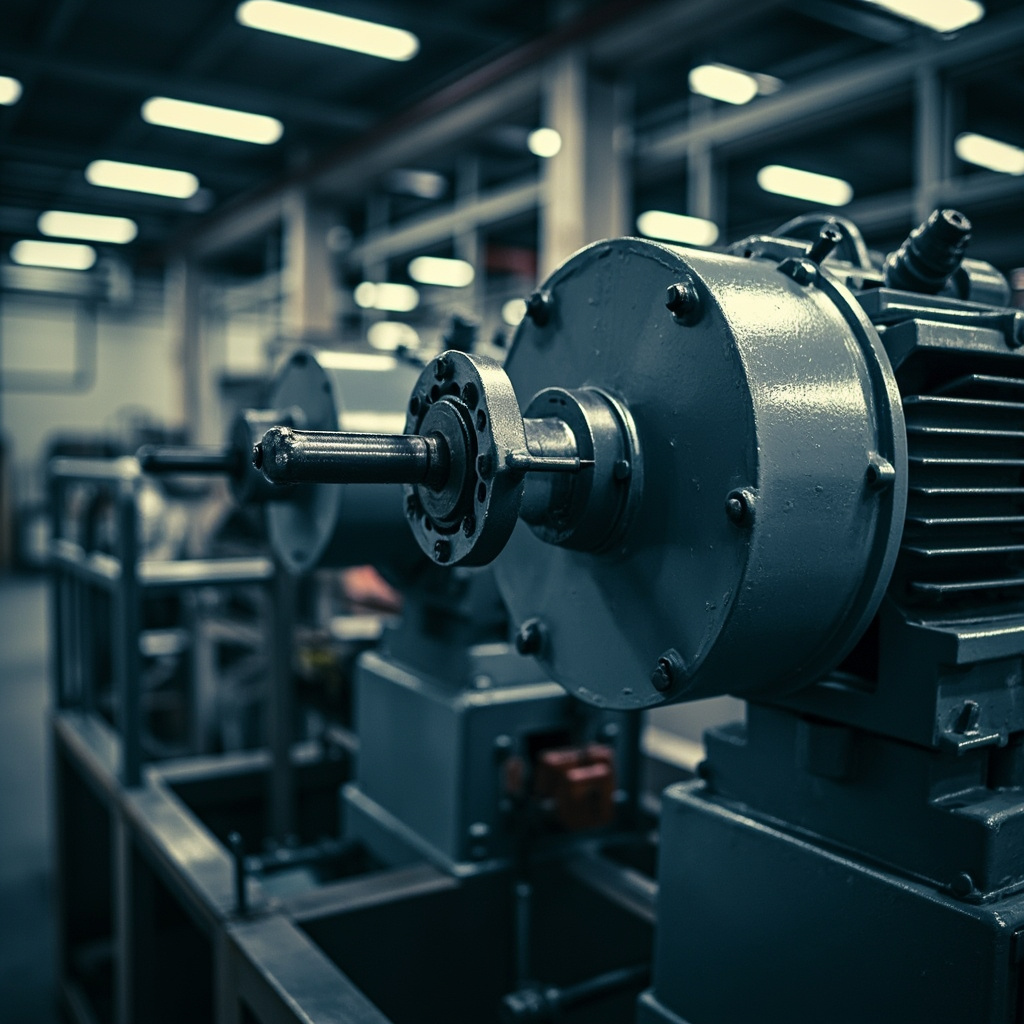
II. Process Parameters of the Twin-Shaft Mixer
| Process Parameters | Recommended Value | Control Purpose | Monitoring Method |
|---|---|---|---|
| Low-speed shaft speed (butterfly stirring) | 20-60 rpm | Macromixing, prevent settling, wall scraping | Variable frequency drive + tachometer |
| High-speed shaft speed (dispersion disc) | 200-500 rpm | Micro-scale dispersion without damaging crystals (linear velocity <5m/s) | Variable frequency drive + tachometer |
| Stirring time | 30-60 min | Uniform mixing but avoid unnecessary prolonged shearing | Timer + sampling to observe uniformity |
| Feeding sequence | Emulsion/resin → additives → PER → APP → MEL (last) | Flame retardants mixed under emulsion protection | Process card + video surveillance |
| Material temperature control | ≤40°C | Prevent APP thermal decomposition (significant only >150°C) | Infrared temperature measurement |
III. Comparison of the Effects of Different Stirring Methods on Expansion Ratio
Laboratory comparative test data show that: fireproof coatings processed by high-speed dispersion (toothed disc 1500rpm/15min) had their expansion ratio drop from the standard value of 50-80 times to 15-30 times, a decrease of 60%-70%. SEM observation revealed that after high-speed dispersion, APP grains were crushed into fragments of <2μm, and PER crystals were completely ground away, losing their original square crystal shape. In contrast, the same formulation coating processed by dual-axis low-speed stirring (butterfly 30rpm + dispersion disc 300rpm/40min) maintained an expansion ratio of 50-75 times, with a difference of <10% from the laboratory hand-stirred baseline sample.
Key mechanism: Under low-shear conditions, flame retardant particles are "encapsulation-mixed" rather than "mechanically degraded" in the emulsion/resin medium. The high-viscosity emulsion base material (>10,000 mPa·s) acts as a buffering protective layer, and most of the energy from mechanical forces transmitted to the particles is dissipated through fluid viscosity.
Technical Deepening: Engineering Economics and Parameter Science of Dispersion Processes
Dispersion process is not merely a technical issue—it is a core cost driver in manufacturing. Taking a factory with an annual output of 3,000 tons of heavy-duty anti-corrosion coatings as an example: the energy consumption of the dispersion process accounts for 35%–45% of total energy consumption. Optimization strategies—(1) Adopt variable frequency speed regulation instead of constant speed—automatically adjust the disperser disc speed according to coating viscosity—can save 20%–30% energy; (2) The jacket cooling water of the dispersion tank is preheated for the next batch of raw materials via a heat exchanger—heat recovery rate >60%—saves over 100,000 yuan in natural gas annually; (3) Arrange products of the same color series for continuous production in the same dispersion tank—reduce cleaning frequency—reduce cleaning solvent waste by over 20 tons per year. The "optimal economic point" of the dispersion process is not technical optimality—but the lowest comprehensive cost of technology + energy consumption + cleaning + labor.
The "over-grinding" of dispersion quality is a common waste—after the dispersion time exceeds the optimal dispersion point—every additional minute of dispersion—energy consumption increases but fineness does not improve—and the coating temperature keeps rising—which may cause resin pre-reaction and additive degradation. During the dispersion process, the factory should take samples every 5 minutes to test fineness, plot the "fineness-time curve", and stop dispersion immediately when the curve enters the plateau region—rather than following a fixed time schedule.
Industry Case: A Million-Dollar Rework Lesson from Poor Dispersion
A certain steel structure painting project - after construction of epoxy zinc-rich primer, dense pinholes (>50 per m²) appeared on site. Investigation of spraying parameters showed all were normal - sampling inspection revealed coating fineness >50μm (standard <30μm) - root cause tracing - the dispersion time for this batch was reduced to 20min (standard 25min / to catch up with schedule) + dispersion disc linear speed was only 18m/s (standard 22m/s / worn dispersion disc not replaced) - the combination of these two factors led to insufficient pigment dispersion. Ultimately, the project required complete re-sandblasting + repainting, with rework cost 3 times the original painting cost - exceeding 2 million yuan.
FAQ
Q1: Why can't fireproof coatings be produced with conventional high-speed dispersers? The high shear force generated by the tip speed (18-25 m/s) of conventional high-speed dispersion is sufficient to crush crystalline particles such as APP and PER, greatly reducing the expansion ratio. Fireproof coatings must be produced using dual-shaft low-speed mixing or planetary mixing.
Q2: How to determine if the flame retardant is damaged during production?(1)Take a coating sample and calcine it in a muffle furnace at 250-300°C for 5 min, measure the height of the expanded char layer after expansion—if the expansion ratio at 10°C indicates lattice damage.
Q3: Will low-speed stirring cause uneven dispersion of the flame retardant? Yes, this is the main challenge of the low-speed process. Solutions: (1) Extend stirring time to 40-60 min; (2) Adopt a dual-axis design—the low-speed butterfly paddle is responsible for macro circulation, and the high-speed small disc (200-500 rpm) is responsible for micro-region dispersion; (3) Select an emulsion/dispersant system with good wettability to the flame retardant surface.
Q4: How to ensure the storage stability of intumescent fireproof coatings?APP slowly hydrolyzes in acidic environments (releasing phosphoric acid → catalyzing PER esterification → system thickening or even curing). Solutions: (1) Use microencapsulated APP (surface coated with melamine-formaldehyde resin); (2) Control coating pH in the neutral range of 6.5-7.5; (3) Seal packaging to prevent moisture; (4) Storage temperature <35°C.
Q5: What are the differences in process requirements between APP with different degrees of polymerization (APP Type I vs Type II)?APP Type I (degree of polymerization <100) has high solubility, is sensitive to moisture, and has a softer crystal structure, requiring gentler stirring (high-speed shaft 1000). It has better water insolubility and harder crystals, and can withstand slightly higher shear (high-speed shaft <500rpm), but the cost is 30%-50% higher.
Q6: What are the differences in the mixing process between water-based and solvent-based fireproof coatings?Due to the high surface tension of water and poor wettability of water-based fireproof coatings, it is more difficult to uniformly disperse the flame retardants, and they are more prone to settling after dispersion. It is necessary to: (1) Pre-wetting—the flame retardants are first pre-mixed in an aqueous solution containing a wetting agent for 10–15 min; (2) Add an efficient anti-settling agent (bentonite/fumed silica); (3) Extend the mixing time by 15–20 min compared to solvent-based coatings.
Q7: What are the precautions for premixing flame retardants?Never premix APP and PER in a dry state! The dry powder mixture of APP and PER may undergo violent esterification or even combustion upon friction or heating (>150°C). Correct operation: APP and PER should be independently pre-dispersed in liquid media respectively, then added to the mixing tank in sequence.
Q8: How to control the clearance of the wall-scraper plate of the twin-shaft mixer?The clearance between the wall-scraper plate and the tank wall should be controlled at 1-3mm. Too small (5mm) will cause high-viscosity materials to form a "dead layer" on the wall that does not participate in mixing. It is recommended to use a wall-scraper plate made of PTFE (wear-resistant and does not scratch the stainless steel tank wall).
Q9: How to verify the expansion ratio of each batch of fireproof coating?Take 100g of coating and apply it onto a 150×70×1.5mm steel plate, with a dry film thickness of 2.0±0.2mm. After drying for 7 days, place it in a muffle furnace and heat it according to the standard heating curve (from room temperature to 500°C at 10°C/min, hold for 30min). After cooling upon removal, measure the maximum thickness of the charred layer. Expansion ratio = charred layer thickness / original dry film thickness. Test at least 3 panels per batch and take the average.
Q10: How to handle dust generated during the production of fireproof coatings?APP and PER dust pose a risk of combustion and explosion when they reach a certain concentration in the air (the lower explosion limit of APP dust is approximately 50g/m³). Measures: (1) Install local exhaust hoods and bag dust collectors in the feeding area; (2) Electrical equipment should have explosion-proof rating Ex tD A21; (3) Regularly perform wet cleaning of floors and equipment surfaces (dry sweeping is prohibited); (4) Operators should wear dust masks and anti-static work clothing.
FAQ: In-Depth Technical Q&A Supplement
Q11: How do the differences in domestic and international standards for this technology affect product export?Domestic standards (GB) differ from ISO/ASTM standards in test methods and acceptance criteria. For example, salt spray testing—GB/T 1771 (equivalent to ISO 7253) has test conditions basically consistent with ASTM B117—but the rating systems (ISO 4628 vs ASTM D610/D714) differ—export products must also indicate the corresponding international standards when providing test reports, otherwise overseas customers cannot make a comparative assessment. It is recommended to list both GB and ISO/ASTM dual-standard indicators in the TDS (Technical Data Sheet) of export products—to enhance the trust of international customers.
Q12: How to verify the long-term service performance of this technology in actual engineering?Laboratory accelerated testing (salt spray/QUV/cyclic corrosion) provides comparative data—but cannot fully replace actual outdoor exposure testing. Recommendations—(1) Set up outdoor exposure racks at both the factory location and typical customer locations (e.g., coastal C5-M/industrial C4)—conduct annual inspections of coating appearance/adhesion/film thickness changes—establish a company-owned outdoor service database; (2) Collaborate with universities/research institutes—combine enterprise data with academic research—enhance data credibility.
Q13: What should SMEs pay attention to when purchasing related raw materials/equipment?(1) The batch stability of suppliers is more important than unit price—it is recommended to require suppliers to provide COA data for >10 batches—and evaluate batch variation (CpK); (2) For equipment procurement, visit peers who have used the equipment for >2 years to understand the long-term reliability and after-sales service quality of the equipment—rather than relying only on the demonstration data from equipment suppliers; (3) For key raw materials (resin/curing agent)—maintain at least 2 qualified suppliers to guard against single-supply risk.
Q14: What is the current state and trend of digital transformation in this field?The digital transformation of the coatings industry is evolving from “point-based applications” (automation of individual equipment/processes) to ”system integration” (full-chain ERP+MES+PMS). Currently, the ”highest-ROI investment” for digitalization in small and medium-sized coatings factories is automatic batching systems + digitalization of quality control data—with a payback period of 1–3 years—which is the prioritized recommended direction. Future trend—AI + sensors enabling real-time optimization of process parameters—further reducing quality variation between batches.
Q15: How can a newly entered coating engineer quickly master this technology?(1)Combine theory and practiceDo not only read literature without touching actual production—nor rely solely on experience without studying theory;(2)Establish a"failure case archive"Every customer complaint/production anomaly/coating failure—record the root cause and resolution process—this is the most effective learning material;(3)Learn from suppliersTechnical personnel from resin/additive/pigment suppliers are the carriers of "tacit knowledge" in this field—communicate more with them about solutions to specific problems.
Engineering Application and Implementation Recommendations
Pre-construction preparation and risk assessment
Before formal construction, the three prerequisite tasks must be completed: (1) Substrate condition confirmation — inspect the moisture content of the substrate (concrete <4% / steel with no visible water film), surface preparation grade (abrasive blasting Sa2.5 / manual St3) and salt contamination (chlorides dew point +3°C) — construction may proceed only when all three are satisfied — any exceedance will cause irreversible defects during coating curing; (3) Coating batch verification — check the coating batch number, production date and COA test report — confirm that the coating is within its shelf life and that key indicators (viscosity / fineness / curing time) meet requirements.
Key control points during the construction process
During construction, it is necessary to continuously monitor and record the following parameters: (1) Wet film thickness (WFT) of each coat (wet film thickness gauge / at least 5 points per 10m²) — the conversion relationship between WFT and target dry film thickness (DFT) is DFT = WFT × volume solids (%) — if WFT deviation is found, immediately adjust spraying parameters; (2) Drying/curing time of each coat — epoxy system requires surface dry (2-4h/23°C) → hard dry (6-12h) → full cure (7 days) — the application of the next coat must be within the optimal recoat window of the previous coat (usually 4-24h after surface dry) — premature recoating → interlayer solvent penetration and lifting/late recoating → decreased interlayer adhesion; (3) Continuous recording of construction environmental conditions — record temperature/humidity/dew point every 2h — archived as part of the completion document.
Quality Acceptance and Completion Documentation
The final acceptance of the coating system shall be based on the acceptance criteria specified in the contract (e.g., ISO 12944 / SSPC-PA 2 / GB 50205) — key acceptance items include: (1) Dry Film Thickness (DFT / ≥5 points per 10m² / any single point ≥80% of nominal value / average within 100–120% of nominal value); (2) Holidays detection (wet sponge method for DFT 500μm / zero holidays); (3) Adhesion (pull-off method ISO 4624 / ≥ design value / failure mode preferably cohesive failure); (4) Visual inspection (no sagging / no orange peel / no particles / uniform gloss). All acceptance test data shall be compiled into as-built documents including test reports + construction records + paint batch numbers + environmental records — serving as the data baseline for the 25-year warranty period of the coating system — with an archival period of ≥5 years.
Related Reading
Summary
The production of high-viscosity intumescent fireproof coatings must adopt a low-speed shear mixing process (butterfly blade at 20–60 rpm plus disperser disc at 200–500 rpm) to preserve the crystal structure integrity of ammonium polyphosphate, melamine, and pentaerythritol. High-speed dispersion causes a 60%–70% reduction in expansion ratio, an irreversible quality loss. The fireproof coating production line at Kexin New Materials Coating Factory employs a PLC-programmed dual-shaft mixing process, precisely controlling low-speed shear parameters to ensure the expansion ratio of each batch of fireproof coating consistently meets the requirements of GB 14907-2018.