How to select anti-corrosion coatings? Building an "environment-adapted" protection logic.
In industrial corrosion science, failures often stem from insufficient anticipation of environmental risks or logical breaks in coating systems. Selecting the right anticorrosive paint requires following a complete evaluation process from microscopic mechanisms to the macro-environment.


I. Assess the Environment: Define the "Stress Level" of Corrosion
The environment determines the redox reaction rate of the coating and the risk of physical degradation.
- Chemical medium pressure Explanatory capability: In chemical plants or pickling workshops, the air is rich in acid mist. At this point, the selection logic should favor vinyl ester or high-solid epoxy coatings with extremely strong chemical resistance.
- Climate and Light Exposure Stress Technical Logic: Outdoor sun exposure causes photodegradation (chain scission) of polymer molecular chains. If the environment is a plateau or coastal area with long-term UV exposure, the weather resistance of the topcoat is the primary consideration.
- Electrochemical stress (salt spray) Causal reasoning: Coastal salt spray contains a large amount of chloride ions with extremely strong penetration. It must be addressed synergistically through a dense barrier layer and a sacrificial anode protective layer.
II. Consider the Substrate and Performance Requirements: Precisely "Tailor the Solution to the Problem"
Different substrate physical properties determine how coating adhesion is established.
- Metal substrate (steel) Core companion: The first choice is epoxy zinc-rich primer. The logic lies in the electrochemical protection of zinc powder (sacrificial anode); even if the paint film is locally scratched, the zinc powder will react preferentially to protect the metal from rusting.
- Porous substrate (concrete) Technical explanation: Concrete has capillary pores and is alkaline. An epoxy sealing primer should be selected, whose excellent penetration performance penetrates into the pores to prevent alkaline substances from the substrate from leaching out and damaging the topcoat.
- High-performance topcoat selection
- Polyurethane topcoat: Balances hardness and gloss, suitable for mechanical equipment with appearance requirements and certain weather resistance needs.
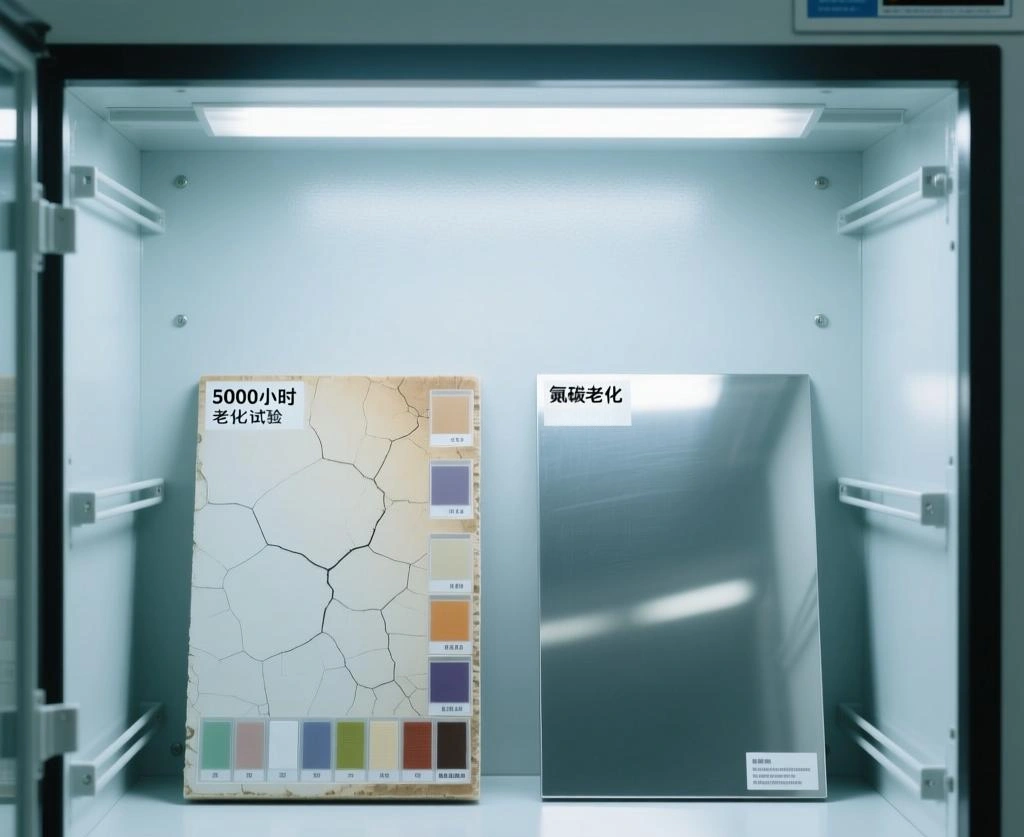
- Fluorocarbon paint: Utilizing the high bond energy of C-F bonds, it provides ultra-long protection of 15 years or even over 12 years, making it the top choice for large bridges and curtain walls.
III. Examine the Complementary System: Understand the Synergistic Effect of "Layered Protection"
Anti-corrosion is by no means achieved by thickening a single coating layer, but rather relies on the logical complementarity of different functional layers.
- Primer (Protection and Adhesion): Responsible for gripping the substrate and providing initial anti-corrosion activity.
- Intermediate coat (barrier and thickness): Such as micaceous iron oxide intermediate paint, which increases the difficulty for corrosive media to penetrate through its flake structure, while increasing the total coating thickness (DFT) and reducing cost.
- Topcoat (Color Retention and Barrier): Responsible for resisting the first round of attacks from external UV rays and chemical media.
IV. Frequently Asked Questions (FAQ)
- Q: Can I apply the topcoat directly to metal, skipping the primer? A: No. Topcoats focus on weather resistance and aesthetics, usually lack active anti-rust pigments, and have weaker adhesion to metal than primers. Direct application easily leads to large-area peeling and underlying corrosion.
- Q: Why is it said that finding the right coating factory is more important than choosing the paint? A: Anti-corrosion is a dynamic process. An excellent coating factory does not merely produce paint; it can also provide customized TDS (Technical Data Sheet) based on your geographic location and construction conditions (manual rust removal or sandblasting). Incorrect application and wrong thinners are more fatal than choosing the wrong paint.
- Q: Does ambient temperature and humidity affect paint selection? A: Very significantly. Forcing application when humidity exceeds 85% or substrate temperature is below the dew point by 3°C will cause moisture to be trapped inside the paint film, leading to future blistering and peeling.
- Q: Can water-based anti-corrosion paint replace oil-based anti-corrosion paint now? A: In light to moderate corrosion environments from C1 to C3, water-based paint is already fully capable. However, in extremely high corrosion environments such as C4 and C5 (e.g., offshore drilling platforms), high-performance solvent-based coating systems are currently still the more robust choice.
V. Conclusion: Establishing a Material Selection Strategy for Long-Term Value
As you summarized, there is no shortcut to selecting anti-corrosion paint. From the precise corrosion protection of automotive paint to the heavy-duty corrosion protection of industrial pipelines and networks, success is built upon a deep understanding of the logic among the three factors: environment, substrate, and compatibility. In the 2026 industrial environment, choosing a coating factory with R&D capability and the ability to provide integrated solutions is the scientific path to ensuring project quality and reducing lifecycle maintenance costs.