Introduction: Inorganic zinc-rich coatings – the ultimate primer that fuses glass and zinc into the steel surface
The curing essence of inorganic zinc-rich primer (IOZ) is the hydrolysis of ethyl silicate upon absorbing moisture, followed by condensation to form a three-dimensional SiO2 network that binds >80 wt% zinc dust onto the steel surface. This zinc-containing glass layer—with zinc at a more negative potential than steel—acts as a sacrificial anode, releasing electrons from zinc to steel for corrosion protection; the inorganic SiO2 skeleton withstands heat >400°C, more than double the heat resistance of organic epoxies. Inorganic zinc-rich primer is the only primer that retains cathodic protection functionality at high temperatures >400°C.
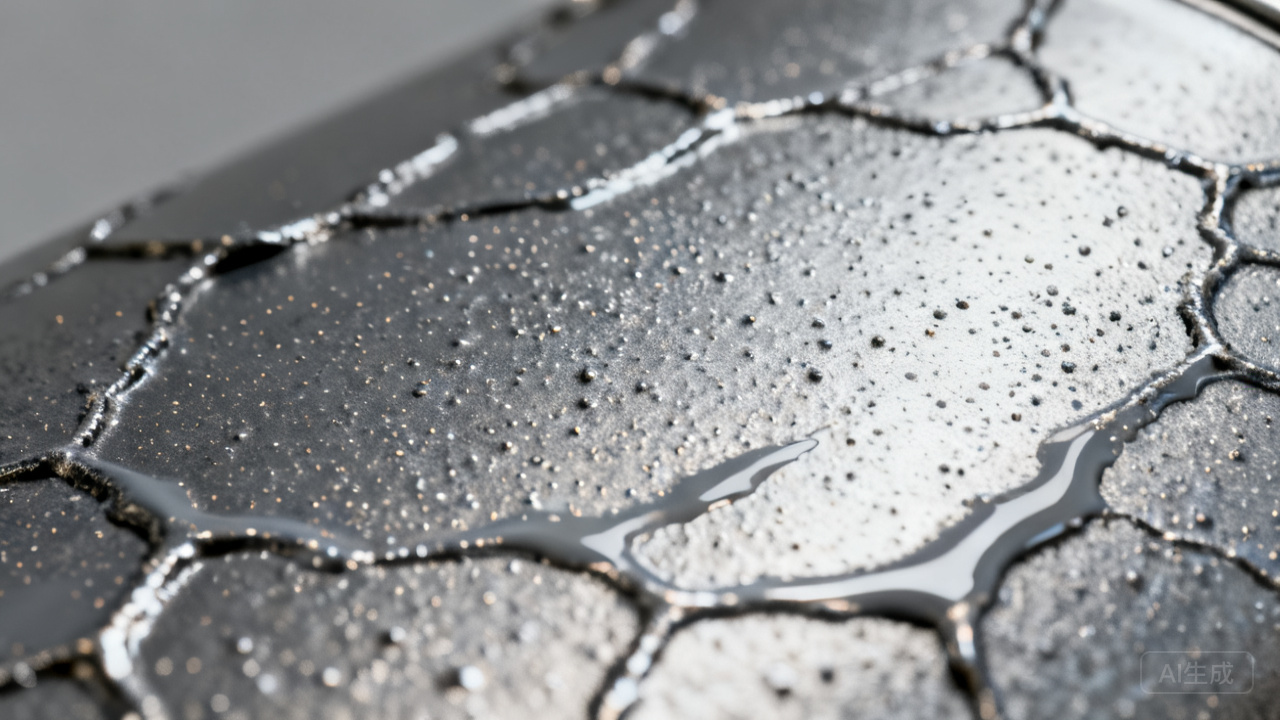
Inorganic zinc-rich primer uses ethyl silicate (solvent-based/moisture-curing) or alkali metal silicate (water-based) as binder——>80wt% zinc dust as sacrificial anode filler——humidity >50%RH completes hydrolysis→condensation forming SiO2 network——combines cathodic protection and barrier protection——heat resistance >400°C——salt spray resistance >3000h (in matched system).
I. Solvent-based vs. Water-based Inorganic Zinc-rich
| System | Binder | Curing Condition | Zinc Powder Content | Heat Resistance | VOC |
|---|---|---|---|---|---|
| Solvent-based ethyl silicate | Partially hydrolyzed ethyl silicate prepolymer | RH>50%/Temp>10°C——humidity = curing agent | 78-85% | >400°C | >600 |
| Water-based potassium/lithium silicate | Potassium/lithium silicate aqueous solution (pH>11) | Water evaporation→drying——Si-OH condensation under alkaline conditions | 75-80% | >400°C | <50 |
FAQ
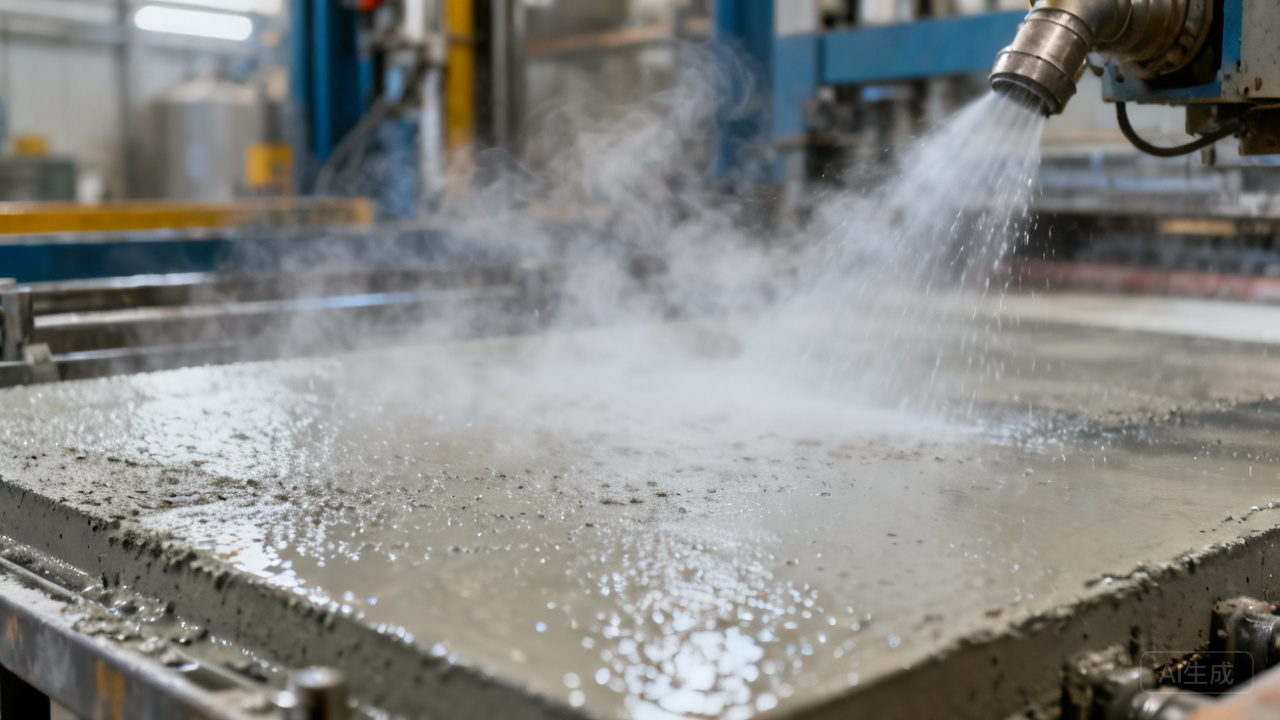
Q1: Why is the coating always soft when humidity is below 50%?Curing consists of two steps: hydrolysis and condensation—water is the hydrolytic reactant—RH<50%→hydrolysis rate is more than 10 times slower→insufficient Si-OH generation→sparse SiO2 network formed by condensation→hardness50% is the minimum requirement for application—after drying for >24h, artificial post-curing can be done by spraying water mist.
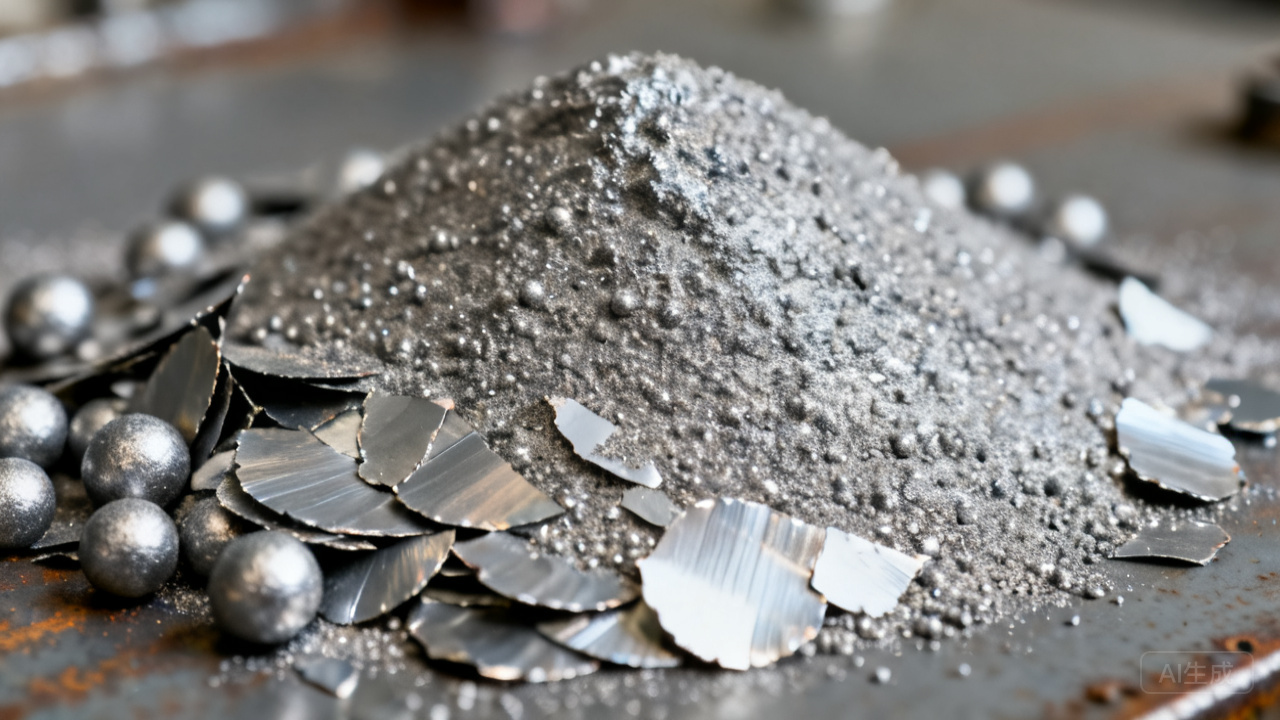
Q2: Spherical vs Flake Zinc Powder — Why is 7:3 Optimal? Spherical (3-10μm): high packing density — more conductive pathways — cathodic protection current >1mA/m² — but O2/water easily penetrates. Flake (<1μm thick): labyrinth effect — excellent barrier — but sparse conductive pathways. 7:3 = spherical conductivity + flake barrier — dual synergy — optimal ratio validated over decades.
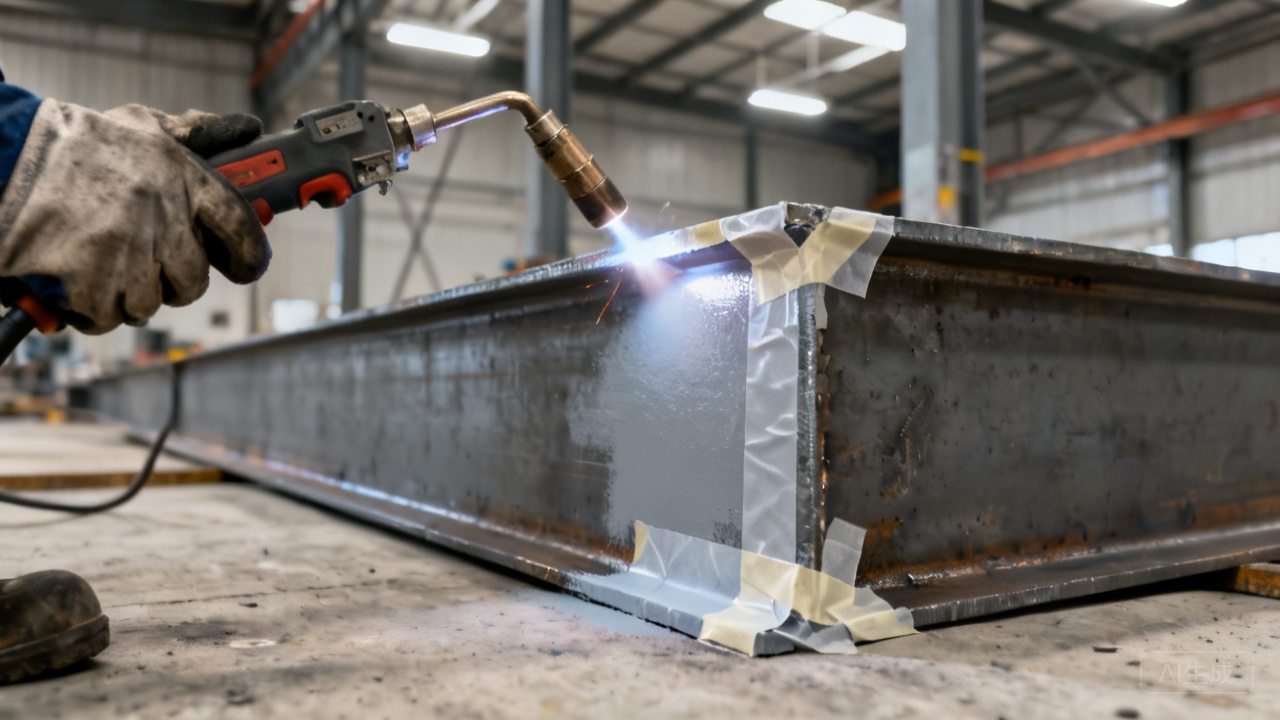
Q3: Why is the zinc content in shop primer kept from being too high? Welding arc >3000°C — zinc vaporizes (boiling point 907°C) → weld porosity → X-ray failure; welding fume ZnO exceeds OSHA limits → welder metal fume fever. Shop primer zinc content is controlled at 60-70% — sacrificing some corrosion resistance in exchange for weldability — this is a classic compromise in industrial practice.
Related Reading
Summary
Inorganic zinc-rich – ethyl silicate (solvent-based / curing agent at RH>50% / heat resistance >400°C) and alkali metal silicate (water-based / eco-friendly VOC80wt% – spherical 7 + flake 3 = optimal conductivity + barrier. Kexin New Materials provides a full range of inorganic zinc-rich products and application/curing guidance.