Introduction: Coating Challenges for Plastic "Non-Stick Pan" Substrates
Plastics (PP/ABS/PC/PA/PBT) are already the second largest coating substrate after steel
——automotive bumpers (PP), interior parts (ABS/PC), 3C electronic housings (PC/ABS+UV coating), home appliance panels (PBT)——the market size of plastic coatings is >20 billion RMB/year (China) with a growth rate >8%. However, coating plastics is far more difficult than coating steel——(1) plastics have low surface energy
(PP is only 29-31 mN/m——lower than the >38 mN/m required for paint spreading——paint shrinks into water droplets——cannot wet the surface); (2) plastics have poor solvent resistance
(solvents in the coating will "swell" or "dissolve" the plastic surface layer——causing environmental stress cracking (ESC)——leading to overall embrittlement and fracture of the plastic part); (3) plastics have low heat deflection temperature
(PP/PE 120°C) causes deformation——requiring low temperature (<80°C) or UV curing)——the formulation design of plastic coatings——must find a precise balance between "adhesion" and "not damaging the plastic"
.
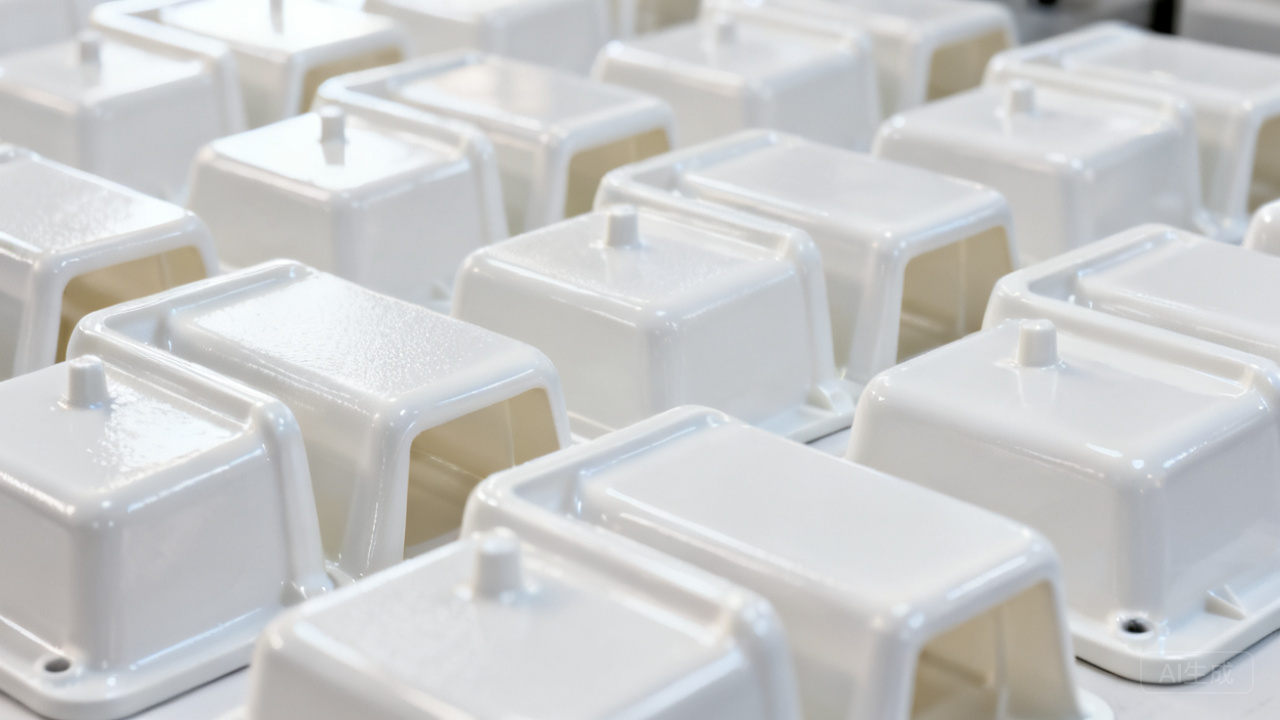
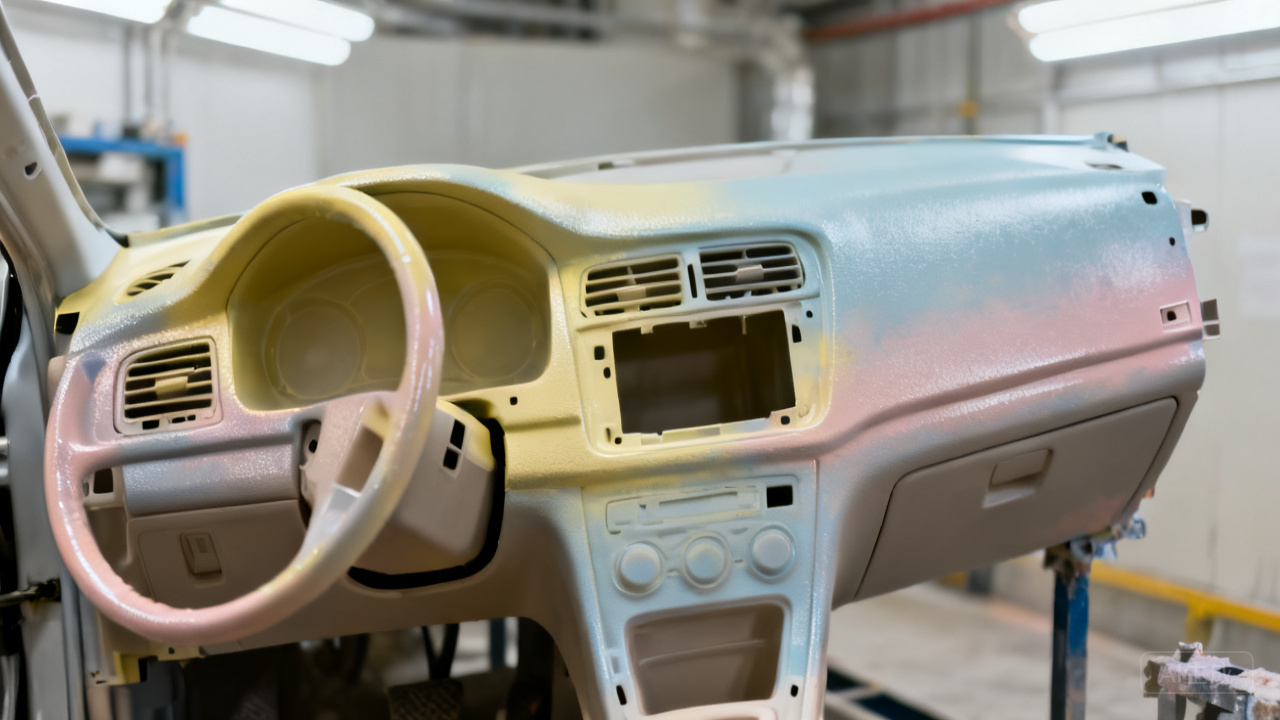
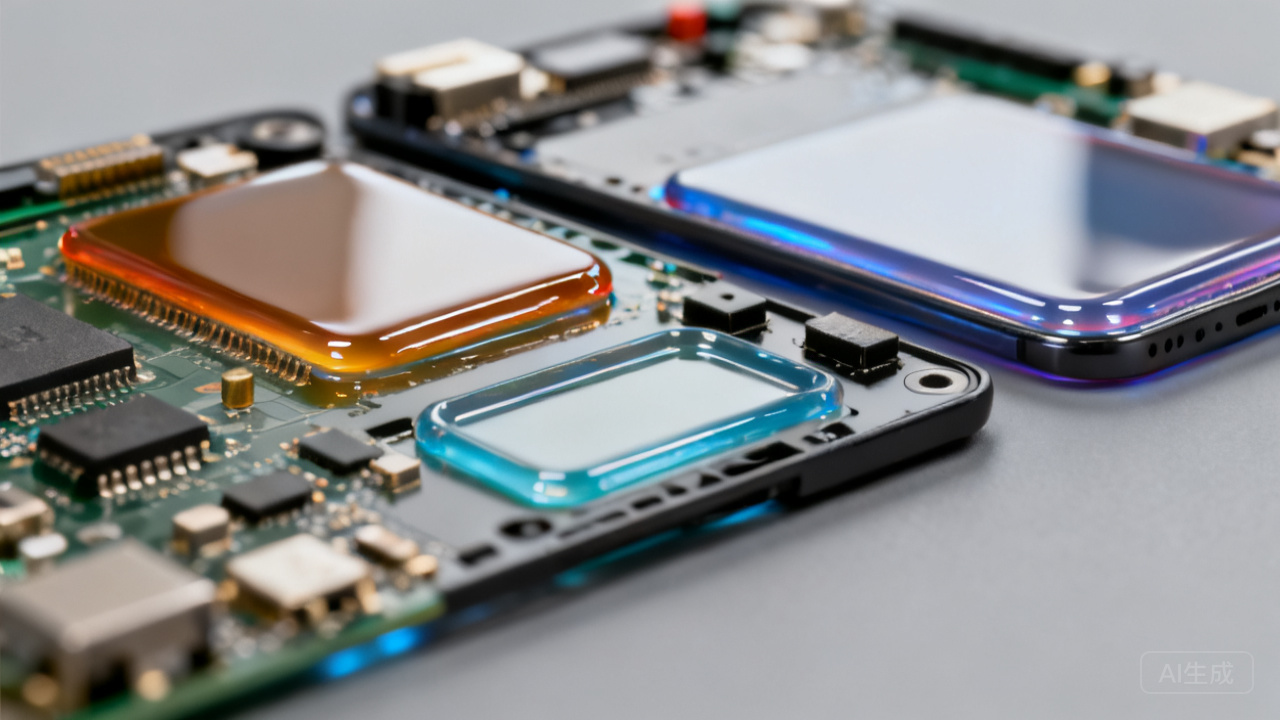
Plastic coatings are a specialized coating system designed for the characteristics of plastic substrates—low surface energy, poor solvent resistance, and thermal sensitivity—achieving adhesion through CPO primer swelling anchoring or PU chemical bonding, curing at low temperature (<80°C) or under UV, and providing both decorative (color/gloss/texture) and protective (wear/scratch/chemical resistance) functions.
I. Coating Resin Selection for Five Major Plastic Substrates
| Plastic | Surface Energy (mN/m) | Solvent Resistance | Heat Deflection (°C) | Recommended Coatings | Adhesion Mechanism |
|---|---|---|---|---|---|
| PP (Polypropylene) | 29-31 (Lowest / Non-polar) | Good | <100 | CPO primer + acrylic / PU topcoat | CPO swelling anchoring (only reliable method) |
| ABS | 35-42 | Medium (swelling by ketones / esters) | <90 | Acrylic / PU / UV-PUA | Chemical bonding (PU's NCO + ABS's butadiene -OH) |
| PC (Polycarbonate) | 38-45 | Poor (solvent stress cracking — ESC) | <130 | Waterborne PU / UV-PUA (solvent-free) | Physical adhesion + slight chemical bonding |
| PA (Nylon) | 40-46 | Good | <160 (PA66) | PU / Epoxy | Chemical bonding (NCO + PA's NH₂ / COOH) |
| PBT | 36-42 | Good (semi-crystalline) | <200 | PU / Polyester | Physical + chemical (small amount of OH / COOH) |
FAQ
Q1: Why is CPO (chlorinated polyolefin) the "irreplaceable" primer for PP coatings?
The molecular chain of CPO consists of polyolefin backbone (similar structure to PP / fully compatible) + chlorine atoms (-Cl / polar)
——(1) The non-polar polyolefin backbone of CPO —— interacts with the PP substrate through chain entanglement and van der Waals forces
—— assisted by solvent swelling of the PP surface layer —— CPO segments penetrate into the PP surface layer —— creating "molecular-level interlocking"
—— this is the core mechanism of CPO adhesion to PP: "swelling anchoring"
; (2) The polar chlorine atoms of CPO —— provide chemical bonding anchor points with subsequent topcoats (PU / acrylic)
. Without CPO primer —— adhesion of any topcoat on PP is 3-5MPa (>5x improvement).
Q2: PC (Polycarbonate) "Environmental Stress Cracking" (ESC) — Why is it the biggest trap in PC coatings?
The molecular chain of PC contains carbonate bonds (-O-CO-O-) — extremely high sensitivity to ketone/ester/aromatic hydrocarbon solvents
— Solvent molecules penetrate the PC surface — reduce the van der Waals forces between PC molecular chains — the residual internal stress of PC (generated by injection molding cooling shrinkage)
is released by the solvent's "plasticizing effect" — PC within >several minutes of solvent contact — produces microcracks — propagation — macroscopic cracking — complete part failure
— This is ESC. PC coatings must use "solvent-free" (UV-PUA/100% solids) or "water-based" (solvent is water — water does not swell PC) — never use solvent-based coatings containing ketones/esters/aromatic hydrocarbons.
Q3: The "moisture absorption" problem of PA (nylon) coatings — why does adhesion "disappear" during the rainy season?
PA (nylon 6/66) moisture absorption rate >3-9% (23°C/50%RH — equilibrium) — moisture forms a "water film" at the PA/coating interface that "lifts" the coating off the PA
— adhesion drops sharply in the rainy season (>5MPa down to <1MPa). Solution — (1) PA parts should be baked (>80°C/2h) before painting — remove absorbed moisture — cool to <40°C after painting before coating
; (2) Use silane coupling agent in primer (KH-560 — epoxy group — reacts with PA's NH₂ — forms Si-O-N covalent bond — water cannot break it)
— wet adhesion maintained >3MPa.
Q4: "Sweat resistance" testing of plastic coatings—why is it the "killer" test for 3C coatings?
Artificial sweat (pH 4.7/containing lactic acid/urea/NaCl)—(1) Acidity—corrodes the coating surface; (2) Salts—penetrate into the coating—osmotic blisters form under the coating; (3) Repeated wet-dry cycles (hand grip—sweat—dry—sweat again)
—salt concentration—accelerated corrosion. The shell coatings of 3C products (phones/earphones/mice) resistant to sweat 72h (40°C)/no blistering—no discoloration—is a standard QC test for 3C coatings.
Related Reading
Summary
Plastic coating formulation design — PP (CPO primer — swelling anchoring / the only reliable approach), ABS (PU — chemical bonding), PC (UV-PUA — solvent-free / ESC prevention), PA (PU + silane coupling agent — wet adhesion), and PBT (PU — physical + chemical) — coating strategies differ drastically among different plastics. Kexin New Materials provides customers with a full range of plastic coating products and adhesion mechanism technical support.