Introduction: Polyurethane (PU) coatings—the “chemically purest” reaction-based coatings
Polyurethane (Polyurethane/PU) is the coating industry’s system with the clearest “raw material—reaction—product” logic
—unlike alkyd (oxidation—complex/non-stoichiometric), epoxy (two-component—curing agent = polyamine—numerous types), etc.—PU chemistry has only one core reaction: isocyanate (-NCO) + hydroxyl (-OH) — urethane bond (-NH-COO-)
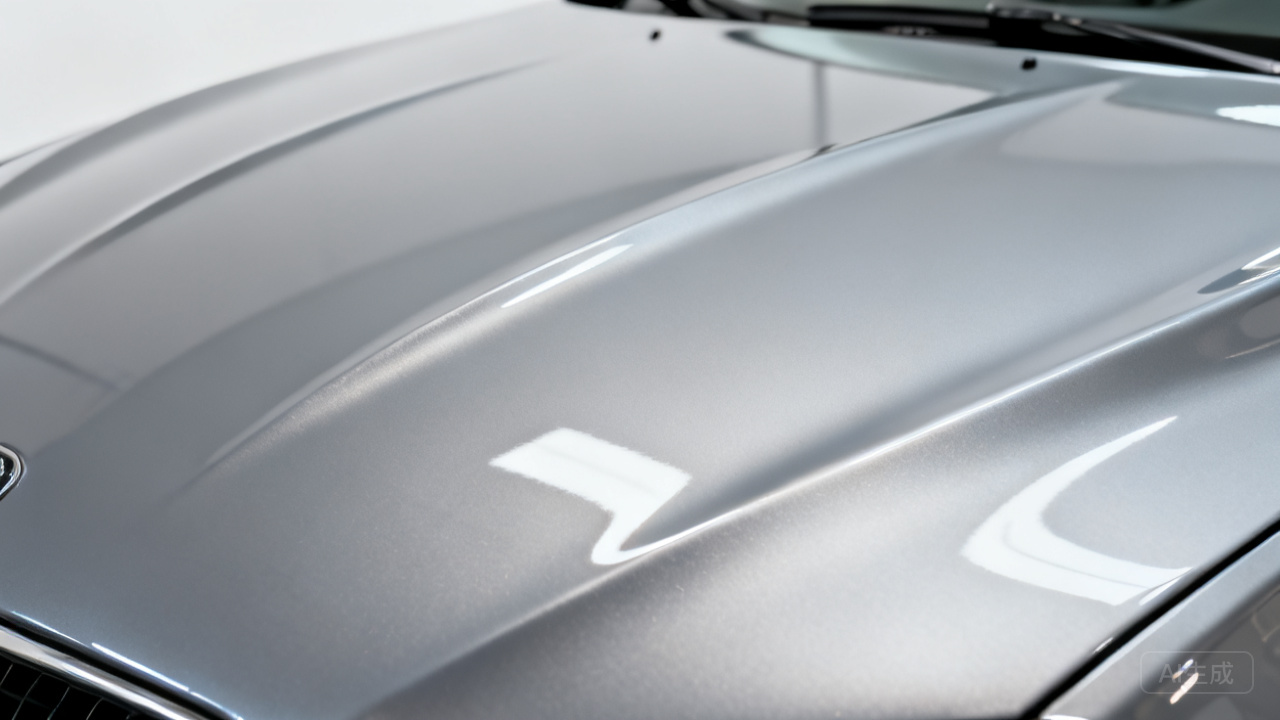
—no byproducts (addition—not condensation—no small molecules released—extremely low volume shrinkage (90%—2K HDI-PU—global—>500,000 tons/year)—(2) automotive refinish (>95%—acrylic polyol + HDI biuret)—(3) wood coatings (>60%—alkyd-modified PU)—(4) flooring (>30% “solvent-free PU” competing with epoxy)—(5) wind turbine blades (>100m giant blades—PU/fluorocarbon system—weather resistance + flexibility). PU is the coating resin type with the highest global output value (>250 billion yuan—>30% coating resin market). “PU = coating resin—king”.
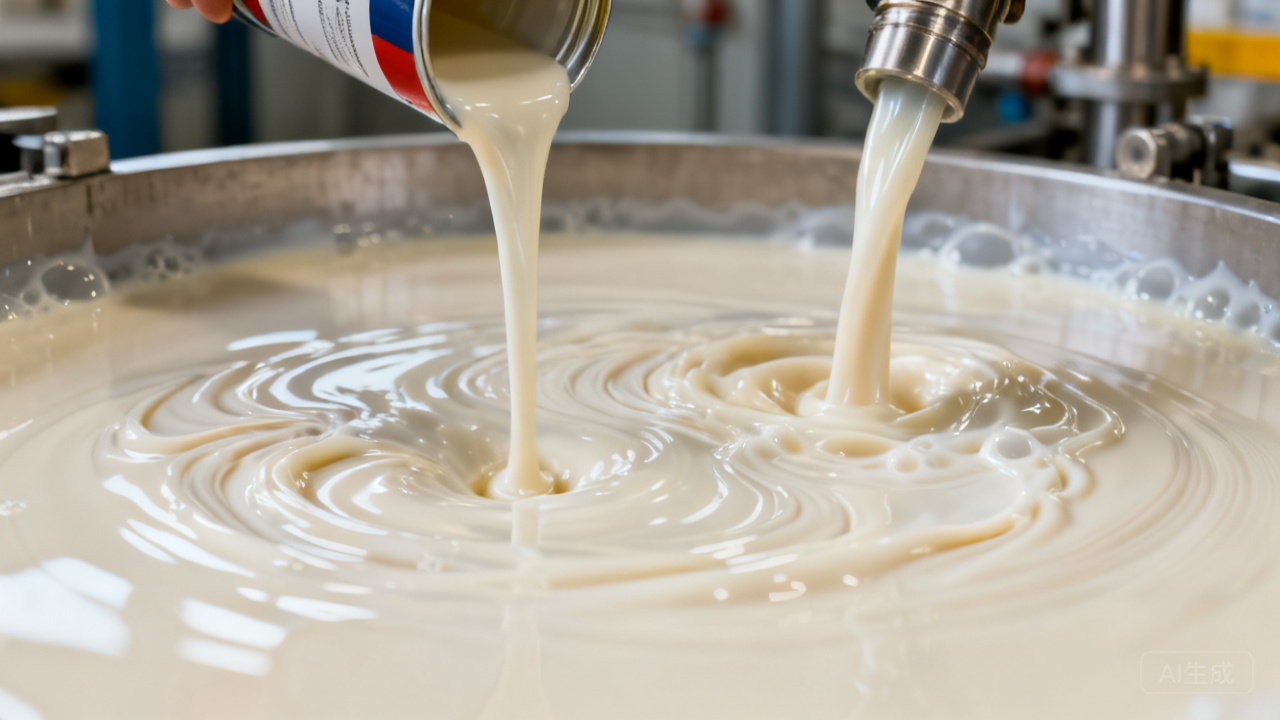
Polyurethane coatings are a class of coating systems based on the addition polymerization reaction between isocyanates (-NCO) and polyols (-OH)—under the action of catalysts (organotin/bismuth/zinc)—which forms a urethane bond (-NH-COO-) crosslinked network at room temperature or low temperature (4H/flooring) to extremely flexible (elongation >100%/leather/textile), making it the coating system with the “highest designability”.
I. Full Parameter Comparison of the Four Major Isocyanate Monomers
| Isocyanate | Type | NCO Content (%) | Volatility (Vapor Pressure at 25°C) | Reactivity (Relative) | Yellowing Resistance (QUV/1000h ΔE) | Typical Applications | Price (RMB/kg) |
|---|---|---|---|---|---|---|---|
| TDI (Toluene Diisocyanate) | Aromatic | 48.3 (TDI—pure 2,4) | High (>50ppm—toxic/sensitizing—used in prepolymer form) | Extremely high (aromatic NCO—>10× aliphatic) | Poor (>5/yellowing)—indoor only | Woodwork/flooring/general industrial (indoor) | 15-25 (lowest) |
| MDI (Methylene Diphenyl Diisocyanate) | Aromatic | 33.6 (pure 4,4-MDI) | Low (<0.1ppm—safe) | High (≈TDI—aromatic) | Poor (yellowing)—indoor/primer | Flexible PU/anti-corrosion primer/solvent-free flooring | 20-35 |
| HDI (Hexamethylene Diisocyanate) | Aliphatic/linear | 49.7 (pure HDI—usually biuret/trimer—NCO 18-25) | Medium-high (>10ppm—prepolymer—biuret reduces volatility) | Medium (aliphatic—weak activity—requires catalyst)— | Excellent (ΔE QUV 2000h) | Automotive OEM clearcoat/refinish/aerospace | 80-150 (most expensive) |
| IPDI (Isophorone Diisocyanate) | Cycloaliphatic | 37.8 (pure IPDI—usually trimer—NCO 16-20) | Low (<1ppm—safe) | Low-medium (cycloaliphatic/steric hindrance—requires strong catalyst—DBTDL) | Excellent (weathering = HDI—better hardness) | Automotive/aerospace/wind turbine blades—topcoat | 100-200 (most expensive—imported) |
FAQ
Q1: TDI—Why is aromatic NCO more than 10 times more reactive than aliphatic?
TDI—benzene ring—isocyanate group (-NCO) directly attached to the benzene ringElectron-withdrawing effect of the benzene ring—enhances the electrophilicity of the C atom in NCO—more easily attacked by the nucleophilic oxygen of —OH
—low reaction activation energy (ΔG‡≈40-50kJ/mol—more than 15kJ/mol lower than aliphatic)—therefore the reaction of TDI with —OH—at >25°C—within minutes—occurs—no catalyst needed—Pot Life<30min. "Too fast—needs—control—slow release—prepolymer—reduce initial reaction—extend pot life". Aliphatic (HDI/IPDI)—NCO on alkyl chainbenzene ring—no electron withdrawal—weak electrophilicity of NCO C—high reaction activation energy (ΔG‡≈55-65kJ/mol)—no catalyst—at >25°C—reaction starts only after 8-24h—Pot Life>4-8h—but requires catalyst (DBTDL—0.01-0.1%—accelerates >50 times—cures in <4h)—this is the "controllable—delayed—burst—catalyzed" advantage of HDI/IPDI
—compared to TDI—PU automotive clearcoat “Pot Life 2-4h—enough time to spray a whole car—then >80°C/30min—fully cured—off the line” precise control—unparalleled.
Q2: Why is the —NCO/—OH equivalent ratio always NCO>OH (1.05-1.15) rather than “stoichiometric” (1.00)?
“Stoichiometric” (1.00) — under absolutely “anhydrous — no alcohol — no amine — vacuum — no water vapor — sealed” conditions — is correctbut in real production/construction — water in the system (formulation water / trace water in solvents / moisture in air — moisture in pigments) will all consume —NCO — i.e. “extra loss of NCO” 1 mol water — consumes 2 mol —NCO (2NCO+H₂O→urea — + CO₂↑) “stoichiometric” — actual —NCO insufficient — —OH excess — coating crosslinking incomplete — tacky — poor resistance
.”>”NCO/OH=1.05-1.15″ compensates for water consumption — ensures —OH is fully reacted by —NCO — > complete crosslinking” excess NCO — reacts with water — generates urea — urea itself provides additional crosslinking — also beneficial — but — NCO too excessive (>1.3) — too much free NCO in coating — toxicity / water resistance decline — therefore “1.05-1.15 — is — the optimal compromise balancing — crosslinking / water consumption — and — excess negatives — industry’s ‘rule of thumb'” .
Q3: Organotin (DBTDL—dibutyltin dilaurate) catalyst—soon to be banned by EU REACH—alternative solutions—effects and costs of bismuth/zinc?
DBTDL”PU catalysis—gold standard—extremely high activity (>0.01% suffices—cures by next morning—without catalyst—curing is >10× slower)—low price (>50 yuan/kg)”However—REACH (2022)—DBTDL—listed as—reproductive toxicity (1B)—SVHC—>2025—in the EU—restricted—needs replacement”. Alternatives—(1) Organic bismuth (Bismuth Neodecanoate)—”activity about 0.6-0.8× that of DBTDL (slightly weaker—double the dosage (10× DBTDL”cost increase—2-5% of total formulation cost”(2)—zinc (Zn Octoate)—”low activity (≈0.3× DBTDL)—needs 3-5× more dosage—’cost advantage—blend with organic bismuth—’bismuth/zinc 1:1—activity improved”synergy—>about 0.75× that of DBTDL”best blend—EU—’bismuth-zinc catalyst—currently—is the standard alternative—already in automotive clearcoats—fully—switched’”.
Q4: Waterborne PU “NCO meets water—i.e.—fails—why do waterborne PU coatings still exist?”
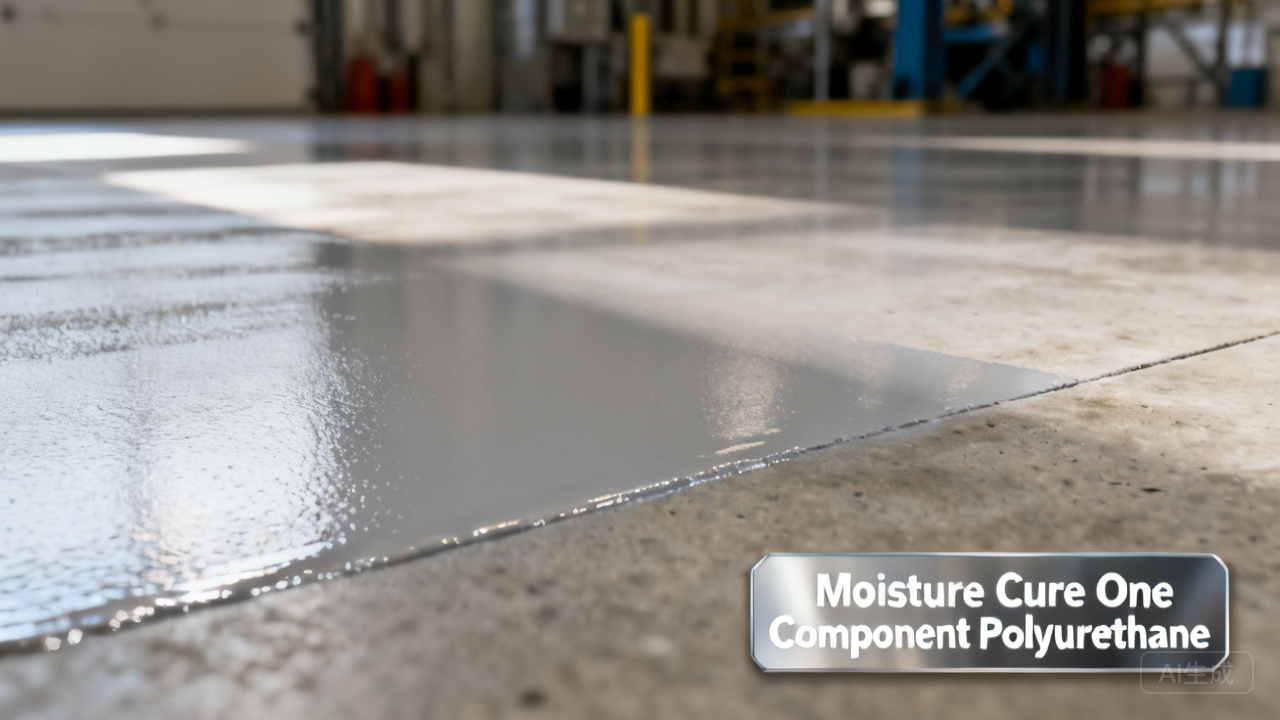
Waterborne—two major technical routes—(1)”prepolymer—block —NCO—with—MEKO (methyl ethyl ketoxime—blocked NCO”blocked isocyanate”stable in water—no reaction—apply—coating—>120°C—MEKO leaves—releases—NCO—reacts with polyol”deblocking→curing—this is—one-component waterborne PU—baking paint—industrial—principle”(2)—PUD (polyurethane dispersion”already—PU—prepolymerized—dispersed in water—no —NCO—PU entirely—inside—particles—’waterborne—entirely—no reaction—pure physical—dry film—PU—adhesion—film formation—no chemical curing—resistance < two-component—but one-component—safe—simple"furniture woodware—'one-component—PUD—is—replacing—solvent-based—one-component—PU"this is because"waterborne PU—2 types—both avoid—water/—NCO"direct confrontation"adopt"chemical avoidance—prepolymer—and—blocking"this—is the—chemical wisdom—of waterborne—PU".
Related Reading
Summary
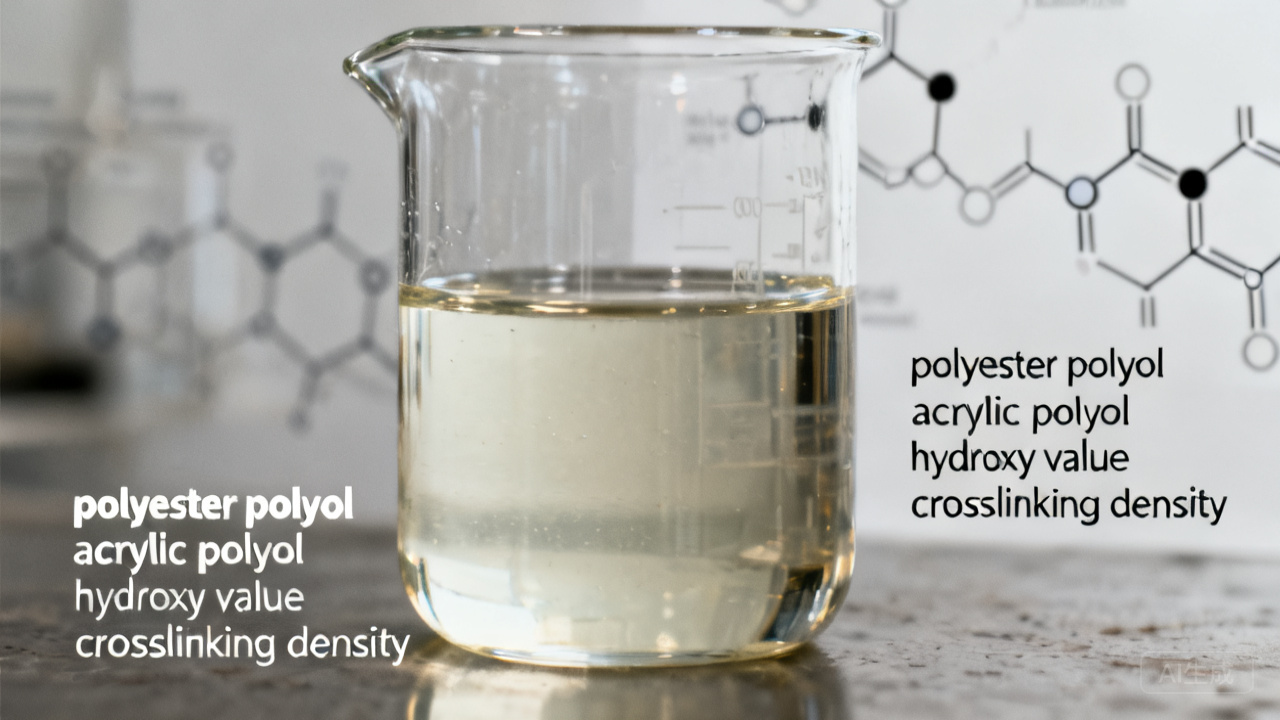
Polyurethane coatings — (high reactivity — aromatic TDI / — yellowing — safety — aliphatic HDI/IPDI — four major isocyanates) + polyol (polyester/polyether/acrylic) — = countless “customizable” PU coatings — NCO/OH — 1.05–1.15 (“compensate — consumption by water — complete crosslinking”) — catalyst “bismuth — replaces tin — more eco-friendly” “waterborne PU” blocking — deblocking — safe — easy”. Kexin New Materials provides full-range — HDI — varnish — acrylic — PU — automotive — engineering — based on — NCO/OH data — precise formulation “for every — NCO — match every — OH”.