PU Coatings Technical Explained: The Performance Pinnacle and Application Logic of Polyurethane Coatings
Introduction: The Industrial Position of Polyurethane Technology
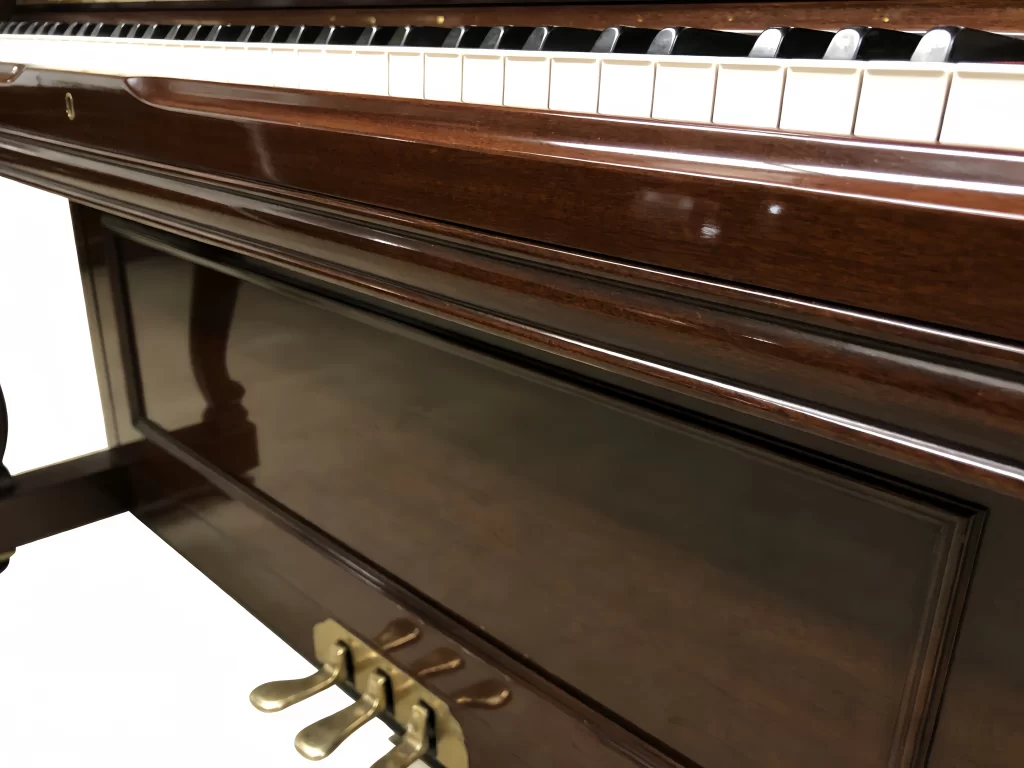
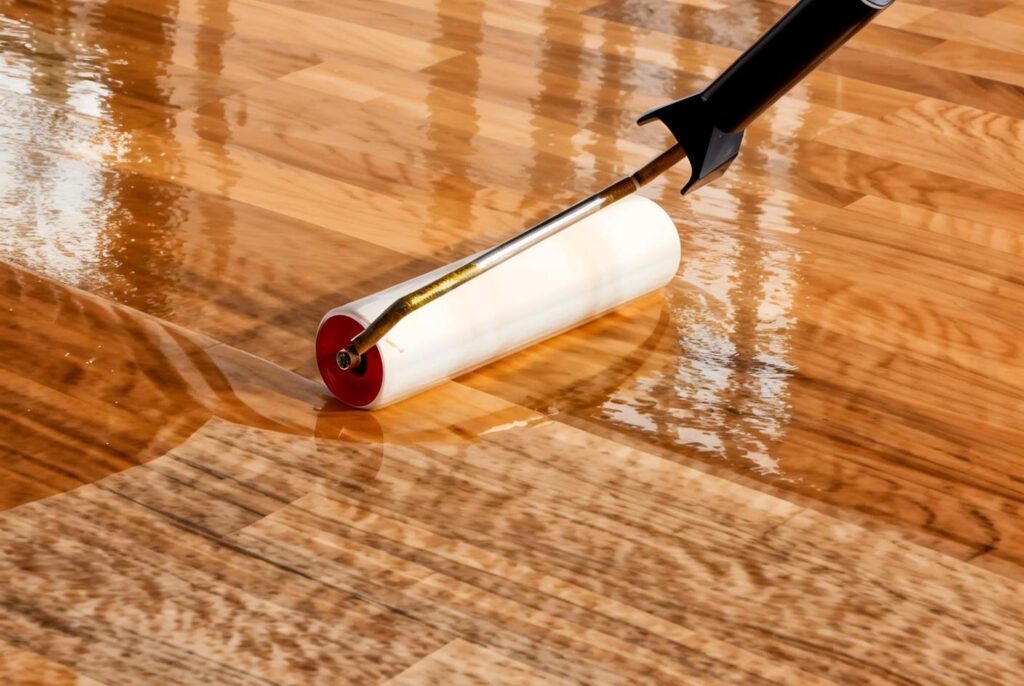
In the modern coatings industry, PU paint (polyurethane coating) is hailed as the "all-round king of coatings" for its excellent comprehensive performance. Whether it is solid wood furniture that pursues extremely high fullness, or engineering machinery that requires extremely strong weather resistance, PU paint provides physical strength and chemical stability that are difficult to achieve with other coating systems through its unique chemical cross-linking structure. In the coatings market, high-performance, low-VOC PU systems remain the core pillar of global industrial painting.




I. Industry Understanding: What is True PU Coating?
PU paint is a multi-component coating, the most classic form being a two-component (2K) system:
- Main paint (Component A): Usually contains resins with hydroxyl groups (-OH), such as polyester resin or acrylic resin.
- Curing agent (Component B): a hardener containing isocyanate groups (-NCO).
When the two components are mixed, an addition polymerization reaction occurs, transforming them from a liquid into a solid film with a three-dimensional crosslinked network structure. This structure imparts exceptional stability to the PU coating.

II. Technical Explanation: Film-Forming Mechanism and Performance Core of PU Coatings
The superior performance of PU coatings stems from their chemical bonding capability at the microscopic level.
- Formation of Carbamate Bonds Chemical Logic: The isocyanate group reacts with a hydroxyl group to form a carbamate bond (-NHCOO-). This chemical bond is extremely strong, and the molecular chains contain a large number of hydrogen bonds, making the coating film both hard and highly flexible. Performance: This structure gives PU coatings excellent impact resistance; even if the substrate undergoes slight deformation, the coating film will not easily crack or break.
- Crosslinking Density and Resistance Explanatory Power: By adjusting the ratio of curing agent, the crosslinking density of the paint film can be precisely controlled. High crosslinking density means a dense paint film, making it extremely difficult for water molecules, oxygen, and various chemical solvents (such as alcohol, gasoline) to penetrate. Technical Control: This explains why PU paint on furniture surfaces can resist daily water stains and chemical cleaner erosion.
III. Logical Analysis: Control of Three Major Variables in PU Coating Application
The final effect of PU paint depends not only on the coating itself, but more importantly on the logical management during the application process.
- Rigor of mixing ratio (proportioning) Causal inference: If too much curing agent is added, the paint film will become brittle and may even develop surface cracking; if the curing agent is insufficient, it will cause the paint film to remain non-drying for a long time, with low hardness and poor water resistance. Logical conclusion: An electronic scale must be used for precise weighing, rather than relying on empirical estimation.
- Selection of Thinner and Environmental Humidity Technical Logic: Isocyanate groups are extremely sensitive to moisture. Risk Analysis: If the environmental humidity exceeds 85%, or if the thinner contains moisture (moisture reacts with the curing agent to produce carbon dioxide), the paint film will develop fine pinholes, bubbles, or lose gloss (gloss loss).
- Recoat interval between coats Application logic: A certain recoat interval is required between each coat of PU paint. If the interval is too short, insufficient solvent evaporation from the underlying coat will cause bubbling; if the interval is too long, the surface of the fully cured underlying coat becomes too slippery, leading to reduced intercoat adhesion and "peeling" phenomenon.


IV. Frequently Asked Questions (FAQ)
- Q: What is the difference between PU paint and PE paint? A: PE paint (polyester paint) is usually a three-component system, forms an extremely thick film with very high hardness, but has poor flexibility and more complex application procedures. PU paint achieves a better balance between hardness and flexibility, and has wider application suitability.
- Q: Why does blushing occur after spraying PU paint? A: It is usually caused by excessive ambient humidity, or the thinner evaporating too quickly and absorbing heat, leading to moisture condensation. It is recommended to add an appropriate amount of retarder solvent (slow-drying solvent) to slow down the evaporation rate.
- Q: Can PU paint be used outdoors? A: It depends on the type of curing agent. PU paint using aliphatic isocyanates (such as HDI, IPDI) as the curing agent has excellent UV resistance and will not yellow or chalk; whereas aromatic (such as TDI) curing agents are only suitable for indoor use and are prone to yellowing when exposed to light.
- Q: How long does it take for the PU paint film to dry completely? A: Surface dry (touch dry) usually takes 30 minutes to 2 hours, but reaching the full physical property peak (hard dry) typically requires 7 days. In industrial production, baking at 50 to 60 degrees Celsius is usually adopted to shorten the curing cycle.

V. Conclusion: Constructing High-Performance Surface Protection Solutions
As a mature and continuously evolving coating technology, the core value of PU paint lies in its "tunable chemical resistance." Through the scientific matching of resin and hardener systems, brands can provide customers with customized options ranging from ultra-high gloss to full matte, and from flexible impact resistance to hard scratch resistance. Understanding the crosslinking logic of PU paint and strictly implementing application specifications are the foundation for ensuring that industrial products possess long-term value and a premium texture.