Introduction: Aluminum Alloy — the "Weight-Reduction Star" and "Coating Challenge" of Rail Vehicles
Light rail / metro / high-speed train car bodies extensively use aluminum alloys (6005A/6061/6082) to achieve lightweighting. However, the naturally formed oxide layer (Al₂O₃) on the aluminum alloy surface is chemically inert and cannot form strong bonding with coatings—the adhesion of epoxy primer on untreated aluminum alloy surfaces is typically only 1–3 MPa (pull-off method), far below the >5 MPa of steel substrates.Passivation treatment is an indispensable key process for aluminum alloy painting.
I. Passivation Process Comparison
| Passivation Type | Coating Weight (mg/m²) | Color | Adhesion (MPa) | Environmental Compliance | Applicability |
|---|---|---|---|---|---|
| Hexavalent Chromium Passivation (Cr⁶⁺) | 200-500 | Golden yellow (iridescent) | 5-7 (optimal) | ❌ Prohibited by EU ELV/REACH (fully implemented in 2024) | Only for non-EU / non-RoHS scenarios |
| Trivalent Chromium Passivation (Cr³⁺) | 100-300 | Colorless - light green | 4-6 | ✅ Compliant (EU surface treatment directive) | Mainstream choice |
| Ti/Zr Chromium-free Passivation | 10-50 | Colorless transparent | 3-5 | ✅ Most environmentally friendly | Emerging direction (slightly inferior adhesion) |
| Silane Treatment | 20-100 (nm-level film thickness) | Colorless transparent | 3-5 | ✅ Zero heavy metals | High-performance scenarios + sealing layer |
II. Overview of Technical Parameter Comparison
| Technical Indicator | Standard Requirement | Premium Level | Test Method |
|---|---|---|---|
| Adhesion | ≥3MPa | ≥5MPa | ISO 4624 Pull-off Method |
| Salt Spray Resistance | ≥500h | ≥1000h | ASTM B117 |
| Weather Resistance (QUV) | ≥1000h Gloss Retention >50% | ≥3000h Gloss Retention >80% | ISO 16474-3 |
| VOC Content | Compliant with GB Standard | 50% below limit | GB/T 23985 |
| Application Window | 5-35°C | -10~40°C (Wide Temperature Range) | TDS Recommended Conditions |
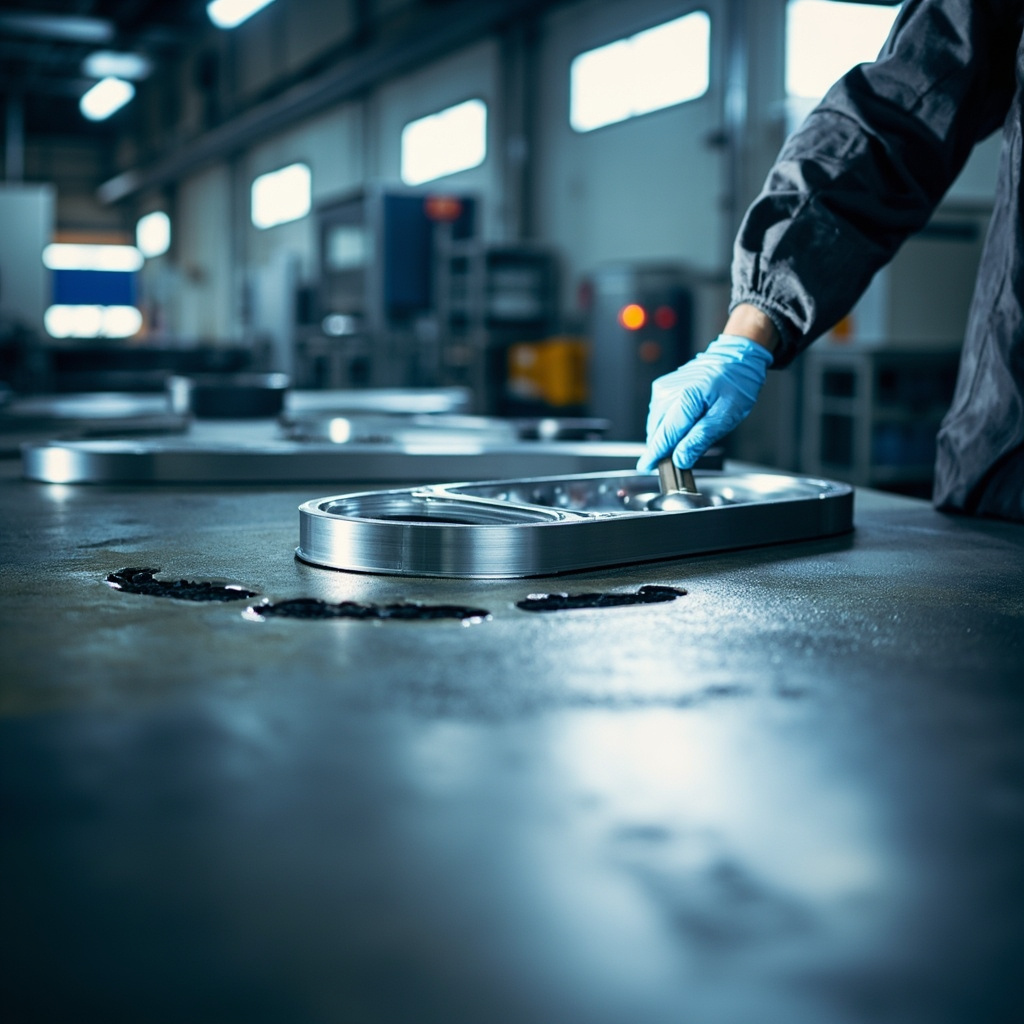
Typical coating process for rail transit vehicle bodies: degreasing → water rinse → chemical passivation (dip or spray) → deionized water rinse → drying (80–100°C / 10–15 min) → epoxy primer (air spray / 60–80 μm DFT) → baking (80–100°C / 30–45 min) → intermediate coat (if any) → polyurethane/fluorocarbon topcoat.
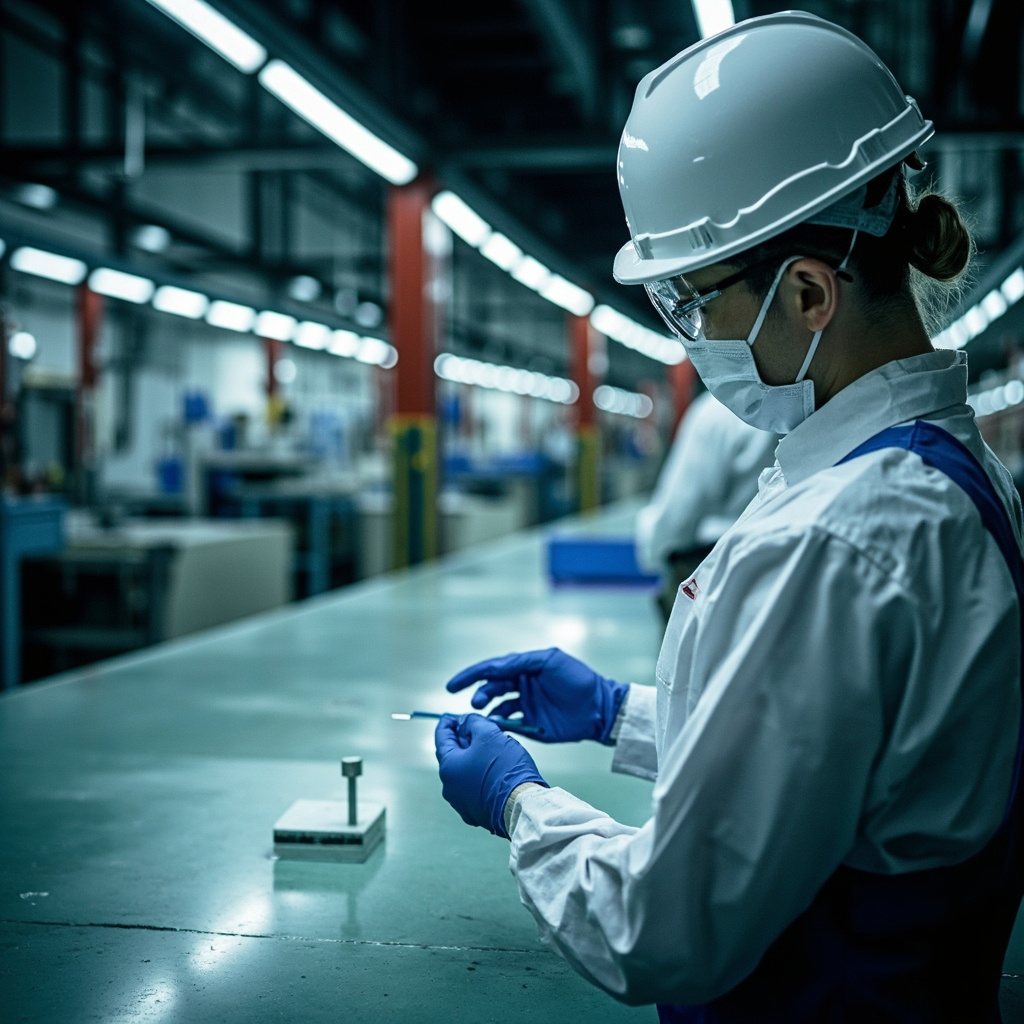
Technical deepening: systematic optimization methods for process parameters (DOE experimental design)
Coating production process optimization should not rely on the "trial-and-error method" but should adopt the scientific method of DOE experimental design. Taking the dispersion process as an example—factors affecting quality (linear velocity/time/filling rate/temperature), 4 factors each at 3 levels—full factorial requires 81 experiments—DOE uses orthogonal experiment L9 (9 times) or response surface methodology (27 times) to greatly reduce the number of experiments—while obtaining the main effects and interactions of each factor. For example, it is found that "the interaction of linear velocity × time is significant"—high linear velocity + short time and low linear velocity + long time can achieve the same dispersion effect—but the former saves energy by >20%.
In DOE analysis, interpretation of the P-value — P95% confidence). The final output of DOE is a set of prediction models (polynomial regression equations) — input line speed/time/temperature → predict fineness/viscosity/gloss — providing formulation engineers with a "digital formulation optimization" tool.
Industry practice: from "master craftsman's feel" to "parameter standardization"
The common challenge in the coatings industry—when experienced veteran workers retire, their "feel" (mixing resistance/fineness gauge scraping/wet film gloss visual inspection) is taken away—new employees cannot replicate it. Transform the "feel" into quantifiable standard parameters (1) mixing resistance → viscometer reading; (2) fineness gauge scraping → fineness gauge reading (μm); (3) wet film gloss → gloss meter (GU value). The "standard parameter card" for each process is posted next to the equipment—new employees operate according to the "card" rather than "by feel". "Parameter standardization" is a key step for coating factories to move from "workshop" to "factory".
FAQ
Q1: Why degrease instead of sandblasting for aluminum alloy pretreatment?Aluminum alloy has low hardness (HB 60-100); sandblasting would cause severe deformation or "sand embedding" (sand particles embedded into the aluminum surface leading to pitting corrosion). Chemical degreasing (alkaline degreaser pH 9-11 / 50-60°C / 5-10 min) is the standard pretreatment method for aluminum alloy. Low-pressure sandblasting (pressure <0.3MPa / using plastic grit or walnut shell grit) is only applied when removing old coatings.
Q2: How effective is the corrosion protection of the bare non-chromate passivation film?Limited. The Ti/Zr non-chromate passivation film is extremely thin (10-50nm), and the bare film has a salt spray resistance of <24h (far lower than the 200-500h of chromate conversion coatings). Primer coating must be completed within 4 hours after passivation (the surface activity of the passivation film decays over time). This requires passivation and painting to be closely coordinated within the same workshop.
Q3: What are the coating differences for different parts of the aluminum alloy car body (outer panel/inner panel/underframe)?Outer panel: High decorativeness (gloss >85GU/60°) + high weather resistance (fluorocarbon topcoat); Inner panel/interior: Medium decorativeness + flame retardancy requirement (EN 45545-2 fire safety standard for railway vehicles); Underframe (bogie area): Focus on anti-corrosion + stone-chip resistance (polyurea coating).
Q4: What is the typical film thickness design for coating systems on rail vehicles?Primer (epoxy) 60-80μm + putty (polyester/epoxy) 0-500μm (to fill welds and dents) + intermediate coat (PU/epoxy) 50-80μm + topcoat (PU/fluorocarbon) 50-80μm. Total dry film thickness 200-700μm (depending on putty thickness).
Q5: How to test the quality of the passivation film?(1)Appearance——The chromate film should be a uniform golden yellow with no missed plating / no flow marks; (2)Film weight——Gravimetric method (accurately weigh the sample panel before and after passivation); (3)Salt spray test——Passivation film (bare film without coating) neutral salt spray 24-48h white rust area <5%. (4)Adhesion——After applying standard epoxy primer, cross-cut adhesion grade 0.
Q6: Precautions for painting at the joint between aluminum alloy and steel (riveting/bolting)?This is a high-incidence area of "galvanic corrosion of dissimilar metals"—aluminum alloy (anode) and steel (cathode) form a galvanic couple in the presence of an electrolyte (rainwater), causing accelerated corrosion on the aluminum side. Solutions: (1) Stainless steel fasteners + nylon washers to isolate aluminum/steel; (2) Apply sealant (polysulfide or silicone) at the seam; (3) Extend the coating system 5-10mm onto the joint surface.
Q7: What are the process requirements for repainting after coating of rail vehicles?Pre-treatment of the repair area must not use chemical passivation (large-area chemical treatment cannot be applied locally) → use manual grinding (St3 grade) + application of epoxy primer containing silane adhesion promoter. The coating system in the repair area must overlap with the surrounding original coating by ≥20mm (stepped overlap rather than cliff-edge transition).
Q8: How to maintain the adhesion of aluminum alloy coatings during long-term service?The main challenge is the degradation of wet adhesion—water molecules penetrate through micro-pores in the coating to the aluminum alloy interface → Al₂O₃ reacts with water to form Al(OH)₃ (volume expansion 3-5 times) → the coating bulges and peels from the inside. A wet adhesion retention rate >70% (pull-off method / after 500h immersion in 60°C water) is considered acceptable. Improvement methods: (1) densification of the passivation film; (2) silane coupling agent (0.5%-1%) in the primer; (3) primer density (low PVC, high crosslink density).
Q9: Environmental conditions for rail vehicle painting?The temperature and humidity control standards for rail vehicle painting workshops: temperature 15-30°C / relative humidity 5°C or RH>75% should suspend painting operations.
Q10: Do coatings for rail vehicles require fire certification? Yes. EN 45545-2 (Fire protection of railway vehicles) imposes strict classification (R1-R26) on coating flammability, smoke density, and smoke toxicity. Interior coating systems of vehicle bodies (including putty + topcoat) must pass the highest fire rating R1-HL3 — the heat release rate, smoke density, and smoke toxicity of the coating in flame must all be below the standard limits. High flame-retardant coatings require special flame-retardant resin systems (e.g., brominated epoxy + Sb₂O₃ synergistic flame retardation).
FAQ: In-Depth Technical Q&A Supplement
Q11: How do the differences in domestic and international standards for this technology affect product export?Domestic standards (GB) differ from ISO/ASTM standards in test methods and acceptance criteria. For example, salt spray testing—GB/T 1771 (equivalent to ISO 7253) has test conditions basically consistent with ASTM B117—but the rating systems (ISO 4628 vs ASTM D610/D714) differ—when providing test reports for exported products, the corresponding international standards must be indicated simultaneously, otherwise overseas customers cannot make a comparative assessment. It is recommended to list both GB and ISO/ASTM dual-standard indicators in the TDS (Technical Data Sheet) of exported products—to enhance the trust of international customers.
Q12: How to verify the long-term service performance of this technology in actual engineering?Laboratory accelerated testing (salt spray/QUV/cyclic corrosion) provides comparative data—but cannot fully replace actual outdoor exposure testing. Recommendations—(1) Set up outdoor exposure racks at both the factory location and typical customer locations (e.g., coastal C5-M/industrial C4)—conduct annual inspections of coating appearance/adhesion/film thickness changes—establish a company-owned outdoor service database; (2) Collaborate with universities/research institutes—combine enterprise data with academic research—enhance data credibility.
Q13: What should SMEs pay attention to when purchasing related raw materials/equipment?(1) The batch stability of suppliers is more important than unit price—it is recommended to require suppliers to provide COA data for >10 batches—and evaluate batch variation (CpK); (2) For equipment procurement, visit peers who have used the equipment for >2 years to understand the long-term reliability and after-sales service quality of the equipment—rather than relying only on the demonstration data from the equipment supplier; (3) For key raw materials (resin/curing agent)—maintain at least 2 qualified suppliers to guard against single-supply risk.
Q14: What is the current state and trend of digital transformation in this field?The digital transformation of the coatings industry is evolving from “point-based applications” (automation of individual equipment/processes) to ”system integration” (full-chain ERP+MES+PMS). Currently, the digitalization of small and medium-sized coatings factories with the ”highest ROI investment” is the automatic batching system + digitalization of quality control data—payback period of 1-3 years—which is the prioritized recommended direction. Future trend—AI + sensors enabling real-time optimization of process parameters—further reducing quality fluctuations between batches.
Q15: How can a newly entered coating engineer quickly master this technology?(1)Combine theory and practiceDo not only read literature without touching actual production—nor rely solely on experience without studying theory;(2)Build a “failure case archive”Every customer complaint/production anomaly/coating failure—record the root cause and resolution process—this is the most effective learning material;(3)Learn from suppliersTechnical personnel from resin/additive/pigment suppliers are carriers of "tacit knowledge" in this field—communicate more with them about solutions to specific problems.
Related Reading
Summary
The core of coating aluminum alloy car bodies for rail transit lies in passivation pre-treatment—trivalent chromium passivation (Cr³⁺/100–300 mg/m²) balances adhesion (4–6 MPa) and environmental compliance (REACH/ELV), while Ti/Zr chrome-free passivation (10–50 nm film thickness) is the future direction but has slightly inferior adhesion (3–5 MPa) and bare-film corrosion resistance (<24 h). After passivation, epoxy primer application must be completed within 4 h. Kexin New Materials provides rail vehicle customers with full technical support for aluminum alloy-compatible epoxy primers and trivalent chromium/chrome-free passivation processes.