Introduction: Rail Transit Coatings — Safety is the Primary Performance Criterion
Coatings for subways, high-speed trains, and EMUs differ from ordinary architectural or industrial coatings—their core performance metric is not weather resistance or corrosion protection, but fire safety. EN 45545 (the EU railway vehicle fire safety standard—the world's strictest fire safety specification for rolling stock materials) classifies materials into three hazard levels, HL1/HL2/HL3, based on smoke emission, smoke toxicity, and heat release rate—interior carriage coatings must achieve HL2 or HL3, meaning the coating exhibits low smoke, low toxicity, and low heat release in a fire—buying precious time for passenger evacuation. This is the safety red line for rail transit coatings—failure to pass EN 45545 means the vehicle cannot enter service.
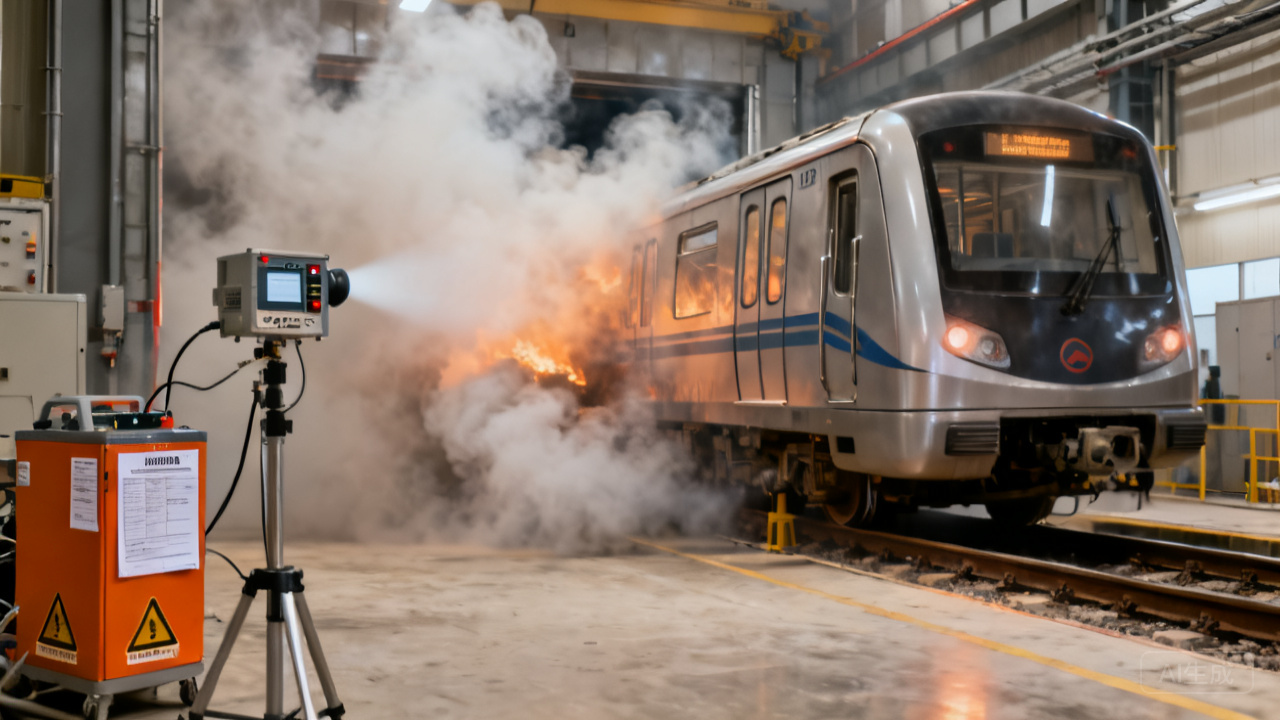
Rail transit coatings are a class of high-tech barrier specialty coating systems specifically designed for the special operating environments of railway vehicles (high-speed rail/metro/EMU/locomotive)—meeting EN 45545 fire safety standards and stringent weather resistance requirements—and are divided into exterior body coatings (PU/acrylic—weather-resistant/scratch-resistant/anti-graffiti) and interior carriage coatings (water-based—low VOC/low smoke toxicity—passenger safety).
I. EN 45545 HL Classes and Coating Test Requirements
| Test Item | Standard Method | HL2 Requirement | HL3 Requirement | Test Purpose |
|---|---|---|---|---|
| Flame Surface Spread | ISO 5658-2 | CFE>20kW/m2 | CFE>30kW/m2 | Fire does not spread rapidly along the coating surface |
| Heat Release Rate | ISO 5660-1 Cone Calorimeter | MARHE<90kW/m2 | MARHE<60kW/m2 | Coating does not burn with intense heat release |
| Smoke Density | EN 45545 Annex C | Ds_max<300 | Ds_max<150 | Smoke does not obstruct passenger visibility and escape |
| Smoke Toxicity | NF X 70-100 | CIT_NLG<1.2 | CIT_NLG<0.9 | Smoke does not cause passenger poisoning or asphyxiation |
FAQ
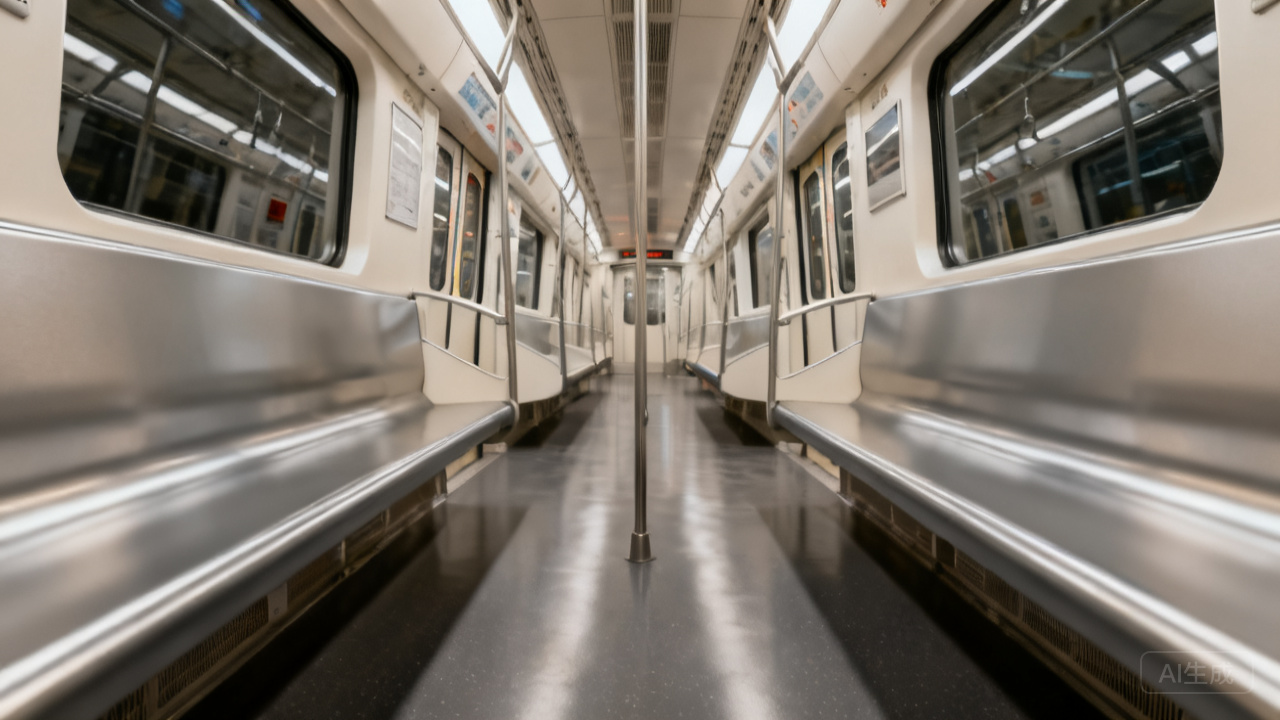
Q1: Why is "water-based" solvent-type PU used inside the cabin instead of solvent-type PU, which has better performance? Although solvent-type PU has superior mechanical properties—in a fire—the residual organic solvents and aromatic isocyanates (TDI) in the coating decompose and release highly toxic gases (HCN/CO/benzene)—with smoke density and toxicity far exceeding those of water-based systems. Water-based coatings (using water as solvent—resin mainly acrylic/PUD—no free TDI) decompose mainly into CO2 and water vapor in a fire—smoke density and toxicity are 60-80% lower than solvent-type—this is the irreplaceable safety reason for using water-based coatings in rail transit interiors—not driven by environmental protection—but by safety regulations.
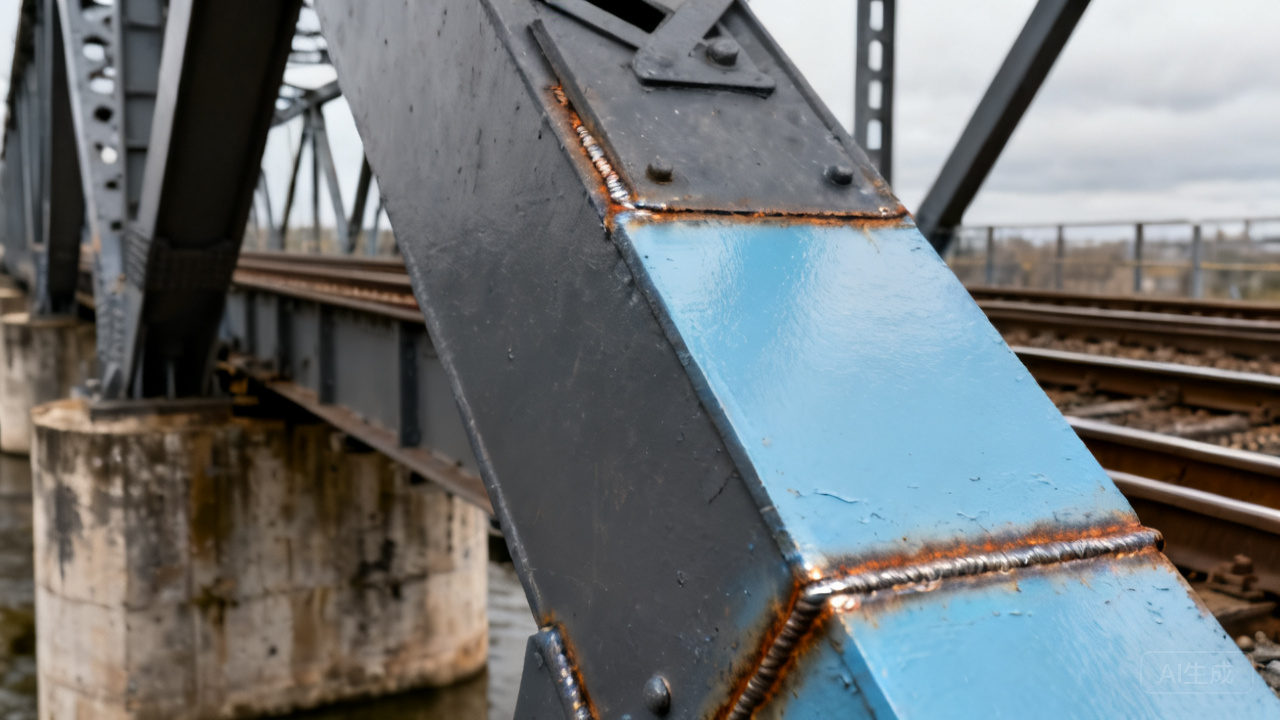
Q2: External vehicle coating — how to balance the conflicting demands of anti-graffiti and weather resistance?Anti-graffiti requires a low surface energy coating (to prevent ink/spray paint adhesion) — but low surface energy usually means poor recoatability (the next coat cannot adhere). Solution: polysiloxane/fluorocarbon-modified PU — surface energy <25 mN/m — graffiti solvents hardly penetrate — can be easily wiped off — while QUV 3000h ΔE<3 shows excellent weather resistance. But the cost is 3–5 times that of ordinary PU — used only on visible exterior surfaces of high-speed trains and subways.
Related Reading
Summary
Rail transit coatings take the EN 45545 fire safety standard as the primary performance criterion—HL2/HL3 grades with low smoke, low toxicity, and low heat release are the prerequisites for onboard approval. Water-based coatings for train interiors have become an irreplaceable choice due to fire safety (smoke toxicity far lower than solvent-based). Kexin New Materials provides rail transit coating products and EN 45545 compliance testing support.