Introduction: Silicones — Transforming into Ceramics after Coatings Burn Out
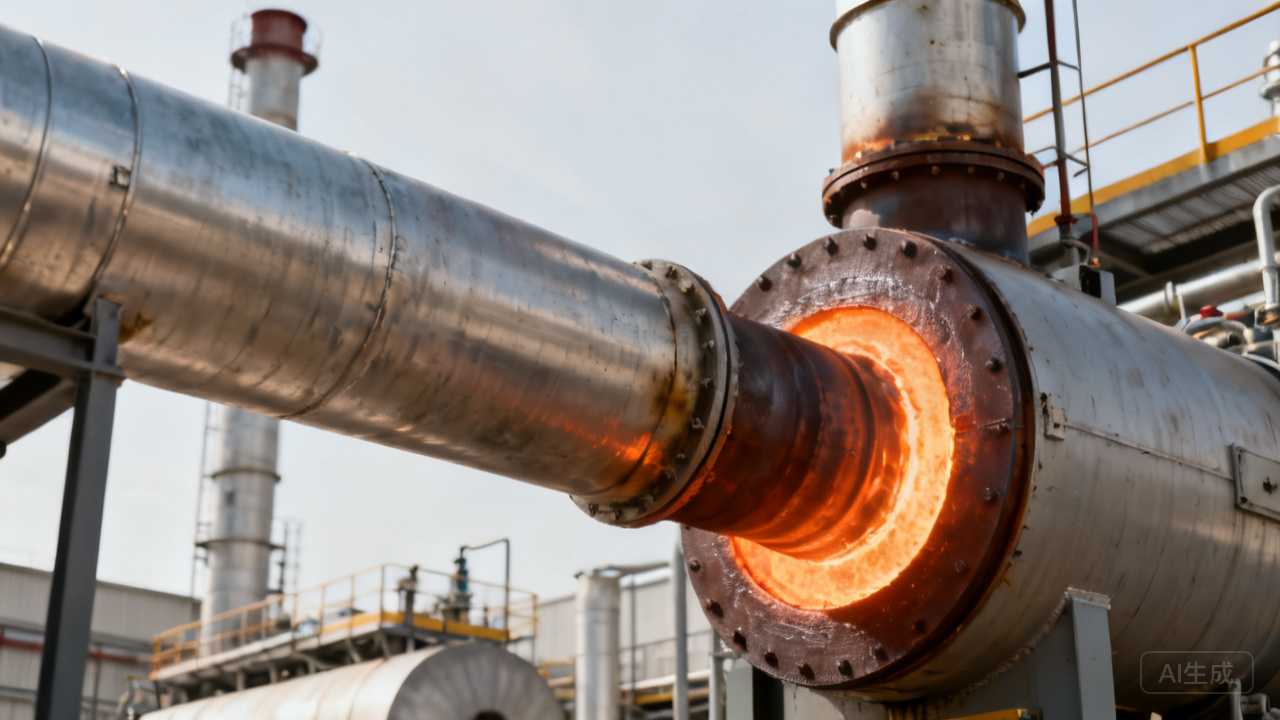
Conventional organic coatings have an upper temperature limit of approximately 200–300°C—beyond which the resin decomposes. Silicone coatings, however, at >400°C undergo thermal oxidation of the organic side chains—the residual Si–O–Si inorganic skeleton converts into SiO2 ceramic—continuing to protect the substrate up to >800°C. From automotive exhaust pipes to petrochemical cracking furnaces, silicone coatings are the last line of defense in high-temperature environments.
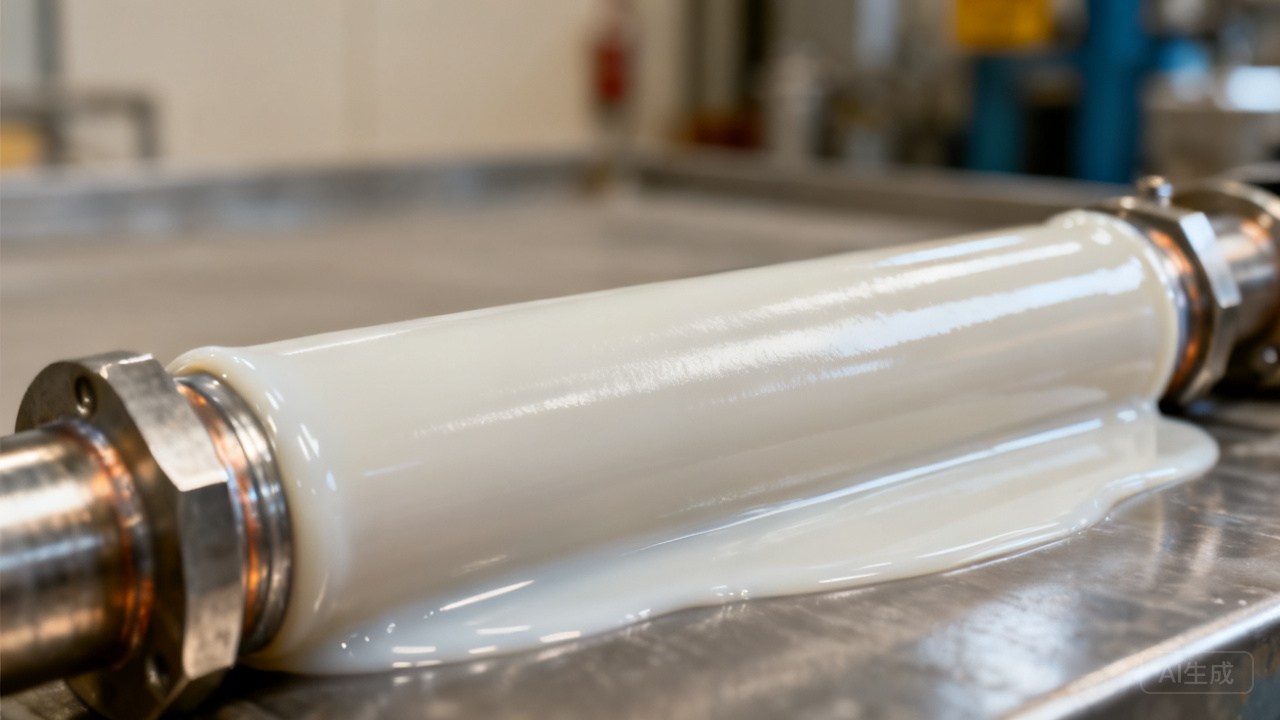
Silicone coatings use silicone resin (Si-O-Si main chain—bond energy >445 kJ/mol) as the base material—combined with aluminum powder (CTE compensation + infrared reflection) and ceramic fillers—during service at >400–800°C the organic side chains decompose—the Si-O-Si skeleton transforms into an SiO2 ceramic protective layer—providing steel substrates with a special coating for oxidation resistance and hot corrosion protection.
I. Types of Silicone Resins and Their Temperature Resistance Grades
| Silicone resin type | Side chain group | Curing temperature (°C) | Maximum service (°C) | Flexibility | Typical application |
|---|---|---|---|---|---|
| Pure methyl silicone resin | -CH3 (minimal side chain / highest crosslinking) | 200-250 | 400-500 | Poor (brittle) | Exhaust systems / boilers |
| Methyl phenyl silicone resin | -CH3 + -C6H5 (phenyl for heat resistance + flexibility) | 200-250 | 500-650 | Medium | Petrochemical cracking furnaces / aviation |
| Silicone-modified epoxy | Silicone + epoxy cold blend / grafting | Room temp -150 | 200-350 | Good | General industrial heat resistance |
| Silicone-modified acrylic | Silicone + acrylic graft copolymerization | Room temp -120 | 200-300 | Excellent | Building exterior walls / factory equipment |
FAQ
Q1: Why is the Si-O-Si bond more heat-resistant than the C-C bond?
The Si-O bond energy is >445 kJ/mol—about 27% stronger than C-C (350 kJ/mol). The Si-O bond has about 40% ionic character (Siδ+-Oδ-)—this partial ionic bond provides greater damping against thermal vibration—making it less prone to breaking. The Si-O-Si bond angle (>140-150°) is much larger than C-C-C (>109°)—it can absorb more strain during thermal expansion. After the organic side chains decompose, the remaining Si-O-Si skeleton remains intact at >800°C—forming glassy SiO2—this is the chemical essence of the organic→inorganic transformation.
Q2: What are the three functions of aluminum powder in silicone coatings?
(1) CTE compensation——Silicone undergoes >20% volume shrinkage during organic-to-inorganic transformation——Aluminum powder oxidizes and expands >28% at >500°C——compensates shrinkage and prevents cracking; (2) Infrared reflection——Flake aluminum powder has >80% infrared reflectivity——reduces substrate temperature by >20-40°C; (3) Dense Al2O3 oxide layer——A dense Al2O3 layer forms on the aluminum powder surface at >800°C——blocks O2 penetration into the coating interior——chemical self-sealing. Aluminum powder is the irreplaceable king of functional fillers in high-temperature silicone coatings.
Related Reading
Summary
The Si-O-Si backbone of silicone coatings imparts a unique organic-to-inorganic transformation capability—at >400–800°C, the organic side chains decompose, leaving residual SiO2 ceramic to protect the substrate. The triple functions of aluminum powder (CTE compensation + infrared reflection + self-sealing Al2O3 pores) make it an indispensable synergistic filler in silicone formulations. Kexin New Materials provides customers with full-range silicone coating products and heat-resistant application technical support.