Silicone high-temperature paint Silicone Heat-Resistant
One-component silicone heat-resistant coating · Si-O bond 452kJ/mol · Long-term stable at 600℃
Silicone high-temperature paint(Silicone Heat-Resistant)is a high-performance two-component (2K) anticorrosive primer, in which epoxy resin cured with a polyamide hardener acts as the film-former and ultrafine zinc powder (dry-film content ≥70%) is the principal anti-corrosive pigment.The coating provides active corrosion protection through the sacrificial-anode cathodic-protection action of the zinc on the steel; even where the dry film is locally damaged, the surrounding zinc powder continues to give the exposed steel electrochemical protection.CompliesHG/T 3668-2020《Silicone high-temperature paint》Type 2 standard; when combined with an epoxy micaceous-iron-oxide intermediate coat and a polyurethane / fluorocarbon topcoat, the system withstands a neutral salt spray ≥1000 h, meeting the C4-C5 high-corrosivity environment class requirements of ISO 12944.It is widely used as the anticorrosive primer in major projects such as sea-crossing bridges, offshore oil platforms, petrochemical storage tanks, transmission towers, wind-turbine towers, and large steel-structure buildings.
ProductsOverview
Product overview: who is it for? what problem does it solve?
Silicone heat-resistant paint is a heavy-duty anti-corrosion primer designed for steel structures requiring long-term anti-corrosion protection of over 15 years in C4-C5 highly corrosive environments.The core problem it solves is: ordinary anti-rust paint fails within 3-5 years in harsh environments such as coastal areas, chemical atmospheres, and high humidity, while silicone heat-resistant paint, through the dual mechanism of "cathodic protection + barrier protection," can provide 15-25 years of long-term protection when combined with intermediate coat and topcoat—significantly reducing life-cycle maintenance costs.
Product definition
Silicone Heat-Resistant, Chinese standard number HG/T 3668-2020, is a two-component (2K) ambient-temperature crosslinking curing anti-corrosion primer using epoxy resin (bisphenol A type, CAS 25068-38-6) and polyamide curing agent (CAS 68410-23-1) as film-forming substances, ultrafine spherical zinc powder (CAS 7440-66-6, particle size 3-8μm, mass fraction in dry film ≥70%) as anti-rust pigment, and xylene/n-butanol as solvent system.
Corrosion protection mechanism:High-content zinc powder particles in the coating form continuous conductive pathways between themselves and with the steel substrate. Since the standard electrode potential of zinc (-0.76V vs SHE) is lower than that of iron (-0.44V), zinc acts as the anode in corrosion microcells and preferentially undergoes oxidation (Zn → Zn²⁺ + 2e⁻). The released electrons flow through the conductive network to the steel surface, cathodically polarizing the steel below its immune potential—this is known as "sacrificial anode cathodic protection." Meanwhile, the corrosion products of zinc (ZnO, Zn(OH)₂, basic zinc carbonate, etc.) gradually fill the coating pores, forming a dense secondary barrier layer—the "corrosion product self-healing effect."
Key performance data:
- The dry film zinc powder content is ≥70% (compliant with HG/T 3668-2020 Category 2).
- Volume solids content ≥60% (ISO 3233:1998)
- Pull-off adhesion ≥6 MPa (ISO 4624:2016, test doll diameter 20mm)
- Single coating resistance to neutral salt spray (NSS) ≥400h (ISO 9227:2022, rust width at the crisscrossing ≤2mm)
- The complete system (epoxy zinc-rich 80μm + epoxy micaceous iron oxide intermediate coat 150μm + polyurethane topcoat 80μm) has an NSS resistance of ≥1000h.
- Mixed application period: 4-8 hours (23°C, main agent: curing agent = 10:1 w/w)
Suitable substrates and limitations:Applicable to carbon steel, low-alloy steel, and cast iron substrates blasted to Sa2.5 (ISO 8501-1:2007). Not recommended for direct application on galvanized steel (the passivation film on the zinc surface will block the conductive path—sweep blasting pretreatment or an epoxy primer transition layer is advised), stainless steel (the surface passivation film must be removed first), or aluminum alloy (risk of galvanic corrosion—the potential difference between zinc and aluminum is too large). Application temperature limits: standard type 5–40°C (below 5°C, the epoxy-amine crosslinking reaction rate is extremely low, resulting in incomplete coating curing).
Industry standing and applications:Silicone high-temperature paintis one of the most widely used primer types in global heavy-duty anticorrosive coating systems (ISO 12944-5:2019 systems A2.08/A3.08/A4.08, etc.), forming a classic triple-protection system with epoxy MIO intermediate coat and PU/fluorocarbon/polysiloxane topcoat. Typical applications include: Akashi Kaikyo Bridge Japan (opened 1998, 100-year design life), Hong Kong-Zhuhai-Macao Bridge (opened 2018, 500,000m² steel box girders), North Sea offshore oil platforms (NORSOK M-501 system certification), etc. According to Grand View Research, the global zinc-rich primer market was approximately USD 2.8 billion in 2023, with Asia-Pacific accounting for 48% share.
ProductsFeatures
1. Cathodic protection (sacrificial anode) mechanism
The dry film contains ≥70% zinc powder forming a continuous conductive network. The standard electrode potential of zinc (-0.76V) is lower than that of iron (-0.44V). When corrosion occurs, zinc preferentially oxidizes (Zn→Zn²⁺+2e⁻), releasing electrons to cathodically polarize the steel to its immunity potential—even if the coating has 3-5mm damage, the surrounding zinc powder can still provide continuous electrochemical protection for the exposed steel, which makes the anti-corrosion performance of silicone heat-resistant paint far exceed that of ordinary anti-rust primers that rely solely on physical barrier.
2. Superior corrosion resistance and durability
Single coating NSS≥400h (HG/T 3668 Type 2), system NSS≥1000h when combined with epoxy micaceous iron oxide intermediate coat + polyurethane topcoat. Designed service life of 15-25 years under ISO 12944-2 C5-M extremely high corrosion environment (marine splash zone). The Akashi Kaikyo Bridge in Japan adopted silicone heat-resistant paint system in 1998, and the coating remains intact after more than 25 years—actual service life far exceeds the design value.
3. Excellent compatibility
It has excellent inter-coat adhesion (pull-off method ≥5MPa) with epoxy micaceous iron oxide intermediate coat (MIO barrier layer), polyurethane topcoat (weather-resistant decorative layer), fluorocarbon topcoat (ultra-weather-resistant ≥25 years), and polysiloxane topcoat (high weather resistance + high chemical resistance). Silicone heat-resistant paint + epoxy micaceous iron oxide intermediate coat + topcoat is the most classic three-coat heavy-duty anti-corrosion system in ISO 12944-5—primer provides cathodic protection, intermediate coat provides thickness and physical barrier, topcoat provides weather resistance and decoration.
4. Wide adaptability to construction
Supports airless spray (nozzle 0.43–0.53 mm, 15–25 MPa), air spray, and brush/roller application (for small-area touch-ups). Single-pass dry film thickness: 60–80 μm. Mixing ratio: 10:1 (w/w). Pot life: 4–8 h (23°C). Wide temperature range for application (5–40°C); low-temperature formulation can be applied down to –5°C. Continuous stirring is required during spraying to prevent zinc powder sedimentation—use of a pressure pot with a pneumatic agitator is recommended to ensure coating uniformity.
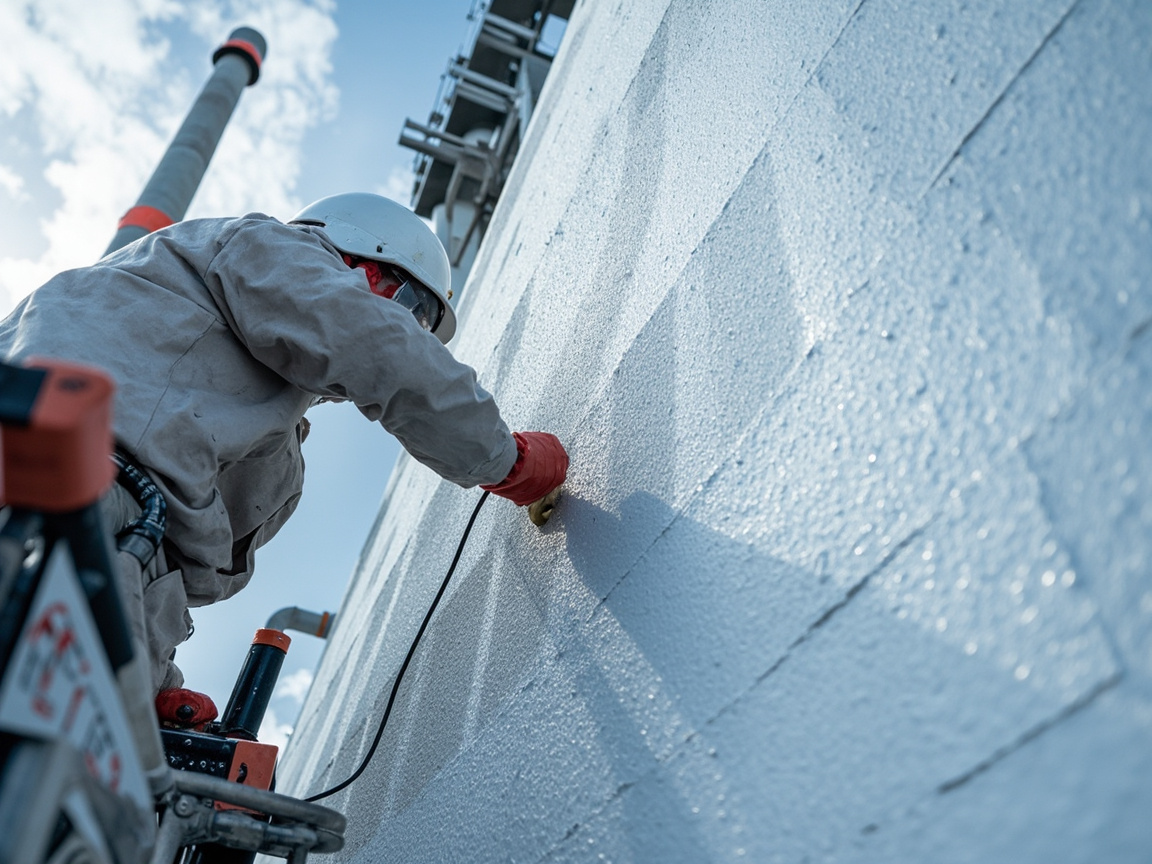
5. Shop Primer Solderability
Specialized formulation (dry film 15-25μm) can be used as a shop primer—after application in the steel structure prefabrication plant, the steel remains suitable for welding and cutting. Welding fumes comply with occupational exposure limits (GBZ 2.1-2019), and the pass rate of X-ray inspection of welds is not affected. Suitable for automated spray painting on steel structure production lines—parts can be handled and stacked within 3-5 minutes after spraying. Note: Only the specialized shop primer formulation is weldable—the standard type with a dry film thickness of 60-80μm is not suitable for welding.
6. Environmental Compliance · Global Standards
Complies with HG/T 3668-2020 (China) Standard Class 2, ISO 12944-5:2019 system numbers A2.08/A3.08/A4.08, NORSOK M-501:2022 (Norwegian Petroleum Industry) System 1, SSPC Paint 20 (USA) Zinc-rich Primer Type II (≥77% zinc powder). VOCs<420g/L(GB 30981-2020),可passedROHS 2011/65/EU和REACH (EC) 1907/2006ComplianceTesting。Products碳足迹约2.8kg CO₂e/kg(摇篮到大门,SimaPro 9.5计算)——低于Inorganic zinc-rich primer(3.5kg CO₂e/kg)。
TechnicalParameters
Physicochemical parameters
Drying and performance
• March 2024, National Coatings Quality Inspection and Testing Center Test Report (No.: NTC-2024-0315-ZR)
· HG/T 3668-2020 "Silicone Heat-Resistant Paint" Type 2 specifications
The data in this table are typical values under standard laboratory conditions (23±2°C, 50±5%RH). Actual values may vary slightly depending on the substrate condition, construction process, and environmental conditions. Please contact technical support to obtain the batch COA (Certificate of Appointment).
ApplicationProcess
Surface preparation
Sandblast to Sa2.5 (ISO 8501-1:2007), roughness Rz 40-75μm. Manual rust removal ≥ St3. Grease must be removed with SSPC-SP1 solvent. Primer application (RH) must be completed within 4 hours after sandblasting.<50%可延至8h)。禁忌:雨天/雾天/Substrate temperature低于露点3°C时禁止Application。
Mixing / compounding
Stir the main agent for 3-5 minutes until the zinc powder is completely and evenly dispersed. Add the curing agent at a ratio of 10:1 (w/w) and continue stirring for 3-5 minutes. Let it stand for 15-30 minutes (23°C) to mature. Continuously stir during application to prevent zinc powder from settling—a pneumatic mixer is recommended. The mixed usable period is 4-8 hours (23°C). Do not dilute and use materials that have gelled beyond this period.
Primer application
Airless spraying (recommended): Nozzle 0.43-0.53mm/0.017-0.021", pressure 15-25MPa. Air spraying: Nozzle 1.5-2.0mm, pressure 0.3-0.5MPa. Brush/roller coating is only suitable for small-area pre-coating and repair. Single-coat DFT 60-80μm. Pre-coat welds, free edges, etc.
Drying and recoating
Surface dry ≤ 1h (23°C), hard dry ≤ 24h. Minimum recoating interval 8h (23°C). Maximum recoating interval 7d—exceeding this interval requires sandblasting (low pressure 0.2-0.3MPa, non-metallic abrasive) to remove surface zinc salts (basic zinc carbonate). Matching: Epoxy micaceous iron oxide intermediate coat 100-150μm → Polyurethane/fluorocarbon topcoat 50-80μm × 2.
Inspection & acceptance
DFT measurement (ISO 2808:2019, SSPC-PA2): 80% of measuring points ≥ specified value, no measuring points<80%规定值。AdhesionTesting(ISO 4624 pull-off test或ISO 2409Cross-cut method)。pinhole detection(Wet sponge method,67.5V/90V)。Visual inspection:无Sagging/漏涂/起泡/缩孔/zinc powder不均匀。
ApplicationsField/Area
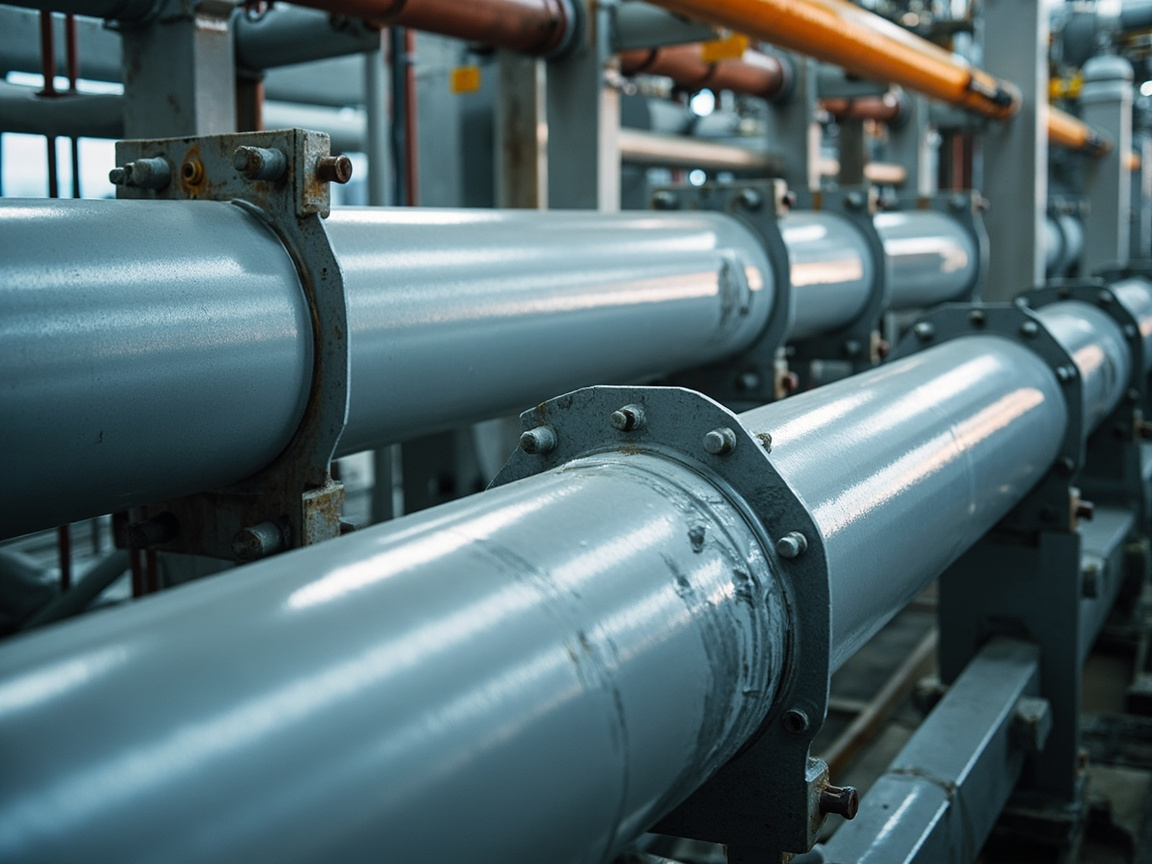
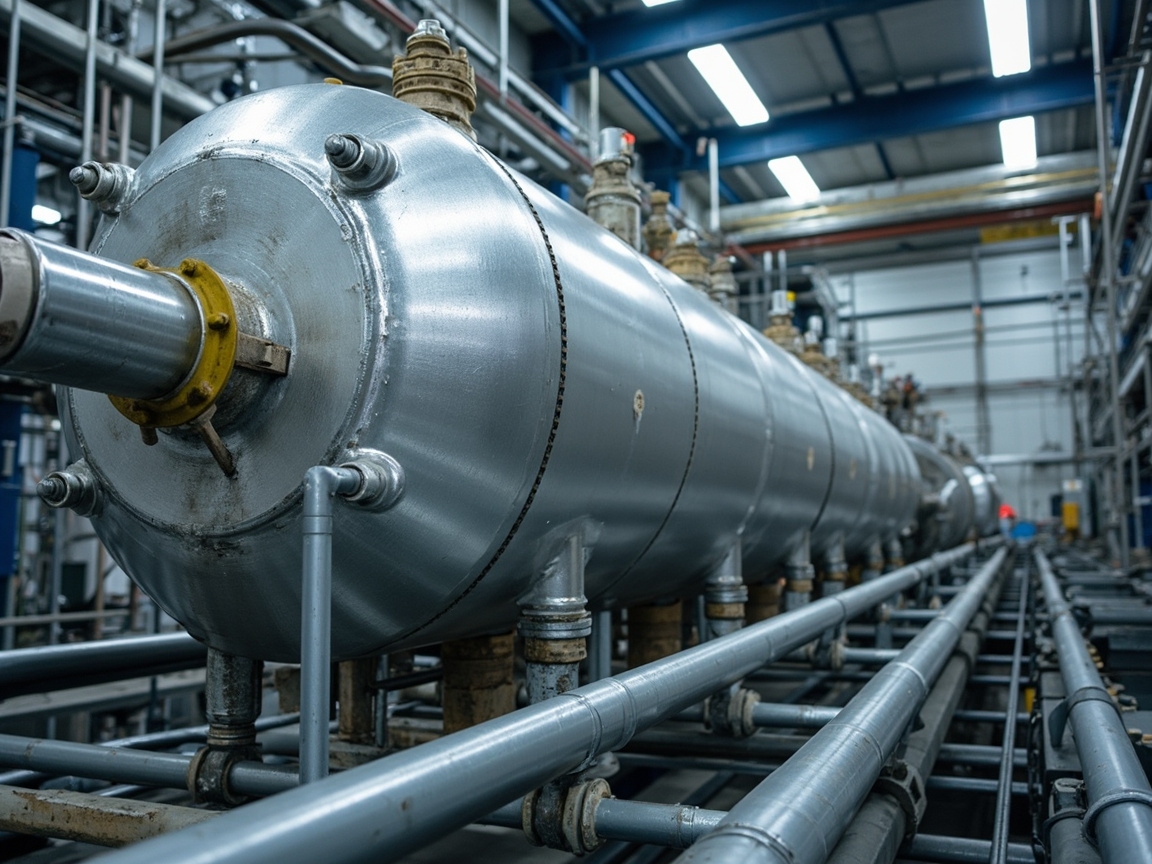
Petrochemical high-temperature pipelines
Silver aluminum powder heat-resistant coating, thermal insulation and anti-corrosion for pipeline equipment
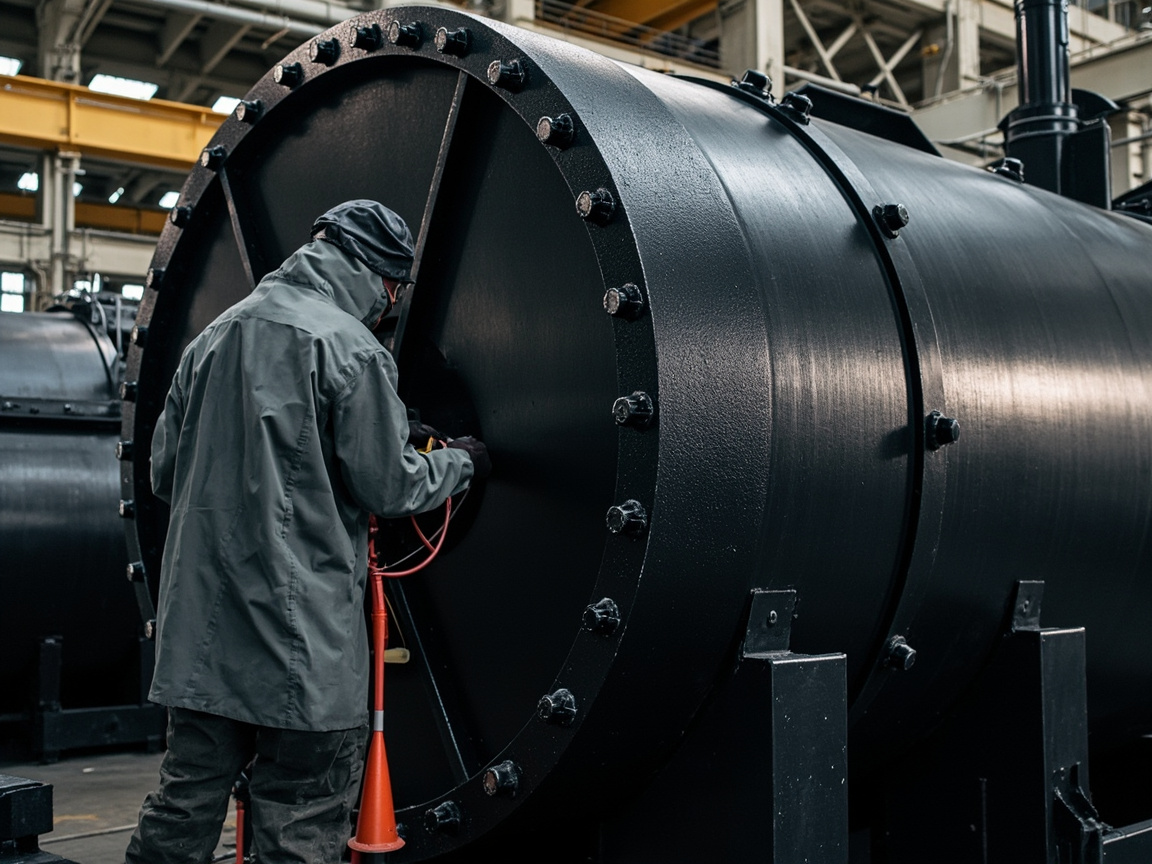
Power plant boiler outer walls
Large boiler equipment, black heat-resistant coating
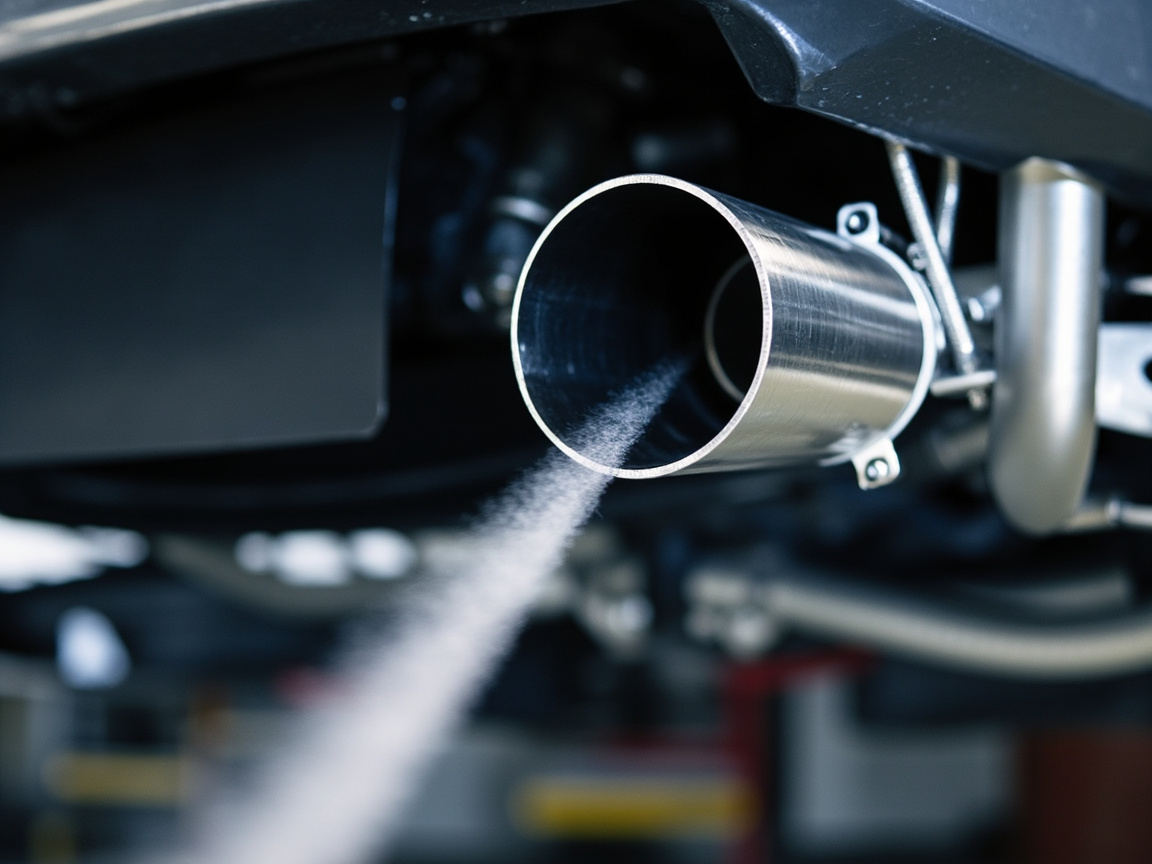
Automotive Exhaust Pipe Coating
Silver heat-resistant coating, automotive exhaust system parts
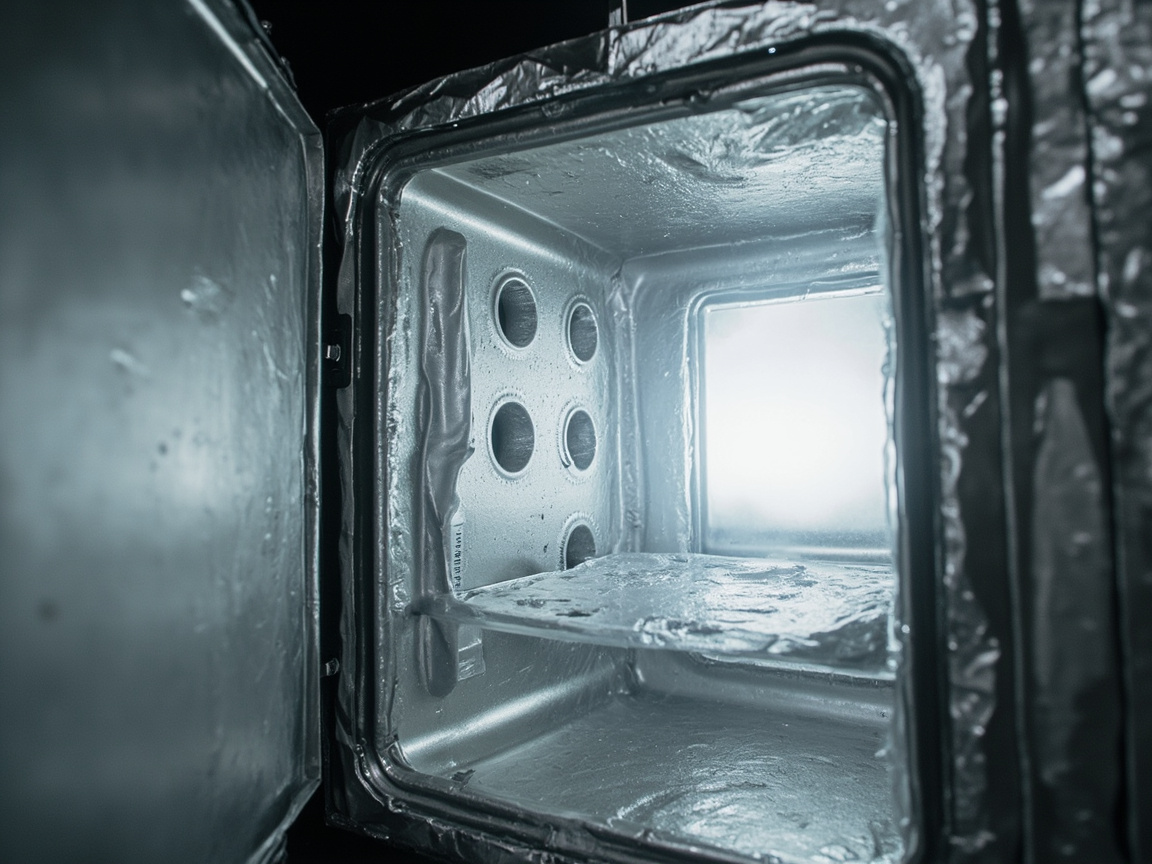
Industrial Oven Interior Walls
Silver coating protection for the interior of high-temperature equipment
Chimney Exterior Anti-Corrosion
Tall chimney structures, silver heat-resistant anti-corrosion coating
Refinery Reactors
Large chemical equipment, silver high-temperature protective coating
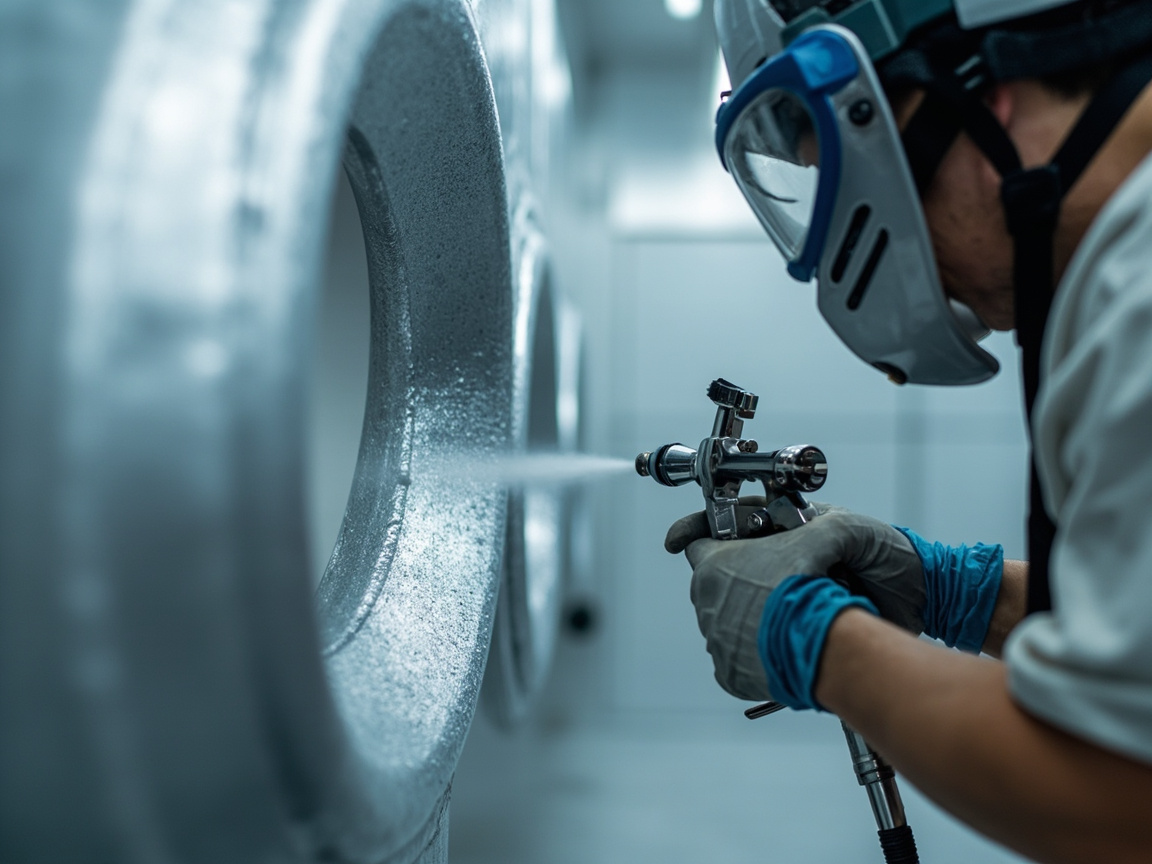
High-Temperature Paint Spraying Application
Spray gun applying silver coating, worker protective equipment

Pipe Flanges and Valves
Heat-resistant coating protection for high-temperature pipe connectors
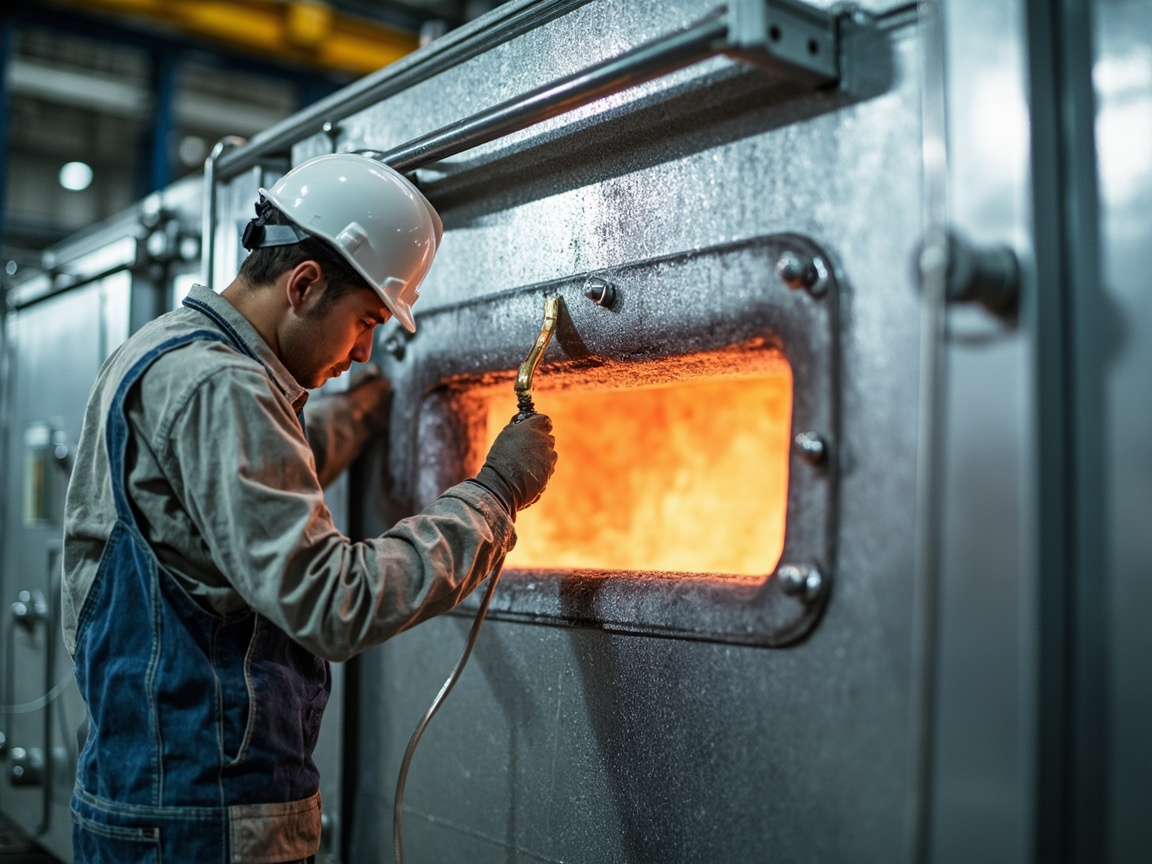
Incinerator outer wall
Industrial incineration equipment, silver high-temperature resistant protection
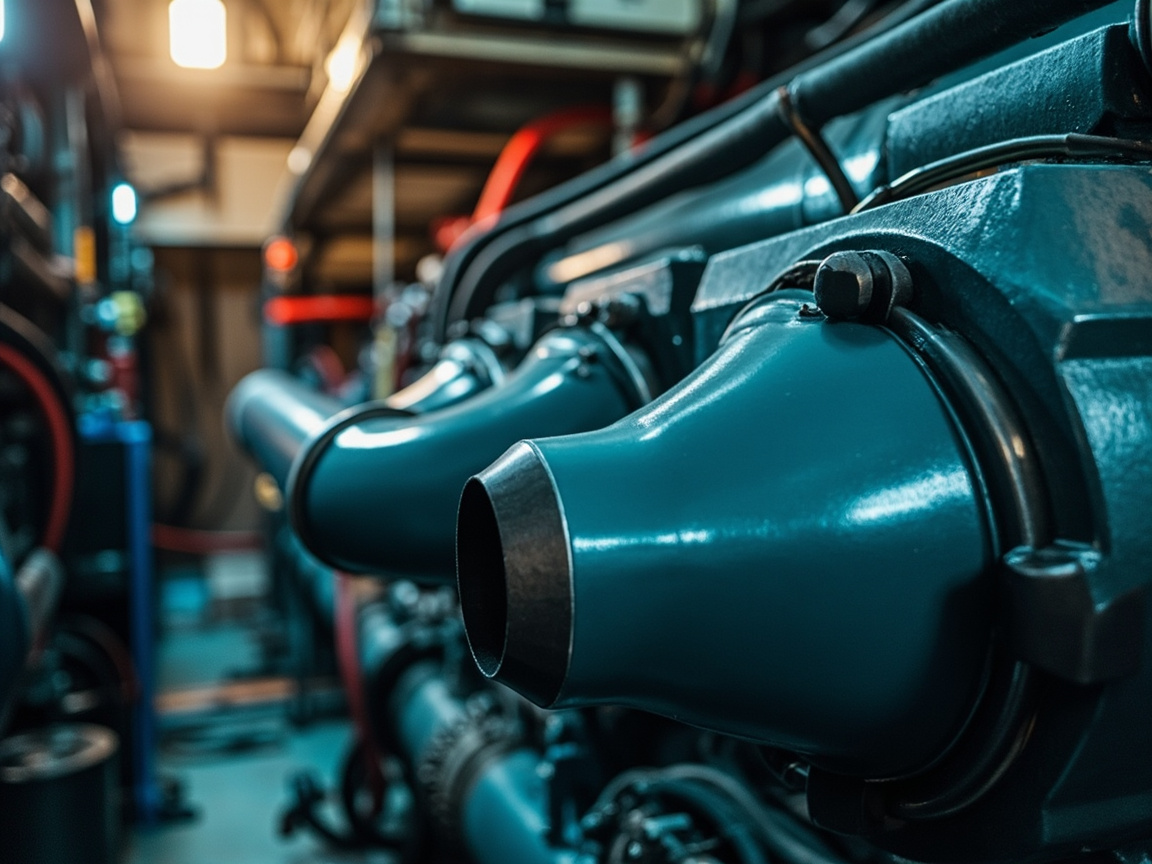
Marine engine exhaust pipe
Heat-resistant coating for high-temperature equipment in ship engine rooms
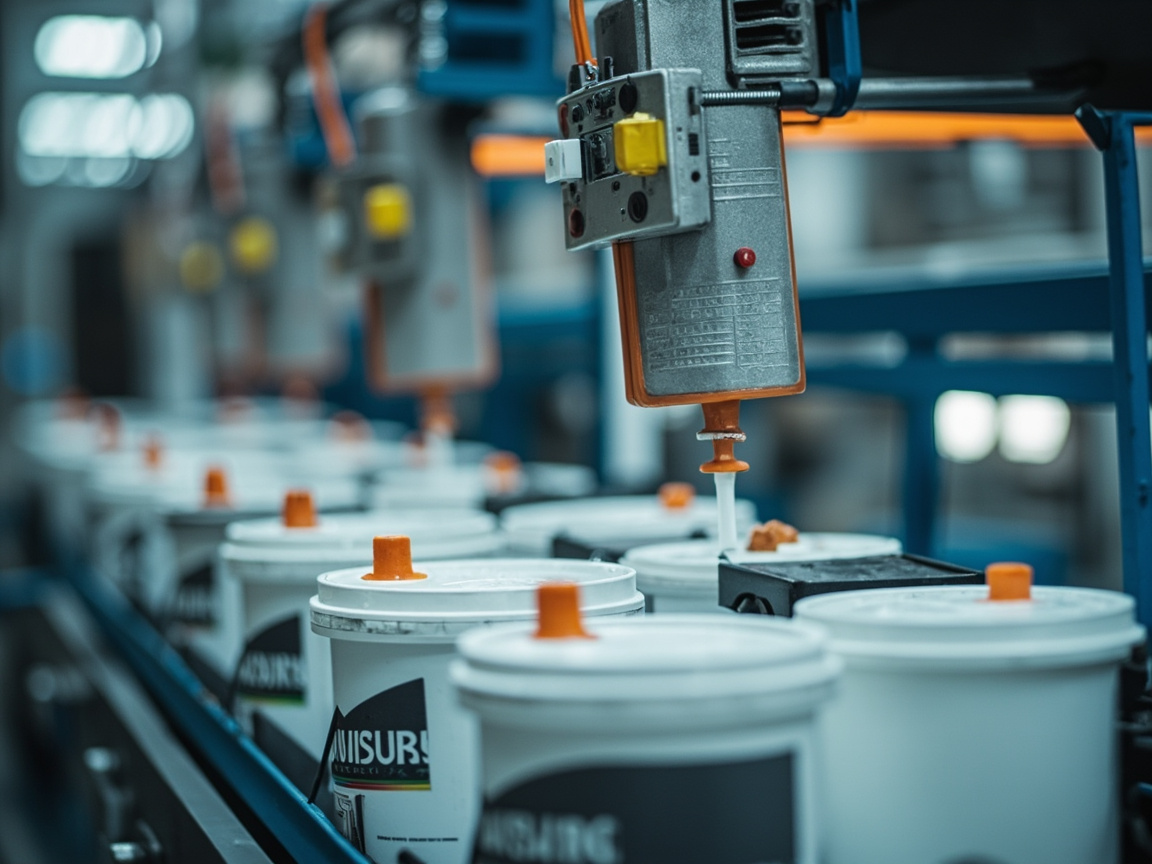
High-temperature paint production line
Paint bucket filling and packaging, factory production quality inspection
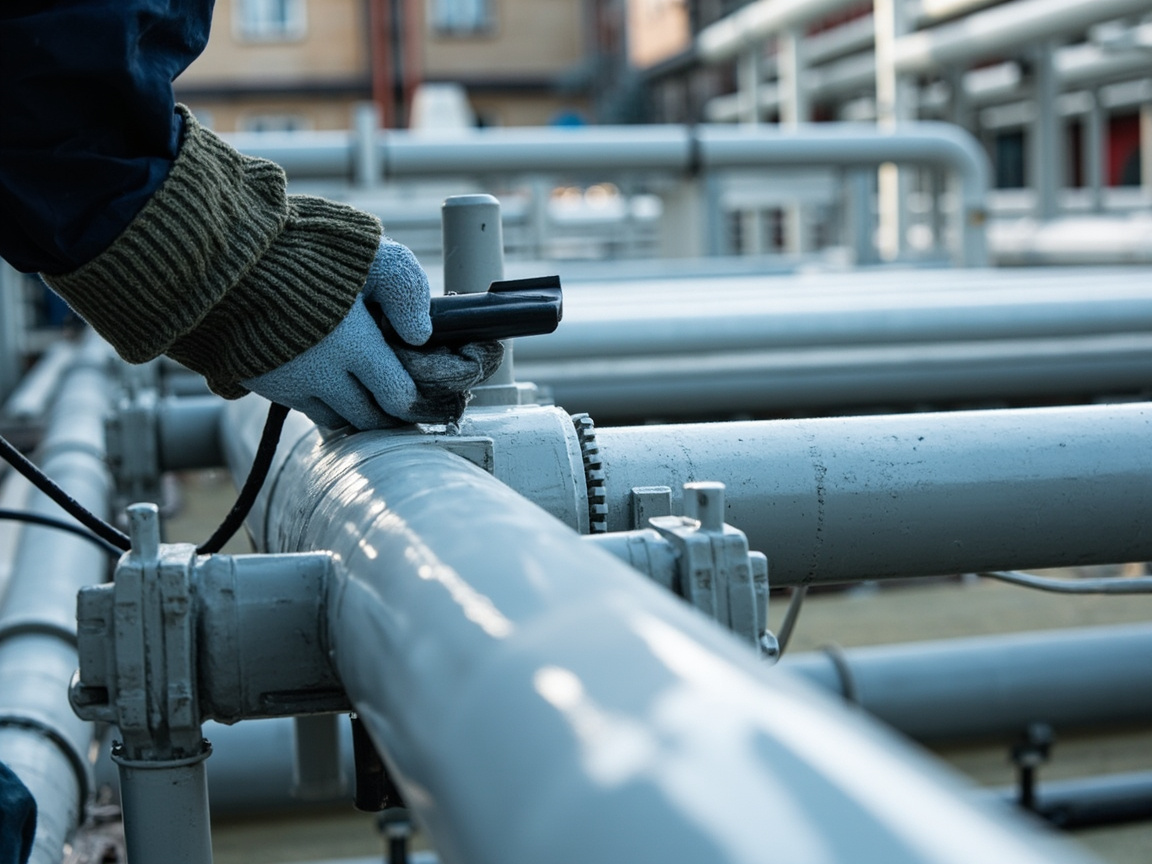
Central heating pipeline
Urban heating network, silver high-temperature resistant coating
Frequently AskedFAQ
DownloadCenter
TDS Product Technical Specifications
Technical Data Sheet
Compliant with HG/T 3668-2020 standard
MSDS (Material Safety Data Sheet)
Material Safety Data Sheet
16 Chapters · GB/T 16483-2008
Color Card (Product Color Card)
Color Card
Steel-grey / iron-red standard colours
Application guide
Application Guide
Complete construction guidance + defect countermeasures
projectCases
Sinopec Zhenhai Refining & Chemical high-temperature pipeline silicone coating
Huaneng Yuhuan Power Plant boiler outer wall silicone heat-resistant coating
SAIC Motor exhaust pipe high-temperature coating line
CNOOC Huizhou Petrochemical Delayed Coking Unit High-Temperature Corrosion Protection
Silicone high-temperature resistant paint·Factory direct supply
Free sample testing · Customized technical solutions · On-site construction guidance · ISO 9001 certified factory · 48-hour rapid response
Related articles & news
Further reading: technical articles and industry news from Kexin New Materials