Detailed Explanation of 10 Common Types of Paints and Industrial Coatings Classification
In the fields of industrial manufacturing, construction engineering, automotive refinishing, wood furniture, and equipment anti-corrosion, paint and coating products are highly diverse. The core differences among various coating types mainly stem from the "film-forming substance" or "resin binder."
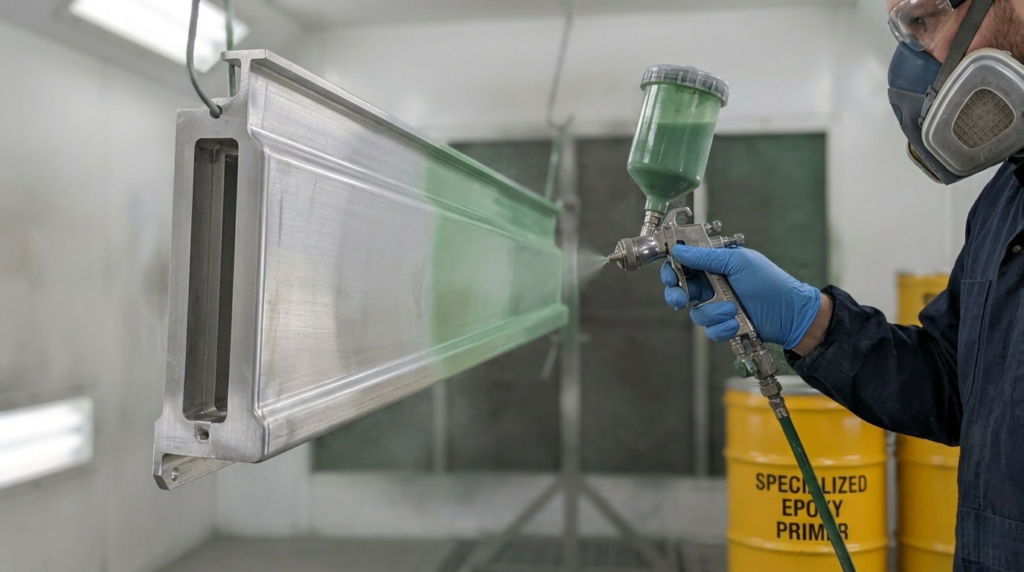


The film-forming resin determines the hardness, adhesion, weather resistance, corrosion protection, chemical resistance, and service life of the paint film. Therefore, when selecting industrial paints, it is essential to understand the characteristics of different resin systems.
The following will detail the 10 common types of industrial paints currently on the market and their application ranges.

1. Phenolic resin paint
Phenolic resin paint is an early-applied class of industrial coating, offering good hardness, water resistance, and electrical insulation properties.
Product Features
- Hard film
- Good water resistance
- It has good insulation properties.
- Relatively low cost
- Fairly poor weather resistance
- Prolonged exposure is prone to yellowing.
Scope of Application
Phenolic resin paint is commonly used for:
- Electrical insulation coating
- metal primer
- Industrial equipment protection
- wood primer
- protection of inner walls of packaging containers
With the development of high-performance resins, the use of phenolic paints in high-end fields has decreased, but they still retain application value in certain basic industrial protection.
2. Alkyd resin paint
Alkyd resin paint is a class of traditional coatings widely used in the industrial field, offering good application properties and high cost-effectiveness.
Product Features
- Easy to apply
- Good adhesion
- Good gloss
- balanced overall performance
- Air-dry at room temperature
- Good adaptability
Scope of Application
Widely used in:
- steel structure protection
- architectural metal surfaces
- Industrial equipment
- agricultural machinery
- wood surface
- ordinary vehicle painting
Alkyd paint remains a common product in many industrial projects to this day due to its simple application and easy maintenance.
3. Amino resin paint
Amino resin coatings usually need to be used in combination with alkyd resins or acrylic resins, and are cured by high-temperature baking to form a hard film.
Product Features
- The film is glossy and full-bodied.
- Vibrant color
- High hardness
- Good oil resistance
- Excellent decorative effect
- Requires high-temperature baking
Scope of Application
Mainly used for:
- automotive parts
- home appliance housings
- metallic baking enamel
- Industrial machinery exterior components
Amino baking enamels are widely used in large-scale industrial assembly line spraying.
4. Nitrocellulose lacquer (NC lacquer)
Nitrocellulose lacquer is a typical fast-drying wood coating with high application efficiency.
Product Features
- Fast drying speed
- Easy to sand and polish
- High construction efficiency
- Easy to repair
- Thin film coating
- relatively low solids content
Scope of Application
Commonly found in:
- wooden furniture
- instrument surface
- interior decoration
- craft products
Due to the development of eco-friendly waterborne coatings, the market for traditional nitrocellulose lacquers is gradually shrinking, yet they still retain application value in certain woodcraft segments.
5. Chlorinated polyvinyl chloride paint
Perchlorovinyl paint exhibits good chemical corrosion resistance.
Product Features
- Good resistance to acids and alkalis
- Good water resistance
- Weather resistance is relatively stable
- Dries quickly
- Moderate adhesion to some substrates
Scope of Application
Suitable for:
- Chemical equipment
- storage tank external wall
- Machine tools and equipment
- industrial anti-corrosion engineering
- protection of metal structures
It was once widely used in the field of chemical corrosion protection.
6. Olefin resin paint
Olefin resin coatings exhibit good electrical insulation and chemical resistance.
Product Features
- Good water resistance
- Excellent electrical insulation properties
- chemical resistance
- Good corrosion resistance
Scope of Application
Mainly used for:
- Electrical insulating layer
- anti-corrosion protective layer
- Industrial equipment protection
- Special functional coatings
This type of product is widely used in specialized industrial fields.
7. Acrylic Resin Paint
Acrylic paint is currently one of the most widely used high-performance industrial coatings.
Product Features
- Excellent weather resistance
- Excellent gloss and color retention
- Strong UV resistance
- Good film decoration performance
- Can be formulated as one-component or two-component products.
Scope of Application
Widely used in:
- Automotive topcoat
- building exterior wall
- Advertising signage
- construction machinery
- outdoor steel structures
- high-end wood coating
In outdoor environments, acrylic paint offers a long service life.
8. Polyurethane paint (PU paint)
Polyurethane paint is a highly important high-performance coating in modern industry and the furniture sector.
Product Features
- Tough and abrasion-resistant film
- Strong adhesion
- High gloss
- oil-resistant and water-resistant
- excellent decorative properties
- Can be cured at room temperature.
Scope of Application
Commonly used for:
- high-end furniture
- automotive refinish paint
- flooring system
- Industrial equipment
- wood topcoat
- metal protection
Polyurethane coatings hold an important position in the fields of industrial anticorrosion and decoration due to their excellent overall performance.
9. Polyester resin paint
Polyester coatings are mainly divided into unsaturated polyester coatings and saturated polyester systems.
Product Features
- High film fullness
- high hardness
- Good abrasion resistance
- Excellent gloss performance
Classification description
unsaturated polyester paint
Mainly used for:
- furniture surface
- wood coating
- instrument coating
saturated polyester system
Commonly used for:
- automotive coating
- coil coating for metal substrates
- industrial baking paint
Polyester-based products excel in high-gloss decorative applications.
10. Epoxy Resin Paint
Epoxy resin paint is one of the most widely used and important coatings in the field of industrial anti-corrosion.
Product Features
- Strong adhesion
- Excellent anti-corrosion performance
- Excellent chemical resistance
- High mechanical strength
- Can be used as a high-performance primer
Scope of Application
Widely used in:
- industrial flooring
- marine anti-corrosion
- oil pipeline
- Storage tank equipment
- steel structure engineering
- heavy-duty anti-corrosion system
Epoxy primer is typically used as the core basecoat material in industrial anti-corrosion systems.
11. Silicone and fluorocarbon specialty coatings
Strictly speaking, this type belongs to high-performance functional coating systems, which are being applied increasingly widely in modern industry.
silicone heat-resistant paint
Characteristics
- Excellent high-temperature resistance
- good weather resistance
- waterproof and insulating
application
- high-temperature equipment
- exhaust pipe
- boiler equipment
- thermal pipeline
fluorocarbon coating
Characteristics
- superior weather resistance
- UV-resistant
- long-term color and gloss retention
- Good self-cleaning performance
application
- architectural curtain wall
- high-end steel structures
- bridge engineering
- marine anti-corrosion
Fluorocarbon coatings hold a significant position in high-end architectural and heavy-duty anti-corrosion applications.
How to select suitable industrial coatings?
When selecting industrial coatings, the following factors need to be considered comprehensively:
Service environment
- Indoor or outdoor
- High temperature or ambient temperature
- wet or dry
- Whether chemical media are contacted
Substrate type
- steel
- aluminum material
- wood
- concrete
- plastics
Functional requirements
- anti-corrosion
- wear-resistant
- decoration
- weather resistance
- insulation
- Waterproof
Application method
- spray coating
- roller coating
- brush application
- bake cure
- room-temperature curing
Properly combining primer, intermediate coat, and topcoat can effectively enhance the overall coating service life and application performance.
Conclusion
With the development of industrial manufacturing and construction engineering, modern paints and coatings have evolved from serving a single decorative function to becoming important industrial materials that integrate anticorrosion, protection, weather resistance, abrasion resistance, and functional properties.
Understanding the characteristics of different resin systems can help companies and users make more scientific product selections, improving coating quality and service life of engineering projects.
For industries such as industrial anti-corrosion, automotive painting, wood furniture, steel structures, and equipment manufacturing, selecting a suitable coating system is a critical step in ensuring product quality.