At a time when water-based industrial coatings are accelerating the replacement of solvent-based coatings, how to simultaneously satisfy both "long-term anti-corrosion" and "low VOC, easy application" is the core proposition for heavy anti-corrosion scenarios such as bridges, wind power, and storage tanks. Waterborne Micaceous Iron Oxide coating (commonly abbreviated as "water-based MIO") is becoming one of the mainstream choices for intermediate coats and topcoats in heavy anti-corrosion systems, thanks to its unique flake structure and water-based resin system. It not only retains the excellent shielding anti-corrosion capability of MIO paint, but also complies with increasingly stringent environmental regulations.
I. What is Waterborne Micaceous Iron Oxide Coating
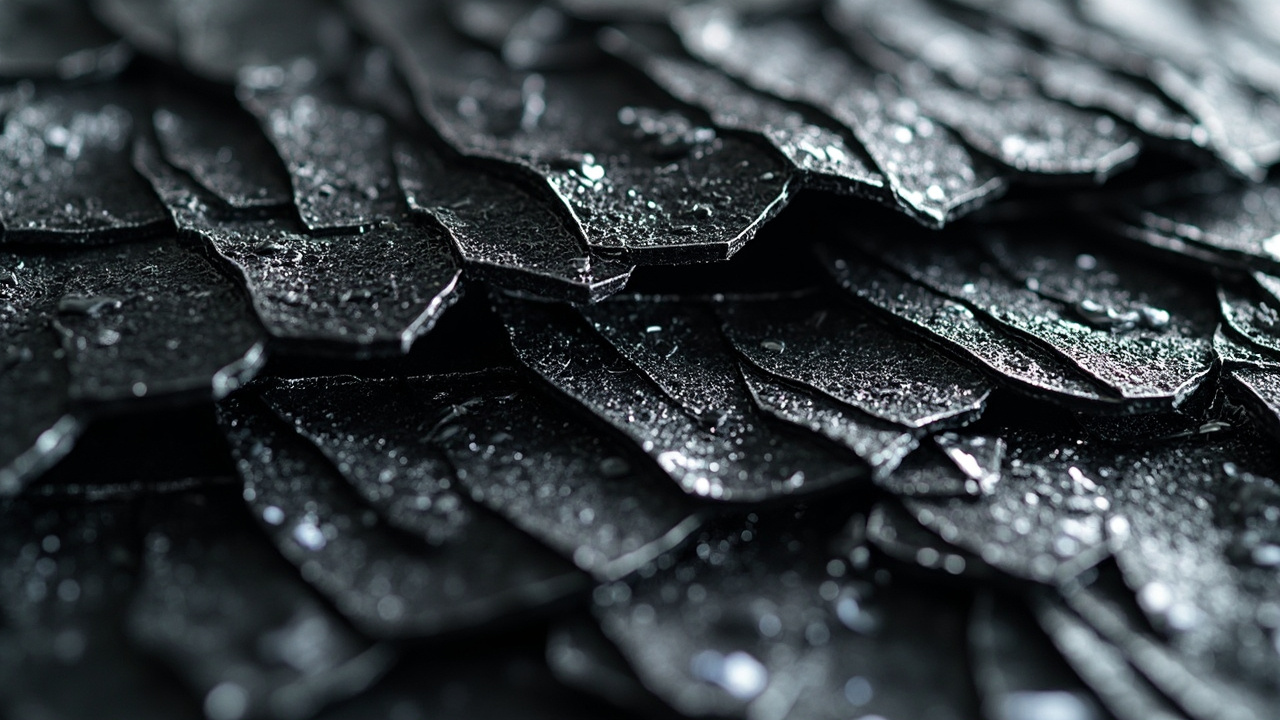
Micaceous iron oxide (MIO) is a natural or synthetic α-Fe₂O₃ flake pigment. Each flake is a gray-black thin sheet, with an aspect ratio reaching above 30:1. When arranged in parallel and imbricated within the paint film, it forms a dense "physical barrier". Water-based MIO coating disperses this flake pigment into film formers such as water-based epoxy resin, water-based acrylic, or water-based polyurethane, using water as the dispersion medium, with VOC content significantly lower than traditional solvent-based MIO paint.
Structure determines performance: ordinary spherical fillers approximate "point contact" in the paint film, allowing corrosive media to penetrate directly through pores; whereas MIO flakes overlap layer by layer, forcing water, oxygen, and chloride ions to detour several times the path to reach the substrate, greatly increasing penetration resistance.
II. Why MIO Achieves Long-term Anti-corrosion
- Maze Effect (Barrier Effect): The layered arrangement of flakes extends the diffusion path of corrosive media, which is the fundamental reason why MIO paint generally withstands salt spray for over 3000 hours.
- UV Shielding: MIO flakes reflect and block ultraviolet rays, slowing the photo-aging of the resin binder, allowing thecompatible system to retain gloss and color longer under outdoor exposure.
- Mechanical Enhancement: Flake pigments act as "microscopic rebar" in the paint film, improving impact resistance and crack resistance, and reducing shrinkage internal stress.
- Synergy with Base Coat: MIO intermediate coat is typically paired with epoxy zinc-rich primer (e.g., inorganic zinc-rich primer) to provide cathodic protection, then covered with water-based fluorocarbon topcoat for weather-resistant sealing, forming a complete "primer–intermediate–topcoat" protection chain.
III. Reference for Key Technical Parameters
The following typical indicators can be referenced during selection; actual values are subject to the product technical data sheet:
| Item | Typical Indicator | Description |
|---|---|---|
| VOC Content | ≤ 60 g/L | Complies with new GB 30981 standard |
| Single-coat Dry Film Thickness | 40–80 μm | Total intermediate coat thickness recommended 80–120 μm |
| Salt Spray Resistance | ≥ 3000 h | Overall performance ofcompatible system |
| Adhesion | ≥ 5 MPa | Pull-off method |
| Theoretical Coverage | 6–8 m²/kg | Related to thickness |
| Surface Dry / Hard Dry | 1 h / 24 h | 23℃, 50%RH |
IV. Advantages of Water-based System over Solvent-based
With the upgrade and implementation of GB 30981 "Limit of Harmful Substances in Industrial Protective Coatings" on June 1, 2026, the VOC limit for industrial coatings is further tightened (water-based target increased from 40% to above 60%). Water-based MIO has more compliance advantages in the following aspects:
| Comparison Item | Solvent-based MIO | Water-based MIO |
|---|---|---|
| VOC Level | Higher, restricted | Low, complies with new standard |
| Application Safety | Flammable and explosive | Non-flammable, safer for storage and transport |
| Odor and Occupational Health | Obvious irritation | Low odor, friendly |
| Compatibility Adaptability | Broad | Need to pay attention to inter-coat recoating window |
V. Typical Application Scenarios
Water-based MIO coating is widely used in steel structure scenarios requiring both durability and environmental friendliness:
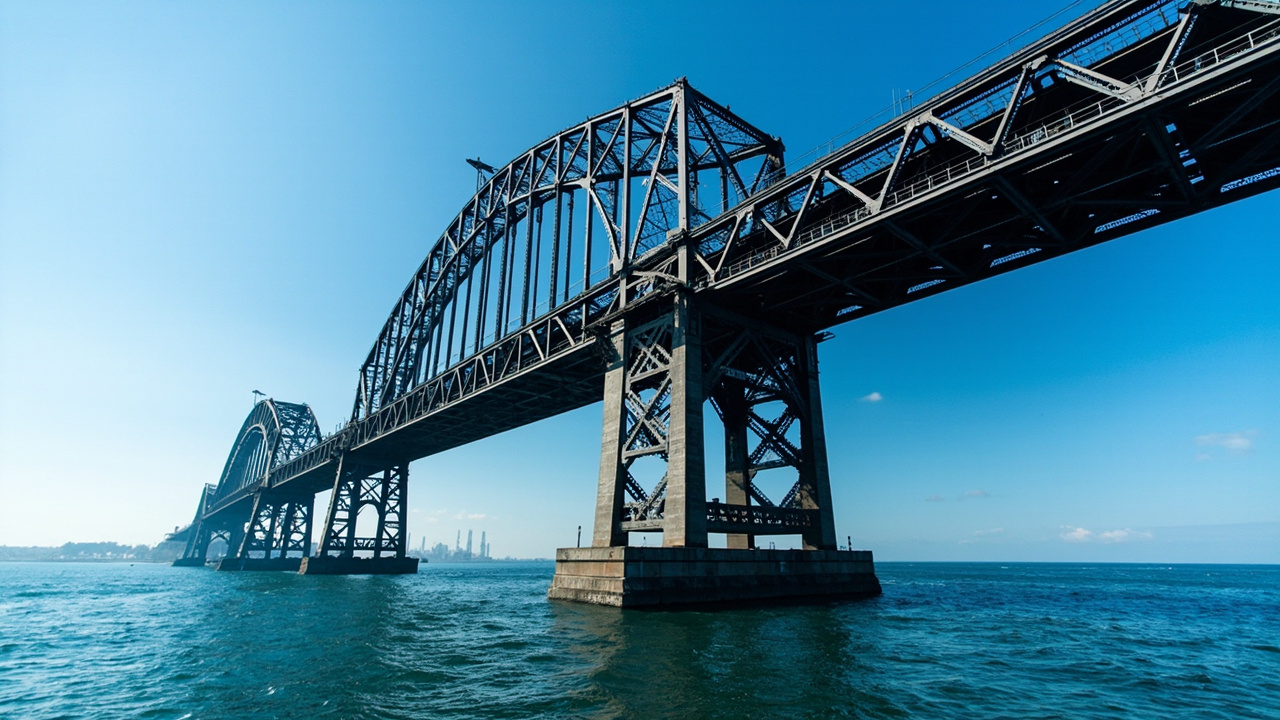
- Sea-crossing Bridges and Venue Steel Structures: Long life, low maintenance, a key intermediate layer of the heavy anti-corrosion system.
- Wind Tower and Pipe Piles: Paired with wind tower protection system to resist high-humidity and high-salt-spray environments.
- Storage Tanks and Pipeline Exteriors: Combined with pipe anti-corrosion solution to extend maintenance cycle.
VI. Application Key Points and Selection Suggestions
- Surface Treatment: Blast substrate to Sa 2.5, roughness Ry5 40–75 μm, to ensure primer adhesion.
- Compatibility Design: Epoxy zinc-rich primer (70–80 μm) + water-based MIO intermediate coat (80–120 μm) + water-based fluorocarbon/polyurethane topcoat (60–80 μm).
- Recoating Interval: Strictly follow the inter-coat recoatable time in the product technical data sheet (WM Water-based MIO TDS) to avoid inter-layer delamination.
- Environmental Control: Application temperature 5–35 ℃, relative humidity below 85%, substrate temperature above dew point by 3 ℃.
VII. Frequently Asked Questions (FAQ)
Q: Can the anti-corrosion performance of water-based MIO catch up with solvent-based? Under mature formulation and standard application, key indicators of quality water-based MIO such as salt spray resistance and adhesion can already match solvent-based, while offering advantages of low VOC, low odor, and safer application.
Q: Must water-based MIO be paired with zinc-rich primer? For heavy anti-corrosion scenarios, pairing with zinc-rich primer is strongly recommended to form the dual mechanism of "cathodic protection + shielding"; for general corrosion grades, epoxy primer can also be used, specifically determined by corrosion grade (C3/C4/C5).
Q: Are water-based coatings more sensitive to application humidity? Yes. Water-based systems rely on water evaporation for film formation; relative humidity that is too high (>85%) will delay drying and affect adhesion, so application in rain, fog, or condensation conditions should be avoided.