Key Factors for Coating Stability on Plastic Surfaces
Different plastic materials exhibit significant differences in molecular structure and surface characteristics, which directly affect the adhesion performance of plastic coatings. This paper systematically analyzes the influence of common plastic substrates on the adhesion of plastic coatings, providing a scientific reference for the surface painting of plastic products.
I. Why plastic substrates affect the adhesion of plastic coatings
During the painting process of plastic products, even when using the same plastic paint, the final adhesion effect on different plastic substrates may vary significantly. This is because plastic materials differ in aspects such as molecular structure, surface energy, and crystalline state.
The adhesion of plastic coatings is not determined by a single factor, but is the result of the combined interaction between the coating system and the plastic substrate. Therefore, understanding the characteristics of the plastic substrate is a prerequisite for ensuring coating stability.
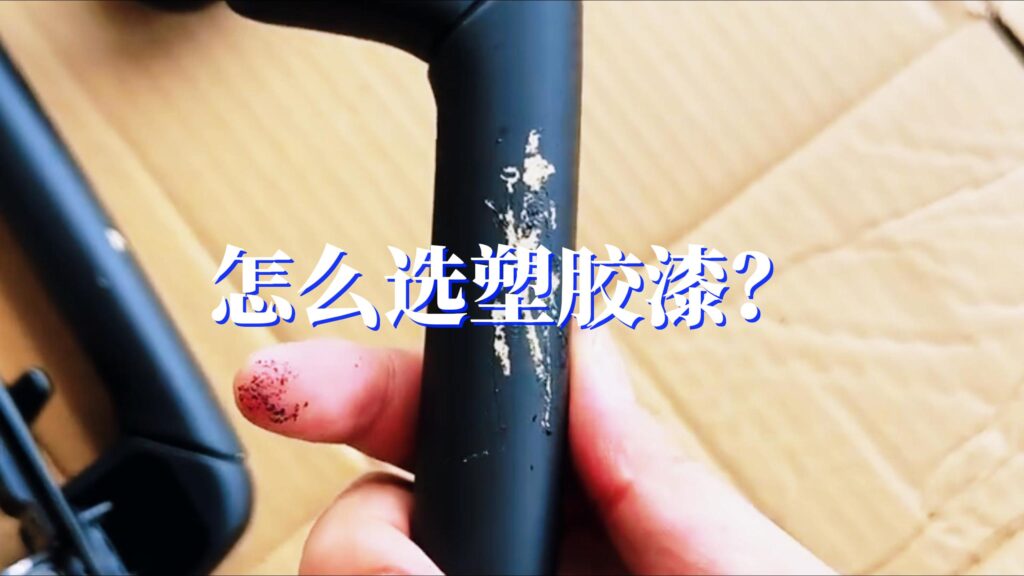
II. Key Surface Properties of Plastic Substrates
1. Surface energy difference
The level of surface energy of plastics directly affects whether the coating can spread effectively. For plastics with lower surface energy, the coating is more prone to poor adhesion.
2. Molecular Structure and Polarity
Plastic materials with stronger polarity more readily form stable interfacial bonding with plastic coatings, whereas non-polar or weakly polar plastics impose higher requirements on coating adhesion.
3. Surface finish and density
The smoother and denser the surface, the weaker the mechanical interlocking of the coating, and the higher the requirements for the adhesion of plastic coatings.
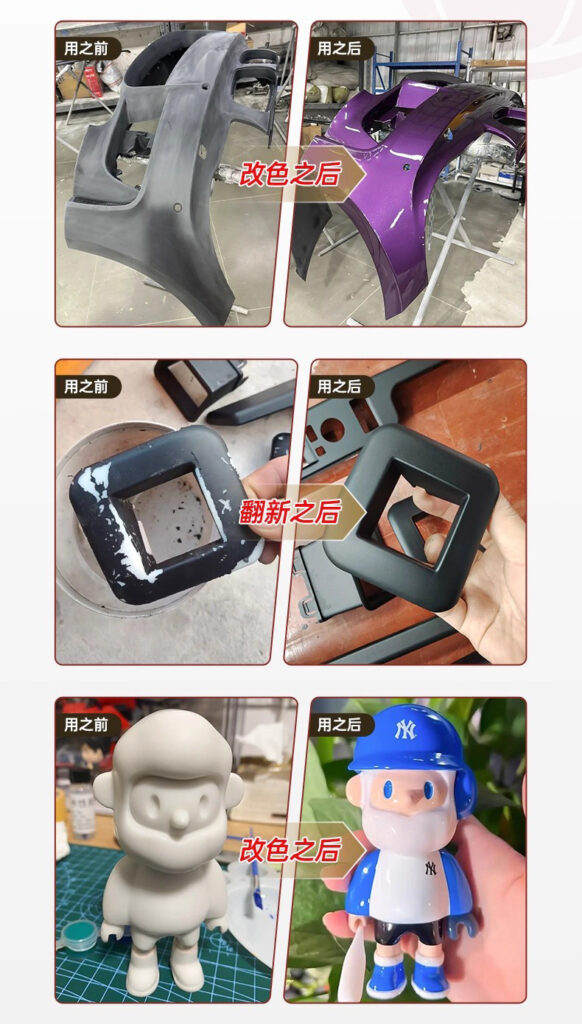
III. Effects of Common Plastic Substrates on the Adhesion of Plastic Coatings
1. ABS plastic
ABS is one of the most widely used materials in plastic coating, offering good surface energy and moderate polarity. Plastic coatings generally achieve excellent adhesion on ABS surfaces, making it an ideal substrate for plastic spraying.
2. PC Plastic
PC plastic offers high strength and good stability, and exhibits good compatibility with plastic coatings. However, under high-gloss or high-decorative requirements, the consistency of the coating process demands are higher.
3. ABS+PC alloy material
ABS+PC combines the advantages of both materials, offering balanced performance in adhesion and durability, and is a common substrate for painting in automotive and electronic products.
4. Low-polarity plastics such as PP and PE
PP, PE, and other materials have low surface energy and strong chemical inertness, making them substrate types with high adhesion difficulty in plastic coating, and thus impose higher requirements on plastic paint systems and process control.
IV. Painting Challenges Arising from Differences in Plastic Substrates
Different plastic substrates may present the following challenges during the painting process:
- Uneven coating adhesion
- batch-to-batch stability variation
- Delamination or instability occurs during use.
These issues are often not caused by a single factor, but rather by insufficient compatibility between substrate characteristics and the coating system.
V. Adaptability of Plastic Coatings on Different Substrates
Modern plastic coatings, through formulation optimization and system design, exhibit good substrate adaptability within a certain range and can meet the coating requirements of various plastic materials.
Reasonable selection of plastic coating systems helps achieve stable coating results and consistent appearance across different substrate conditions.
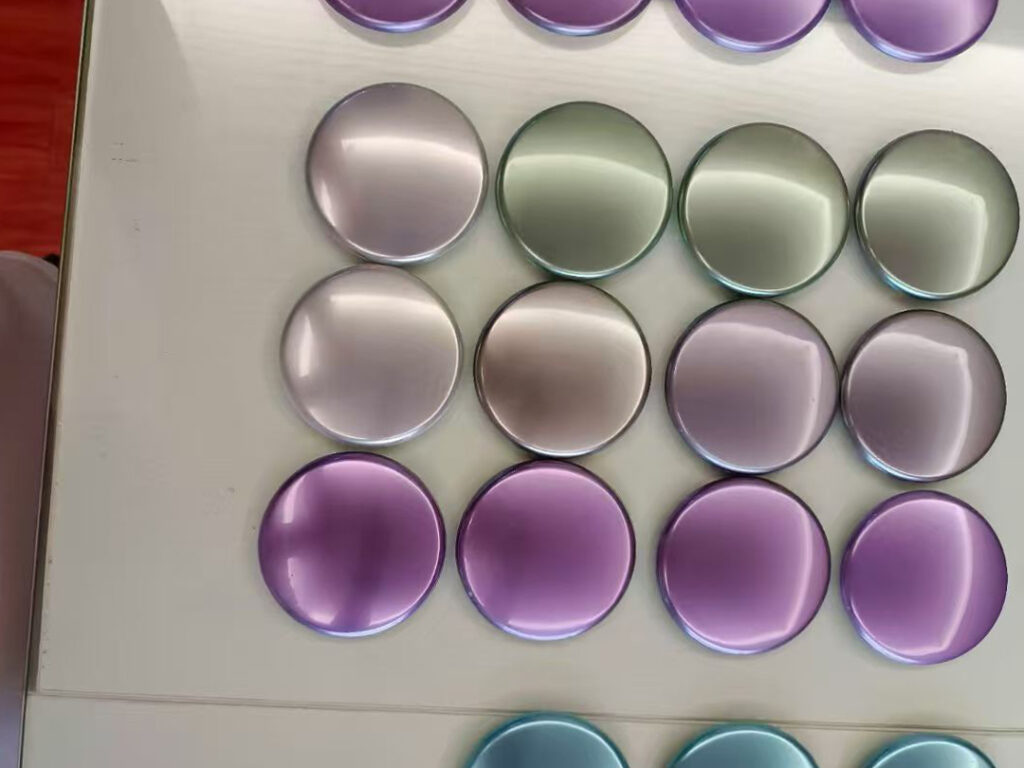

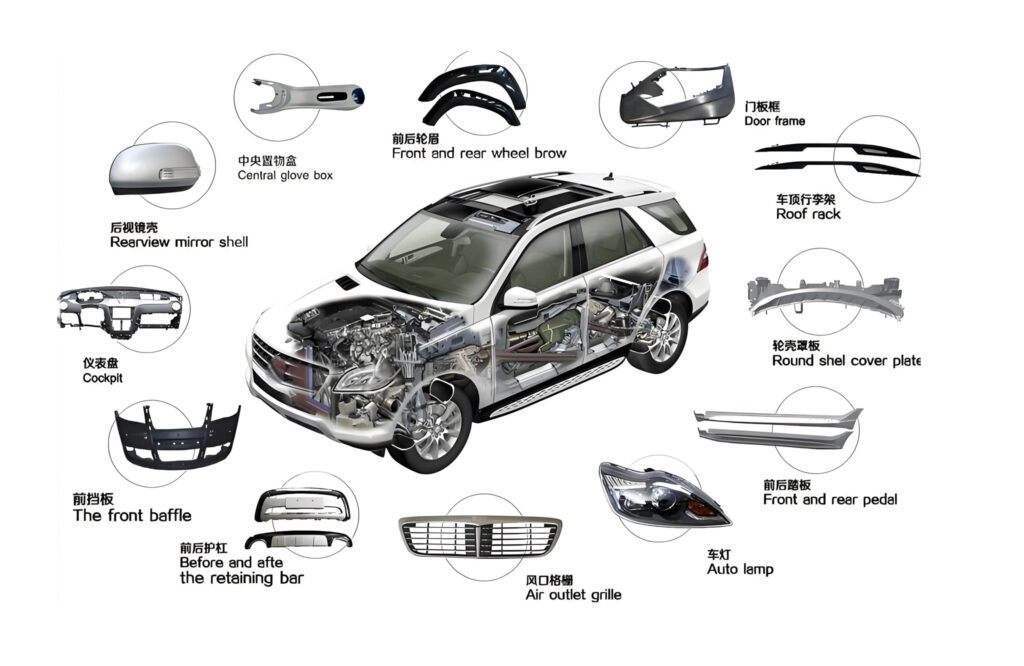



VI. Influence of Plastic Substrate Selection on Product Quality
The plastic substrate not only affects coating adhesion, but also directly relates to the product's:
- appearance stability
- service life
- quality consistency
Therefore, during the design stage of plastic products, it is necessary to comprehensively consider both substrate characteristics and coating requirements.
VII. Conclusion
Different plastic substrates have a decisive influence on the adhesion of plastic coatings. Only by fully understanding the characteristics of plastic materials can stable and reliable plastic surface coating results be achieved.
The following content will further explore the application performance of plastic coatings on complex structural parts and in high-decoration-demand scenarios.