—Key Technical Points Determining the Visual Quality of Metals
The mirror effect of electroplating paint is influenced by multiple factors working together. This article systematically analyzes the key factors determining the quality of the mirror effect of electroplating paint from the aspects of substrate condition, coating structure, and process control, providing a reference for high-end appearance coating of plastic products.
I. Technical Significance of Mirror Effect in Electroplating Paints
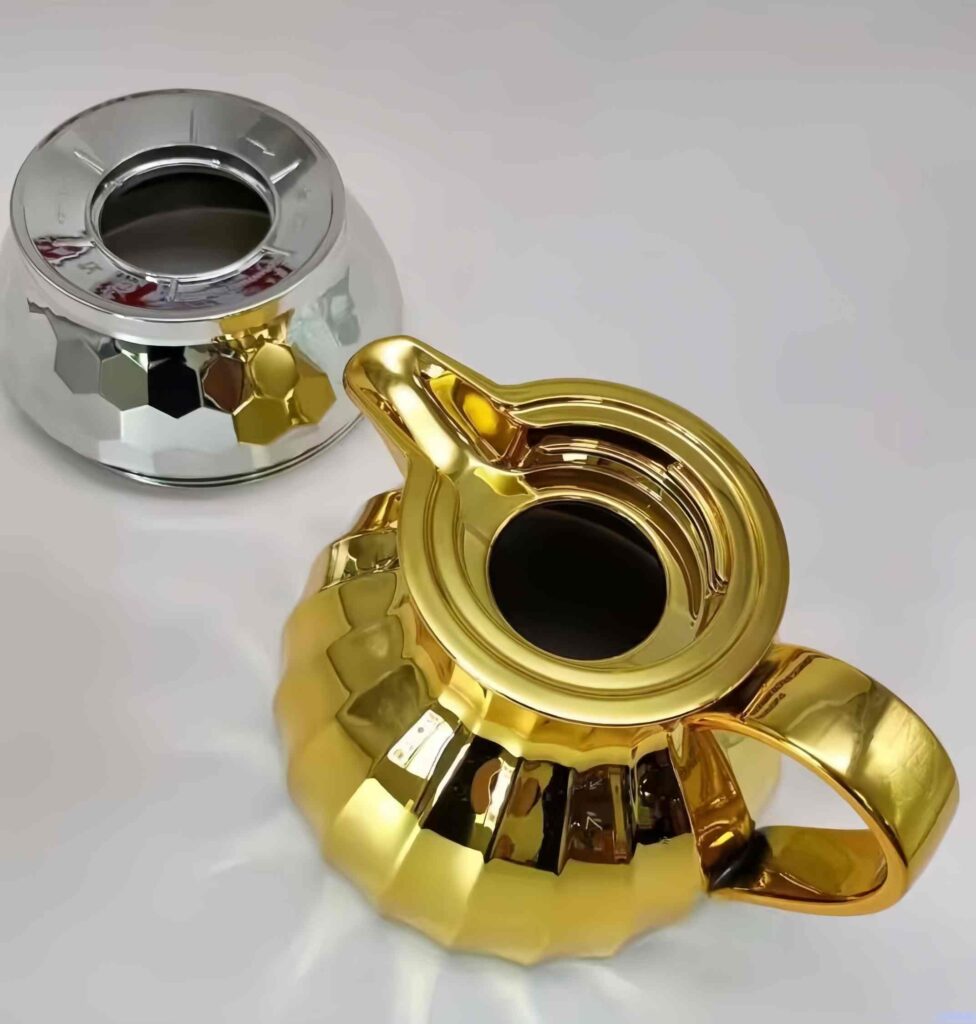
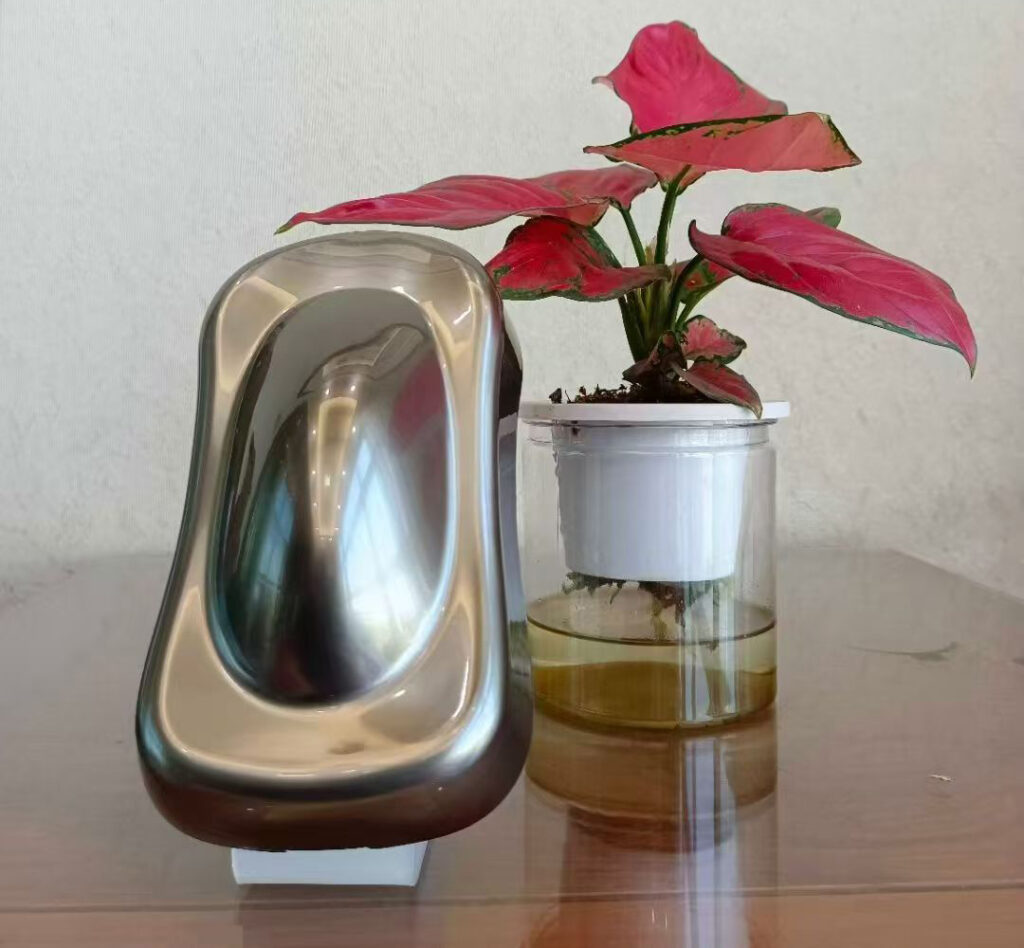
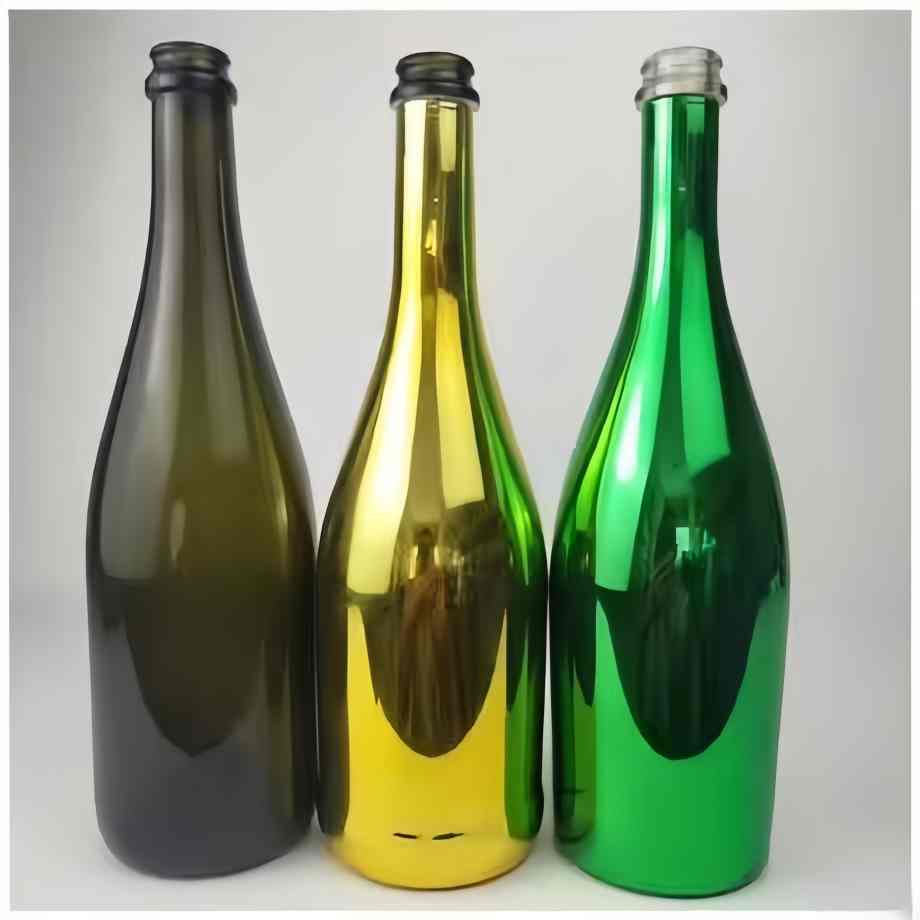
Mirror effect is the most visually striking and technically representative appearance expression in electroplating paints. Its characteristics lie in high reflectivity, clear imaging, and pure metallic texture, which impose extremely high requirements on the comprehensive performance of the coating system.
The quality of the mirror effect often directly determines the product's sense of premium grade and market perception.
II. Influence of Substrate Surface Condition on Mirror Effect
1. Surface flatness
The smoother the substrate surface, the more easily the reflective layer forms a continuous, uniform mirror effect. Any minute irregularities will be significantly amplified under high-reflectivity conditions.
2. Surface Cleanliness
If impurities, oil stains, or fine dust exist on the substrate surface, they will disrupt the continuity of the coating, causing a hazy appearance or uneven reflection in the mirror effect.
III. The Decisive Role of Primer Coating Quality
In electrocoating paint systems, the base coat provides foundational support for the mirror effect, and its main functions include:
- modify microscopic defects of the substrate
- Provide a stable, smooth bearing surface
- Ensure uniform adhesion of the reflective layer
Insufficient quality of the base coating will directly limit the upper bound of the mirror effect.
IV. Reflective Layer Performance and Mirror Clarity
The reflective layer is the core layer that determines the mirror effect, and its performance directly affects:
- reflectance level
- image clarity
- metallic texture purity
The uniformity and continuity of the reflective layer are key to achieving a high-quality mirror effect.

V. Effect of Transparent Protective Layer on Mirror Effect
The transparent protective layer not only provides protection but also affects the final presentation of the mirror effect:
- gloss control
- surface leveling property
- stability under long-term use
Improper performance of the protective layer may weaken the mirror effect or cause visual distortion.
VI. Process Stability and Environmental Factors
The mirror effect of electroplated paint is highly sensitive to application process and environmental conditions, and stable process control helps ensure:
- Mirror effect consistency
- Inter-batch appearance stability
- Long-term quality controllability
VII. Multiple Factors Synergistically Determine the Final Mirror Finish Quality
The mirror effect is not determined by a single factor, but is the result of the synergistic interaction of multiple aspects including the substrate, base coat, reflective layer, protective layer, and process control. Any deviation in any step may affect the final visual performance.
VIII. Conclusion
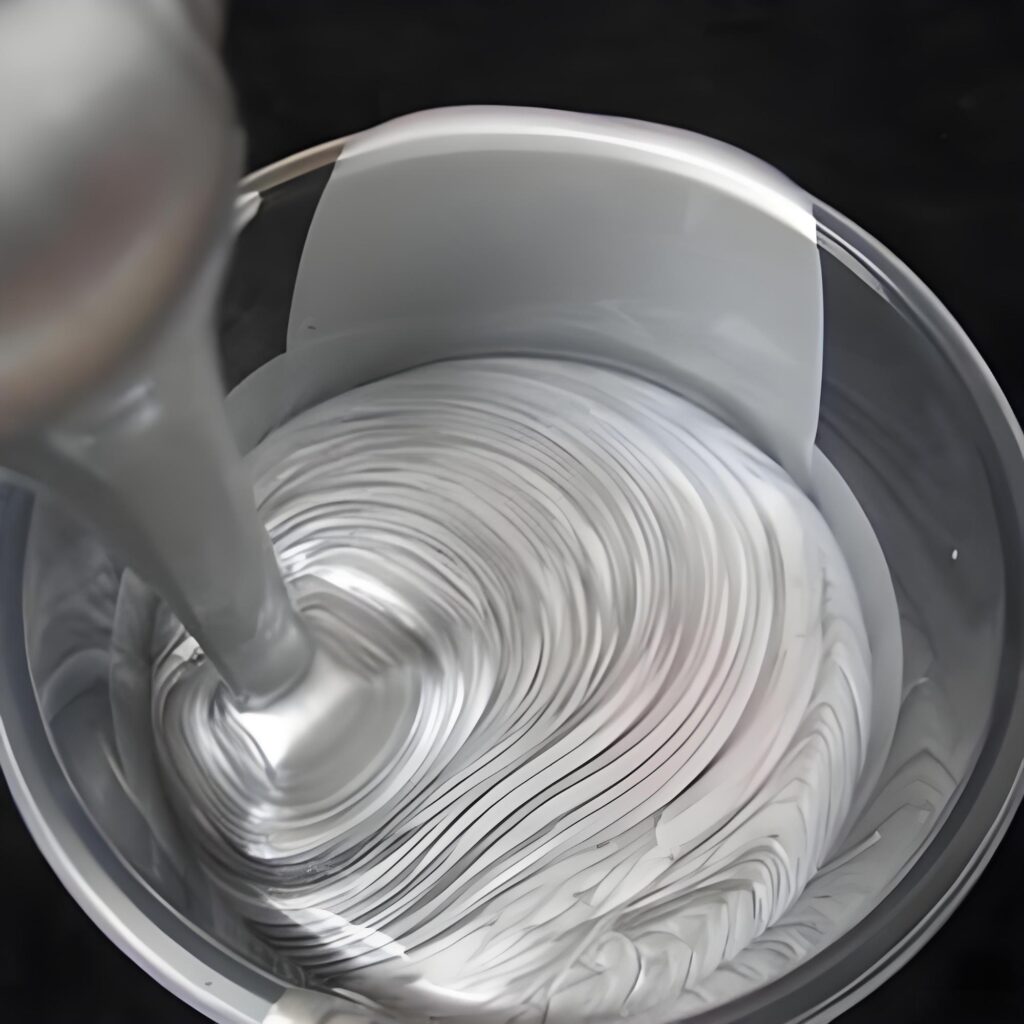
The realization of an electroplated paint mirror effect is a systematic technical achievement. Only by comprehensively controlling the key factors affecting the mirror effect can high-end and stable metallic visual effects be achieved on plastic product surfaces.
In the following sections, the coating performance of electroplated paint on complex curved surfaces and irregular structures will be further discussed.